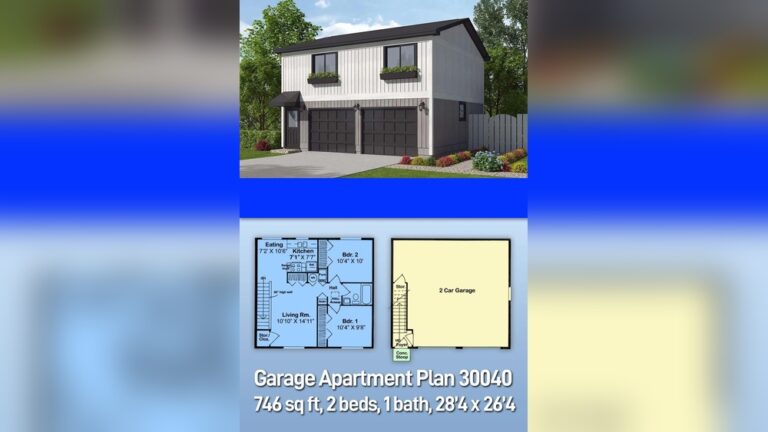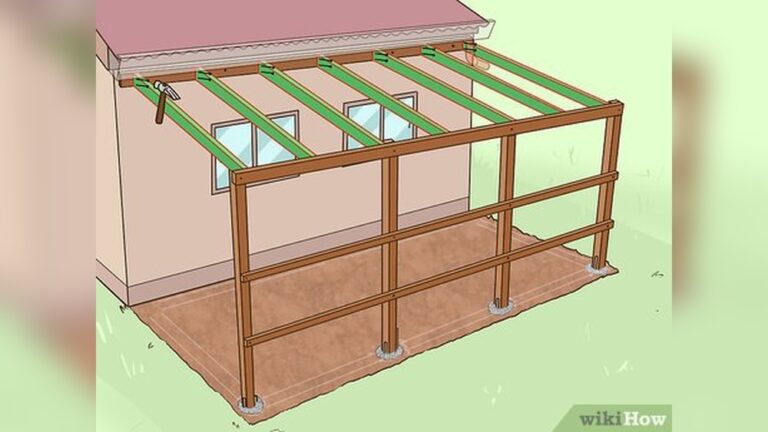


Adding a garage to your existing garage can transform your home in many ways. Whether you want more space for cars, a workshop, or extra storage, a garage addition brings both value and convenience. Many homeowners think about expanding, but feel unsure where to start. This guide will help you understand the process, costs, and key decisions involved in a garage addition to existing garage—all in simple, clear language.
Why Consider A Garage Addition?
Expanding your garage is more than just adding square footage. Here are some top reasons people choose this project:
- More parking space: Ideal for growing families or car enthusiasts.
- Storage solutions: Store bikes, tools, or seasonal items securely.
- Flexible usage: Create a home gym, workshop, or even a small office.
- Increase home value: A larger garage can boost your home’s resale price.
- Enhanced curb appeal: A well-designed addition looks great and blends with your home.
Many buyers see a two- or three-car garage as a must-have. According to the National Association of Home Builders, 85% of new homes built in the US in 2022 included a garage.
Planning Your Garage Addition
Before starting, careful planning is key. Each choice affects your budget, timeline, and final result.
Check Local Rules
Cities and neighborhoods often have strict rules about home additions. Always check:
- Zoning laws: Some areas limit garage size or placement.
- Building permits: Most places require a permit for additions.
- Homeowners’ association (HOA) rules: These can affect design, color, and size.
Skipping these steps can lead to fines or forced changes. Visit your city’s website or talk with local officials.
Set A Realistic Budget
Garage addition costs vary widely. The price depends on size, materials, and features. Here’s a data example for a standard two-car garage addition:
| Feature | Estimated Cost (USD) |
|---|---|
| Basic structure (no finish) | $20,000 – $35,000 |
| Fully finished (insulation, drywall, paint) | $35,000 – $50,000 |
| Upgraded features (windows, special doors) | $50,000+ |
Plan for unexpected costs. It’s smart to add 10-15% to your budget for surprises.
Decide On The Garage Type
You have several options when adding to your current garage:
- Attached expansion: Extends the existing garage, sharing walls and roof.
- Detached addition: A separate building, often in the backyard.
- Bump-out: A small extension, usually for extra storage or a workshop.
Attached additions are usually cheaper and easier to build. Detached garages can offer more privacy and design freedom.
Designing Your Garage Addition
A well-designed garage addition should blend with your home and meet your needs.
Match The Existing Structure
The new space should look like it was always there. Pay attention to:
- Roof style: Match pitch and materials.
- Siding and paint: Use the same or similar colors.
- Garage door style: Keep it consistent with the current door.
A seamless design can increase your home’s value and visual appeal.
Plan For Functionality
Think about how you’ll use the space. Consider these practical features:
- Number of bays: How many cars do you want to fit?
- Storage: Will you add shelves, cabinets, or ceiling racks?
- Workspace: Need room for a workbench or tools?
- Insulation: Keeps the space comfortable year-round.
Here’s a comparison of garage sizes for different needs:
| Garage Size | Fits | Best For |
|---|---|---|
| Single (12×20 ft) | 1 car | Basic parking |
| Double (20×20 ft) | 2 cars | Parking + storage |
| Triple (30×20 ft) | 3 cars | Vehicles + large workspace |
Energy And Lighting
Garages often lack good light or comfort. Plan for:
- Windows: Bring in natural light.
- LED fixtures: Save energy and brighten the space.
- Insulation and ventilation: Prevent heat loss and moisture issues.
Adding outlets and special circuits is smart if you’ll use power tools or charge electric cars.
Steps To Build A Garage Addition
Building a garage addition involves several steps. Beginners often miss how each stage connects.
- Site preparation: Clear the area, mark utilities, and prepare the foundation.
- Foundation work: Pour a concrete slab or footings to support the new structure.
- Framing: Build the walls and roof frame, matching the existing structure.
- Roofing and siding: Install roofing, siding, and windows to weatherproof the space.
- Garage door installation: Add doors, openers, and hardware.
- Interior finishing: Insulate, add drywall, paint, and install lighting or outlets.
- Inspection and final touches: Get city inspection and finish with shelving or custom features.
Building usually takes 4 to 8 weeks, depending on weather and complexity.
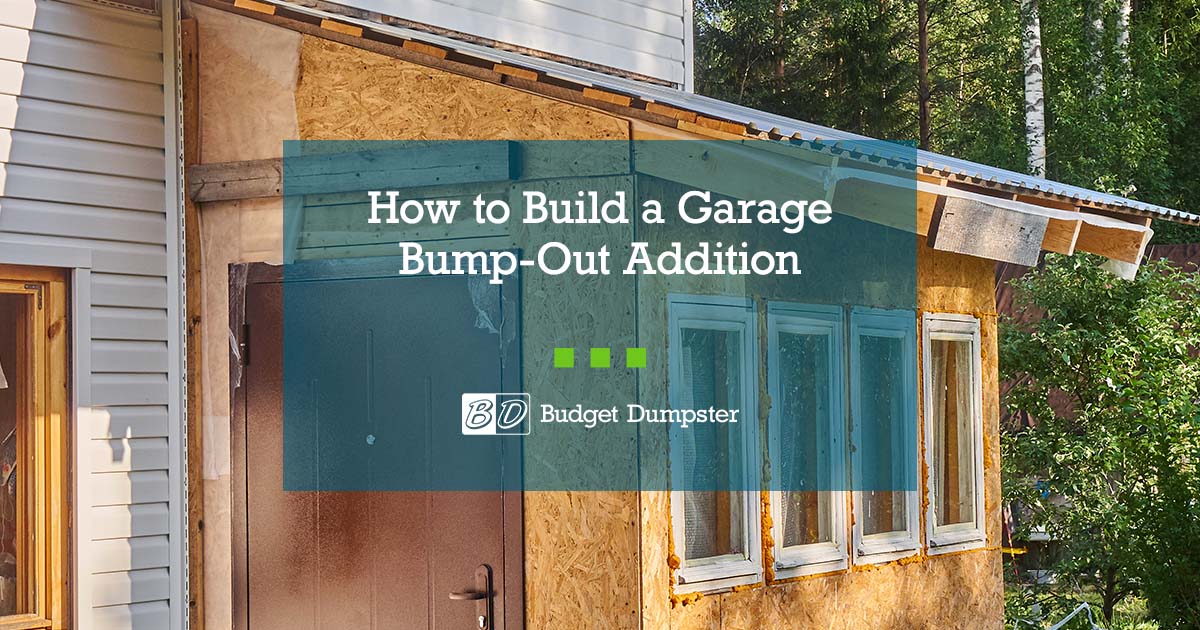
Credit: www.budgetdumpster.com
Diy Vs. Hiring A Contractor
Some homeowners think about doing the work themselves to save money. While DIY can work for small tasks, most garage additions need expert help.
When Diy Might Work
- Small projects, like adding shelves or painting
- If you have construction experience
When To Hire A Pro
- Expanding the structure or foundation
- Electrical or plumbing work
- Permits and inspections
Hiring a licensed contractor is safer and often required by law. A pro can handle complex steps and avoid costly mistakes.
Tip: Always check references and ask for proof of insurance before hiring.
Common Mistakes To Avoid
Beginners often make avoidable errors. Here are key mistakes and how to prevent them:
- Underestimating costs: Always add a cushion to your budget.
- Ignoring permits: Building without approval can lead to legal trouble.
- Poor design match: A mismatched addition can lower your home’s value.
- Insufficient lighting: Garages need more light than you think.
- No drainage plan: Water issues can damage your new space.
It’s smart to walk through your plans with a contractor or architect before starting.

Credit: www.youtube.com
Real-life Example
Let’s look at a typical case. Sarah and Mike own a small home with a single-car garage. Their needs changed after having kids and buying a second car.
- Goal: Add a second bay to their garage for another car and storage.
- Steps:
- Met with city officials for permits.
- Hired a contractor who matched the home’s brick and roof.
- Added two windows for natural light.
- Included extra outlets for a home gym.
Cost: The project cost $42,000 and took six weeks.
Result: The new garage blended perfectly and raised their home’s value by $25,000, according to a real estate appraisal.
How A Garage Addition Affects Home Value
A well-built garage addition can return 60–80% of its cost when you sell your home. Buyers often prefer homes with large, well-designed garages.
But resale value depends on:
- Neighborhood standards: Overbuilding for your area may not pay off.
- Quality of work: Cheap or rushed jobs can hurt value.
- Curb appeal: A good-looking garage attracts more buyers.
For more details on home value and additions, visit National Association of Home Builders.

Credit: custom-contracting.com
Comparing Garage Addition Vs. Other Home Expansions
How does a garage addition compare to adding a room or basement? Here’s a quick comparison:
| Project | Average Cost | Return on Investment | Time to Complete |
|---|---|---|---|
| Garage Addition | $30,000–$50,000 | 60–80% | 4–8 weeks |
| Room Addition | $40,000–$100,000 | 50–70% | 8–16 weeks |
| Finished Basement | $25,000–$75,000 | 50–75% | 6–12 weeks |
Garage additions are often faster and deliver good value, especially if you need more parking or storage.
Non-obvious Insights For Garage Additions
Many beginners focus only on size and cost, but two often-missed details can make a big difference:
- Future-proof wiring: Even if you don’t own an electric car today, adding a dedicated 240V outlet is cheap during construction and expensive later.
- Sloped flooring: A slight slope (1/8 inch per foot) helps water drain out and prevents puddles in your new garage. Many forget this detail, leading to water issues.
Green And Sustainable Choices
If you want to make your addition eco-friendly:
- Use recycled insulation and energy-efficient doors.
- Install solar-powered lights or motion sensors.
- Choose low-VOC paints for better air quality.
These choices can lower energy bills and improve comfort.
Frequently Asked Questions
What Permits Do I Need For A Garage Addition?
You usually need a building permit from your city or county. Some areas also require zoning approval and HOA permission. Always check with your local building office before starting.
How Long Does It Take To Add Onto An Existing Garage?
Most garage additions take 4 to 8 weeks. Timing depends on weather, design complexity, and contractor schedule. Delays are possible if permits or inspections take longer.
Can I Build A Garage Addition Myself?
You can do small tasks, like painting or basic framing, if you have skills. But most additions require licensed professionals, especially for electrical, structural, or foundation work.
Will A Garage Addition Increase My Property Taxes?
Yes, your property taxes may go up, since the addition raises your home’s value. Contact your local tax assessor for details on how much it might increase.
How Much Does A Garage Addition Cost?
Costs vary based on size, location, and materials. A basic one-car addition may cost $20,000–$30,000. A larger, finished two-car addition often costs $35,000–$50,000 or more.
Expanding your garage is a practical way to add value, convenience, and flexibility to your home. With good planning and the right team, your garage addition can look great and serve your needs for years to come.