
Can You Vent A Dryer Into A Garage?
Many homeowners wonder if they can vent a dryer into a garage. The idea seems simple—why not use the garage instead of cutting a new hole through an outside wall? While it looks like a quick solution, this method comes with risks you may not see at first.
Let’s break down what happens if you vent your dryer into a garage, why it’s often not recommended, and what safer alternatives exist.
Why Dryers Need Proper Venting
A dryer’s job is to remove moisture from clothes. As it works, it pushes out hot air, water vapor, and lint. This air must go somewhere, and most homes vent it outdoors. Proper venting keeps your dryer efficient and your home safe.
If you skip outdoor venting, you create several problems:
- Moisture stays inside, leading to mold and mildew
- Lint builds up, which can cause fires
- Heat accumulates, making spaces uncomfortable or even dangerous
The U. S. Fire Administration reports that almost 2,900 home clothes dryer fires are reported each year. Failure to clean and vent dryers properly is the leading cause.
What Happens If You Vent A Dryer Into A Garage?
It’s tempting to use your garage as a quick venting spot. But this practice comes with serious downsides.
Moisture Buildup
Garages are not designed to handle high humidity. When you vent a dryer into your garage, you add a lot of water vapor to the air. Over time, this can lead to:
- Condensation on walls, ceilings, and tools
- Mold growth on surfaces and stored items
- Damage to wood, paint, and metal parts
Example: Drying a standard load releases about one gallon of water vapor. If this goes into your garage, surfaces get damp and mold can grow in hidden spots.
Lint Accumulation
Dryer exhaust always carries lint particles. When you vent into your garage, this lint settles on shelves, cars, and tools.
- Lint is highly flammable
- It can clog air filters or small machines stored in the garage
- It attracts pests
Increased Fire Risk
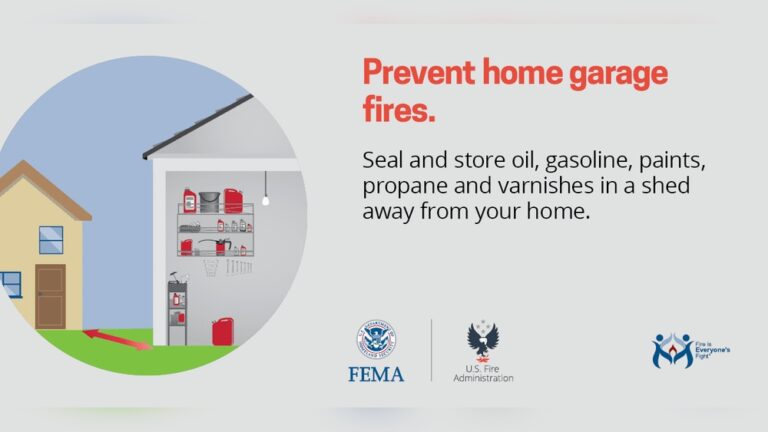
Dryer lint is a leading cause of laundry fires. If lint builds up in a garage, it only takes a spark to start a dangerous fire. Garages often store flammable items (paint, gasoline, cleaners), making the risk even higher.
Air Quality And Safety
Dryer exhaust can carry chemicals from detergents and fabric softeners. Breathing these in a closed garage is unhealthy, especially for children or people with allergies.
- Some dryers, especially gas dryers, also produce carbon monoxide
- Carbon monoxide is colorless and odorless—even small amounts are dangerous
Credit: www.hgtv.com
What Do Building Codes Say?
Most building codes are clear: dryers must be vented outside. This is to protect both your property and your health.
Here’s a quick comparison of what codes allow:
| Venting Location | Allowed by Code? | Risks |
|---|---|---|
| Outside (wall/roof) | Yes | Low |
| Garage | No | High (moisture, fire) |
| Attic/Crawlspace | No | High (mold, fire) |
| Indoor Lint Trap (temporary) | Sometimes | Moderate |
Local codes may differ, but almost all U.S. cities ban venting dryers into garages. If you ignore this rule, you could face fines or problems when selling your home.
Common Myths About Dryer Venting
Beginners often hear shortcuts or tips that sound helpful but aren’t safe. Here are some common myths:
1. “it’s Just Temporary.”
Even short-term venting into a garage can cause damage or mold.
2. “my Garage Is Big Enough.”
Size doesn’t matter—moisture and lint spread fast.
3. “i’ll Just Clean Up The Lint.”
Some lint becomes airborne and settles where you can’t see.
4. “it’s Better Than Venting Into The Attic.”
Both are dangerous. Only outside venting is safe.

Credit: 4seasonsaircare.com
Real-world Examples
- A homeowner vented their dryer into the garage for one winter. By spring, they found black mold on boxes and tools, and paint peeling from the walls.
- In another case, lint buildup near a water heater ignited, causing a garage fire. The insurance refused to pay due to code violations.
What Are Safe Alternatives?
If venting outside seems impossible, there are still safer options.
Extend Your Vent Duct
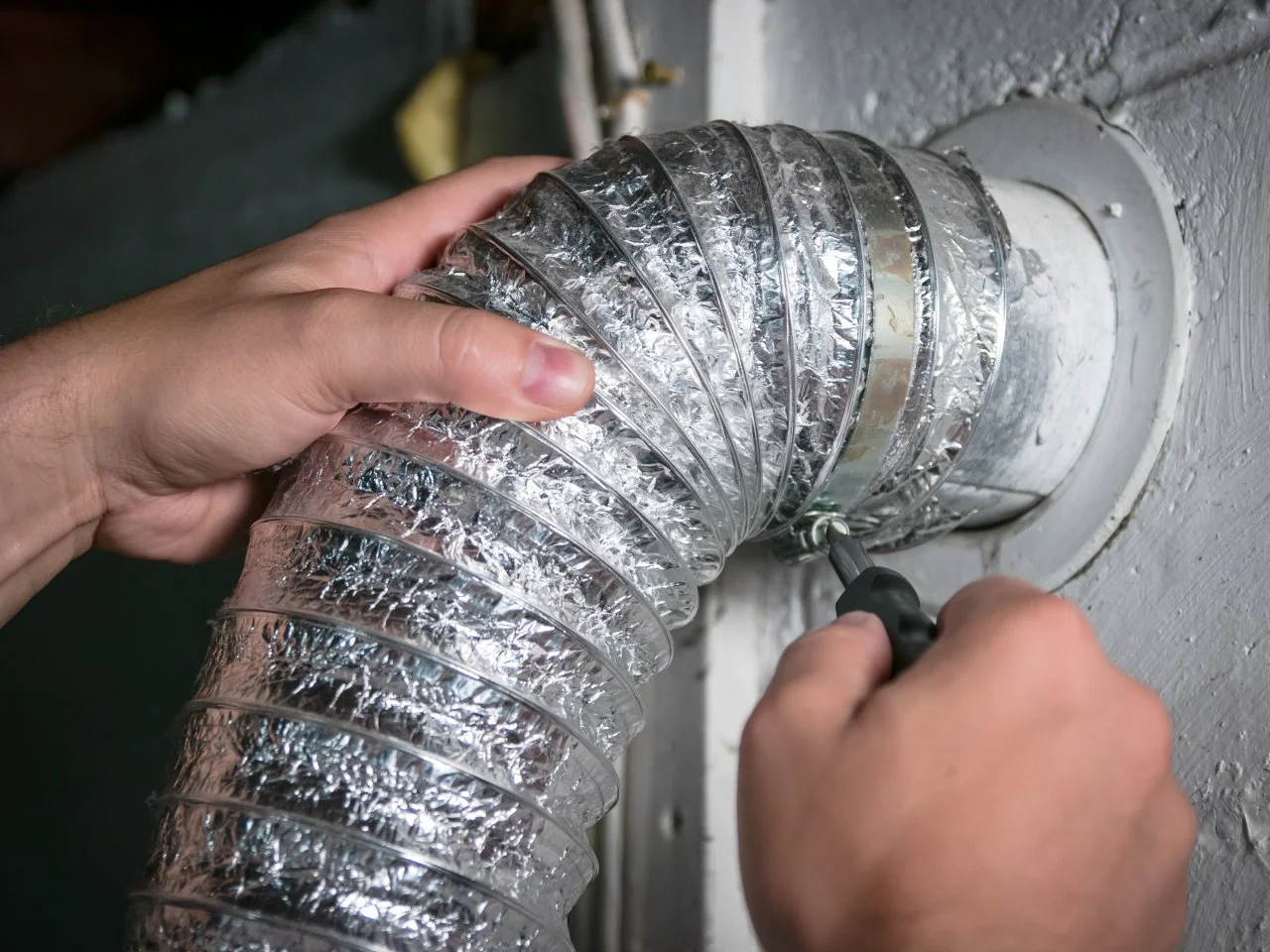
You may be able to run a vent pipe through a wall or window to the outside. Flexible metal ducts or rigid metal ducts are best.
- Keep the vent as short and straight as possible
- Avoid plastic or foil ducts—they catch fire easily
Indoor Lint Traps
Some people use indoor lint traps. These devices catch lint and trap some moisture, but they’re only for electric dryers, not gas dryers. Even then, use them as a temporary fix, not a permanent solution.
Heat Pump Dryers
Heat pump dryers do not need outside venting. They recycle air and collect water in a tank. These machines cost more but are ideal for homes where venting is difficult.
| Dryer Type | Venting Needed | Energy Efficiency |
|---|---|---|
| Traditional (electric/gas) | Yes | Moderate |
| Heat Pump | No | High |
| Condenser Dryer | No (water tank) | Moderate |
Practical Tips For Safe Dryer Venting
1. Clean The Lint Trap After Every Load.
This keeps the air moving and prevents clogs.
2. Inspect The Vent Duct Every Six Months.
Remove lint, dirt, and any blockages.
3. Use Rigid Or Semi-rigid Metal Ducts.
These resist crushing and are less likely to catch fire.
4. Keep Vent Ducts Short And Straight.
Long, twisted vents slow down airflow and build up lint.
5. Check The Outside Vent Flap.
Make sure it opens easily and is not blocked by leaves or dirt.
6. Never Vent Into Attics, Crawlspaces, Or Garages.
These places can’t handle moisture or lint safely.
How Much Moisture Does A Dryer Release?
A full dryer load can produce up to one gallon (about 3.8 liters) of water vapor. If you vent this into a garage, you add several gallons of water to the air every week.
Example:
- 4 loads per week = 4 gallons of extra water in your garage
- Over a month, that’s 16 gallons (enough to fill a large bucket)
This much moisture turns your garage into a damp space, increasing mold and rust risks.
Comparing Risks: Garage Vs. Outdoor Venting
Here’s how venting into a garage compares with proper outdoor venting:
| Factor | Garage Venting | Outdoor Venting |
|---|---|---|
| Moisture Risk | High | Low |
| Fire Hazard | High | Low |
| Air Quality | Poor | Good |
| Code Compliance | No | Yes |
| Home Value Impact | Negative | Neutral/Positive |
What If Outdoor Venting Isn’t Possible?
Sometimes, older homes or condos make outdoor venting hard. If this is your situation:
- Ask a licensed contractor to check your options
- Consider installing a ventless dryer
- Use an indoor lint trap for a short time (electric dryers only)
- Never vent a gas dryer indoors—this can be deadly
Non-obvious tip:
If your garage connects to your house, moisture and lint can travel inside, affecting indoor air and causing hidden mold.
The Cost Of Doing It Wrong
Fixing moisture or fire damage is expensive. Mold removal can cost $500 to $6,000 depending on the size of the problem. Repairing fire damage may be even more costly—and home insurance might deny your claim if you vented the dryer illegally.
Selling your home?
Home inspectors almost always check dryer vents. An improper vent can delay or block a sale.
Why Some People Still Do It
Some people vent their dryer into the garage because:
- It seems faster and cheaper
- They don’t know the risks
- The outside wall is far away
But the short-term convenience can create major costs later.
Non-obvious insight:
Even if you never see visible mold or damage, moisture and lint can hide behind walls, above ceilings, or inside stored items. Problems may only become clear after years.

Credit: forum.nachi.org
Best Practices For Safe Dryer Venting
- Always vent dryers outdoors, using metal ducts
- Clean ducts and vents at least once a year
- Check local building codes before making changes
- For difficult spaces, consider new dryer technology
For more on dryer safety standards, see this US Consumer Product Safety Commission guide.
Frequently Asked Questions
Why Is Venting A Dryer Into A Garage Dangerous?
Venting into a garage releases moisture and lint into an enclosed space. This leads to mold, rust, and an increased fire risk. The air quality also drops, and if it’s a gas dryer, carbon monoxide can build up.
Can I Use An Indoor Lint Trap Instead Of Outdoor Venting?
You can use an indoor lint trap for a short time with electric dryers only. These traps catch most lint but not all moisture. For long-term safety and efficiency, outdoor venting is still best.
Are There Dryers That Don’t Need To Be Vented Outside?
Yes, heat pump dryers and condenser dryers do not need external vents. They are more energy-efficient but usually cost more upfront. These are good choices if outside venting isn’t possible.
Does Venting Into The Garage Affect My Home’s Value?
Yes, improper venting can lower your home’s value. Home inspectors often flag this as a safety issue. It can delay sales or lower offers from buyers.
What Should I Do If My Dryer Currently Vents Into The Garage?
Switch to outdoor venting as soon as possible. If you can’t, ask a contractor about ventless dryer options. Clean up any lint or moisture damage and check for mold. Make sure your home is safe and code-compliant.
Venting a dryer into a garage might look easy, but it brings serious risks you can’t ignore. Choosing the right venting method keeps your home safe, dry, and comfortable for years to come.