
A garage door opener is a familiar device in many homes, but most people never think about how it works until something goes wrong. If you’re curious or planning to install or troubleshoot one, understanding the basics can save you time and money.
Let’s break down how a garage door opener works, using simple language, real-life examples, and easy-to-understand comparisons.
What Is A Garage Door Opener?
A garage door opener is an electric motorized device that opens and closes your garage door with a button, remote, or smartphone app. It makes daily life more convenient and adds a layer of security to your home.
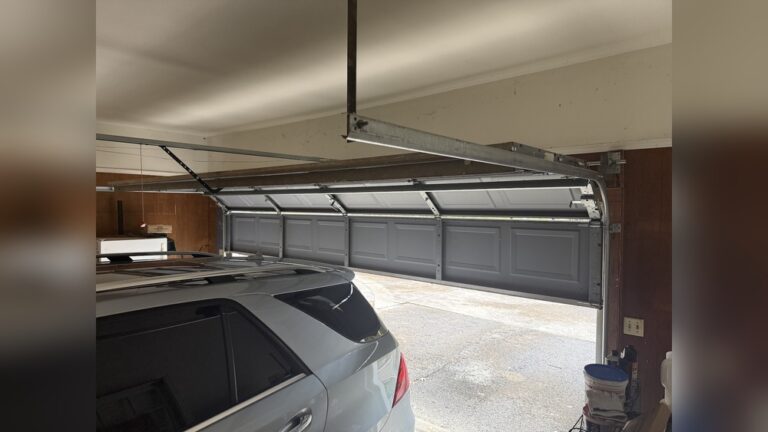
Most modern garage door openers are installed on the ceiling of the garage. They connect to your door through a series of arms, tracks, and springs, turning a heavy manual task into a simple push-button operation.
Main Components Of A Garage Door Opener
To understand how a garage door opener works, you need to know its main parts:
- Motor Unit: Powers the mechanism.
- Drive Mechanism: Moves the door up and down.
- Remote Controls: Allow wireless operation.
- Sensors: Detect obstacles for safety.
- Track System: Guides the door’s movement.
- Emergency Release Cord: Lets you open the door by hand during power outages.
Let’s look at each part more closely.
The Motor Unit
The motor unit is the heart of the garage door opener. It contains an electric motor (usually 1/2 to 1 horsepower for home use). When activated, it turns gears and drives the whole system.
- For a standard double garage door (16 feet wide), a 1/2 HP motor is enough.
- Heavier doors, like solid wood or insulated steel, may need 3/4 HP or more.
Drive Mechanisms Explained
The drive mechanism transfers power from the motor to the door. There are three main types:
- Chain Drive: Uses a metal chain, like a bicycle. Durable but noisy.
- Belt Drive: Uses a rubber belt. Quieter and smoother.
- Screw Drive: Uses a threaded steel rod. Requires less maintenance.
Here’s a quick comparison:
| Drive Type | Noise Level | Maintenance | Cost | Best For |
|---|---|---|---|---|
| Chain | High | Medium | Low | Detached garages |
| Belt | Low | Low | Medium | Attached garages |
| Screw | Medium | Low | Medium | Wide doors |
Remote Controls And Wall Switch
Most garage door openers come with:
- Handheld remote controls
- Keypad entry systems
- Wall-mounted switches
The remotes use radio signals to communicate with the opener. The wall switch offers a backup and is usually wired directly to the motor.
Safety Sensors
Modern garage door openers use photoelectric sensors near the bottom of the door. These sensors:
- Send an invisible beam across the door opening.
- Stop and reverse the door if something (like a child or pet) breaks the beam.
Tip: Dirty sensors or misalignment are common reasons why a door won’t close.
Track System And Rollers
The track system consists of metal rails that guide the garage door as it moves. Rollers attached to the door fit into these tracks. Smooth movement depends on well-lubricated rollers and straight tracks.
Emergency Release
The red emergency release cord hangs from the opener’s arm. Pulling it disconnects the door from the motor—essential during a power outage. You can then open or close the door by hand.

Credit: www.tiptopgaragedoors.com
How The Opening And Closing Process Works
When you press your remote or wall switch, a few things happen in sequence:
- Signal Sent: The remote or keypad sends a radio signal (usually 315 or 390 MHz).
- Motor Activates: The opener’s receiver picks up the signal, activating the motor.
- Drive Mechanism Moves Door: The drive (chain, belt, or screw) pulls or pushes the door along the tracks.
- Limit Switches: Built-in switches tell the motor when to stop, so the door doesn’t over-travel.
- Safety Sensors Check: If sensors detect anything in the way, the door reverses.
- Automatic Lights: Many openers turn on a light for safety and convenience.
Example: If you’re coming home with groceries, you press the remote, the opener “hears” the signal, and the door rises automatically. If your cat walks under the door, the sensors stop it from closing.
Types Of Garage Door Openers
While drive type is important, there are also different garage door opener styles:
- Ceiling-Mounted (Trolley): Most common in homes.
- Wall-Mounted (Jackshaft): Mounted beside the door, good for low ceilings.
- Smart Openers: Connect to Wi-Fi for app and voice control.
Here’s a side-by-side look:
| Opener Style | Location | Best Feature | Common Use |
|---|---|---|---|
| Trolley | Ceiling | Affordable, universal fit | Most homes |
| Jackshaft | Wall | Saves ceiling space | High or sloped ceilings |
| Smart Opener | Ceiling or wall | Remote control by phone | Smart homes |
How Garage Door Remotes And Security Work
Modern garage door openers use rolling code technology. This means:
- Every time you use the remote, the code changes.
- Prevents thieves from copying or intercepting your code.
- Your opener and remote “talk” to each other using synced codes.
Non-obvious Insight: Many older openers (before 1993) used fixed codes, making them easy targets for code-grabbing devices. If your opener is over 30 years old, consider an upgrade for better security.
Power Source And Backup
Most garage door openers run on standard 120V household electricity. Some newer models include:
- Battery backup: Lets you operate the door during power outages.
- Solar options: For garages not connected to the grid.
Example: In California, all new garage door openers sold after 2019 must include battery backup due to wildfire risks.

Credit: store.geniecompany.com
How Springs Assist The Opener
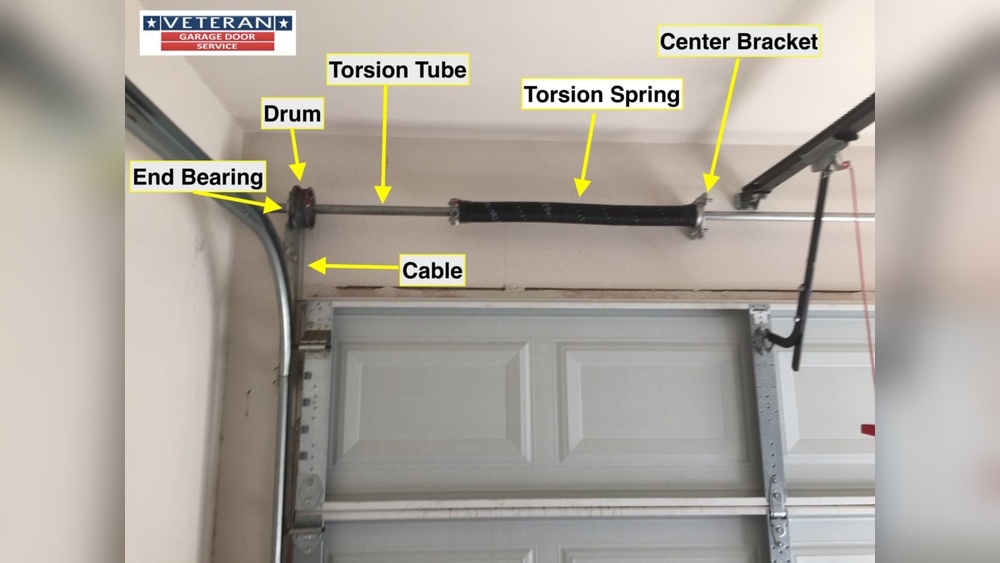
A common misconception is that the opener does all the lifting. In reality, torsion or extension springs do most of the work. The opener just guides the door.
- Torsion springs (above the door) twist to store energy.
- Extension springs (alongside the door) stretch and contract.
Tip: If your door is hard to lift by hand, the springs may be worn out. For safety, only trained professionals should replace garage door springs.
Common Problems And Quick Fixes
Understanding how your opener works helps you spot and fix simple issues.
Door won’t close?
- Check if sensors are blocked or dirty.
- Look for blinking lights on the opener unit.
Remote not working?
- Replace batteries.
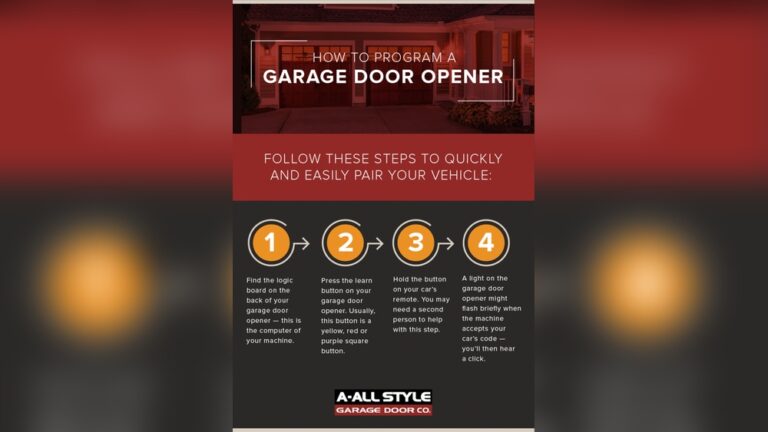
- Re-sync remote to opener.
Door is noisy?
- Lubricate chain/belt and rollers.
- Tighten loose bolts.
Opener hums but door doesn’t move?
- Check if the door is locked.
- Look for a tripped emergency release.
Non-obvious Insight: Many problems can be solved with basic troubleshooting. Reading your owner’s manual can prevent expensive service calls.
How To Choose The Right Garage Door Opener
If you’re buying a new opener, think about these factors:
- Door size and weight: Heavier doors need more horsepower.
- Noise tolerance: Belt drives are quietest.
- Ceiling height: Wall-mounted openers save space.
- Smart features: Wi-Fi and app control add convenience.
- Battery backup: Useful in areas with frequent outages.
Common Mistake: Choosing the cheapest model can lead to frustration. Match the opener’s power and features to your needs.
Maintenance Tips For Long Life
A garage door opener can last 10–15 years with simple maintenance:
- Lubricate moving parts: Every 6–12 months.
- Test safety sensors: Place an object under the door and try closing.
- Check balance: Disconnect opener and lift door by hand. It should stay halfway up.
- Tighten hardware: Vibration can loosen bolts and screws.
Tip: Schedule professional inspection every few years, especially for spring and cable checks.

Credit: localgaragedoors.co
Real-world Data: Cost And Lifespan
- Average cost to install: $300–$500, including parts and labor.
- Typical lifespan: 10–15 years with regular maintenance.
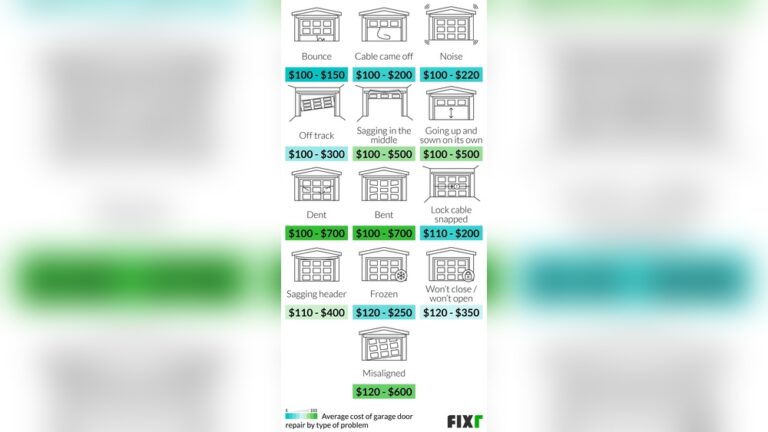
- Repair costs: Minor fixes (like sensor replacement) can be $50–$100.
Example: Replacing a broken chain drive is usually cheaper than swapping the motor or drive system.
Environmental And Safety Benefits
Modern garage door openers offer more than just convenience:
- LED lighting: Saves energy.
- Automatic reversal: Prevents injuries.
- Smart monitoring: Alerts you if the door is left open.
Fact: According to the U.S. Consumer Product Safety Commission, automatic reversal systems have reduced garage door-related accidents by over 50% since the 1990s.
When To Call A Professional
Some repairs and installations should be left to experts:
- Spring replacement: High tension can cause injury.
- Complex wiring or smart features: Ensure safe and correct setup.
- Door out of balance: May require re-hanging or track adjustment.
Tip: Read your warranty—DIY repairs can void coverage in some cases.
Trusted Resources
For more technical details and safety advice, see the Wikipedia page on garage door openers.
Frequently Asked Questions
What Type Of Garage Door Opener Is The Quietest?
Belt drive openers are usually the quietest. They use a rubber belt instead of a metal chain, making them perfect for garages attached to living areas.
How Do I Know If My Garage Door Opener Needs To Be Replaced?
Look for these signs:
- The door moves slowly or struggles to open.
- The opener is over 15 years old.
- Unusual noises or vibrations.
- Safety sensors no longer work.
Can I Install A Garage Door Opener Myself?
Yes, many openers are DIY-friendly, especially if you’re comfortable with basic tools and electrical work. However, for wiring, spring adjustment, or smart features, professional installation is safer and often required by warranty.
Why Does My Garage Door Reverse Before Closing?
This usually means something is blocking the safety sensors or they are misaligned. Check for dirt, objects in the way, or sensor lights blinking.
How Can I Make My Garage Door Opener More Secure?
- Upgrade to a model with rolling code technology.
- Change default codes on keypads.
- Use a smart opener with app alerts.
- Keep remotes out of sight in your car.
A garage door opener is a smart, safe investment that adds value and peace of mind to your home. With a basic understanding, you can handle simple problems, make better buying decisions, and keep your system running smoothly for years.