
Garage door springs are small parts with a big job. They help lift and lower your heavy garage door smoothly. When these springs break or wear out, your garage door might become very hard to open. Sometimes, it may not open at all. Many homeowners do not notice the springs until there is a problem. Fixing or replacing garage door springs is not just about comfort. It is important for safety, too. This article will explain everything you need to know about garage door springs repairs in simple, clear words.
How Garage Door Springs Work
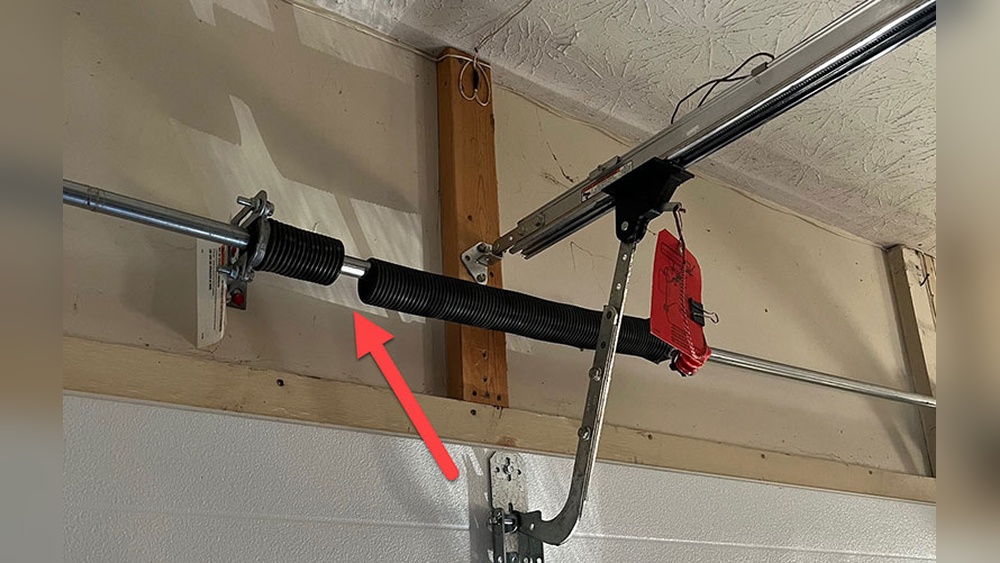
Garage doors are heavy—some can weigh over 200 pounds. The springs do most of the work to help you lift that weight. There are two main types:
- Torsion springs: These sit above the garage door and twist to provide lifting force.
- Extension springs: These are found on both sides of the door and stretch to help lift the door.
When you press your garage door opener, the springs unwind or stretch, making it easy for the motor (or your hand) to lift the door.
Key insight: If your springs break, the door opener motor can burn out from trying to lift the whole door’s weight. That’s why fixing springs fast saves you money and prevents bigger problems.
Signs Your Garage Door Springs Need Repair
You don’t have to wait for the door to stop working completely. Look for these signs:
- The garage door opens slowly or only partway.
- You hear a loud bang in the garage (a spring may have snapped).
- The door looks crooked or unbalanced.
- The cables on the sides look loose or out of place.
- The door is heavy and hard to lift by hand.
Real example: If you usually lift your door with one hand and suddenly need both hands, a spring may be failing.
Types Of Garage Door Springs
Understanding the type of spring helps you know what kind of repair is needed.
| Type | Location | Life Expectancy | Common Use |
|---|---|---|---|
| Torsion Spring | Above Door | 10,000 – 20,000 cycles | Modern Homes |
| Extension Spring | Along Sides | 5,000 – 10,000 cycles | Older Homes |
- Torsion springs last longer and are safer if they break, as they stay in place.
- Extension springs are cheaper but can snap off with force if they fail.
Non-obvious tip: “Cycle” means one full opening and closing of the door. If you use your door four times a day, a 10,000-cycle spring may last around seven years.
Why Garage Door Springs Break
Springs do not last forever. Here are the main reasons they fail:
- Wear and Tear: Every time you open and close the door, the spring gets weaker.
- Rust: Moisture causes rust, which eats away at the metal.
- Poor Maintenance: Not oiling the springs makes them work harder.
- Wrong Size: Using the wrong type or size of spring means extra stress and faster failure.
- Temperature Changes: Extreme heat or cold can make springs brittle.
Practical data: Most springs break during cold weather because metal contracts and becomes more likely to snap.
Safety Risks Of Broken Garage Door Springs
Fixing garage door springs is dangerous if you do not know what you are doing. The springs are under a lot of tension. If they break free, they can cause serious injury.
- Springs can snap and fly across the room.
- The door can fall suddenly, hurting people or damaging your car.
- Using the opener with broken springs can destroy the motor.
Important advice: If you hear a loud bang or see a broken spring, do not try to open the door. Call a professional or follow safety steps very carefully.
Diy Vs Professional Repair
Some homeowners try to repair springs themselves to save money. Is it worth the risk? Let’s compare:
| DIY Repair | Professional Repair |
|---|---|
| Cheaper up front | More expensive but safer |
| High risk of injury | Low risk to you |
| May use wrong spring size | Correct parts and tools |
| No warranty | Usually comes with warranty |
Expert tip: Most injuries happen not while removing the old spring, but while installing the new one and winding it up.
Step-by-step: What Happens During A Garage Door Spring Repair
If you call a pro, here is what you can expect:
- Inspection: The technician checks which spring is broken and examines the door for other damage.
- Choose the Right Spring: They measure the old spring to get the correct size and strength.
- Release Tension: The old spring’s tension is carefully released.
- Remove Old Spring: The broken spring is taken off.
- Install New Spring: The new spring is put in place and attached.
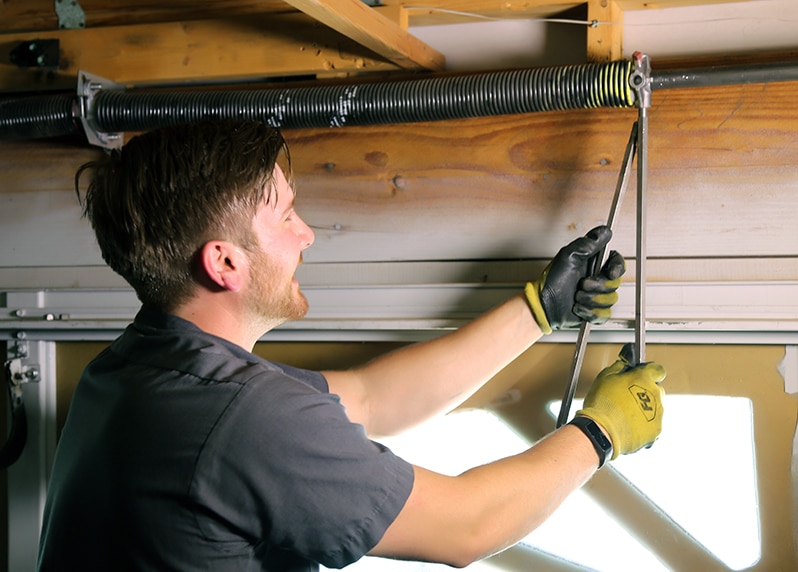
- Wind the Spring: The technician winds the spring to the right tension.
- Test the Door: The door is opened and closed to check balance.
- Lubricate: Moving parts are lubricated to reduce future wear.
Non-obvious insight: If one spring breaks, the other is often close to failing too. Many pros recommend replacing both springs at the same time.
How Much Does Garage Door Spring Repair Cost?
Costs can vary based on door size, type of spring, and your location.
- Extension spring replacement: $100–$200 (parts and labor)
- Torsion spring replacement: $150–$350 (parts and labor)
- DIY repair kits: $30–$100 (parts only, not including tools)
Extra costs:
- Heavy doors or custom sizes can cost more.
- Emergency service calls (nights/weekends) may be higher.
Example: A two-car garage with torsion springs in a large city may cost $250–$350 for both springs replaced by a pro.
How To Maintain Garage Door Springs
Regular maintenance helps springs last longer and keeps your door safe. Here’s what you can do:
- Lubricate the springs every 6 months with garage door spray lubricant.
- Check balance: Disconnect the opener and lift the door halfway. If it stays in place, the springs are balanced.
- Look for rust: Wipe springs with a rag and add oil if you see rust.
- Listen for noise: Squeaking or grinding means it’s time to lubricate.
- Inspect cables and rollers while checking springs for fraying or damage.
Expert tip: Do not use WD-40 on springs. Use a special garage door lubricant for best results.
Common Mistakes When Repairing Garage Door Springs
Many beginners make costly or dangerous mistakes. Here’s what to avoid:
- Using the wrong size or type of spring
- Not releasing the spring tension before removing
- Installing springs unevenly, which makes the door unbalanced
- Forgetting to check the cables and other moving parts
- Trying to do everything alone without help or proper tools
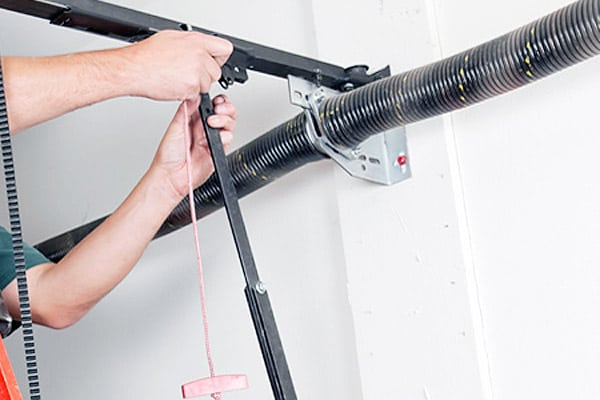
Practical example: A homeowner replaced only one spring, and the new door was crooked. Always replace both for smooth action.
Credit: megadoortx.com
How To Choose The Right Garage Door Spring
Choosing the right spring is not guesswork. You need to match the weight, height, and track type of your door.
- Torsion springs: Measure the length, inside diameter, and wire thickness.
- Extension springs: Match the color code on the spring (this shows strength).
If you’re unsure, take a picture of your door and springs and show it to a garage door supplier or pro.
Helpful tip: Springs come in left-wound and right-wound types. Installing the wrong direction will not work.
How Long Do Garage Door Springs Last?
The life of a garage door spring is measured in cycles.
- Standard springs: 10,000 cycles
- Heavy-duty springs: 20,000+ cycles
If you use your garage door 4 times a day, a 10,000-cycle spring should last about 7 years. More frequent use means shorter life.
Data point: Some high-cycle springs can last up to 20 years with good maintenance and moderate use.
Credit: heritagedoor.com
When To Replace, Not Repair
Springs cannot usually be fixed—only replaced. Replace your springs when:
- The spring is broken in two pieces
- There is visible rust or thinning metal
- The door will not stay open by itself
If your door is old and has had many repairs, consider replacing the whole spring system for safety.
What To Do If Your Garage Door Spring Breaks
If you hear a bang or see a broken spring, follow these steps:
- Do not try to open the door with the opener.
- If the door is open, do not try to close it—wait for help.
- Keep children and pets away from the area.
- Call a professional for repair or replacement.
Safety reminder: Never try to lift a heavy door alone. You can get hurt or damage the door.
Environmental Impact And Recycling
Broken garage door springs are made of steel. Most can be recycled.
- Take old springs to a local recycling center.
- Some repair companies will recycle them for you.
- Do not throw metal springs in the regular trash.
Interesting fact: Recycling steel saves energy and helps the environment.
When Should You Call A Professional?
While some handy homeowners can do small repairs, call a pro if:
- You do not have the proper tools.
- You are not sure which spring to buy.
- The door is very heavy or large.
- You see other damage to the door or opener.
Pro insight: Many professionals offer a warranty on their work, giving you peace of mind.
For more detailed information on garage door springs, visit this Wikipedia page.
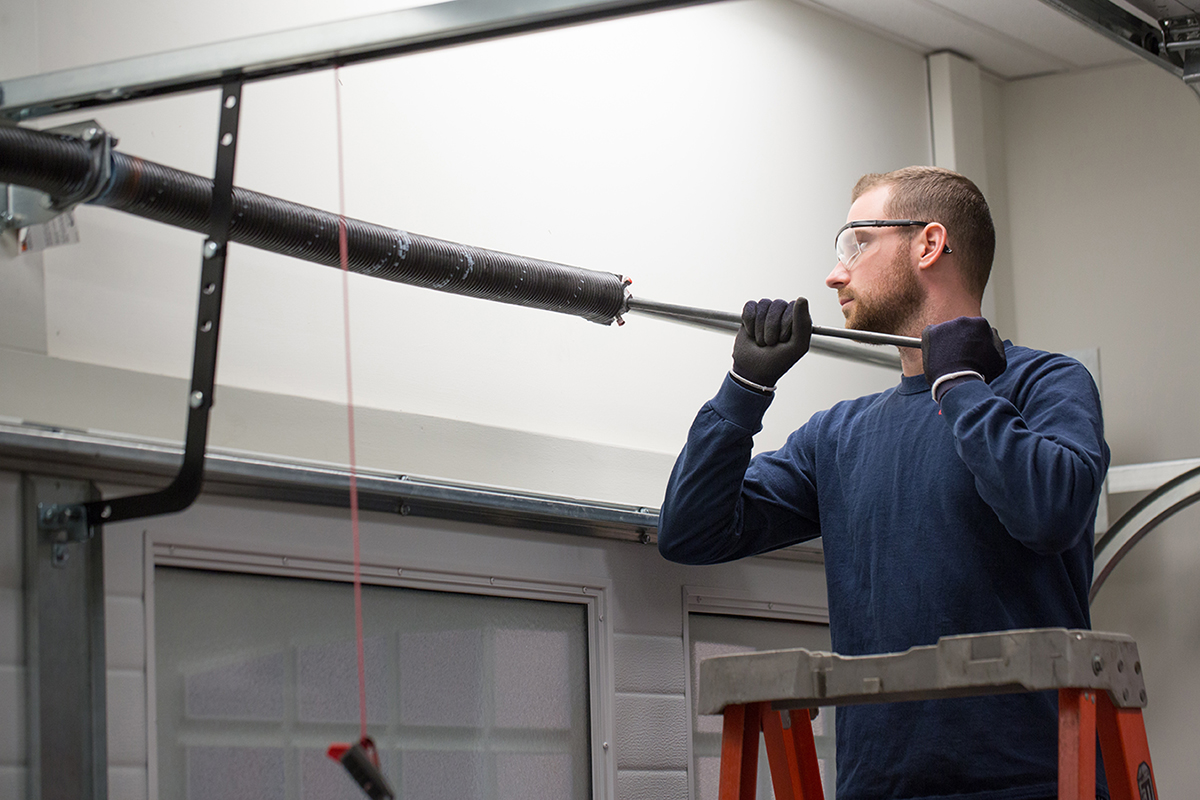
Credit: overheaddoorspringfield.com
Frequently Asked Questions
What Happens If I Use My Garage Door With A Broken Spring?
The opener will work much harder, which can burn out the motor. The door may also fall suddenly, which is dangerous.
Can I Replace Only One Spring, Or Do I Need To Change Both?
It is best to replace both springs at the same time. If one has broken, the other is probably close to failing too.
How Do I Know What Size Spring I Need?
Measure the old spring’s length, inside diameter, and wire size. Or, check the color code on extension springs. If unsure, ask a professional.
How Often Should I Lubricate My Garage Door Springs?
Lubricate every 6 months with a special garage door lubricant. This helps prevent rust and keeps the springs working smoothly.
Are There Any Warning Signs Before A Spring Breaks?
Yes. Listen for strange noises, notice if the door feels heavier, or look for a crooked door. These are all signs the springs may be failing.
Garage door springs are small but very important parts of your home. Repairing or replacing them quickly can save you money and keep your family safe. If you are not sure what to do, it is always better to call a professional than to risk injury.
With proper care and attention, your garage door will work smoothly for many years.