

Old Mans Garage: The Beginner’s Guide
Many people dream of having a small workshop or garage where they can fix cars, try new tools, and work on simple projects. The idea of Old Mans Garage is more than just a place to park a car. It’s a space full of stories, tools, and hands-on learning. Whether you want to start fixing your own car, save money on repairs, or just enjoy a new hobby, understanding how a classic garage works can open a world of possibilities.
This guide explains what makes an “Old Mans Garage” special, what you need to start your own, how to use basic tools, and how to avoid beginner mistakes. You’ll learn how to choose the right equipment, set up your space, and even discover a few tips that most beginners miss.
Let’s get your hands dirty and learn the basics of a real working garage.
What Is An Old Mans Garage?
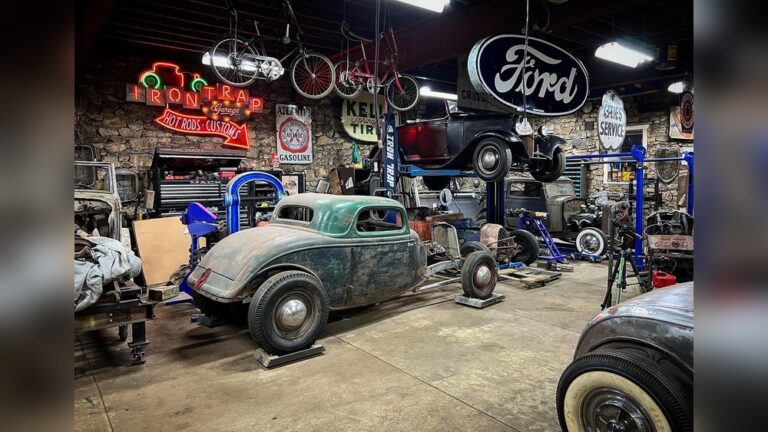
The term “Old Mans Garage” often means a simple, practical workshop. It’s usually owned by someone who loves fixing things and has years of experience. These garages may look old-fashioned, but they are full of useful tools and smart solutions.
Key features of an Old Mans Garage:
- Practical space: Not fancy, but everything has a purpose.
- Basic tools: Wrenches, screwdrivers, hammers, and sockets.
- Personal touch: Often filled with old parts, signs, and memories.
- Hands-on projects: Cars, bikes, lawn mowers, and even home repairs.
Many people think you need a lot of money to start a garage. In reality, you can build your own space step by step, starting with simple, affordable tools.
Why Start Your Own Garage?
There are many reasons to create your own garage or workshop. Here are the most common:
- Save money: Do your own car repairs and maintenance.
- Learn new skills: Each project teaches you something new.
- Enjoy a hobby: Working with your hands is relaxing and satisfying.
- Increase home value: A well-organized garage is a bonus for any house.
- Help others: Friends and family will appreciate your skills.
Example: An oil change at a shop may cost $50 or more. Doing it yourself in your garage might only cost $20 for oil and a filter.
Essential Tools For Beginners
A successful garage doesn’t need expensive equipment. Here are the most important tools for starting out:
- Socket set: For loosening and tightening bolts on cars, bikes, and appliances.
- Wrench set: Both open-end and box-end wrenches for different jobs.
- Screwdrivers: Both flathead and Phillips styles.
- Hammer: A basic claw hammer handles many tasks.
- Pliers: Regular, needle-nose, and locking pliers for gripping and cutting.
- Tape measure: For accurate measurements.
- Jack and stands: For safely lifting and supporting a car.
- Work light: Good lighting helps you see details.
Basic Tool Comparison
Here’s a simple table comparing three must-have garage tools for beginners:
| Tool | Main Use | Typical Price Range |
|---|---|---|
| Socket Set | Loosening/tightening bolts | $20 – $80 |
| Jack and Stands | Lifting and supporting vehicles | $40 – $100 |
| Work Light | Illuminating workspace | $10 – $40 |
Non-obvious tip: Buy tools one at a time as you need them, not all at once. This helps spread out costs and ensures you only buy what you’ll use.
Setting Up Your Garage Space
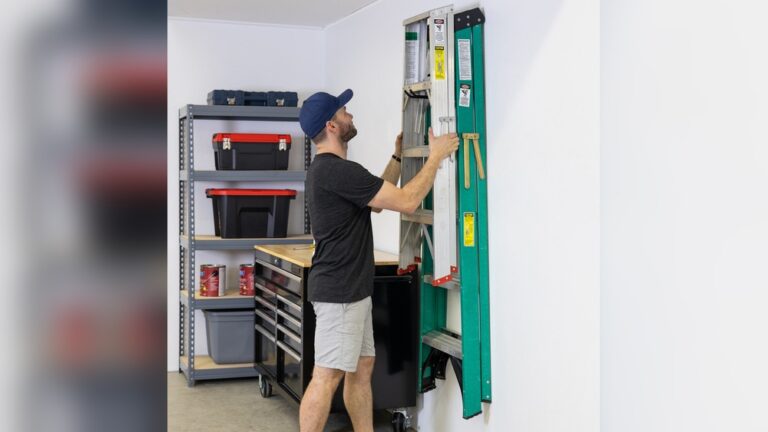
You don’t need a large area to begin. Many people start in a small corner of their garage or even a shed. Focus on making your space:
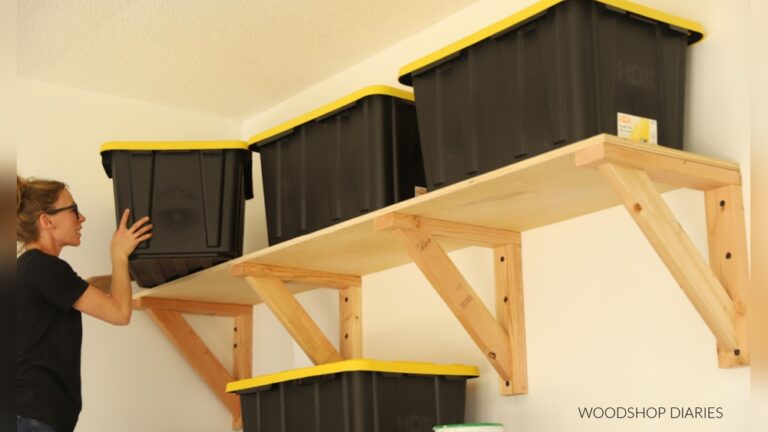
- Organized: Use shelves, pegboards, or toolboxes.
- Clean: Sweep the floor and keep tools in their place.
- Safe: Make sure you have good lighting and remove clutter.
Garage Layout Example
Below is a simple example of how to organize a small garage workspace:
| Area | Main Purpose | Items Stored |
|---|---|---|
| Workbench | Project work | Tools, small parts |
| Wall Shelves | Storage | Paint, fluids, manuals |
| Floor Space | Vehicle repair | Jacks, stands |
Extra insight: A magnetic tool holder on the wall keeps metal tools easy to reach and saves drawer space.
Common Projects For Beginners
A classic Old Mans Garage is perfect for simple do-it-yourself (DIY) tasks. Some easy starter projects include:
- Oil change: Learn to drain old oil and add new oil.
- Replace air filter: This takes five minutes and helps your car run better.
- Change spark plugs: Improves engine performance.
- Fix a bicycle: Adjust brakes, change tires, or lubricate chains.
- Sharpen lawn mower blades: Makes grass cutting easier.
Tip: Start with projects that don’t need special knowledge or rare parts. Watch online videos or ask experienced friends for help.
Safety First: Must-know Tips
Safety is critical in any garage. Even small mistakes can cause injury or damage.
- Wear gloves and safety glasses for every project.
- Never work under a car without strong jack stands.
- Keep a fire extinguisher in the garage.
- Store chemicals (like oil and paint) in closed containers.
- Unplug power tools when not in use.
Quick Safety Gear Comparison
Here’s how basic safety gear compares for protection and cost:
| Gear | Protects Against | Average Price |
|---|---|---|
| Gloves | Cuts, chemicals | $5 – $20 |
| Safety Glasses | Flying debris | $3 – $15 |
| Fire Extinguisher | Fires | $15 – $40 |
Beginner mistake: Never use a car jack by itself—always use jack stands for safety.
How To Learn Fast: Practical Resources
Many people are afraid to start garage work because they feel unskilled. The truth is, learning by doing is the best approach. You can:
- Read repair manuals: These have step-by-step guides.
- Watch online tutorials: YouTube has thousands of repair videos.
- Join forums: Sites like Garage Journal and Reddit’s r/MechanicAdvice offer friendly advice.
- Ask for help: Many local community colleges offer evening classes.
Pro tip: Keep a notebook in your garage. Write down what works and what doesn’t for each project. This helps you learn faster and avoid repeating mistakes.
Avoiding Common Beginner Mistakes
Starting your own Old Mans Garage is exciting, but many new hobbyists run into the same problems. Here’s how to avoid them:
- Buying too many tools: Start with basics and expand as you need.
- Ignoring safety: Never skip gloves or glasses, even for “quick” jobs.
- Not labeling parts: Use small bags or boxes to keep screws and bolts sorted.
- Skipping instructions: Always read the car’s manual or tool guide.
- Poor lighting: A dark space leads to mistakes—invest in good lights.
Hidden insight: Many beginners forget to disconnect the battery before working on a car’s electrical system. This can prevent dangerous shocks or short circuits.

Credit: theoldmansgarage.shop
How To Keep Projects Affordable
You don’t have to spend a lot to enjoy your garage. Here are ways to save money:
- Buy used tools: Many good brands last decades and can be found at yard sales or online.
- Reuse parts: Clean and reuse bolts, clamps, and small hardware when safe.
- Share tools: Trade with friends or neighbors.
- Plan projects: Make a list of needed parts before you start.
Example: A new branded wrench set might cost $60, but a used set in good condition can be found for $20.
Upgrading Your Garage Over Time
As you gain experience, you might want to add new features to your garage. Some good upgrades include:
- Air compressor: For power tools and cleaning.
- Tool chest: Makes organizing easier.
- Bench vise: Holds parts steady for cutting or drilling.
- Power tools: Like drills or impact wrenches.
Advice: Upgrade slowly, and only buy new equipment when you know you’ll use it often.

Credit: www.youtube.com
The Social Side Of The Garage
An Old Mans Garage is not just a place to work—it’s a space to connect with others. Many people share their garage with friends, neighbors, or family. You can:
- Work on group projects: Fix a friend’s car together.
- Teach kids or beginners: Pass on your skills to the next generation.
- Host garage sales: Sell old tools or parts.
Community insight: Many towns have “garage nights” where people meet to share tips and help each other with repairs.
Real-world Example: Starting Small And Growing
Let’s look at a real example. John, a retiree, wanted to start fixing his own car. He cleared out one corner of his garage, bought a small toolbox, and started with oil changes. Over the first year, he learned to replace brakes, change batteries, and fix a leaky faucet.
He spent less than $300 on tools and saved over $1,000 in repair bills. Now, his garage is a favorite spot for friends who want to learn and work together.
Lesson: You don’t need to be an expert to start. With time and practice, your skills and your garage will grow.
Where To Find More Information
If you want more ideas or detailed step-by-step instructions, many resources are available. The Wikipedia page on garages has a good overview of types and uses.
Frequently Asked Questions
What Is The First Tool I Should Buy For My Garage?
Start with a socket set. It’s used for many repairs on cars, bikes, and home projects. Choose a set with both metric and standard sizes.
How Much Space Do I Need For A Home Garage?
You can start with as little as 6 feet by 6 feet. Just enough for a small workbench and storage. Expand as needed.
How Do I Learn To Fix Cars If I Am A Complete Beginner?
Watch YouTube tutorials, read your car’s manual, and start with simple projects like oil changes or replacing filters. Practice is key.
Is It Safe To Repair My Own Car At Home?
Yes, if you follow safety rules. Always use jack stands, wear gloves and glasses, and keep your space clean.
Can I Build A Garage On A Tight Budget?
Absolutely. Buy used tools, start small, and add equipment as you learn. Many great garages started with just a few basic tools.
Creating your own Old Mans Garage is one of the best ways to learn new skills, save money, and enjoy hands-on work. Start small, focus on safety, and let your garage become a place for growth and fun.

Credit: www.youtube.com