
Moths in the garage are a problem many people do not expect. You open a box, and suddenly, small moths fly out. Their larvae can chew on fabric, cardboard, and even stored food. Over time, a few moths can become a big infestation.
Getting rid of moths in your garage is not impossible, but it does take some smart steps. In this guide, you’ll learn exactly how to remove moths, prevent their return, and keep your garage safe.
Why Are There Moths In My Garage?
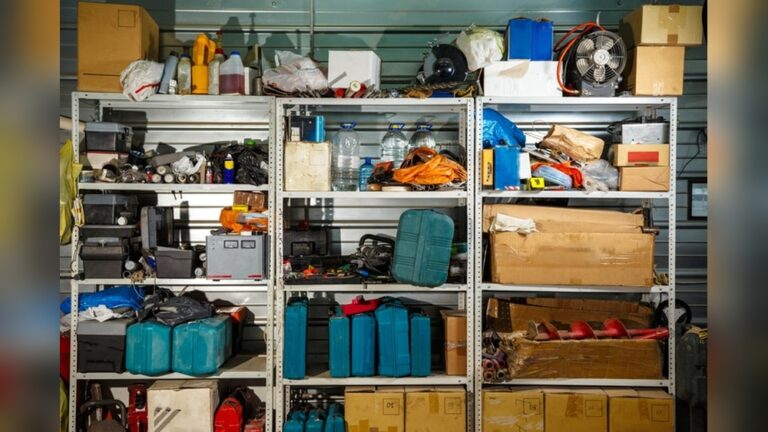
Moths are attracted to garages for several reasons. Most garages are dark, quiet, and rarely disturbed. These conditions are perfect for moths to lay eggs and for larvae to grow.
Common reasons moths enter garages:
- Stored items: Cardboard boxes, clothing, and blankets give moths food and shelter.
- Light at night: Moths are drawn to outdoor lights and may fly inside.
- Open doors: Moths can easily enter if you leave the garage door open at night.
Most people do not realize that even a small food spill can attract pantry moths. Clothes moths love dirty rags or stored wool sweaters. Understanding why moths are in your garage helps you know where to start.
Types Of Moths Found In Garages
Not all moths are the same. The most common types in garages are:
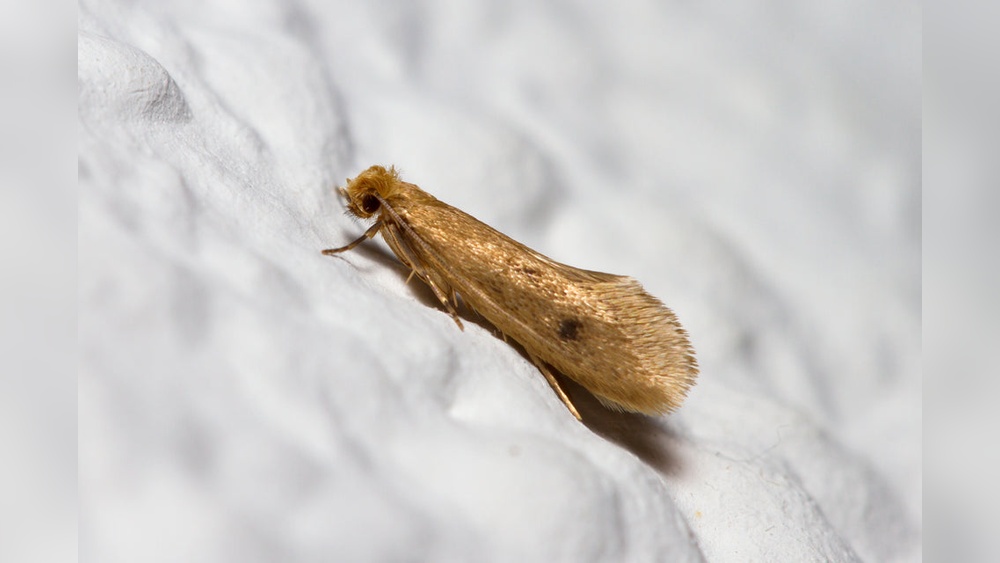
- Clothes moths (*Tineola bisselliella*): Eat natural fibers like wool, silk, or feathers.
- Pantry moths (*Plodia interpunctella*): Target grains, pet food, and cereals.
- Brown house moths (*Hofmannophila pseudospretella*): Feed on both food and fabric.
Here’s a quick comparison:
| Moth Type | Main Target | Where You Find Them |
|---|---|---|
| Clothes moths | Wool, fabric, feathers | Clothes, blankets, old furniture |
| Pantry moths | Grains, cereals, pet food | Food storage bins, pet food bags |
| Brown house moths | Mixed (food + fabric) | Anywhere in clutter |
Knowing the type helps you pick the right solution.
Signs Of A Moth Infestation In Your Garage
You might not see adult moths every day. Instead, look for these signs:
- Webbing or silk threads on boxes or fabrics
- Small holes in clothing, blankets, or stored items
- Larvae (small, white worms) crawling in dark corners
- Cocoons stuck to walls, ceilings, or boxes
- Odd smells near food or textiles
The earlier you notice these signs, the easier it is to act.
Step-by-step: How To Get Rid Of Moths In Your Garage
Let’s break the process down. Each step is simple and beginner-friendly. If you follow these steps, you can remove moths and prevent them from returning.
1. Remove All Items And Inspect
Start by taking everything out of the garage. This lets you see where moths hide.
- Check boxes, bags, and containers for damage.
- Inspect fabrics and food packages for holes or webbing.
- Throw away anything with a heavy infestation.
Pro tip: Moth larvae often hide in folds or seams. Shake out clothes and blankets outside the garage.
2. Deep Clean The Garage
Once the space is empty, clean every corner.
- Sweep or vacuum floors, walls, and ceiling edges.
- Use a vacuum with a HEPA filter to capture eggs and larvae.
- Wipe surfaces with soapy water or a vinegar solution.
Don’t forget to clean under shelves and inside cracks. Moths lay eggs in hidden spots.
3. Wash And Treat Infested Items
For any fabric or clothing that might have moths:
- Wash items in hot water (above 120°F / 49°C).
- Dry on high heat for at least 30 minutes.
- For delicate items, place them in a sealed bag and freeze for 72 hours.
For food, discard anything with webbing or larvae. Clean containers before refilling.
4. Seal Gaps And Entry Points
Moths get in through tiny spaces. Block their entry:
- Seal cracks with caulk or foam.
- Install door sweeps at the base of garage doors.
- Fix broken windows or screens.
Even small holes can let moths inside.
5. Store Items Properly
Moths cannot chew through hard plastic or metal. Store important items in:
- Plastic bins with tight lids
- Metal containers
- Vacuum-sealed bags for clothing
Here’s a simple comparison:
| Storage Type | Moth Protection | Best For |
|---|---|---|
| Cardboard box | Poor | Temporary storage |
| Plastic bin | Excellent | Clothes, blankets |
| Metal container | Excellent | Food, valuables |
6. Use Moth Traps And Natural Repellents
Sticky moth traps help catch adults and reduce numbers.
- Place pheromone traps near problem areas.
- Replace traps every 2-3 months.
Natural repellents like cedar blocks, lavender sachets, and cloves can keep moths away. Place them inside bins or on shelves. These are safe and non-toxic.
7. Control Moisture And Humidity
Moths and larvae need humidity to survive. Keep your garage dry:
- Use a dehumidifier if the garage is damp.
- Fix leaks in the roof or walls.
- Store items off the floor, especially in basements or humid areas.
Check humidity with a cheap hygrometer. Aim for below 50% humidity.
8. Regular Maintenance
A single cleaning is not enough. Make these habits:
- Inspect the garage every month.
- Vacuum and dust corners and shelves.
- Check stored items for new signs of moths.
Catching problems early keeps moths from coming back.
Credit: www.youtube.com
Common Mistakes To Avoid
Beginners often make errors when removing moths. Avoid these:
- Ignoring larvae and eggs: Killing adult moths is not enough. The larvae do the real damage.
- Using only mothballs: Mothballs are not very effective in open spaces and can be harmful to people and pets.
- Leaving food uncovered: Even pet food or birdseed can attract pantry moths.
- Skipping regular checks: Moths return if you stop being careful.
Chemical Vs. Natural Methods
You might wonder if you need chemicals. Here’s a quick look:
| Method | Pros | Cons |
|---|---|---|
| Chemical sprays | Fast, kills on contact | Toxic, can harm pets/children, needs good ventilation |
| Mothballs | Cheap, easy to use | Strong smell, harmful vapors, not good in open garages |
| Natural repellents | Safe, non-toxic, pleasant smell | Need to replace often, slower results |
For most garages, natural repellents and traps work best. Chemical sprays should be a last resort and only for severe infestations.
Credit: www.youtube.com
How Long Does It Take To Get Rid Of Moths?
With fast action, you can clear most moth infestations in 2–4 weeks. Severe cases may take longer if eggs keep hatching. The key is to repeat cleaning and trapping every week until you see no signs for at least one month.
Non-obvious insight: Larvae can hide in tiny cracks and come out weeks later. Keep monitoring even after you think the problem is solved.
How To Prevent Moths From Coming Back
Prevention is easier than fighting a big infestation. Here’s what works:
- Store all clothing, fabric, and food in sealed containers.
- Clean up spills and crumbs right away.
- Use cedar or lavender sachets in storage bins.
- Avoid leaving the garage door open after dark.
- Replace outdoor lights with yellow “bug” bulbs—these attract fewer moths.
If you travel or do not use the garage often, ask someone to check it monthly.
Extra tip: For people who live near fields or wooded areas, moths are more common. Check your garage more often during spring and summer.
Professional Help: When To Call An Expert
Most homeowners can handle moths themselves. But sometimes, a professional is needed:
- If you see hundreds of moths, or larvae everywhere
- If you have expensive items at risk (rugs, antiques)
- If you have allergies or health concerns
Pest control experts use stronger treatments and can find hidden sources. For more details, you can check resources like the EPA’s safe pest control page.
Frequently Asked Questions
How Do I Know If I Have Clothes Moths Or Pantry Moths In My Garage?
Clothes moths usually attack fabrics and leave small holes in clothing or blankets. Pantry moths are found near food storage and leave webbing inside food containers. If you see both types of damage, you may have both moths.
Are Mothballs Safe To Use In The Garage?
Mothballs contain chemicals that can be harmful to people and pets. They also do not work well in large, open spaces like garages. Natural repellents like cedar or lavender are safer and more effective for garages.
How Often Should I Check My Garage For Moths?
Inspect your garage every month. Look for new webbing, larvae, or adult moths. Early checks help you catch problems before they become big infestations.
Can Moths Damage Items Other Than Clothing?
Yes. Moths can damage cardboard boxes, stored food, wool rugs, and even feathers or pet bedding. They will eat anything made from natural fibers or grains.
What Is The Best Way To Store Clothes In A Garage To Avoid Moths?
Use airtight plastic bins or vacuum-sealed bags. Add cedar blocks or lavender sachets inside the bins for extra protection. Never store clothes in cardboard boxes or open bags.
Getting rid of moths in your garage is possible with the right steps. Stay alert, clean often, and store items wisely. With time, you can keep your garage moth-free for good.

Credit: www.moth-prevention.com