
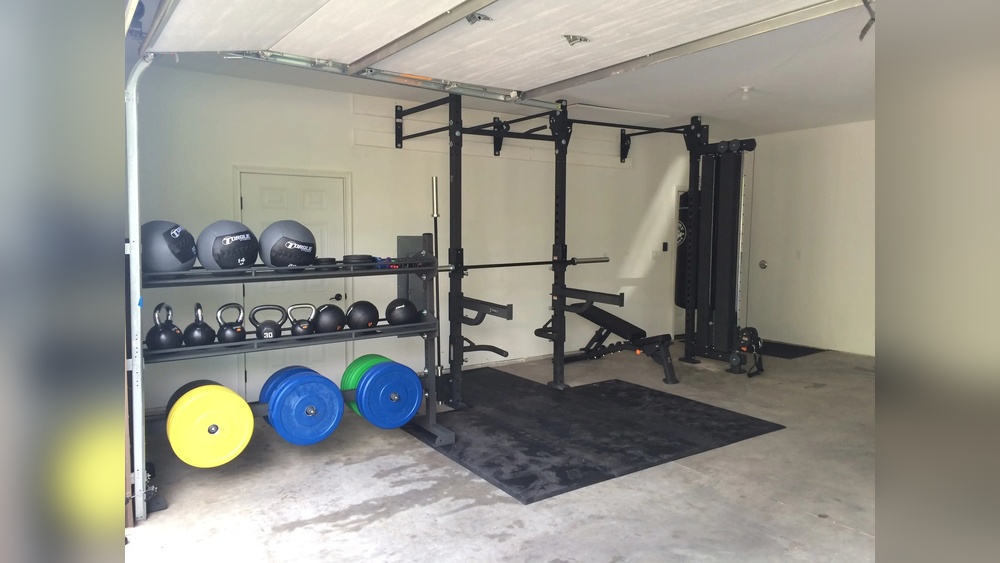
Building a garage gym is one of the smartest ways to make fitness easier, cheaper, and more flexible. Many people struggle to find time for exercise because gyms are far away, crowded, or expensive. With a garage gym, you can train anytime, customize your space, and avoid monthly fees. But planning a good garage gym takes more than just buying equipment. You need clear goals, smart choices, and some practical know-how. Let’s explore how beginners can build a garage gym, what equipment to choose, how to set up the space, and what mistakes to avoid.
Why Choose A Garage Gym?
A garage gym offers many benefits that traditional gyms cannot. Here are some of the main reasons people love garage gyms:
- Convenience: You can work out anytime—early morning, late at night, or during lunch breaks.
- Privacy: No waiting for machines or feeling self-conscious around strangers.
- Cost savings: After the initial setup, you pay no monthly fees. Over time, this can save thousands of dollars.
- Customization: You can choose equipment that fits your goals and style.
- Family fitness: The whole household can use the gym.
According to a 2023 survey by Garage Gym Reviews, over 60% of home gym owners say convenience is their top reason for building a garage gym. Also, studies show that people with home gyms exercise more often, with 2-3 extra sessions per week compared to gym memberships.
Planning Your Garage Gym
Before you buy equipment, start with a plan. Here are key steps:
- Set your fitness goals. Are you training for strength, weight loss, cardio, or sports? Your goals will decide the equipment and layout.
- Measure your space. Most garages are about 200–400 square feet. Mark out the area for your gym. Remember, you need space for movement, not just storage.
- Check your budget. Garage gyms can cost from $500 for basic setups to $5,000+ for advanced builds. Beginners should aim for $1,000–$1,500 for a solid starter gym.
- Consider climate. Garages can be hot, cold, or humid. Plan for fans, heaters, or mats if needed.
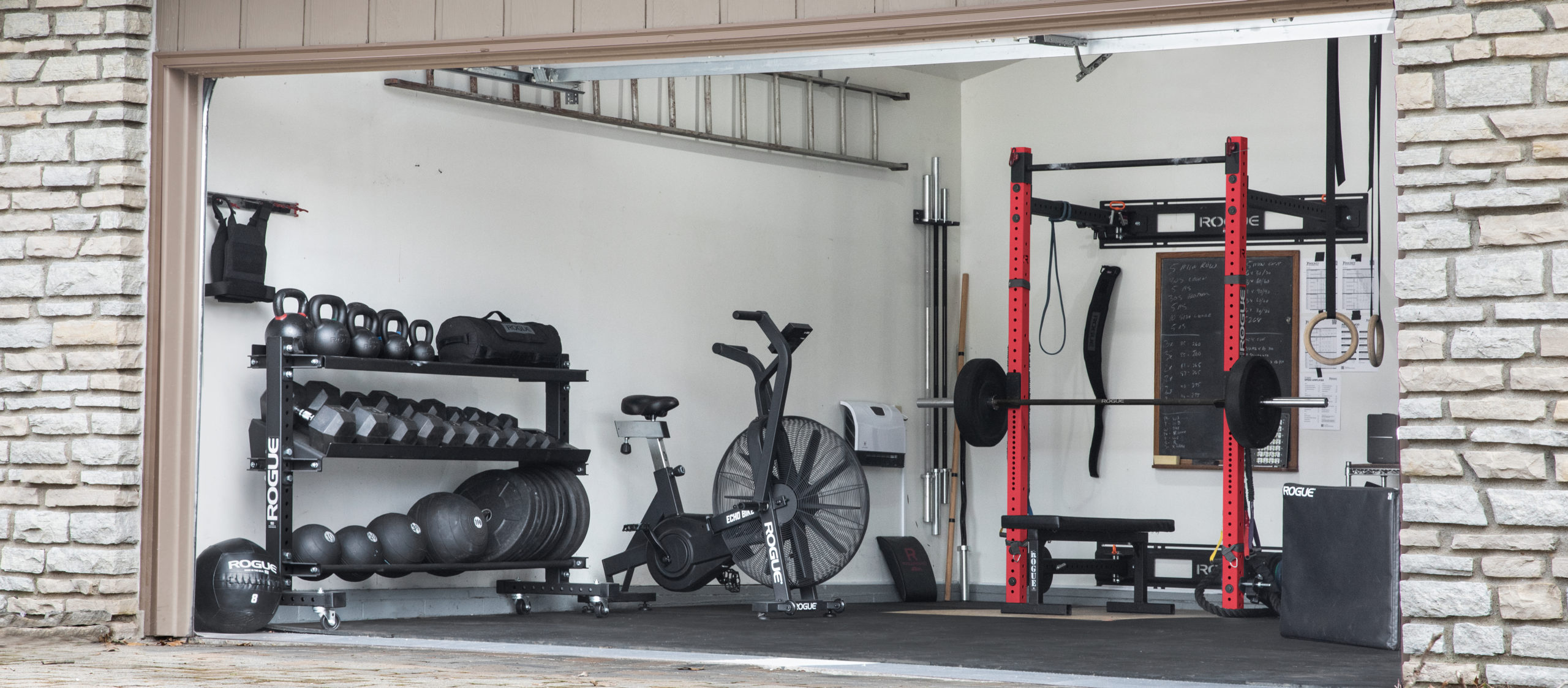
Example: Planning For A 1-car Garage
- Space: About 200 sq ft
- Budget: $1,200
- Goals: Strength + cardio
This setup can fit a barbell, squat rack, bench, dumbbells, jump rope, and a stationary bike.
Credit: www.crossfit.com
Essential Equipment For Beginners
You don’t need every machine or tool. Focus on equipment that gives you the most exercise options.
Must-have Equipment
- Barbell and weight plates: For squats, deadlifts, presses, and rows.
- Squat rack: Safety for heavy lifts. Choose a rack with pull-up bar for extra exercises.
- Adjustable bench: Flat and incline positions for presses and rows.
- Dumbbells: A set from 5–50 lbs covers most beginner needs.
- Jump rope: Cheap cardio tool.
- Resistance bands: Useful for stretching, warm-ups, and light strength work.
- Floor mats: Protect your floor and reduce noise.
Optional Equipment
- Stationary bike or treadmill: For cardio workouts.
- Kettlebells: Great for swings, presses, and functional exercises.
- Medicine ball: Useful for core and explosive movements.
Example Beginner Equipment List
- Barbell + 160 lbs plates: $300
- Squat rack: $250
- Adjustable bench: $120
- Dumbbell set: $200
- Jump rope: $10
- Resistance bands: $30
- Floor mats: $60
- Total: $970
Garage Gym Layout And Setup
A good layout helps you exercise safely and makes your workouts more enjoyable.
Tips For Layout
- Place the squat rack near a wall but leave space for barbell movement.
- Keep dumbbells and smaller equipment in racks or shelves.
- Put cardio machines near outlets and windows if possible.
- Use floor mats under heavy equipment.
- Leave open space for bodyweight moves like push-ups or stretching.
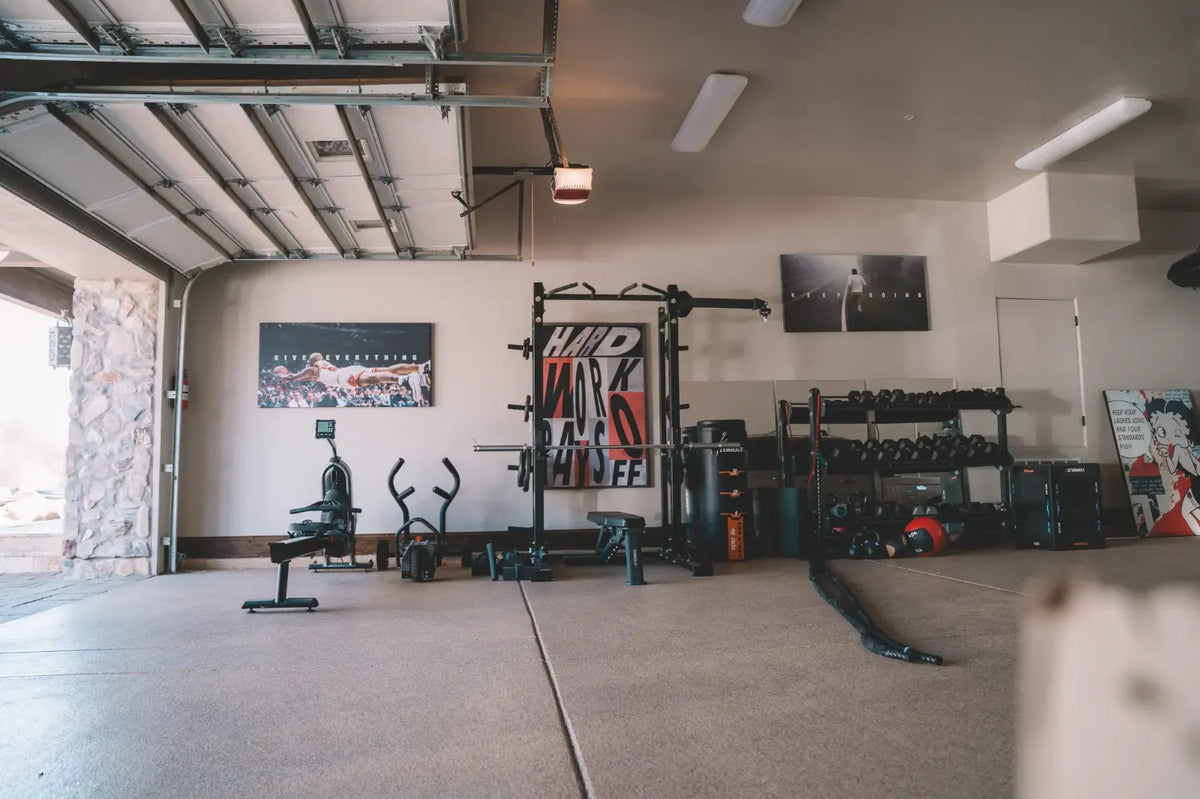
Sample Garage Gym Layout
| Zone | Equipment | Purpose |
|---|---|---|
| Strength Zone | Squat rack, bench, barbell | Lifting, presses, squats |
| Cardio Zone | Bike, jump rope | Warm-up, fat loss |
| Storage Zone | Dumbbells, bands, mats | Easy access, safety |
| Open Space | Floor mats | Stretching, mobility |

Credit: www.reddit.com
Safety And Comfort Tips
A garage gym can be safe and comfortable with a few smart steps.
- Ventilation: Open windows or use fans to keep air fresh.
- Lighting: Use bright LED lights. Dim garages are not safe for lifting.
- Flooring: Rubber mats protect your floor and reduce joint stress.
- Storage: Keep equipment organized to avoid tripping or injury.
- Climate control: Use heaters in winter and fans in summer.
Example: Garage Gym Safety Checklist
- No loose weights on the floor
- Mats under all heavy equipment
- Good lighting in all zones
- Storage racks for dumbbells and plates
- First aid kit nearby
Common Beginner Mistakes
Many beginners make errors that slow their progress or cause injuries. Here are mistakes to avoid:
- Buying too much equipment: Start with basics. Extra machines often go unused.
- Ignoring space: Crowded gyms are unsafe. Leave room for movement.
- Skipping maintenance: Clean and check equipment often. Rust and dust are common in garages.
- Neglecting safety: Always use collars on barbells, and never lift alone if you’re unsure.
Unexpected Insight
Many beginners overlook headroom. If your garage ceiling is low, you may not be able to do overhead lifts or pull-ups. Measure ceiling height before buying a rack or pull-up bar.
Another common miss: Garages often lack mirrors. Mirrors help check form and avoid injuries. Consider installing one for better feedback.
Garage Gym Vs Commercial Gym
A garage gym is not for everyone. Let’s compare with commercial gyms.
| Factor | Garage Gym | Commercial Gym |
|---|---|---|
| Cost (annual) | $200–$2,000 (one-time) | $600–$1,200 (yearly fees) |
| Convenience | Anytime, no travel | Fixed hours, commute |
| Equipment variety | Limited, customizable | Wide variety |
| Social aspect | Private | Group classes, community |
| Cleanliness | Controlled by you | Depends on staff |
Beginner-friendly Workout Examples
Once your garage gym is ready, try these simple routines:
Full Body Strength Workout (30 Minutes)
- Squats: 3 sets x 10 reps
- Bench press: 3 x 10
- Dumbbell rows: 3 x 10
- Jump rope: 5 minutes
- Plank: 3 x 30 seconds
Cardio + Strength Circuit
- Jump rope: 2 min
- Dumbbell lunges: 12 reps per leg
- Push-ups: 15 reps
- Bike: 5 min
- Repeat circuit 2–3 times
Cleaning And Maintenance
A garage gym needs regular care. Dust, dirt, and humidity can damage equipment.
- Sweep the floor weekly.
- Wipe down benches, bars, and dumbbells after use.
- Check nuts, bolts, and rack stability monthly.
- Keep plates dry to avoid rust.
- Store bands and mats away from direct sunlight.
Upgrading Your Garage Gym Over Time
Start simple, but you can add more equipment as you progress.
- Add power rack for advanced lifts.
- Buy heavier dumbbells or kettlebells.
- Install a pull-up bar.
- Add cardio machines like a rower or treadmill.
- Upgrade flooring for more comfort.
Example: Year-by-year Upgrade Plan
| Year | Upgrade | Cost |
|---|---|---|
| 1 | Basic setup (barbell, rack, bench) | $1,000 |
| 2 | Kettlebells, pull-up bar | $250 |
| 3 | Cardio machine | $500 |
| 4 | Advanced flooring, mirrors | $300 |
Resources And Community
Learning from others is key. Many garage gym owners share tips and routines online. For in-depth guides and reviews, check websites like Garage Gym Reviews. You can find honest feedback, setup ideas, and equipment comparisons.
Frequently Asked Questions
What Is The Minimum Equipment For A Garage Gym?
For beginners, you only need a barbell, weight plates, squat rack, bench, and dumbbells. This covers most exercises. Add a jump rope and resistance bands for cardio and flexibility.
How Much Does A Garage Gym Cost?
A basic garage gym costs about $1,000. This includes barbell, rack, bench, dumbbells, mats, and bands. Used equipment can save money. Advanced setups can reach $3,000–$5,000.
How Do I Keep My Garage Gym Safe?
- Use rubber mats to avoid slipping.
- Store weights properly to prevent trips.
- Check all equipment for wear.
- Keep the area well-lit.
- Have a first aid kit nearby.
Can I Build A Garage Gym In A Rented Home?
Yes, but check your lease. Choose portable equipment and avoid drilling or permanent changes. Mats, racks, and benches can be moved easily when you leave.
How Do I Stay Motivated In A Garage Gym?
- Set clear fitness goals.
- Track your workouts.
- Play music or podcasts.
- Invite family or friends to join.
- Change your routine often to keep things fresh.
A garage gym is a practical investment for health, convenience, and long-term savings. With careful planning, beginners can build a space that fits their goals, budget, and lifestyle. Start simple, focus on safety, and upgrade as your needs grow. Remember, consistency is more important than expensive equipment.
Your garage gym can become your favorite place to get stronger, fitter, and healthier—without stepping outside your home.
Credit: www.torquefitness.com