

If you own classic cars, run a business, or need more storage, you may have heard about garage condos. These unique spaces have grown in popularity across the United States, especially in cities where space is limited and property prices are high. But what exactly are garage condos, and why are people investing in them instead of traditional storage units or home garages?
A garage condo is more than just a place to keep your car. It’s a property you own, not rent, with the flexibility to use, customize, and even sell just like a regular condo. Many people use garage condos for car collections, business inventory, hobbies, or even personal gyms.
Understanding garage condos can help you decide if they are the right fit for your needs.
What Is A Garage Condo?
A garage condo is a private storage unit that you own as real estate. Unlike renting a self-storage space, you buy a garage condo. This means:
- You receive a property deed and legal ownership.
- You can customize the space.
- You can sell or lease it later.
Most garage condos are located in complexes with multiple units. These complexes often have security features, climate control, and shared amenities, making them attractive for both personal and business use.
Typical Features
Garage condos often include:
- Electricity and lighting
- Insulation and climate control
- Large roll-up doors
- Security systems
- Wi-Fi or internet access
Some high-end garage condos offer lounges, bathrooms, or even clubhouses for owners to meet and socialize.
Why Are Garage Condos Popular?
The demand for garage condos has grown quickly in recent years. Here are some reasons:
- Rising property costs: Many homes no longer have enough space for extra vehicles or hobbies.
- Classic car owners: People want secure, climate-controlled places for valuable cars.
- Small businesses: Entrepreneurs need safe storage for inventory or equipment.
- Hobbyists: Musicians, artists, and others need space outside the home.
Garage condos also offer investment potential. Owners can rent out their units when not in use, creating a possible income stream.
Garage Condo Vs. Traditional Storage: Key Differences
Many people confuse garage condos with self-storage units. But there are some important differences. The table below compares the two:
| Feature | Garage Condo | Self-Storage Unit |
|---|---|---|
| Ownership | You own the unit | You rent the unit |
| Customization | High (paint, build, upgrade) | Low (rules limit changes) |
| Access | 24/7 often allowed | Limited hours common |
| Security | Usually advanced | Varies by facility |
| Potential Income | Can rent or sell | No equity or resale |
Garage condos cost more up front, but they offer lasting value and flexibility.
Common Uses For Garage Condos
People use garage condos in many creative ways. Here are some of the most popular:
- Car storage: Ideal for classic, sports, or extra vehicles.
- Business storage: Safe space for inventory, tools, or supplies.
- Workshops: Woodworking, auto repair, or art studios.
- Personal gyms: Private fitness areas with your own equipment.
- Hobby spaces: Model trains, music studios, or even golf simulators.
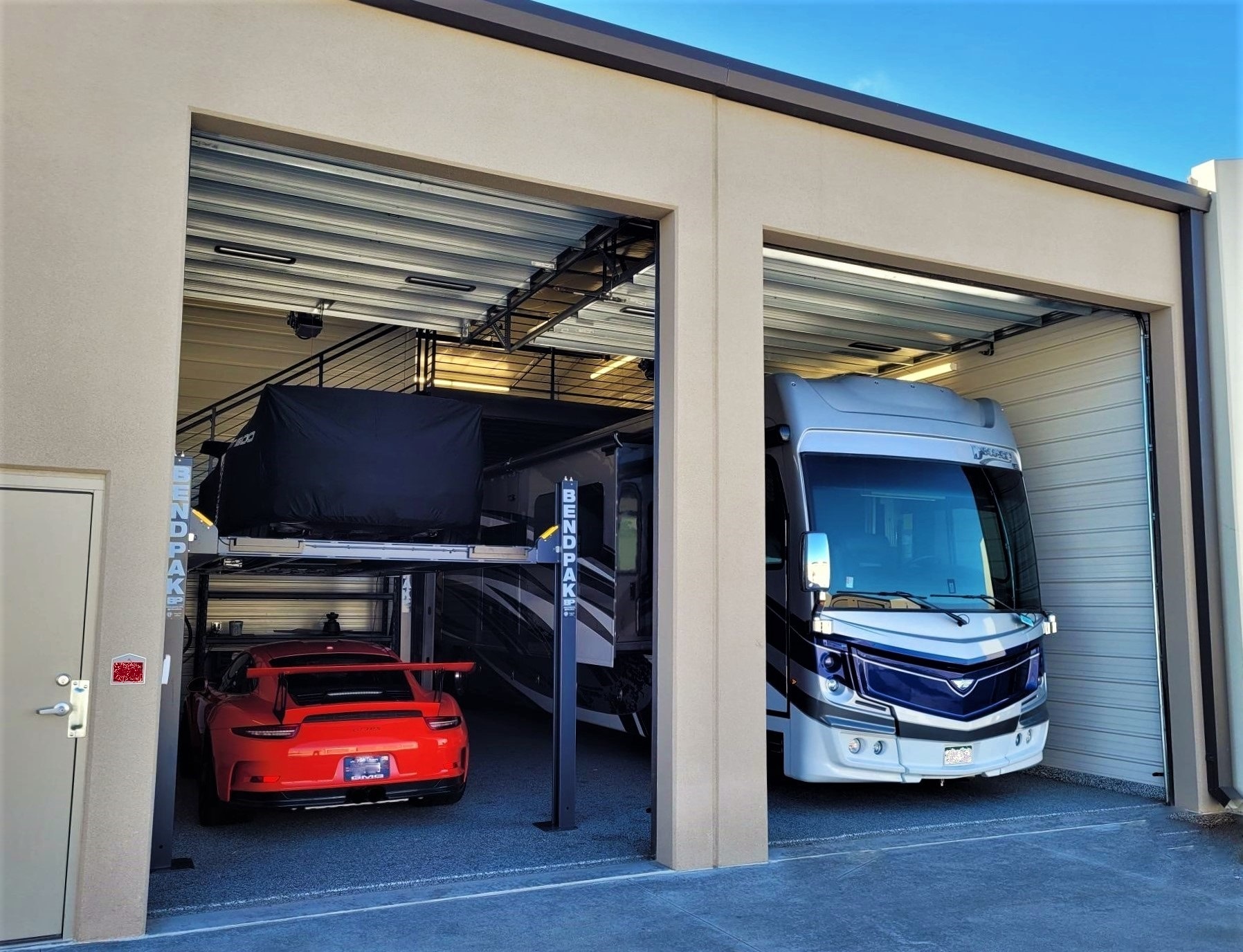
- RV and boat storage: Secure, weather-protected parking for large items.
Some owners combine several of these uses in one unit, customizing the space to fit their lifestyle.
How Much Does A Garage Condo Cost?
The price of a garage condo depends on location, size, and features. Here is a simple breakdown:
- Purchase price: Ranges from $50,000 to $200,000+ in most US cities.
- Monthly fees: Typically $100 to $300 (covers maintenance, security, amenities).
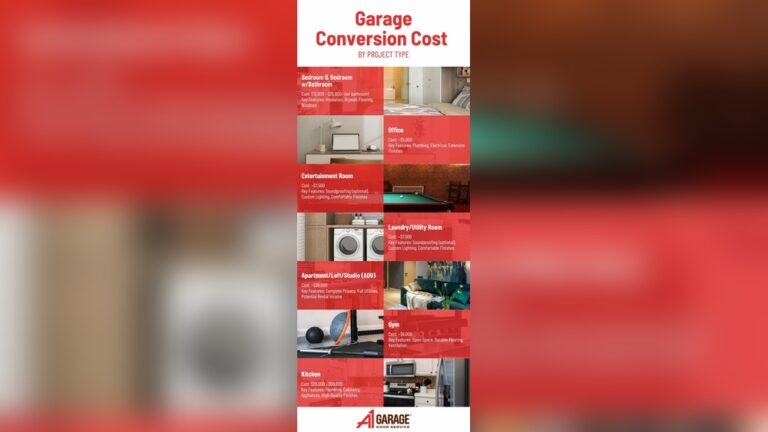
- Upgrades: Adding a bathroom, air conditioning, or custom floors can cost $5,000 to $30,000 extra.
In popular metro areas, prices are higher. In smaller cities, garage condos can be more affordable.
Example Cost Comparison
Here’s a look at typical costs for a mid-sized unit in three US cities:
| City | Purchase Price (20’x40′) | Monthly Fee |
|---|---|---|
| Dallas, TX | $110,000 | $170 |
| Denver, CO | $145,000 | $210 |
| Orlando, FL | $90,000 | $120 |
Insight: Prices are often lower per square foot than buying extra home garage space in the same city.
Key Benefits Of Owning A Garage Condo
Garage condos offer several unique advantages:
- Ownership: Build equity, not just pay rent.
- Security: Advanced alarms, cameras, and private access.
- Flexibility: Customize for your exact needs.
- 24/7 access: No waiting for office hours.
- Community: Many complexes have clubs or events for owners.
For business owners, garage condos also help separate work and home life. You can store business items securely without cluttering your house.
Non-obvious benefit: Some insurance companies offer lower rates for vehicles stored in private, climate-controlled garage condos versus open lots or standard storage.
Credit: www.nationaldayarchives.com
Things To Consider Before Buying
Before you invest in a garage condo, ask yourself these questions:
- How much space do I really need? Units range from 400 to 2,000+ square feet.
- What will I store or do there? Vehicles, tools, hobbies, or business?
- Do I want to customize? Some complexes have rules about changes.
- Can I afford the fees? Monthly association fees are required.
- Is location important? Closer to home or work is more convenient.
Check if the complex allows business activity. Some garage condo communities do not permit commercial use or loud activities.
Customization And Upgrades
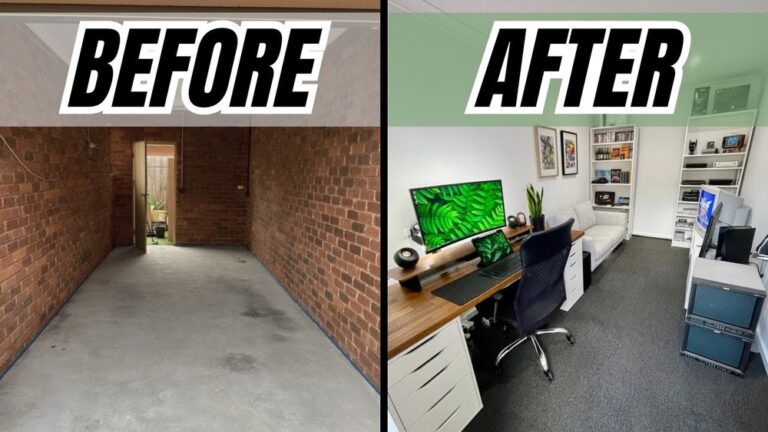
One main advantage is the ability to customize your garage condo. Popular upgrades include:
- Epoxy flooring for easy cleaning and a professional look.
- Mezzanine levels for extra storage or office space.
- Bathrooms with showers.
- Custom lighting for workshops or showrooms.
- Insulated walls and HVAC for year-round comfort.
Some owners add big-screen TVs, sound systems, or mini kitchens. Before making upgrades, check the community’s rules. Some associations may limit exterior changes.

Credit: www.troycondogarages.com
Garage Condo Communities
Many garage condo complexes are built as communities. They often include:
- Owner lounges for relaxing or socializing.
- Events: Car shows, tech talks, or BBQs.
- Shared tools or workshop areas.
These communities attract car lovers, small business owners, and hobbyists. You may find networking and new friends who share your interests.
Practical tip: Visit a complex before buying. Talk to other owners and ask about the culture, rules, and any problems.
Are Garage Condos A Good Investment?
Garage condos are not just for storage—they can be a solid investment. Here’s why:
- Appreciation: In some cities, prices have increased 5-10% per year.
- Rental income: Owners can lease units for $400–$800 per month, depending on size and location.
- Resale value: Some units have doubled in value in less than 10 years.
Important: Like all real estate, values can go up or down. Check the local market before buying.
Non-obvious insight: Many buyers use a Self-Directed IRA to buy garage condos as part of their retirement plan. This can offer tax advantages, but rules are strict. Consult a financial advisor before using this strategy.
Common Mistakes When Buying
New buyers often make these errors:
- Underestimating monthly costs: Association fees can rise each year.
- Ignoring rules: Some communities have noise, business, or upgrade limits.
- Choosing the wrong size: Too small, and you run out of space; too large, and you overpay.
- Forgetting resale: Not all locations have strong demand, making resale harder.
Practical advice: Always read the association’s rules and talk to current owners.
Who Should Consider A Garage Condo?
A garage condo is a smart choice if you:
- Own multiple cars, boats, or RVs.
- Run a small business needing secure storage.
- Want a private, legal space for hobbies.
- Need a long-term investment with possible appreciation.
- Value community and networking with others.
If you only need short-term storage, a self-storage unit may be a better fit.

Credit: thehideoutus.com
Legal And Tax Considerations
When you buy a garage condo, you get a property deed. This means:
- You pay property taxes on your unit.
- You may qualify for depreciation if used for business.
- You must follow local zoning and HOA rules.
Tip: Work with a real estate agent who understands garage condos. Not all agents are familiar with these properties.
For more legal details, read the Wikipedia entry on garage condominiums.
How To Find A Garage Condo
Follow these steps to find the right unit:
- Search online: Look for “garage condo” or “car condo” in your city.
- Contact realtors: Ask for specialists in garage condos.
- Visit complexes: Tour several locations and compare.
- Check reviews: Look up the complex’s reputation.
- Ask about resale: Find out how quickly units sell and at what price.
Don’t rush the process. The right unit should fit both your budget and needs.
Frequently Asked Questions
What Is The Difference Between A Garage Condo And A Self-storage Unit?
A garage condo is a property you own, with a deed and the right to customize, sell, or lease. A self-storage unit is rented, with strict rules and no ownership or equity.
Can I Live In A Garage Condo?
No, garage condos are not designed for living. Most communities ban overnight stays or using the unit as a home. They are meant for storage, work, or hobbies only.
Are Garage Condos Safe For Expensive Cars And Items?
Yes, most garage condos have strong security: gated access, cameras, alarms, and even climate control. Always check the complex’s specific features before buying.
Can I Rent Out My Garage Condo?
In most cases, yes. Owners can lease their units to others, but always check the association’s rules. Some communities limit rentals or require approval.
Do Garage Condos Increase In Value?
In many cities, garage condos have appreciated over time, sometimes faster than regular homes. However, values can rise or fall based on location, demand, and the economy.
Garage condos offer a unique mix of secure storage, customization, and investment potential. Whether you are a car collector, small business owner, or hobbyist, owning a garage condo provides space, flexibility, and peace of mind. By understanding the costs, benefits, and common mistakes, you can make a smart decision and enjoy your space for years to come.