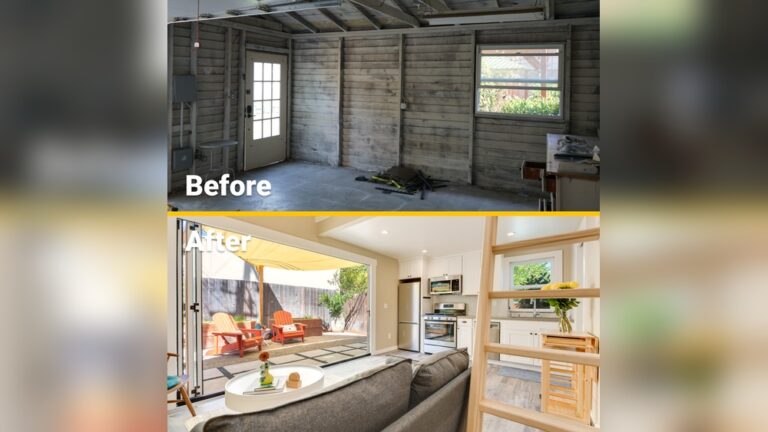

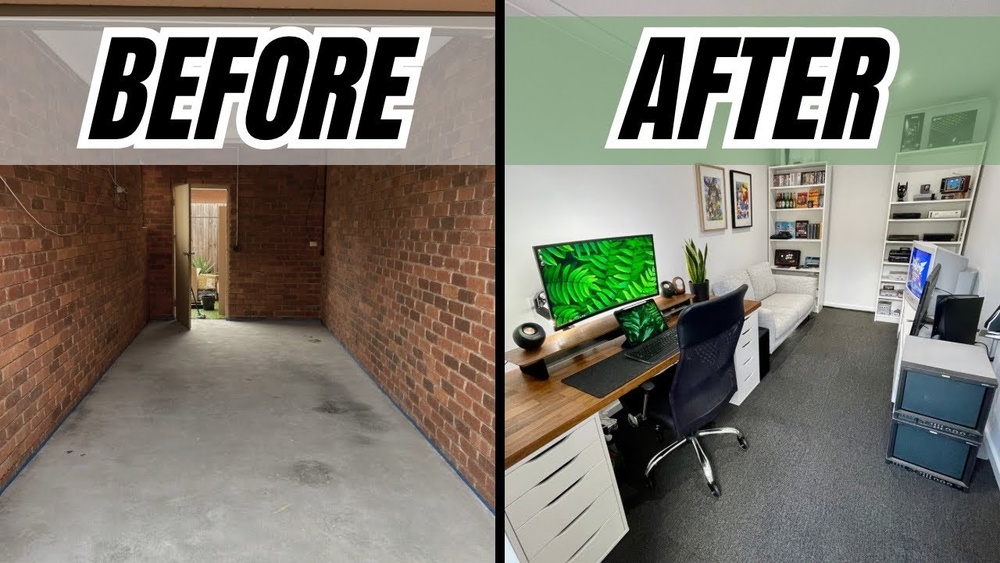
Converting a garage into a living space is a popular way to add more usable area to your home without building an expensive addition. Many homeowners look at their unused garage and imagine a cozy bedroom, family room, or even a rental unit. But the big question is: how much does it actually cost to convert a garage to living space? Understanding the costs helps you plan your budget, avoid surprises, and make the right decisions for your needs.
Why Convert Your Garage?
Your garage is often just a storage place for cars, boxes, and tools. But with some smart changes, it can become a valuable part of your home. Some common reasons people choose to convert their garages include:
- Extra living space for a growing family
- Home office or remote work area
- Rental income by making a small apartment
- Guest room for friends or relatives
A garage conversion can also increase your home’s value. But costs can vary a lot, depending on the size of your garage, what you want to build, and local building codes.
Average Cost Breakdown
The cost to convert a garage to living space in the US usually ranges from $10,000 to $50,000. This wide range depends on the quality of materials, labor rates, and how much work is needed. Here’s a breakdown of typical costs:
| Project Element | Estimated Cost Range |
|---|---|
| Basic Conversion (no bathroom/kitchen) | $10,000 – $25,000 |
| Conversion with Bathroom | $20,000 – $40,000 |
| Full Apartment (with kitchen & bath) | $30,000 – $50,000+ |
Basic conversions are the cheapest, while adding a bathroom or kitchen increases the cost. Remember, these are just averages — your own project could be more or less, depending on your choices.

Credit: homeguide.com
Main Factors That Affect Cost
Several key factors decide the final price of your garage conversion. Being aware of these helps you control your budget:
Size Of Your Garage
- One-car garage: Cheaper, less space to renovate.
- Two-car garage: More area, higher cost.
- Three-car garage: Largest, most expensive.
A bigger garage means more materials, labor, and sometimes, more permits.
Purpose Of The Space
- Bedroom or family room: Lower cost, basic needs.
- Studio apartment: Higher cost, needs plumbing, kitchen, bathroom.
The more complex your plan, the more expensive the project.
Existing Condition
- Finished walls and floor: Less work, lower cost.
- Bare concrete, no insulation: More work, higher cost.
Older garages may need repairs before conversion can start.
Local Labor And Material Costs
- Urban areas: Labor is usually more expensive.
- Rural areas: Often cheaper, but fewer contractors.
Material prices can also change by location.
Permits And Inspections
Most towns require permits for a garage conversion. Fees vary, but expect to pay $500–$2,000 or more for permits and inspections.
What’s Included In A Garage Conversion?
Here are the typical steps and costs for turning a garage into a living space:
Design And Permits
- Hire a designer or architect if you want changes to layout or structure
- Cost: $1,000–$3,000
Insulation And Walls
- Add insulation for comfort and energy savings
- Build or finish interior walls
- Cost: $1,000–$4,000
Flooring
- Raise and level the floor (most garages sit lower than the house)
- Add new flooring: Carpet, laminate, or tile
- Cost: $1,200–$4,000
Windows And Doors
- Replace garage door with wall and windows, or new entrance door
- Add windows for natural light and to meet code
- Cost: $1,000–$5,000
Electrical And Lighting
- Upgrade wiring for lights, outlets, and HVAC
- Add new light fixtures
- Cost: $1,000–$3,000
Heating And Cooling
- Extend existing HVAC, or add a mini-split system
- Cost: $2,000–$5,000
Plumbing (if Needed)
- Add bathroom, laundry, or kitchen
- Requires running new pipes and drains
- Cost: $2,500–$10,000 (can be more for complex jobs)
Painting And Finishing
- Paint walls and ceilings
- Add trim, baseboards, and finish carpentry
- Cost: $1,000–$3,000
Example Project: Basic Bedroom Conversion
Let’s say you want to turn a one-car garage (about 250 square feet) into a simple bedroom:
- Design/permits: $1,200
- Insulation/walls: $2,000
- Flooring: $1,500
- Windows/doors: $1,800
- Electrical: $1,200
- Heating/cooling: $2,200
- Painting/finishing: $1,200
Total cost: About $11,100
This is just an example. If you add a bathroom or kitchen, costs rise quickly.
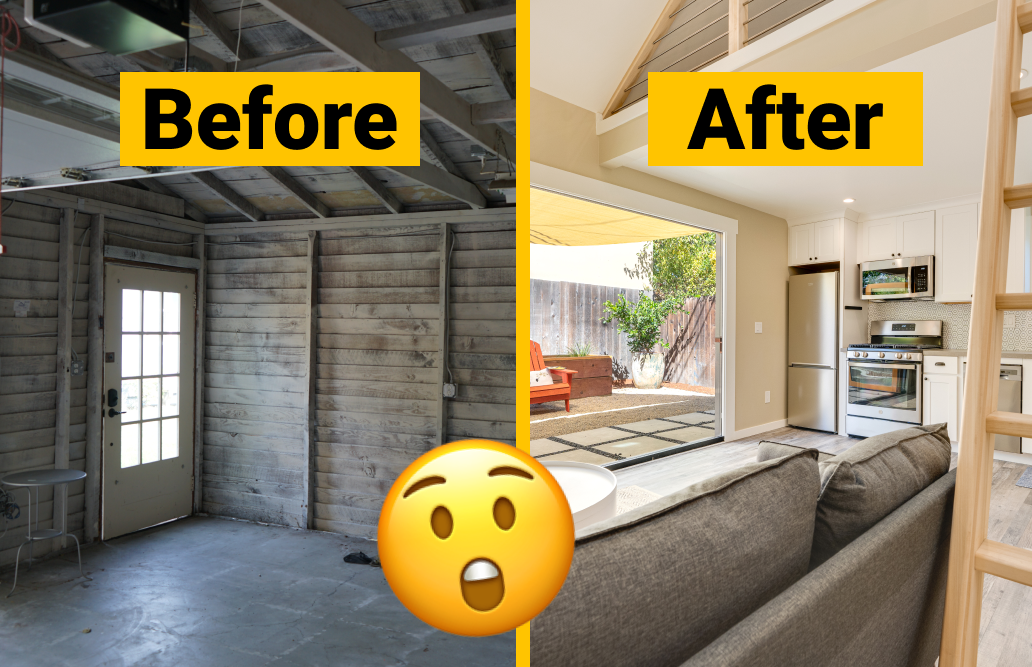
Credit: maxablespace.com
Cost Comparison: Garage Conversion Vs. Home Addition
Is converting a garage cheaper than building an addition? Usually, yes. Here’s a simple comparison:
| Project Type | Average Cost per Sq. Ft. | Total Cost (400 sq. ft.) |
|---|---|---|
| Garage Conversion | $25–$125 | $10,000–$50,000 |
| New Addition | $100–$300 | $40,000–$120,000 |
As you can see, garage conversions are often much more budget-friendly than building a new room from scratch.
Unexpected Expenses
Sometimes, costs go up because of things you might not expect. Here are a few common surprises:
- Foundation problems: Cracks or moisture can require repairs.
- Outdated electrical: Old wiring may need replacing to meet code.
- Asbestos or lead paint: Found in older garages, removal is expensive.
- Drainage issues: Water can collect under garage floors.
- Upgrading utilities: More power or water supply may be needed.
Always set aside a 10–20% contingency in your budget for surprises.
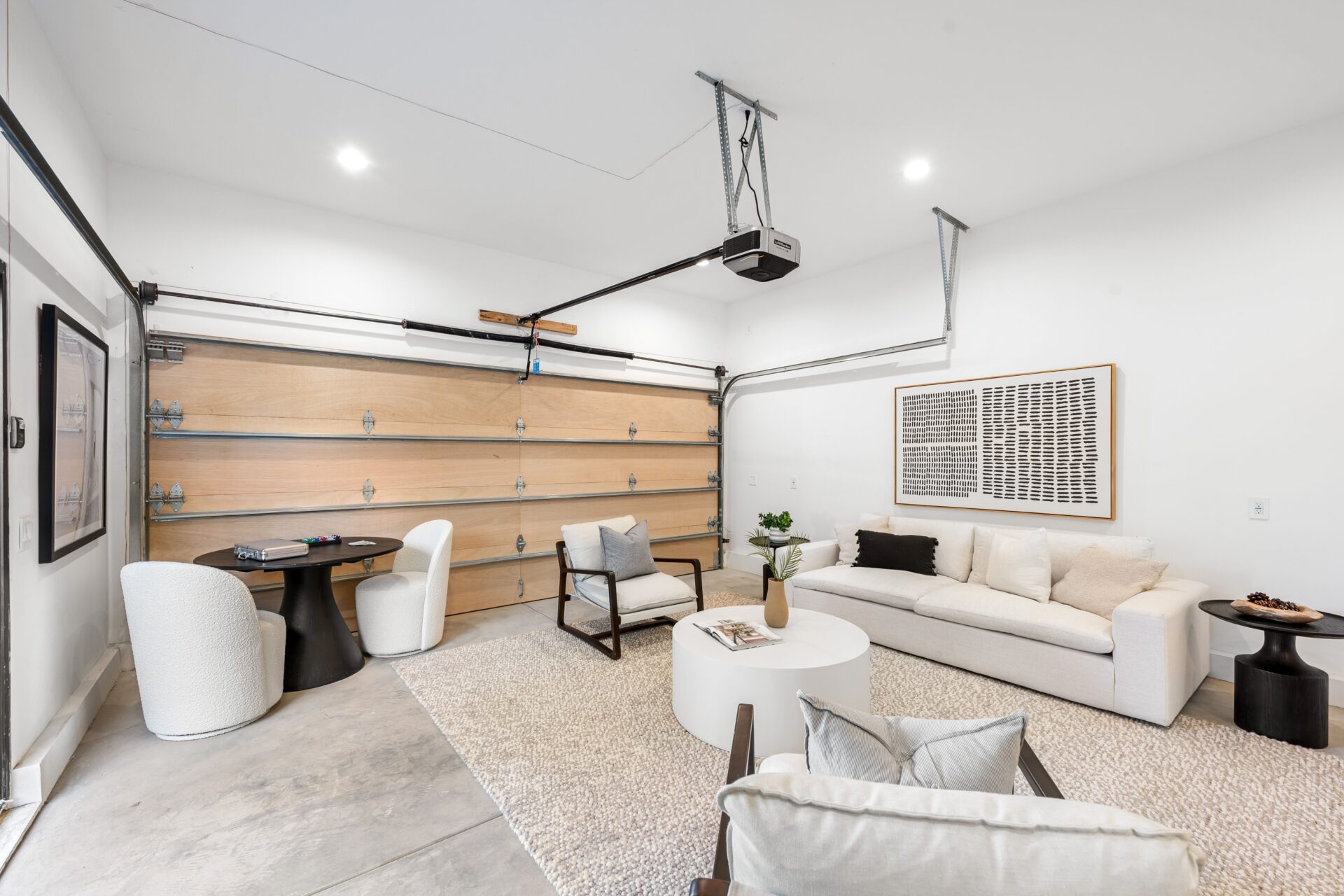
Credit: www.thisoldhouse.com
Diy Vs. Hiring A Contractor
You might wonder if you can save money by doing the work yourself. Here’s what you need to know:
- DIY: Can save 20–40% on labor, but only if you have skills and time. Permits and inspections are still required.
- Contractor: More expensive, but faster, safer, and meets code. Contractors can handle permits, design, and all building needs.
For most beginners, hiring a licensed contractor is safer and more likely to pass inspections.
Steps To Get Started
If you’re thinking of converting your garage, follow these steps:
- Check local codes and HOA rules. Some towns or homeowners associations don’t allow garage conversions, or have strict rules.
- Plan your space. Decide what you want: Bedroom, office, apartment.
- Get quotes. Contact several contractors for estimates.
- Budget for extras. Include at least 10–20% extra money for surprises.
- Apply for permits. Most towns require them before you start.
- Hire a designer or architect if your project is complex.
- Schedule the work. Conversions usually take 4–8 weeks.
Ways To Save Money
Even a small conversion can be expensive, but there are smart ways to keep costs down:
- Keep the layout simple. Fewer walls and no bathroom means lower costs.
- Reuse materials. Keep existing walls, wiring, and flooring if possible.
- Do some work yourself. Painting, cleaning, and finishing can save money.
- Shop around for contractors. Get at least three bids, and check reviews.
- Plan ahead. Good planning avoids mistakes and delays.
Common Mistakes To Avoid
Beginners often make costly errors. Here are two that are easy to miss:
- Ignoring ceiling height. Most codes require 7 feet or more. If your garage ceiling is lower, raising it is expensive.
- Forgetting about heating/cooling. Garages are often not connected to your home’s HVAC. Adding a mini-split or extending ducts is essential for comfort.
Also, remember to consider parking. Converting your garage may reduce parking space, which can affect your home’s resale value.
Real-life Example
A family in California wanted to turn their two-car garage into a rental studio (bedroom, small kitchen, and bathroom). Their costs included:
- Design and permits: $3,000
- Demo and prep: $2,500
- Insulation/walls: $4,000
- Flooring: $3,000
- Windows/doors: $4,500
- Electrical/plumbing: $8,000
- HVAC: $4,500
- Finishing/painting: $2,000
Total: $31,000
This example shows how quickly costs add up when you add a kitchen and bathroom.
Is A Garage Conversion Worth It?
A well-done garage conversion can give you:
- More living space
- Increased home value
- Rental income
- Better use of unused area
But, it’s important to check local rules first. Some towns have strict zoning laws, and not all garage conversions are allowed. Also, make sure your project matches your long-term plans. Once converted, it’s hard to turn the garage back into its original use.
For more detailed advice and to see what’s possible in your area, visit HUD’s Garage Conversion Resources.
Frequently Asked Questions
How Long Does A Garage Conversion Take?
Most garage conversions take 4 to 8 weeks to complete. Simple projects without plumbing can be faster, while complex conversions with kitchens or bathrooms may take longer.
Do I Need A Permit To Convert My Garage?
Yes. Nearly all areas require a building permit for garage conversions. This ensures the work meets safety codes and zoning laws. Check with your city’s building department before starting.
Will A Garage Conversion Increase My Home’s Value?
Usually, yes. A good conversion adds usable square footage and can raise your home’s resale value. However, the increase depends on your area and the quality of the work. In some neighborhoods, losing garage parking may reduce value.
Can I Add A Bathroom To My Garage Conversion?
Yes, but it’s one of the most expensive parts. Adding a bathroom means running new plumbing lines and drains, which can add $5,000–$10,000 or more to your project.
Is It Cheaper To Convert A Garage Or Build An Addition?
It’s almost always cheaper to convert a garage. A conversion uses existing walls, roof, and foundation, saving you thousands compared to building a new room from scratch.
Turning your garage into living space is a smart way to get more out of your home. By understanding costs, planning carefully, and avoiding common mistakes, you can create a comfortable, valuable space that fits your needs and budget.