
Heating your garage can make a huge difference, especially in winter. A warm garage protects your car, tools, and even gives you a comfortable space for hobbies or work. Many homeowners struggle to choose the right heating method, worry about costs, or don’t know where to start.
This guide will help you understand all the basics, compare options, and avoid common mistakes. Whether you want a quick fix or a long-term solution, you’ll find clear answers here.
Why Heat A Garage?
A cold garage can cause several problems. If you use your garage for storage, freezing temperatures might damage paint, batteries, and liquids. For car owners, extreme cold makes starting engines harder and can reduce battery life. If you work in your garage, cold air makes it uncomfortable and unsafe. Heating your garage offers:
- Better comfort for working or relaxing
- Protection for vehicles and stored items
- Safer conditions for pets and plants
- Added value to your home
For many homeowners, a heated garage is more than a luxury—it’s practical and even necessary.
Understand Your Garage’s Needs
Before choosing a heater, measure your garage and check its insulation. These steps help you pick the right size and type.
Measure Garage Size
Most heaters are rated by BTUs (British Thermal Units). BTUs tell you how much heat a unit produces. Bigger garages need more BTUs.
- 1-car garage (about 200-400 sq. Ft.): Needs 6,000–9,000 BTUs
- 2-car garage (about 400–800 sq. Ft.): Needs 9,000–18,000 BTUs
- 3-car garage (800–1200 sq. Ft.): Needs 18,000–24,000 BTUs
For example, if your garage is 500 sq. Ft. , look for heaters around 12,000 BTUs.
Check Insulation
Insulation keeps heat inside. If your garage has bare walls or no ceiling insulation, you’ll lose heat fast. Insulated garages use less energy and stay warmer.
- Insulated: Keeps heat well, needs smaller heater
- Uninsulated: Loses heat quickly, needs larger heater
Upgrading insulation can cut heating bills by up to 30%.
Credit: www.garaga.com
Types Of Garage Heaters
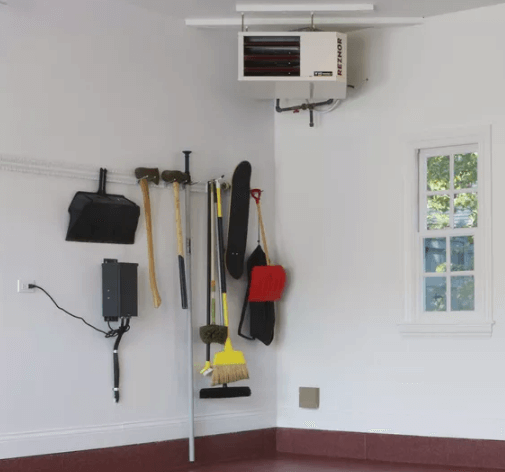
There are several heating options for garages. Each has its strengths and weaknesses. Here are the main types:
| Heater Type | Typical BTU Range | Best For | Cost Range |
|---|---|---|---|
| Electric Space Heater | 5,000–20,000 | Small to medium garages | $50–$400 |
| Infrared Heater | 6,000–25,000 | Workshops | $100–$800 |
| Forced Air Gas Heater | 20,000–60,000 | Large garages | $300–$1,500 |
| Propane Heater | 10,000–40,000 | Temporary use | $100–$500 |
| Wood Stove | Varies | Rural/remote garages | $500–$2,000 |
Electric Space Heaters
- Easy to use and install
- Good for small spaces
- Plug into standard outlets
- No fumes or ventilation needed
Example: A 1,500-watt heater can warm a single-car garage in mild winters.
Infrared Heaters
- Heat objects, not air
- Fast warmth for people/tools
- Good for workbenches and hobby spaces
Tip: Place infrared heaters near your main work area.
Forced Air Gas Heaters
- Powerful, heats large areas quickly
- Needs gas line and ventilation
- Higher upfront cost, lower running cost
Non-obvious insight: Many beginners forget about venting—without proper venting, gas heaters can be dangerous.
Propane Heaters
- Portable, easy to move
- Good for temporary or spot heating
- Needs proper ventilation
Warning: Never use propane heaters in closed garages without fresh air. Carbon monoxide can build up.
Wood Stoves
- Cheap fuel in rural areas
- Takes longer to heat up
- Needs chimney/vent
Example: In snowy regions, wood stoves are popular but require regular cleaning.
Comparing Garage Heater Types
Here’s a quick comparison to help you decide:
| Heater | Installation | Running Cost | Safety |
|---|---|---|---|
| Electric | Plug-and-play | Medium | Very safe |
| Infrared | Easy wall/ceiling mount | Medium | Safe, but hot surfaces |
| Gas | Professional needed | Low | Needs venting |
| Propane | Portable | Medium | Needs venting |
| Wood | Complex (chimney) | Low if wood is cheap | Fire risk |
How To Choose The Best Heater For Your Garage
Several factors matter when picking a heater:
- Size: Match BTUs to your garage’s square footage
- Insulation: Insulated garages need less power
- Budget: Consider both upfront and running costs
- Safety: Check for overheat protection and automatic shutoff
- Ease of installation: Some heaters need professionals
Common mistake: Many beginners buy a heater that’s too small. Always measure your garage and check the BTU rating.
Practical tip: For garages used only occasionally, portable heaters are more cost-effective.
Step-by-step: How To Heat Your Garage
Here’s a simple guide to get started:
- Measure your garage: Length x width = square footage
- Check insulation: Walls, ceiling, and garage door
- Pick a heater: Use BTU charts and compare types
- Prepare the space: Remove flammable items, clear area
- Install heater: Follow instructions or hire a pro for gas/wood heaters
- Set thermostat: Keep garage at safe temperature (50–60°F is ideal)
- Monitor air quality: Vent gas and propane heaters
- Maintain heater: Clean filters, inspect for damage
Example: If your garage is 400 sq. ft. and insulated, a 9,000 BTU electric heater will be enough for mild climates.
Improving Insulation For Better Heating
Heating a poorly insulated garage wastes money. Insulation keeps warmth inside and reduces heater use.
Easy Insulation Upgrades
- Weatherstripping: Add to doors and windows
- Insulated garage door: Upgrading can save up to 20% energy
- Wall insulation: Fiberglass or foam boards
- Ceiling insulation: Stops heat loss
Non-obvious insight: Many people forget to insulate the garage door, which is often the biggest source of heat loss.
Energy-saving Tips
Heating costs can add up. Save money with these tips:
- Lower thermostat when not in use
- Use timers or smart plugs for heaters
- Seal cracks and gaps
- Use curtains or blankets over windows
Data: Heating a 2-car garage all winter costs about $150–$350 for electric heaters, less for gas.

Credit: www.youtube.com
Garage Heating Safety
Safety is critical. Many heaters can cause fires or produce dangerous gases.
Main Safety Tips
- Keep heaters away from flammable items
- Use heaters with overheat protection
- Vent gas and propane heaters
- Never block vents
- Install carbon monoxide detectors
Example: In 2022, over 25,000 home fires in the US were caused by heating equipment (NFPA).
Cost Breakdown And What To Expect
Heating your garage involves different costs:
- Upfront cost: Heater, insulation, installation
- Running cost: Electricity, gas, propane, or wood
| Heater Type | Upfront Cost | Monthly Cost (avg.) |
|---|---|---|
| Electric | $50–$400 | $30–$70 |
| Infrared | $100–$800 | $25–$60 |
| Gas | $300–$1,500 | $10–$40 |
| Propane | $100–$500 | $20–$60 |
| Wood | $500–$2,000 | $10–$30 |
Example: If you use an electric heater for a 2-car garage, expect to pay $60/month for 8 hours/day during winter.
Mistakes To Avoid
Beginners often make these mistakes:
- Buying too small a heater
- Ignoring insulation
- Not venting gas/propane heaters
- Placing heaters near flammable objects
- Forgetting to check local codes
Practical tip: Always read the heater manual and follow safety rules.
Real-life Example
John lives in Michigan. His 2-car garage (600 sq. Ft. ) was freezing in winter. He installed wall insulation and bought a 15,000 BTU electric heater for $200. He spends about $65/month on electricity, but his garage stays at 55°F.
Insulation reduced his heating costs by 25%. He also added weatherstripping to his garage door.
Credit: artisandoorworks.com
Expert Advice
- For most homeowners, electric heaters are easiest.
- Insulate first, then choose heater size.
- Check local codes for gas or wood stoves.
- Use timers and thermostats to save money.
If you want to dig deeper, the US Department of Energy offers more tips at Energy.gov.
Frequently Asked Questions
How Many Btus Do I Need For My Garage?
Most garages need 20–30 BTUs per sq. ft. For a 400 sq. ft. garage, you need about 12,000 BTUs. If your garage is not insulated, add 20% more.
Can I Use My Home Furnace To Heat The Garage?
It’s not recommended. Home furnaces are designed for living spaces, not garages. Connecting your garage can cause safety issues and reduce furnace efficiency.
Are Portable Heaters Safe For Garages?
Yes, if you use them with care. Choose heaters with overheat protection and automatic shutoff. For propane heaters, make sure there’s enough ventilation.
Should I Insulate My Garage Before Heating?
Absolutely. Insulation cuts heating costs and makes the garage warmer. Start with walls, ceiling, and garage door.
What Is The Safest Heater Type For A Garage?
Electric heaters are safest. They don’t produce fumes and are easy to use. Gas and propane heaters need proper venting to avoid carbon monoxide.
Heating your garage is simple if you follow these steps and tips. Choose the right heater, insulate well, and stay safe. With good planning, you can enjoy a warm, comfortable garage all year round.