
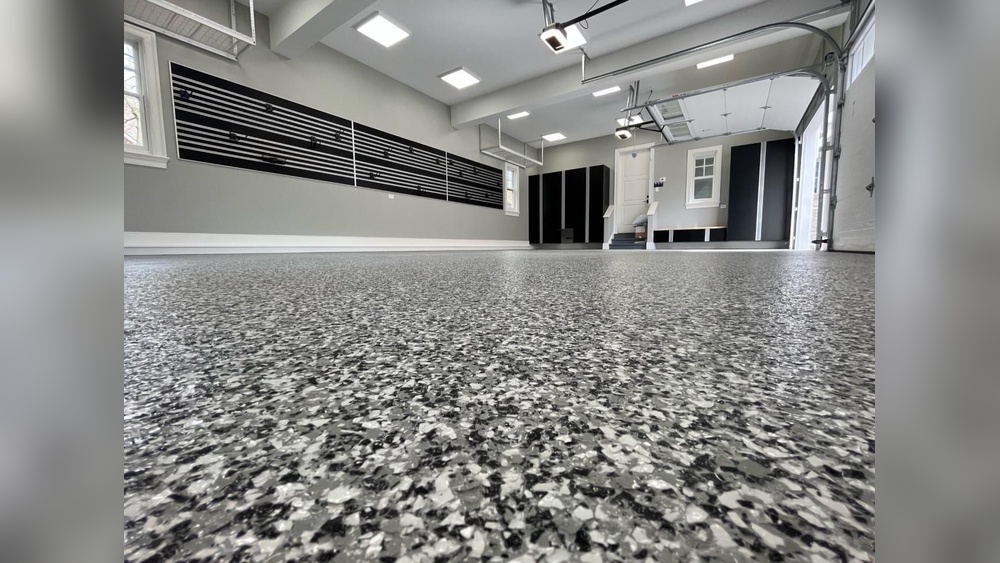
Epoxy Garage Floor: A Beginner-friendly Guide
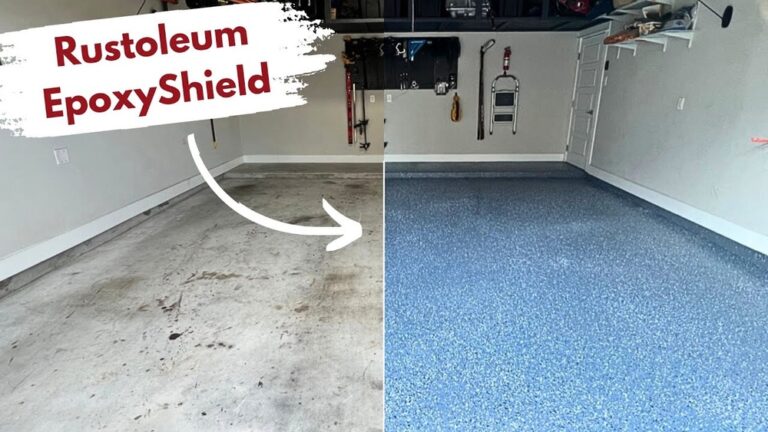
A garage floor often faces heavy traffic, oil spills, and dust. Over time, the concrete can crack, stain, or look dull. Many homeowners want a solution that makes their garage look cleaner and protects the floor. That’s where an epoxy garage floor comes in. Epoxy coatings turn boring concrete into a durable, shiny surface. They are easy to clean, resist stains, and last for years. In this article, you’ll learn what epoxy flooring is, how to choose the right system, and how to install it. You’ll also see practical data, real examples, and clear advice for beginners.
What Is Epoxy Garage Flooring?
Epoxy is a mixture of resin and hardener. When combined, they form a tough plastic coating. This coating bonds tightly to concrete and creates a strong, glossy surface. Epoxy floors are popular in garages, workshops, basements, and even commercial spaces.
Benefits:
- Durability: Epoxy can withstand heavy cars, tools, and foot traffic.
- Chemical resistance: Oil, gas, and cleaning products won’t damage the floor.
- Easy cleaning: Dust and spills can be wiped away with a mop or broom.
- Appearance: Epoxy gives the floor a shiny, professional look.
- Customization: You can choose colors, flakes, or patterns.
Epoxy is not paint. It’s a two-part system that chemically reacts to create a hard surface. Once cured, it is far stronger than regular paint.
Types Of Epoxy Garage Floor Systems
There are several types of epoxy systems. Each has different features and costs. Choosing the right type depends on your budget and needs.
| Epoxy Type | Thickness | Durability | Cost (per sq ft) |
|---|---|---|---|
| Water-Based Epoxy | 1-2 mils | Moderate | $1.50-$2.50 |
| Solvent-Based Epoxy | 2-5 mils | High | $2.50-$4.00 |
| 100% Solids Epoxy | 10-20 mils | Very High | $3.50-$6.00 |
- Water-based epoxy: Easier to apply, lower odor, but thinner and less durable. Good for light use.
- Solvent-based epoxy: Thicker, stronger, but has a strong smell during application.
- 100% solids epoxy: Thickest and most durable. Used in commercial garages or heavy-use areas.
For most homeowners, a water-based epoxy is good for DIY projects. If you want maximum strength, consider 100% solids epoxy but hire a professional.
How To Prepare Your Garage Floor
Preparation is key for a successful epoxy floor. Skipping steps can lead to peeling, bubbles, or poor bonding. Here’s what you need to do:
- Clean thoroughly
- Remove all dust, oil, and stains.
- Use a degreaser for oil spots.
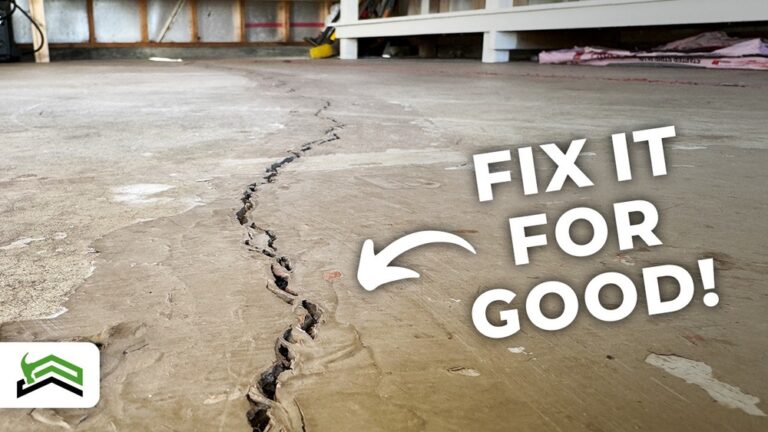
- Repair cracks
- Fill cracks and holes with concrete patch.
- Etch the floor
- Etching opens the surface so epoxy sticks better.
- Use a concrete etcher or muriatic acid (follow safety directions).
- Dry completely
- Moisture ruins epoxy. The floor must be dry before coating.
Example: If your garage floor is 400 sq ft and has oil stains, you’ll need about 1 gallon of degreaser, a patch kit for cracks, and an etching solution. Drying may take 1-2 days after washing.
| Step | Material Needed | Estimated Cost |
|---|---|---|
| Cleaning | Degreaser, broom | $15-$25 |
| Crack Repair | Concrete patch kit | $10-$30 |
| Etching | Etching solution | $20-$40 |
| Drying | Fan (optional) | $0-$30 |
Beginner tip: Always check for moisture. Tape a plastic sheet to the floor overnight. If water appears under the plastic, wait longer.
Applying Epoxy: Step-by-step
Applying epoxy can be simple if you follow the steps and avoid mistakes. Here’s a basic process for a DIY water-based epoxy kit:
- Mix the epoxy
- Follow the instructions. Mix resin and hardener for the right time.
- Apply primer (optional)
- Some kits include a primer. It improves adhesion.
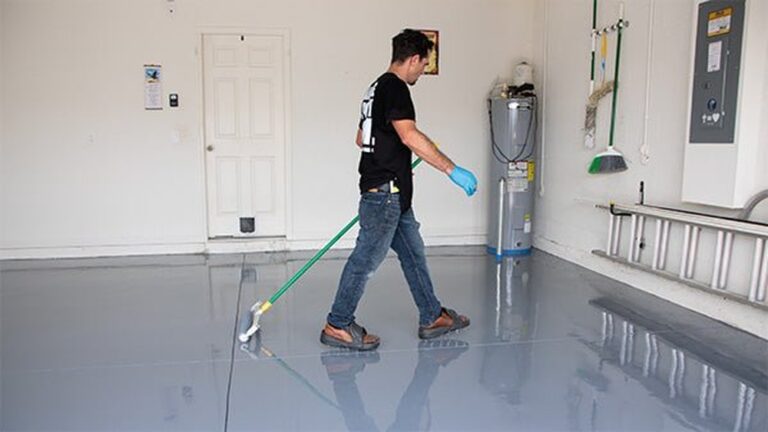
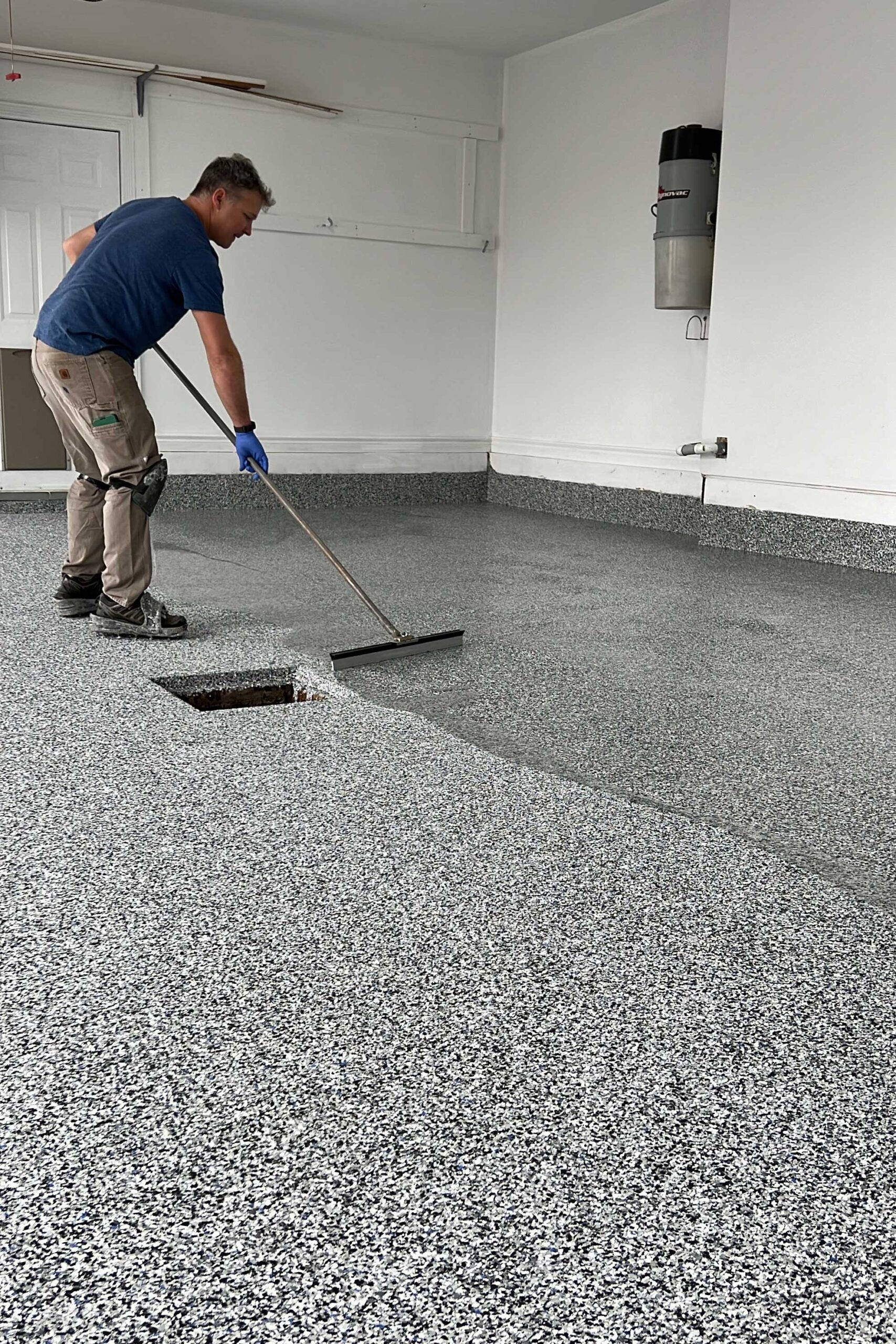
- Roll on the epoxy
- Use a paint roller with an extension pole. Work in small sections.
- Add color chips/flakes
- Sprinkle chips on wet epoxy for texture and design.
- Let it cure
- Wait 24-48 hours before walking. Wait 72 hours before driving.
Example: For a 400 sq ft garage, you’ll need 2 gallons of epoxy, 1 quart of flakes, and one roller. Most DIY kits cost $100-$250.
Common mistakes:
- Not mixing well: Causes uneven curing.
- Applying too thin: Leads to patches and poor durability.
- Skipping primer: Reduces bonding strength.
- Using on damp floor: Causes bubbles and peeling.
Non-obvious insight: Temperature matters. Epoxy cures best between 60°F and 80°F. Too cold or hot can slow curing or cause defects.
Maintenance And Cleaning
Epoxy garage floors are low maintenance, but regular care keeps them looking new.
- Sweep or mop weekly to remove dirt.
- Clean spills quickly, especially oil or gas.
- Use a gentle cleaner, not harsh chemicals.
- Avoid dragging heavy tools or sharp objects.
Example: If you spill motor oil, wipe it up and wash with mild soap. Epoxy resists stains, but cleaning soon prevents marks.
Data: Epoxy floors last 5-10 years with normal use. Heavy-duty epoxy can last 15+ years in home garages.
Beginner tip: Place mats under car tires or heavy equipment. This prevents wear on high-traffic spots.
Cost Breakdown And Value
The cost of an epoxy garage floor depends on size, type, and labor. Here’s a typical breakdown:
| Size (sq ft) | DIY Cost | Professional Cost | Life Span |
|---|---|---|---|
| 200 | $150-$300 | $600-$1000 | 5-10 years |
| 400 | $250-$500 | $1200-$2000 | 8-15 years |
| 600 | $450-$900 | $1800-$3000 | 10-15 years |
- DIY kits: Save money but require time and preparation.
- Professional installation: Higher cost, but often includes warranty and expert prep.
Value: Epoxy increases garage value, makes cleaning easier, and protects concrete. Homeowners report that garages with epoxy floors sell faster and attract buyers.
Non-obvious insight: If you live in a cold or humid area, professional installation can help avoid curing problems.

Credit: comestayawhile.com
Choosing Colors And Designs
Epoxy offers many color and design options. You can match your garage to your home or create a unique look.
- Solid colors: Gray, white, beige, and blue are common.
- Color flakes: Add texture and hide small imperfections.
- Metallic epoxy: Creates a shimmering effect, but costs more.
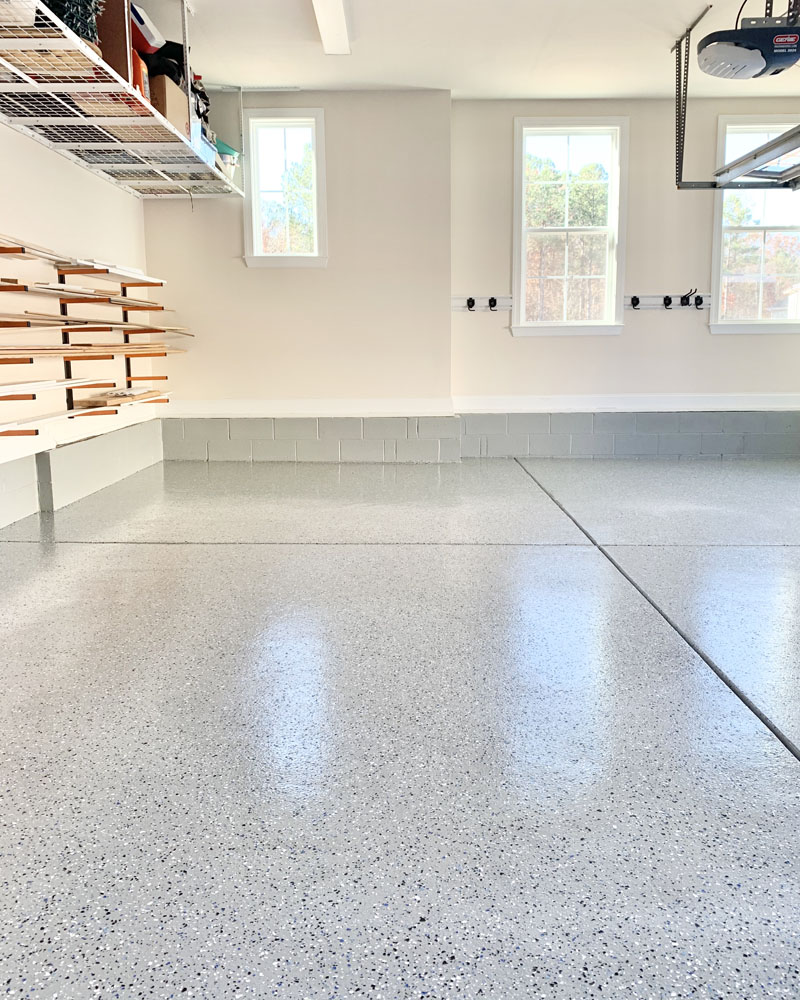
Example: A gray epoxy floor with black and white flakes hides tire marks and looks modern. Metallic silver is popular in luxury homes but requires a skilled installer.
Beginner tip: Choose lighter colors for small garages. They reflect light and make the space feel bigger.
Pros And Cons Of Epoxy Garage Floors
Every flooring system has advantages and disadvantages. Here’s how epoxy compares:
Pros:
- Long-lasting and tough
- Easy to clean
- Attractive finish
- Resistant to oil, chemicals, and moisture
Cons:
- Needs careful prep
- Can be slippery when wet
- Not ideal for very humid or cold climates
- May yellow with UV exposure (choose UV-resistant epoxy for sunlit garages)
Example: A homeowner in Arizona may see yellowing after 3 years if direct sun hits the floor. In shaded garages, this is rarely a problem.
Credit: philiporflop.com
Comparing Epoxy To Other Garage Flooring
How Does Epoxy Stack Up Against Other Popular Options?
| Floor Type | Durability | Maintenance | Cost (per sq ft) |
|---|---|---|---|
| Epoxy | High | Easy | $3-$6 |
| Concrete Paint | Low | Moderate | $1-$2 |
| Interlocking Tiles | Medium | Easy | $2-$5 |
| Polyurea | Very High | Easy | $5-$8 |
- Epoxy: Best for durability and appearance.
- Paint: Cheap but peels and stains easily.
- Tiles: Easy to install, but can move or collect dirt in seams.
- Polyurea: Stronger than epoxy, but costs more.
Beginner tip: If you want a fast install, tiles are easier but less durable than epoxy.
Practical Tips For Beginners
- Read instructions fully before starting.
- Test a small area for moisture and adhesion.
- Wear gloves and mask when mixing epoxy.
- Don’t rush drying time—patience gives best results.
- Use painter’s tape to protect walls and edges.
Example: A beginner who follows each step and waits for full curing will have a floor that lasts much longer.
Non-obvious insight: If your garage has old sealant, remove it completely. Epoxy will not bond to sealed concrete.
Credit: erinzubotdesign.com
Frequently Asked Questions
What Is The Best Epoxy For A Beginner Diy Project?
Water-based epoxy kits are best for beginners. They have low odor, are easier to apply, and most kits include clear instructions.
How Long Does An Epoxy Garage Floor Last?
With normal use, an epoxy floor lasts 5-10 years. Heavy-duty or professionally installed epoxy can last up to 15 years.
Is Epoxy Safe For Pets And Kids?
Once cured, epoxy is safe. During installation, keep pets and children away due to fumes and wet surfaces.
Can I Apply Epoxy If My Garage Is Humid?
High humidity can cause curing problems. Use a dehumidifier, and check that the floor is dry before applying epoxy.
What Happens If I Skip Floor Preparation?
Skipping cleaning, crack repair, or etching leads to poor adhesion. The epoxy may peel, bubble, or wear out quickly.
Epoxy garage floors transform a dull space into something clean, tough, and attractive. For beginners, following the right steps and choosing the right materials makes the process easier. With proper care, your epoxy floor will protect your garage for years. If you want more technical details or want to explore professional options, visit the Wikipedia Epoxy Page for in-depth information.