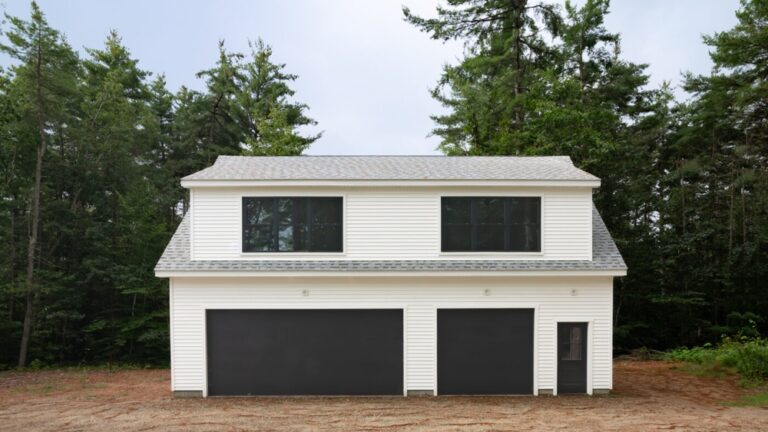

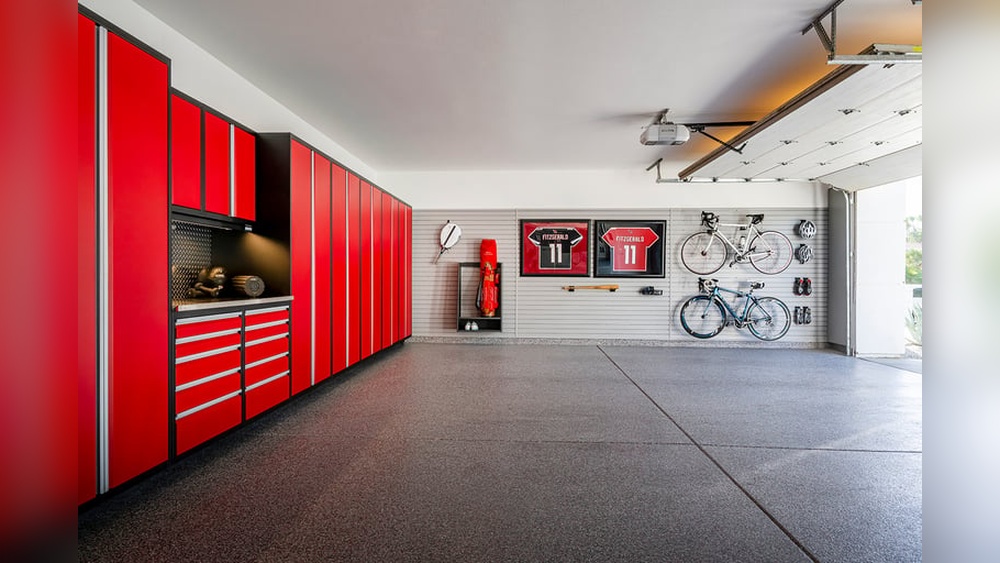
Choosing the right color to paint your garage can feel overwhelming. Many people see their garage as just a storage space or a spot for cars, but the color you pick can change how the space feels and works for you.
A fresh coat of paint can make your garage look cleaner, brighter, and even increase your home’s value. Whether you use your garage as a workshop, gym, or just for parking, the right color helps you enjoy the space more.
Why Garage Color Matters
The garage is often the first thing you see when coming home. It can set the mood for your entire house. A well-chosen color can:
- Make the space look larger or smaller
- Hide dirt and stains
- Improve lighting
- Boost curb appeal
For example, a dark, cluttered garage can feel uninviting, while a clean, light space can feel welcoming. Studies show that colors can also affect your mood and even energy levels. Light colors tend to make spaces feel bigger and more open, while dark shades can make them cozy but sometimes cramped.
Factors To Consider Before Picking A Garage Color
Before you start painting, think about how you use your garage and what you want from it.
- Purpose: Is your garage a workshop, gym, storage, or just for parking?
- Lighting: Does your garage get lots of sunlight, or is it dark?
- Cleanliness: Do you want to hide dirt and marks?
- Connection to House: Do you want your garage to match your home’s exterior or interior?
Taking time to think about these questions helps you pick a color that works for you—not just one that looks good on a paint chip.
Popular Garage Paint Colors
Some colors work better in garages than others. Below are the most popular and practical options, along with why they work.
1. White
- Makes the space look bigger and brighter
- Reflects light, which is good for working on projects
- Easy to touch up if scratched
2. Light Gray
- Hides dust and small stains better than white
- Looks modern and clean
- Matches most home exteriors
3. Beige Or Taupe
- Warmer than gray or white
- Good for hiding dirt
- Feels inviting
4. Blue
- Cool, calming effect
- Hides marks better than white
- Works for home gyms or creative spaces
5. Dark Gray Or Charcoal
- Hides oil stains well
- Feels modern and sleek
- Can make a small garage feel tighter
6. Green
- Feels fresh and natural
- Good for garages with lots of plants or tools
- Hides grass and dirt stains
7. Black
- Modern and bold
- Best for accents or lower walls, not whole garage
- Shows dust easily on flat surfaces
How Different Colors Affect Your Garage
Choosing a color is not just about looks. Colors can change how your garage feels and works.
| Color | Effect | Best For |
|---|---|---|
| White | Brighter, clean | Workshops, general use |
| Light Gray | Modern, hides dust | All-purpose, homes |
| Beige | Warm, inviting | Storage, multi-use |
| Blue | Calm, unique | Gyms, creative spaces |
| Dark Gray | Sleek, hides stains | Auto shops, modern homes |
Matching Garage Paint With Your Home
Your garage is part of your house. Matching colors can improve curb appeal and make your property look more put together.
- Exterior Walls: Pick a garage color that matches or complements your home’s main color.
- Trim and Doors: Use a lighter or darker shade for garage doors or trim to add contrast.
- Neighborhood Style: Look at other homes nearby. You don’t have to copy, but staying in harmony helps resale value.
For example, if your house is tan with white trim, a light beige garage with white doors looks clean and coordinated.
Paint Finish: Why It Matters
The finish (how shiny or matte the paint is) can change how the color looks and works.
| Finish | Features | Where to Use |
|---|---|---|
| Flat/Matte | Hides flaws, tough to clean | Ceilings, low-traffic walls |
| Eggshell/Satin | Easy to clean, slight shine | Most garage walls |
| Semi-gloss/Gloss | Very easy to clean, shows flaws | Trim, doors, high-traffic areas |
Eggshell or satin finishes are best for most garage walls. They resist stains and are easy to wipe down. Use semi-gloss on doors and trim for extra durability.
Practical Steps For Painting Your Garage
Painting your garage is a project you can do yourself with some planning.
- Clean the walls: Remove dust, cobwebs, and oil stains.
- Repair damage: Patch any holes or cracks.
- Prime the surface: Use primer to help the paint stick and last longer.
- Choose the right paint: Interior latex paint is usually best. For garages with moisture, use a mildew-resistant paint.
- Use painter’s tape: Protect trim, outlets, and anything you don’t want painted.
- Apply paint: Use a roller for large areas and a brush for edges.
- Let it dry: Wait the recommended time before touching or moving items back in.
Common Mistakes Beginners Make
Painting a garage seems simple, but some mistakes can ruin the result or make more work later.
- Using flat paint that stains easily
- Skipping primer, which causes peeling
- Choosing a color without testing a small area first
- Not cleaning walls before painting
- Painting in cold or very humid weather
Test your color before painting the whole garage. Paint can look different when dry, and lighting changes how colors appear.

Credit: garagegiantusa.com
Non-obvious Insights For Choosing Garage Colors
Many people overlook these points:
- Floor and Ceiling Color Matter: If your garage floor is dark, a lighter wall color balances the look. If the ceiling is low, painting it white or light gray makes the space feel taller.
- Accent Walls Add Interest: Painting one wall a bold color (like navy blue or deep green) can give your garage personality without overwhelming the space.
- Garage Door Color Impacts Curb Appeal: The garage door is often a large part of your home’s front. Choosing a door color that contrasts with the walls but matches the trim can make your home stand out.
- Lighting Changes Everything: Natural light makes colors look lighter, while artificial light can add yellow or blue tones. Always check your paint sample at different times of day.
What About Garage Floors?
Many people focus only on walls, but the garage floor color makes a big difference.
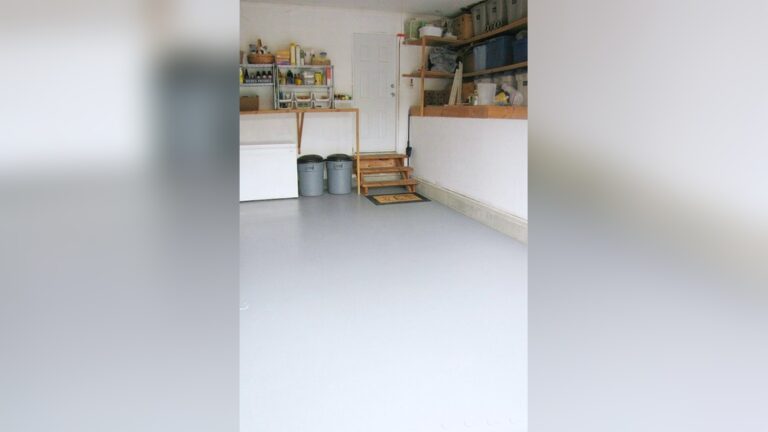
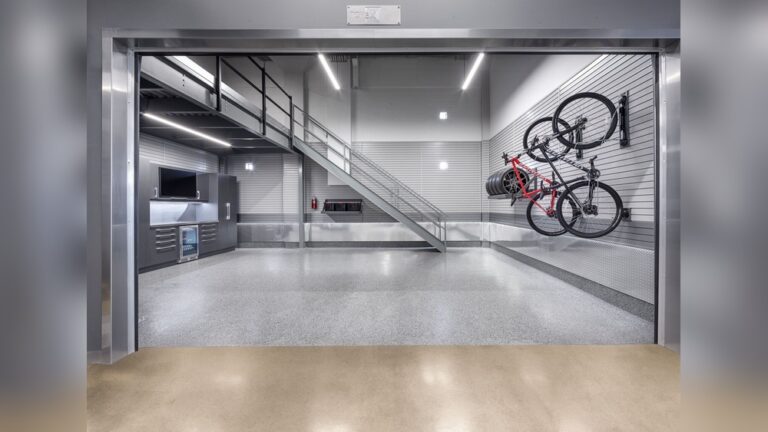
- Epoxy coatings are popular. They come in gray, tan, or even speckled finishes that hide dirt well.
- Darker floors hide stains, but lighter floors can make the space feel clean.
If you store tools, bikes, or garden equipment, a medium-gray epoxy floor is a practical choice.
Data: Which Garage Colors Are Most Popular?
Recent surveys of homeowners in the US show these are the top choices for garage paint:
| Rank | Color | % of Homeowners |
|---|---|---|
| 1 | Light Gray | 32% |
| 2 | White | 27% |
| 3 | Beige/Tan | 15% |
| 4 | Blue | 10% |
| 5 | Dark Gray | 8% |
| 6 | Green | 6% |
| 7 | Other | 2% |
This data shows most people choose safe, neutral colors. These are easy to maintain and help with resale.
How To Test And Choose Your Garage Color
Before buying gallons of paint, test your color ideas:
- Buy small paint samples (pints or testers).
- Paint a 2×2 foot area on your garage wall.
- Check the color at different times: Morning, afternoon, evening.
- Compare with the garage floor, ceiling, and doors.
This helps avoid disappointment and extra work if you don’t like the color.
When To Use Bold Or Unusual Colors
Some people want their garage to stand out or match a special use.
- Home Gym: Bright blues, reds, or even yellows can make the space energetic.
- Workshop: Green or gray can feel calm and focused.
- Man Cave/She Shed: Deep colors like navy or burgundy can create a cozy feel.
Use bold colors for accent walls or lower parts of the wall to avoid overwhelming the space.
Paint Cost And Maintenance
Painting a garage is not expensive compared to other home projects, but costs can add up.
- Average cost: $100–$300 for DIY (paint, primer, supplies)
- Pro painting: $500–$1,200 for a two-car garage
Lighter colors may need touch-ups more often, while mid-tone grays and beiges hide marks better.
To keep your garage looking good:
- Wipe walls every few months
- Touch up scratches or stains quickly
- Use quality paint for longer-lasting results
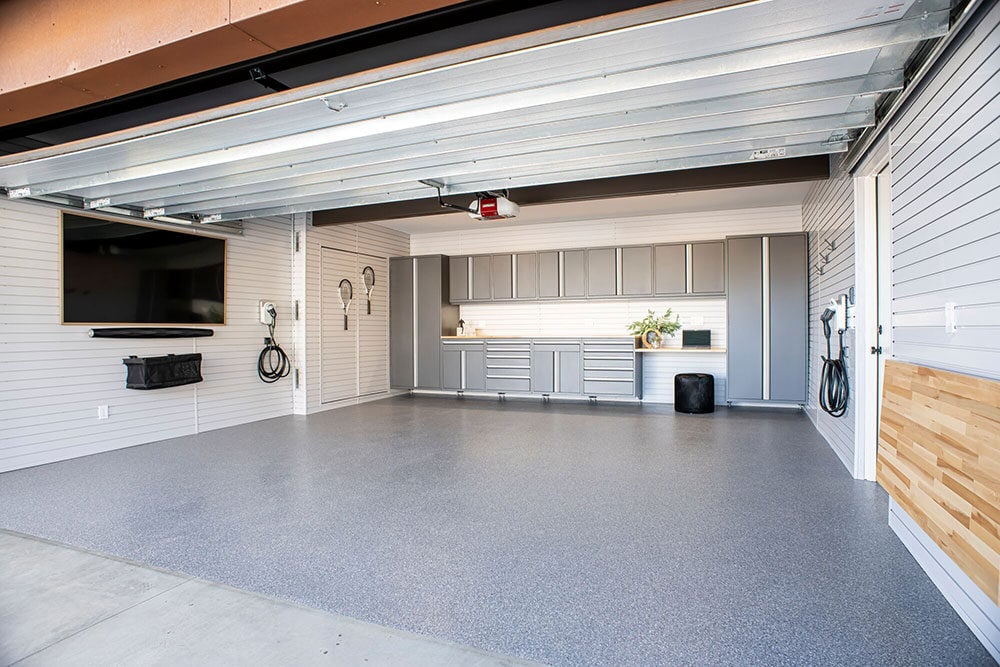
Credit: www.garageliving.com
Getting Inspiration
If you’re still unsure, look at other garages in your neighborhood, design magazines, or sites like Pinterest. Many paint brands have online visualizers where you upload a photo and try colors virtually.
You can also get ideas and advice from experts at your local paint store, or check resources like Better Homes & Gardens.
Frequently Asked Questions
What Is The Best Color To Paint A Garage?
Light gray is the most popular choice. It hides dust and marks, looks modern, and works with most homes.
Should I Use The Same Color For Walls And Ceiling?
You can, but using a lighter color on the ceiling (like white) makes the garage feel taller and brighter.
What Paint Finish Should I Use In My Garage?
Eggshell or satin finishes are best for walls. They are easy to clean and resist stains. Use semi-gloss for trim and doors.
Do I Need To Use Special Paint In The Garage?
If your garage has moisture issues or is not heated/cooled, pick paint labeled for garages or basements. Mildew-resistant paints are best for damp areas.
Can I Use Bold Colors In My Garage?
Yes, but use them as accents or on one wall. Too much bold color can make the space feel smaller or dark.
A fresh coat of paint can transform your garage, making it more inviting and useful. Think about how you use the space, test your color choices, and choose practical finishes. With a little planning, your garage can look great and work better for your needs.
.jpg)
Credit: www.garageexperts.com