
Replacing garage door springs is a home repair that many people face, but the cost to replace two garage door springs is not always clear. If your garage door feels heavy, won’t open, or closes too quickly, your springs may be broken. This job is important for both safety and convenience. Choosing the right replacement and understanding the costs can save you stress and money. This guide breaks down the costs, explains the types of springs, and helps you avoid common mistakes. Even if you are new to garage doors, you will find everything you need to know here.
Why Garage Door Springs Matter
Garage door springs are small but powerful parts. They carry most of the weight of the door, making it easy to lift by hand or with an opener. When springs break, your door becomes hard to move and can be dangerous.
There are two main types of springs:
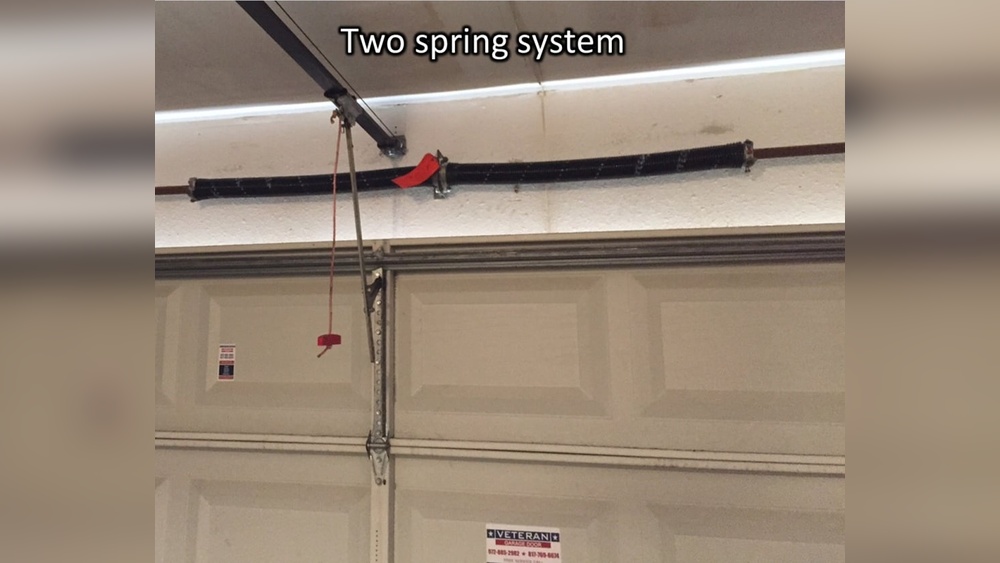
- Torsion springs: Mounted above the door. They twist to create force.
- Extension springs: Located on the sides. They stretch to help lift the door.
Most modern homes use torsion springs because they last longer and are safer.
Average Cost To Replace Two Garage Door Springs
The cost to replace two garage door springs can vary. On average, homeowners pay between $150 and $400 for this service in the United States. If you want a quick answer, here is a typical price range:
- Torsion springs (two): $200 to $400 (parts and labor)
- Extension springs (two): $150 to $250 (parts and labor)
A few factors can make the price go up or down. Let’s break down the main costs.
Price Breakdown Example
Here’s an example of what you might pay for a two-car garage door with torsion springs:
- Springs (parts): $60–$120 per spring ($120–$240 for two)
- Labor: $80–$150
- Service fee: $30–$60
Total: $230–$450
This is just an estimate. Your local costs may be higher or lower.

Credit: www.angi.com
What Affects The Cost?
Many things affect the price of replacing two garage door springs. These include:
- Type of springs: Torsion springs cost more than extension springs.
- Size and weight of the door: Heavier doors need stronger (and sometimes more expensive) springs.
- Quality of springs: High-cycle springs (last longer) cost more.
- Labor rates: Prices vary by city and company.
- Emergency service: After-hours or same-day service costs extra.
Comparison: Torsion Vs Extension Spring Costs
| Spring Type | Parts (2 Springs) | Labor | Total Cost (Average) |
|---|---|---|---|
| Torsion | $120–$240 | $80–$150 | $200–$400 |
| Extension | $60–$120 | $80–$130 | $150–$250 |
Torsion springs are more expensive but usually last longer and are safer.
Labor Vs. Diy: Should You Do It Yourself?
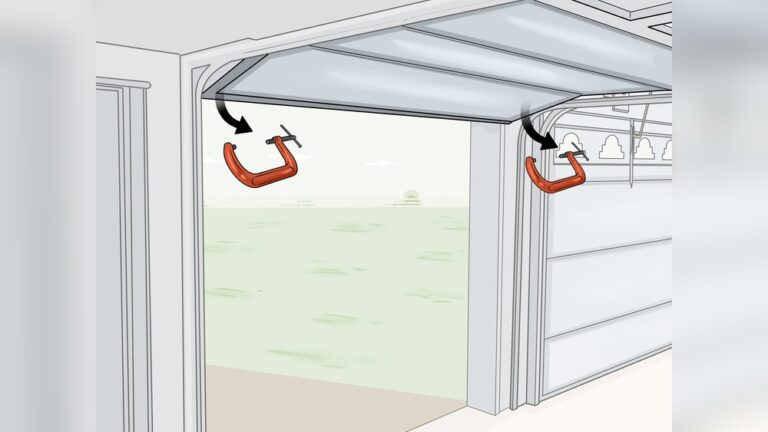
Many homeowners wonder if they should replace garage door springs themselves. The short answer: It’s risky. Garage door springs are under high tension. One mistake can cause serious injury.
Diy Costs
If you have the right tools and experience, you might save on labor. Here’s what you’ll need:
- Two springs: $60–$240 (depending on type)
- Winding bars (for torsion springs): $20–$30
- Safety gear: $10–$25
Total DIY cost: $70–$270
But if you make a mistake, repairs can be much more expensive.
When To Call A Pro
- If you have torsion springs, professionals strongly recommend hiring an expert.
- If your door is very heavy or double-wide.
- If you are not comfortable working with power tools.
Hiring a pro keeps you safe and usually comes with a warranty.

Credit: www.upstatedoors.com
Signs Your Garage Door Springs Need Replacing
How do you know your garage door springs are broken? Look for these signs:
- Door feels heavy: Hard to lift by hand.
- Door won’t open: Opener struggles or stops.
- Loud bang: Sometimes springs snap loudly.
- Gaps in the spring: A broken spring will have a visible gap.
- Crooked door: One side higher than the other.
If you notice any of these, stop using the door and call a technician.
Types Of Garage Door Springs And Their Lifespans
Not all springs are created equal. Knowing the type and expected lifespan helps you plan for repairs.
Torsion Springs
- Usually last 10,000 to 20,000 cycles (a cycle is one open and close)
- One cycle per day = 14–27 years
- Two cycles per day = 7–14 years
Extension Springs
- Usually last 5,000 to 10,000 cycles
- One cycle per day = 7–14 years
- Two cycles per day = 3–7 years
Choosing higher cycle springs costs more up front but means fewer repairs long-term.
Example: How Many Cycles Do You Need?
If your family uses the garage door 4 times per day, a 10,000-cycle spring will last about 7 years:
10,000 cycles ÷ (4 cycles × 365 days) ≈ 6. 8 years
Consider your family’s habits when choosing springs.
Parts And Service: What’s Included In The Price?
A professional garage door spring replacement usually includes:
- Two new springs (matched to your door’s weight)
- Removal of old springs
- Installation and adjustment
- Safety inspection of door and opener
- Lubrication of moving parts
- Short-term labor warranty (usually 30–90 days)
Some companies charge extra for longer warranties or extra parts.
Extra Costs You Might Not Expect
Sometimes, costs go beyond just the springs and labor. Watch for these extra charges:
- Travel fees: If you live outside the service area.
- Emergency or weekend fees: After-hours calls are more expensive.
- Other repairs: If cables, rollers, or bearings are worn.
- Disposal fees: For removing old springs.
Ask for a full quote before you agree to service.
Credit: www.upstatedoors.com
Saving Money: Tips And Common Mistakes
You can avoid spending too much by following a few smart steps.
Tips To Save
- Get multiple quotes: Prices can vary a lot.
- Ask about warranties: Good companies offer at least a 30-day guarantee.
- Avoid emergency calls: Schedule during normal hours if possible.
- Replace both springs: If one breaks, the other will likely fail soon.
- Use local companies: National chains often cost more.
Common Mistakes
- Replacing only one spring (uneven wear, faster failure)
- Choosing the cheapest option (low-quality parts wear out faster)
- Not checking the door’s balance after replacement
Investing in good springs and service saves money over time.
Real-world Examples
Let’s look at a few real-life scenarios.
Example 1: Standard Home, Extension Springs
- Two extension springs: $80
- Labor: $100
- Service fee: $40
Total: $220
Example 2: Heavy Door, Torsion Springs
- Two heavy-duty torsion springs: $220
- Labor: $130
- Service fee: $50
Total: $400
Example 3: High-cycle Upgrade
- Two high-cycle torsion springs: $320
- Labor: $140
- No extra fees
Total: $460
Prices are for illustration. Always get quotes in your area.
How To Choose A Reliable Garage Door Technician
Picking the right service company is as important as choosing springs. Here’s how to find a good one:
- Look for licensed and insured companies.
- Read online reviews (Google, Yelp, Better Business Bureau).
- Ask for a written estimate.
- Check if they offer warranties on parts and labor.
- See if they are local (faster, often cheaper).
A good technician will answer your questions and not pressure you.
Warranty And Maintenance Considerations
Many new springs come with warranties. Typical coverage:
- Standard springs: 1–3 years
- High-cycle springs: Up to 5–7 years
Check the fine print—some warranties only cover the part, not labor.
To make your springs last longer:
- Lubricate moving parts twice a year.
- Inspect for rust or wear.
- Don’t overload the door with extra weight.
Regular maintenance means fewer surprises and lower costs.
Regional Price Differences
Not every city charges the same for garage door spring replacement. Here’s a sample comparison:
| City | Low End | High End |
|---|---|---|
| Dallas, TX | $150 | $300 |
| Los Angeles, CA | $200 | $400 |
| Chicago, IL | $170 | $350 |
| Miami, FL | $180 | $360 |
Prices in major cities are often higher due to labor costs.
Environmental And Safety Considerations
Modern springs are more durable, but older springs can be dangerous. If your springs are over 10 years old, consider replacing them even if they’re not broken.
For families with children or pets:
- Install safety cables with extension springs to prevent injury.
- Test the door’s auto-reverse feature regularly.
Old springs can rust and snap, causing damage or injury. Upgrading is not just about convenience—it’s about safety.
Frequently Asked Questions
How Long Does It Take To Replace Two Garage Door Springs?
Most professionals finish the job in one to two hours. Complicated setups or heavy doors can take a bit longer. DIY takes more time, especially for first-timers.
Can I Replace Garage Door Springs Myself?
It’s possible, but not recommended for beginners. Springs are under high tension and can cause serious injury. Professionals have the right tools and experience.
Should I Replace Both Springs At The Same Time?
Yes. If one spring breaks, the other is likely close to failing. Replacing both ensures balanced lifting and avoids another service call soon after.
What’s The Difference Between Standard And High-cycle Springs?
Standard springs last about 10,000 cycles. High-cycle springs may last 20,000 or more. High-cycle springs cost more but mean fewer replacements over time.
How Can I Extend The Life Of My Garage Door Springs?
- Lubricate springs and rollers twice a year.
- Keep the door balanced and clean.
- Avoid slamming the door or adding weight.
If you need more technical details, the Garage Door Institute offers trusted information: Garage Door Institute.
Replacing two garage door springs is a smart investment for safety and home value. Costs are clear if you know what to look for—choose quality parts, hire a reliable pro, and maintain your door for the best results. With this guide, you can make a confident decision and keep your garage door working smoothly for years.