
Auto Repair Garage: What Beginners Need To Know
Car problems can happen to anyone. When your vehicle breaks down, the right auto repair garage can save you time, money, and stress. But for many people, especially beginners, garages seem confusing and even intimidating. This guide will help you understand what auto repair garages do, how to choose a good one, and what to expect as a customer.
What Is An Auto Repair Garage?
An auto repair garage is a shop or service center where mechanics fix, maintain, and inspect vehicles. These garages can be small family-run businesses or large chains with multiple locations. They provide everything from basic oil changes to complex engine repairs.
Common services you’ll find at most garages include:
- Brake repair and replacement
- Oil changes
- Engine diagnostics
- Tire rotation and balancing
- Transmission service
- Battery replacement
- Air conditioning repairs
Some garages specialize in certain types of vehicles, like European cars or trucks, while others fix all brands.
Types Of Auto Repair Garages
Choosing the right garage depends on your needs. Here’s a simple overview:
| Type | What They Do | Best For |
|---|---|---|
| Independent Garage | Family-owned, local, flexible pricing | Personal touch, local loyalty |
| Franchise Chain | National brand, set prices, fast service | Quick fixes, standard repairs |
| Dealership Service Center | Specializes in one brand, advanced tools | Warranty service, brand expertise |
| Specialty Shop | Focus on transmissions, brakes, etc. | Complex repairs, unique vehicles |
Insight: Independent garages often offer lower prices, but dealership centers have direct access to original parts and factory-trained technicians.
How To Choose A Good Auto Repair Garage
It’s important to pick a garage you trust. Here are practical steps:
- Check certifications: Look for signs like ASE certification (Automotive Service Excellence). This means mechanics meet industry standards.
- Ask for recommendations: Friends, family, or online reviews are helpful. Reliable garages have a good reputation.
- Visit the shop: A clean, organized garage often means the staff takes pride in their work.
- Request estimates: Good garages give clear, written price quotes before starting repairs.
- Evaluate communication: The staff should explain repairs in simple language. If you feel rushed or confused, consider another shop.
Non-obvious tip: Some garages offer free inspections or diagnostic checks. This can help you compare prices and service quality before you commit.
Common Services And Their Costs
Understanding what repairs may cost helps you avoid surprises. Here’s a typical range for basic services in the US:
| Service | Average Cost (USD) | Time Required |
|---|---|---|
| Oil Change | $35–$75 | 30–45 mins |
| Brake Pad Replacement | $150–$300 per axle | 1–2 hours |
| Engine Diagnostic | $80–$120 | 1 hour |
| Battery Replacement | $90–$200 | 30 mins |
| Tire Rotation | $25–$50 | 30 mins |
Note: Prices vary by location, vehicle type, and garage. Always ask for a written estimate.
What Happens During A Visit
If you’ve never been to a garage, here’s what to expect:
- Arrival: Park your car and check in at the office.
- Describe the problem: Explain any noises, warning lights, or issues.
- Inspection: A mechanic will inspect your car and may run computer diagnostics.
- Estimate: You’ll get a price estimate before work begins.
- Approval: You must approve the repairs. Never feel pressured to say yes.
- Repair: The garage completes the work. Sometimes they’ll find extra issues—ask for explanations before agreeing to more repairs.
- Pickup: Review the bill and ask for a summary of what was fixed.
Practical tip: Always keep your receipts. They help with warranties and future repairs.
Red Flags To Watch Out For
Not every garage is honest. Watch for these warning signs:
- Vague estimates: If the price is unclear, ask for details.
- Pushy sales tactics: You should never feel forced into extra repairs.
- No certification: Certified mechanics are more likely to do quality work.
- Dirty, disorganized shop: This can signal careless work habits.
- No warranty: Reliable garages stand by their repairs.
Non-obvious tip: If a garage refuses to let you see old parts they replaced, be cautious. Honest shops will show you the damaged parts if you ask.
Credit: www.cogarage.com
How To Save Money On Auto Repairs
Auto repairs can be expensive, but you can cut costs with these tips:
- Do basic maintenance: Regular oil changes and tire checks prevent bigger problems.
- Ask about used parts: Some repairs don’t need brand-new parts. Used or rebuilt parts can save money.
- Get multiple quotes: Comparing prices from different garages helps you find the best deal.
- Use coupons or discounts: Many shops offer online deals or seasonal specials.
- Learn simple tasks: Replacing wiper blades or air filters is easy to do yourself.
Example: Swapping your own air filter can cost $10, while a garage might charge $30–$50 for the same job.
Understanding Warranties And Guarantees
A good garage will stand behind their work with a warranty. This means if something goes wrong soon after the repair, they’ll fix it for free or at a discount.
- Parts warranty: Covers the replacement parts used.
- Labor warranty: Covers the work done by the mechanic.
- Typical warranty period: 12 months or 12,000 miles, but this varies.
Practical advice: Always ask for the warranty terms in writing. Keep this information with your receipts for quick reference.

Credit: en.wikipedia.org
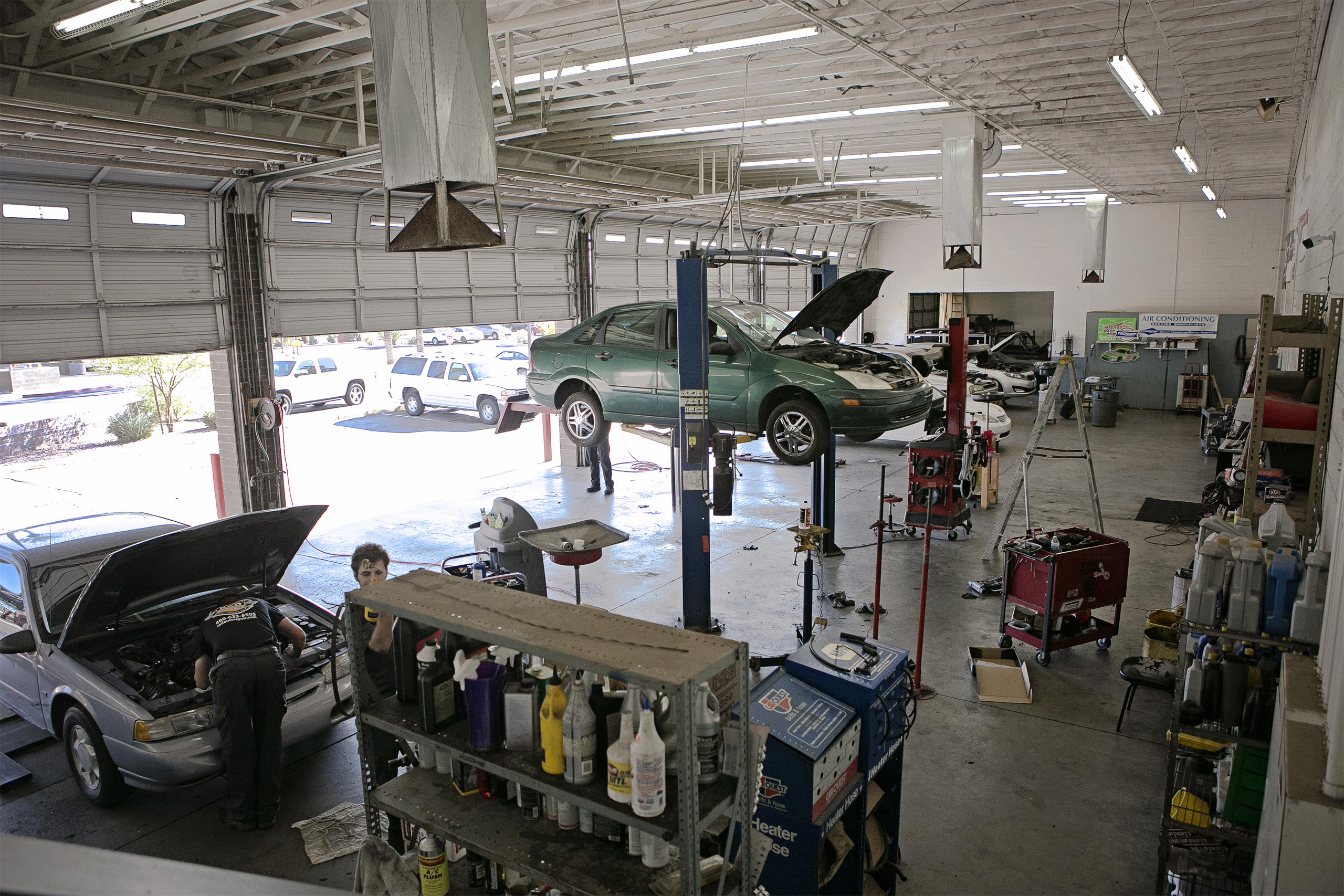
Essential Tools And Equipment In A Garage
A well-equipped garage has many tools. Here’s a look at the basics:
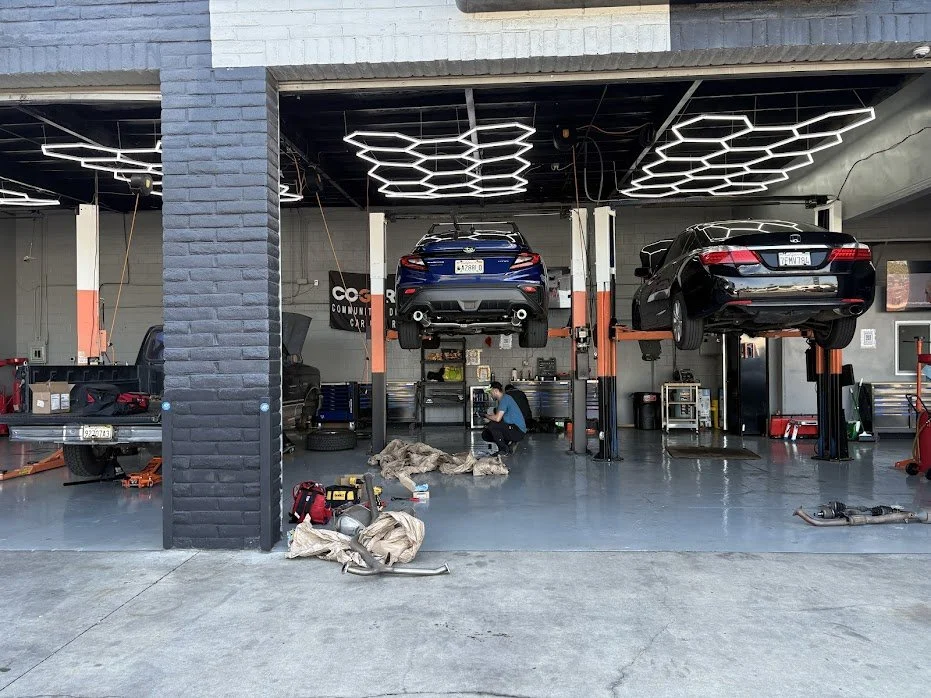
- Hydraulic lift: Raises cars for underbody work.
- Diagnostic scanner: Checks engine and system problems.
- Air compressor: Powers tools like impact wrenches.
- Brake lathe: Resurfaces brake rotors for smoother stops.
- Wheel balancer: Ensures tires spin evenly.
Insight: Advanced garages now use digital tablets and online systems to track repairs and order parts quickly.
Are All Garages Certified?
Not all garages are the same. Some have mechanics with extra training and certifications. The most respected is ASE certification. Mechanics with this badge pass tough tests and stay updated on new car technology.
Non-obvious insight: Some luxury car brands require their own certification. If you drive a high-end vehicle, ask if the garage is approved by your car’s manufacturer.
Comparing Auto Repair Garages Vs. Diy Repairs
Some car owners like to fix their own vehicles. Here’s a quick comparison to help you decide what’s best:
| Auto Repair Garage | DIY Repair |
|---|---|
| Expert mechanics | Owner does the work |
| Access to professional tools | May lack equipment |
| Warranty on parts and labor | No warranty, risk of mistakes |
| Faster for complex jobs | Can be slow without experience |
| More expensive | Cheaper for simple fixes |
Tip: DIY repairs work for simple jobs like changing oil or wiper blades. For brakes, engine, or electrical issues, a qualified garage is safer.
The Importance Of Regular Maintenance
Regular maintenance keeps your car safe and running well. Skipping basic care can lead to costly breakdowns. Here’s what most garages recommend:
- Oil change: Every 3,000–5,000 miles
- Brake inspection: Every 10,000 miles
- Tire rotation: Every 6,000–8,000 miles
- Fluid checks: At least twice a year
Practical example: Fixing a small oil leak early might cost $100. Waiting could damage the engine and cost $2,000 or more.
Credit: www.stapleysgarage.com
Digital Changes In Auto Repair Garages
Today’s garages use more technology than ever:
- Online booking: Schedule appointments by phone or on the website.
- Digital estimates: Receive repair quotes by email or text.
- Repair tracking: Some shops let you see progress updates online.
- Mobile mechanics: Some services come to your home or office.
Interesting fact: According to the Automotive Service Association, over 60% of garages now use digital inspection tools to improve accuracy.
To learn more about the latest trends in auto repair, visit the Automobile Repair Shop Wikipedia page.
What To Do If You’re Not Satisfied
Sometimes, repairs don’t go as planned. If you’re unhappy:
- Speak up quickly: Tell the garage as soon as you spot a problem.
- Show your receipts: Proof of payment helps your case.
- Request a re-check: Many garages will inspect and correct mistakes.
- Contact local authorities: For serious problems, you can reach out to the Better Business Bureau or a consumer protection office.
Tip: Always stay calm and polite. Most issues are fixed faster when you communicate clearly.
Frequently Asked Questions
What Should I Bring To An Auto Repair Garage?
Bring your vehicle registration, a list of problems or symptoms, and any warranty information. Receipts from past repairs can also help the mechanic understand your car’s history.
How Often Should I Visit A Garage For Maintenance?
Visit every 3,000–5,000 miles for an oil change. Other services, like brake checks or tire rotation, can be done every 6 months or as your owner’s manual suggests.
Can I Ask For My Old Parts Back?
Yes. It’s your right to see or keep the old parts the garage replaces. This helps you confirm the work was actually done.
How Do I Know If A Repair Estimate Is Fair?
Compare the estimate with other local garages. Look for clear explanations of parts and labor. If something seems high, ask the mechanic to explain why.
Is It Safe To Use A Small, Independent Garage?
Yes, as long as the shop is certified, has positive reviews, and offers clear warranties. Independent garages often provide more personal service and lower prices.
Finding the right auto repair garage can make car ownership much less stressful. With a little knowledge and preparation, you’ll feel confident every time your vehicle needs attention. Remember, regular maintenance keeps your car safe and can save you money in the long run.