
A garage door that slips off its track is more than just an inconvenience—it’s a safety risk and can damage your property if not fixed quickly. Many homeowners face this problem, especially if their garage door is older or gets heavy use. Understanding why a garage door goes off track, how to spot the signs early, and what you can do about it can save you time, money, and stress. This article will guide you through everything you need to know, from the most common causes to simple steps for getting your garage door working again.
How A Garage Door Track System Works
Garage doors move up and down using a system of rollers, tracks, and springs. The rollers are attached to the sides of the door and move inside the metal tracks fixed to the wall. Springs and cables help the door lift smoothly and lower gently.
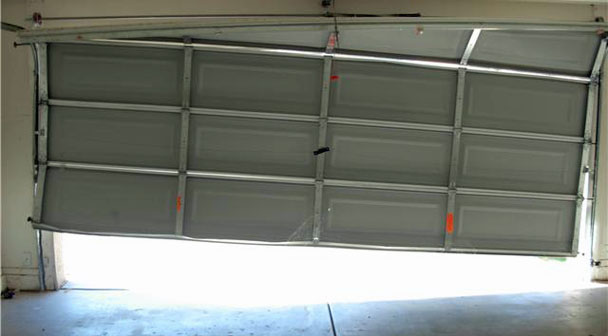
If any part of this system fails, the door can jump off the track. When that happens, the door may get stuck, become crooked, or fall dangerously. Knowing how the track system works makes it easier to understand what to check if something goes wrong.
Common Reasons A Garage Door Goes Off Track
Several things can cause a garage door to come off track. Here are the most frequent ones:
- Broken or worn rollers – If a roller cracks or wears down, it can slip out of the track.
- Loose or damaged tracks – If the metal tracks are bent or not tightly secured, the rollers can pop out.
- Obstacles in the track – Small stones, tools, or even dirt can block the rollers and push the door off.
- Cable issues – If a lift cable breaks or comes loose, one side of the door will drop and pull the door off track.
- Impact – Accidentally hitting the door with a car or bike can force it out of alignment.
Real-life Example
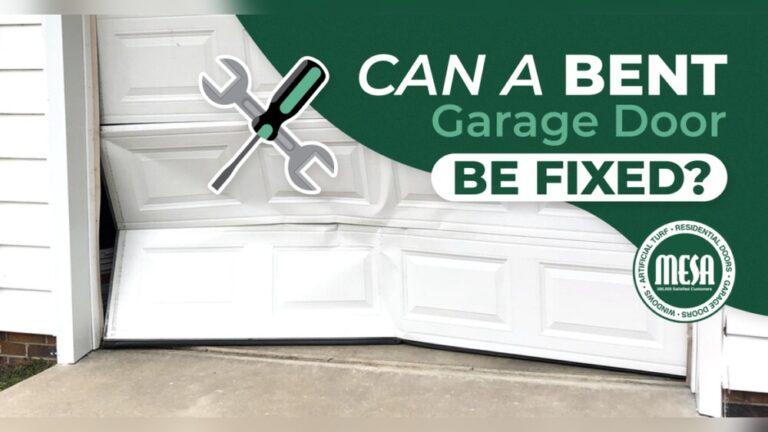
A family in Texas found their garage door stuck at an angle after their child’s bicycle fell against the track. The roller jumped out, making the door impossible to open. A quick check showed a bent track and a broken roller.
After replacing the damaged parts, the door worked normally.
Signs Your Garage Door Is Off Track
Many people notice their garage door is not working right but aren’t sure what’s wrong. Here are some clear signs:
- The door looks crooked when opening or closing
- Loud grinding or scraping noises
- The door gets stuck or moves unevenly
- Gaps between the rollers and the track
- The door doesn’t open all the way or suddenly slams shut
If you see any of these, stop using the door until you fix the problem. Trying to force it can cause more damage or injury.
Immediate Steps To Take If Your Door Is Off Track
If you notice your garage door off track, here’s what you should do:
- Stop using the opener – Do not press the remote or wall button. Forcing the motor can break it.
- Disconnect the opener – Pull the emergency release cord to disconnect the door from the opener rail.
- Check for obstacles – Look for objects in the track that might be blocking the rollers.
- Do not try to force the door closed – This can bend the tracks or break more parts.
- Call a professional if unsure – If you’re not confident, it’s safer to get expert help.
Can You Fix A Garage Door Off Track Yourself?
Many homeowners wonder if they can fix an off-track garage door without calling a technician. The answer depends on the cause and your comfort with DIY repairs. Simple problems, like a small obstacle or a loose roller, can sometimes be fixed with basic tools.
But if the track is bent, the cables are broken, or the springs are damaged, it’s best to call a professional.
Tasks You Can Safely Try
- Removing small objects from the track
- Tightening loose track brackets with a wrench
- Gently realigning a slightly bent track with a rubber mallet
When To Call A Pro
- The door is very heavy or stuck
- Cables or springs are broken
- The door has fallen off completely
- You don’t have the right tools or safety equipment
Step-by-step Guide: Fixing A Simple Off-track Garage Door
If you want to try fixing a garage door off track yourself, here’s a basic guide for minor cases:
- Disconnect the opener – Pull the red emergency release handle.
- Lift the door manually – Get a helper if needed. Do not force it.
- Check the rollers and tracks – Look for obvious problems like debris or a roller out of place.
- Place the rollers back – If a roller has popped out, use pliers to slightly open the track, slip the roller in, then close the track with a mallet.
- Check alignment – Make sure the track is straight. Tighten any loose screws.
- Test by hand – Move the door up and down gently to check if it rolls smoothly.
- Reconnect the opener – Only after you’re sure the door is moving correctly.
Safety Tip: Garage doors are heavy and under tension. Never touch the springs or cables unless you are trained.
Credit: www.abcgaragedoorllc.com
Cost Comparison: Diy Vs. Professional Garage Door Repair
The cost to fix a garage door off track can vary a lot. Here’s a comparison:
| Repair Type | Average Cost (DIY) | Average Cost (Professional) |
|---|---|---|
| Remove debris, tighten brackets | $0 – $20 | $80 – $120 |
| Replace roller | $5 – $15 per roller | $120 – $180 |
| Realign track | $0 – $30 | $125 – $250 |
| Repair cable/spring | Not recommended | $150 – $350 |
*DIY is cheaper for small fixes, but professional help is safer for complex repairs. *
How To Prevent Garage Door Track Problems
Preventing your garage door from going off track is easier than fixing it later. Here are some practical tips:
- Clean the tracks monthly to remove dirt and debris.
- Lubricate rollers and tracks with garage door lubricant every six months.
- Check for loose screws and bolts on brackets and tracks.
- Inspect rollers for cracks or wear—replace if needed.
- Never force the door if it’s stuck.
Maintenance Checklist
- Wipe tracks with a dry cloth
- Spray silicone lubricant on rollers
- Tighten all hardware with a wrench
- Test the door balance by disconnecting the opener and lifting the door halfway—it should stay in place

Credit: www.youtube.com
Roller Types And Their Impact On Track Issues
Not all garage door rollers are the same. Some are more likely to cause problems than others. Here’s a quick comparison:
| Roller Type | Material | Expected Lifespan | Noise Level | Maintenance Needs |
|---|---|---|---|---|
| Plastic | Nylon/plastic | 1–3 years | Low | Low |
| Steel (unsealed) | Steel | 3–5 years | High | High (needs oil) |
| Steel (sealed bearing) | Steel with sealed bearing | 10+ years | Medium | Low |
| Nylon (sealed bearing) | Nylon with sealed bearing | 10–15 years | Very Low | Low |
Upgrading to nylon rollers with sealed bearings can reduce problems and noise.
When Is It Time For A Full Track Replacement?
Sometimes, fixing an off-track door isn’t enough. If your tracks are bent, rusted, or worn out, replacement might be the smartest choice. Here’s how to know:
- The track has large dents or bends that can’t be straightened.
- Rust or corrosion is visible along most of the track.
- The door comes off track frequently, even after repairs.
- The door makes loud noises even after lubricating rollers and tracks.
Replacing the tracks is a bigger job and usually costs $150–$400, including parts and labor.
Safety Tips Most People Miss
Many beginners overlook these important safety points:
- Never remove or adjust garage door springs on your own. Springs are under extreme tension and can cause serious injury.
- Always disconnect power to the opener before starting any repairs.
- Wear gloves and safety glasses to protect your hands and eyes from sharp metal edges.
- If your garage door uses an old extension spring system, consider upgrading to a safer torsion spring system.
How Long Does A Typical Garage Door Track Last?
Most garage door tracks last between 15–30 years with regular maintenance. However, rough weather, poor installation, or lack of cleaning can cut this short. Regular checks can spot problems before they become expensive.

Credit: firstlinegarage.com
Professional Garage Door Services: What To Expect
When you call a garage door technician, here’s what usually happens:
- Inspection – The technician checks the door, tracks, rollers, and springs.
- Diagnosis – They explain the problem and suggest options.
- Estimate – You get a written cost estimate before work starts.
- Repair or replacement – The technician repairs or replaces damaged parts.
- Testing and safety check – They test the door for smooth movement and safety.
Choosing a licensed, insured professional is important. For more details on how garage door systems work, visit the Wikipedia page on garage doors.
Garage Door Track Parts: Quick Reference
Here’s a simple breakdown of parts involved:
| Part | Function | Common Issues |
|---|---|---|
| Track | Guides rollers up and down | Bends, rust, loose brackets |
| Roller | Moves inside the track | Wear, cracks, falls out |
| Bracket | Holds track to wall/ceiling | Loose screws, bending |
| Cable | Helps lift door evenly | Fraying, breakage |
| Spring | Provides lifting force | Breakage, loss of tension |
Frequently Asked Questions
What Should I Do First If My Garage Door Comes Off Track?
Stop using the door immediately. Disconnect the opener, check for visible problems, and avoid forcing the door. If you’re unsure, call a professional.
Is It Dangerous To Fix A Garage Door Off Track By Myself?
It can be dangerous, especially if the problem involves cables or springs. Stick to simple fixes like removing debris or tightening screws. Leave major repairs to experts.
How Much Does It Usually Cost To Fix A Garage Door Off Track?
Small fixes might cost nothing if you do them yourself. Professional repairs usually range from $80 to $350 depending on the problem.
How Can I Prevent My Garage Door From Going Off Track?
Regular maintenance is key. Clean and lubricate tracks, check rollers, and tighten hardware every few months.
What Type Of Rollers Are Best For Garage Doors?
Nylon rollers with sealed bearings are the best choice for most homes. They last long, run quietly, and need little maintenance.
A garage door off track is a problem you can’t ignore. With the right steps, you can often solve minor issues yourself and keep your door working smoothly for years. Regular checks and quick action make all the difference. If you have any doubt, don’t risk it—call a trained professional for help.