
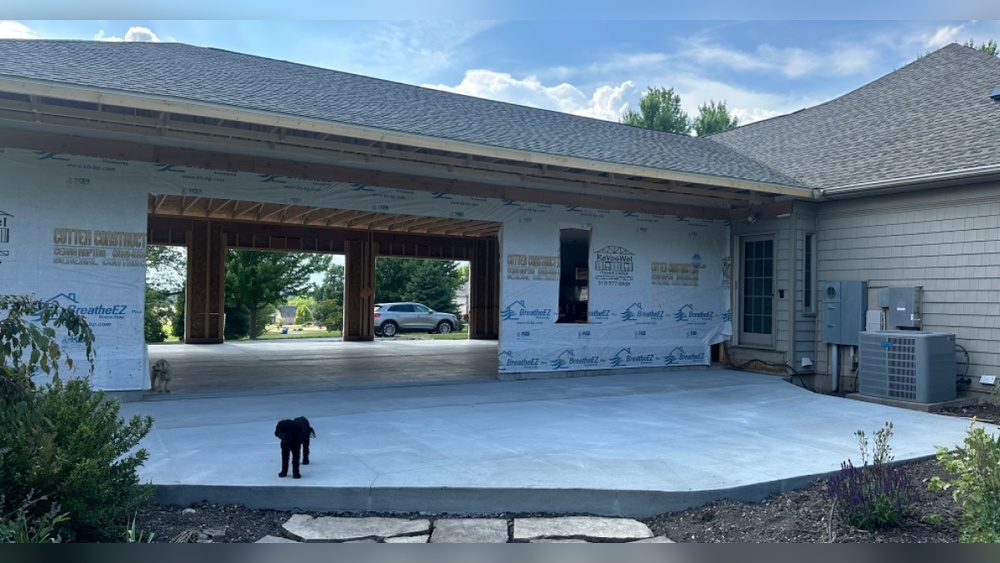
Adding a garage to your home is one of the most practical upgrades you can make. It protects your car, gives you extra storage, and can even boost your home’s value. But before starting this project, it’s smart to understand the garage addition cost and what factors affect your budget.
Many homeowners are surprised by the range in costs, and it’s easy to get lost in details. This guide will break down every cost element, offer real examples, and answer common questions in simple, clear terms. If you’re planning a garage addition, this article will help you make confident, informed decisions.
What Is The Average Garage Addition Cost?
The average cost to add a garage in the US ranges from $28,000 to $55,000 for a standard two-car garage. That’s a wide range, but your final price depends on size, materials, and location.
For reference:
- Single-car garage (12×20 feet): $16,000–$31,000
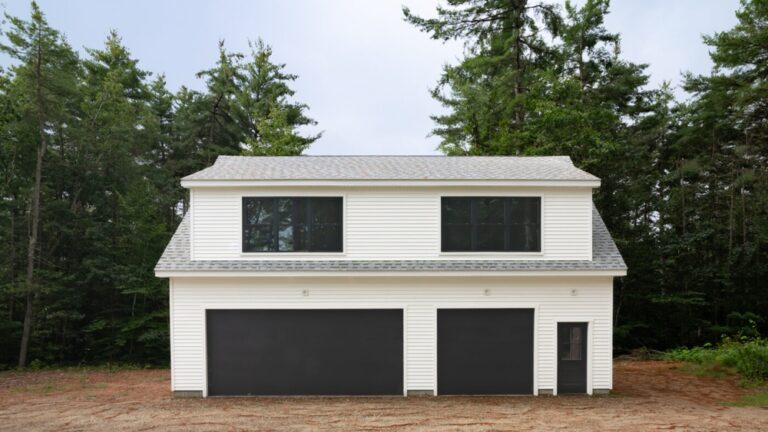
- Two-car garage (24×24 feet): $28,000–$55,000
- Three-car garage (32×24 feet): $44,000–$80,000
These numbers include basic construction, materials, and labor. Upgrades like finished interiors or extra storage cost more.
Main Factors That Affect Garage Addition Cost
Not all garages cost the same. Here are the biggest factors that change your total price:
1. Garage Size
Larger garages need more materials and labor.
- Single-car: Cheapest option. Good for small driveways or tight spaces.
- Two-car: Most popular. Fits two vehicles and extra storage.
- Three-car: Best for big families or workshops, but most expensive.
2. Attached Vs. Detached Garage
- Attached garages share a wall with your house. Usually cheaper because they use the home’s structure.
- Detached garages are separate buildings. They cost more for foundations and utilities.
3. Foundation And Site Preparation
Building on a slope or rocky soil can add thousands. You may need:
- Grading the land (leveling)
- Extra concrete or deeper footings
- Removing trees or old structures
4. Materials
The quality of materials makes a big difference.
- Wood framing: Most common, flexible, mid-range price
- Cinder block: More durable, higher cost
- Metal: Less common for homes, but cheapest
5. Labor Costs
Labor is usually 40–60% of the total bill. Prices depend on your region. Urban areas cost more than rural places.
6. Extras And Upgrades
- Electricity: Outlets, lighting, garage door opener
- Insulation: Warmer garage, higher cost
- Plumbing: For sinks or drains
- Finished walls: Drywall, paint, cabinets
Cost Breakdown: Where The Money Goes
Understanding where your money goes can help you budget smarter. Here’s a typical breakdown for a two-car garage:
| Category | Estimated Cost | Percent of Total |
|---|---|---|
| Foundation & Slab | $7,000 | 15% |
| Framing | $8,500 | 18% |
| Roofing | $4,500 | 10% |
| Doors & Windows | $5,000 | 12% |
| Electrical & Lighting | $3,500 | 8% |
| Finishing (Drywall, Paint) | $3,000 | 7% |
| Labor | $13,000 | 28% |
| Total | $44,500 | 100% |
Insight: Labor and major materials make up most of your bill. Upgrades like insulation or plumbing are extra.
Real-world Example
Imagine you want to build a 24×24 foot attached two-car garage in Texas.
- Basic build: $32,000
- Add insulation: +$2,400
- Add electrical: +$3,500
- Permits and fees: +$1,100
Total cost: $39,000
If you add a workshop area, windows, and drywall, the cost could reach $45,000 or more.
Attached Vs. Detached Garage: Cost Comparison
Which is better for your budget? Here’s a quick comparison.
| Type | Average Cost (2-car) | Pros | Cons |
|---|---|---|---|
| Attached | $28,000–$44,000 | Cheaper, direct access to home | Less flexible, limited location |
| Detached | $38,000–$55,000 | More design options, can double as shop | Costs more, walk outside to enter house |
Tip: If your home’s layout allows, an attached garage usually saves money. But a detached garage can add privacy and reduce noise.
Common Upgrades And Their Costs
Many homeowners add features to make their garage more comfortable or useful. Here are typical upgrades:
- Insulation: $1,500–$3,500 (keeps garage warmer/cooler)
- Finished interior (drywall, paint): $2,500–$6,000
- Windows: $500–$1,000 each
- Upgraded doors: $1,200–$4,000 (insulated, custom styles)
- Heating/cooling: $2,000–$6,000
- Built-in storage: $1,000–$4,000
Adding a bathroom or laundry hookup can add $7,000–$15,000 to your project.
Permits, Inspections, And Local Codes
Don’t forget the paperwork. Most cities require a building permit for garage additions. Permits cost $400–$2,000 and protect you from fines or legal issues.
- Your city will inspect the work at key steps.
- Skipping permits can lower your home’s resale value.
Always check your local rules before hiring a contractor. They may have rules about setbacks (distance from property lines) or the garage’s height.
Diy Vs. Hiring A Contractor
Some homeowners try to save money by doing the work themselves. But is this a good idea?
Diy Garage Addition
- Pros: Save on labor, more control, can do upgrades later
- Cons: Slow process, need building skills, hard to pass inspections
A DIY garage can save 20–30% on labor. But mistakes can cost more to fix. Most beginners find a contractor is worth the peace of mind.
Hiring A Contractor
- Pros: Faster, professional results, easier permits
- Cons: Higher cost, less hands-on
Insight: For most people, hiring a licensed contractor is the best choice. You get warranties, better resale value, and less stress.
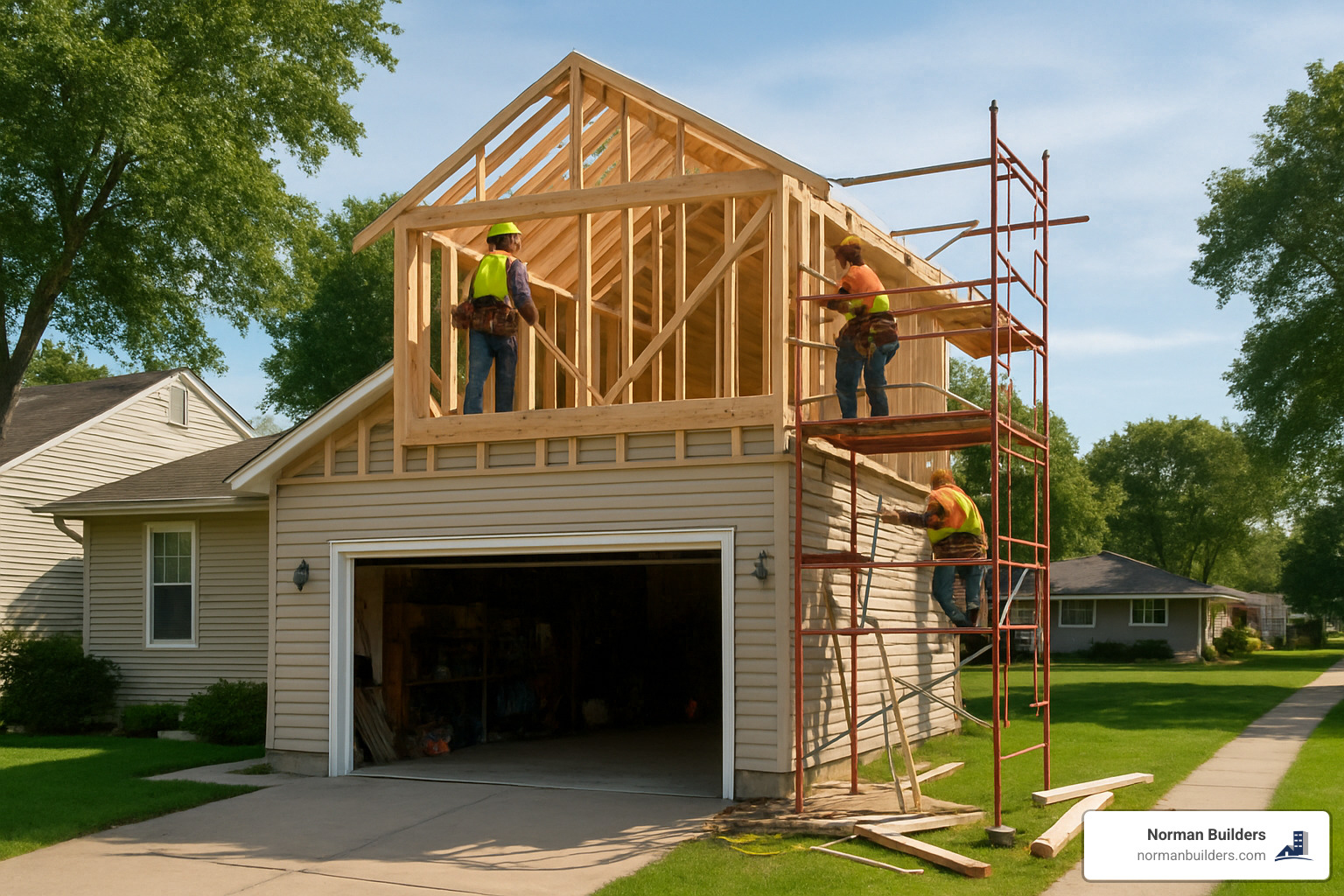
Credit: normanbuilders.com
Financing Your Garage Addition
Few homeowners pay cash for a new garage. Here are ways to finance your project:
- Home equity loan: Low rates, uses your house as collateral
- Personal loan: Fast approval, higher rates
- Credit card: For small upgrades only, high rates
- Refinancing: Combine with a mortgage if you plan other renovations
Shop around for the best rates. Never start construction until you know your financing is ready.
Ways To Save On Garage Addition Cost
Building a garage can be expensive, but there are smart ways to keep costs down:
- Keep it simple: Basic shapes and roofs cost less.
- Choose standard sizes: Custom designs add to the price.
- Limit windows and doors: Each one adds cost.
- Finish the interior later: You can add drywall and paint after building.
- Shop for materials: Sometimes, you can buy doors or fixtures on sale.
Non-obvious tip: Some contractors offer off-season discounts (late fall or winter). Ask if you can save by adjusting your timeline.
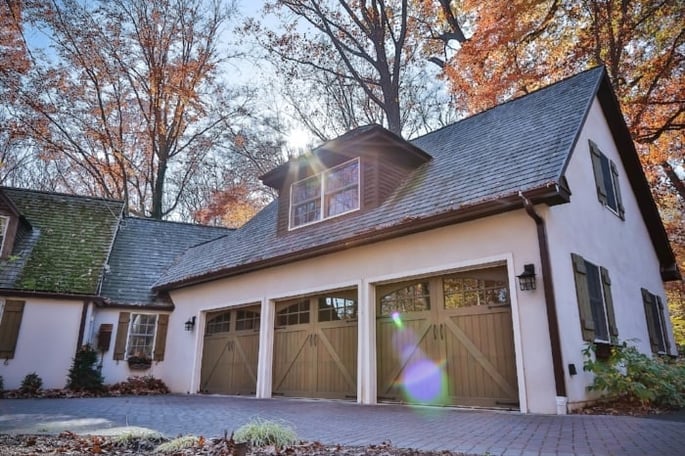
Credit: www.tilghmanbuilders.com
Hidden Costs Most People Miss
Homeowners often forget these extra costs:
- Demolition: Removing old sheds or carports adds $1,000–$3,000.
- Driveway extension: Connecting the new garage can cost $2,000–$7,000.
- Landscaping repair: Fixing lawns or fences after construction.
- Insurance increase: Your home insurance may go up with a larger structure.
Budgeting an extra 10% for surprises is a smart move.
How Garage Addition Affects Home Value
Adding a garage can increase your home’s value by 10–15%. But the return depends on your area and how well the garage matches your home.
- In cold climates, buyers value a garage more.
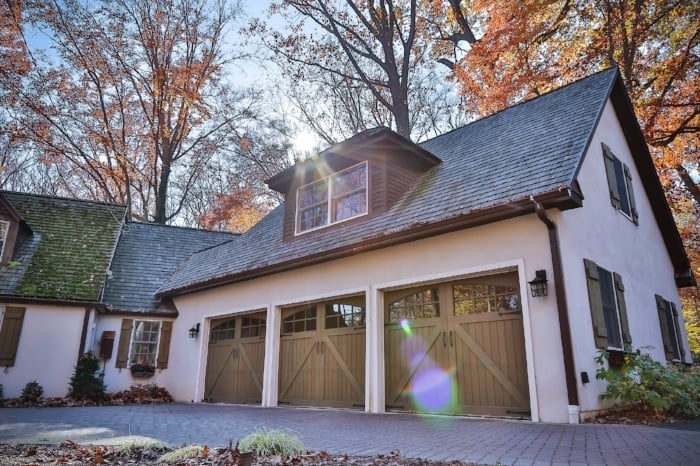
- Matching style and materials to your house is key.
- A messy, unfinished garage adds less value.
Insight: A well-built garage can give you back 60–80% of its cost when you sell your home.
Credit: www.tilghmanbuilders.com
Quick Comparison: Basic Vs. Upgraded Garage
Here’s a side-by-side look at what you get with a basic vs. an upgraded garage.
| Feature | Basic Garage | Upgraded Garage |
|---|---|---|
| Insulation | No | Yes |
| Finished Walls | No | Drywall & Paint |
| Windows | Few | Multiple, custom |
| Heating/Cooling | No | Yes |
| Average Cost (2-car) | $28,000–$36,000 | $44,000–$65,000 |
Final Thoughts
A garage addition is a big investment, but it brings comfort, convenience, and higher home value. Costs range a lot, but knowing what affects the price helps you plan better. Always get several quotes from local contractors, check for hidden fees, and compare what’s included.
If you’re ready to start, research local building codes and set a realistic budget. Remember, it’s better to spend a little more for a garage that’s safe, useful, and adds value for years to come.
For more details on home remodeling costs, visit this Forbes Home Guide.
Frequently Asked Questions
How Long Does It Take To Build A Garage Addition?
Most garage additions take 4 to 8 weeks. Weather, permits, and upgrades can change the timeline. A simple one-car garage is faster than a large, upgraded structure.
Is A Garage Addition Worth The Cost?
Usually, yes. Most homeowners get 60–80% of their money back when they sell. You also get extra storage and weather protection for your car.
Can I Add A Garage To An Old House?
Yes, but it may cost more. Older homes might need upgrades to connect the garage, like new foundations or electrical work. Always check with a contractor about your home’s limits.
Do I Need A Permit To Build A Garage?
In most areas, yes. A building permit is required. Your city may also need plans and inspections. Skipping permits can cause problems when selling your home.
What Is The Cheapest Way To Add A Garage?
Choose a basic attached garage with simple materials, no windows, and finish the inside later. Doing some work yourself also saves money, but only if you have building skills.