
What Does Garage Ready Freezer Mean
If you’re searching for a new freezer and see the term “garage ready,” you might wonder what it really means. Many buyers get confused by these labels, and choosing the wrong freezer can lead to spoiled food and wasted money.
Understanding this term helps you pick a freezer that works reliably, even in challenging places like your garage. Let’s explore what a garage ready freezer is, why it matters, and how to choose the right one for your needs.
What Is A Garage Ready Freezer?
A garage ready freezer is designed to work well in a garage, basement, or other spaces that are not climate-controlled. Standard freezers are made for indoor use, where temperatures stay between 60°F and 90°F (about 16°C to 32°C). But garages often get much hotter or colder, especially in summer and winter.
A garage ready freezer can handle:
- Extreme heat (often up to 110°F / 43°C)
- Extreme cold (sometimes down to 0°F / -18°C or lower)
- Fluctuating temperatures (day and night swings)
Manufacturers build these freezers with special parts or technology that keeps them running correctly, even when the garage is very hot or freezing cold.
Why Regular Freezers Struggle In Garages
Many people assume all freezers are the same, but that’s not true. Standard freezers can fail in a garage for several reasons:
- Compressor struggles: Standard freezers are designed for steady indoor temperatures. When it gets too cold, the compressor may not turn on, letting food thaw or spoil.
- Overheating risk: In high heat, the compressor works too hard. This can cause breakdowns or higher energy bills.
- Temperature swings: Garages can change temperature quickly. Regular freezers can’t adjust as fast, leading to uneven cooling.
Example: A standard upright freezer in a garage may stop working during a cold winter night, letting food melt and refreeze by morning. This can cause freezer burn or make food unsafe.
Key Features Of Garage Ready Freezers
Garage ready freezers look similar to regular freezers, but they have important differences inside. Here are the main features that set them apart:
1. Special Compressors
These compressors are built to work in a wider range of temperatures.
2. Better Insulation
Thicker walls or improved sealing keep cold air in, even when it’s hot outside.
3. Temperature Sensors
Some models have sensors that adjust cooling automatically.
4. Heater Or Fan Kits
These can keep the compressor working in cold weather.
5. Higher Energy Efficiency
Many garage ready models use less electricity, even in tough conditions.
Let’s compare a typical regular freezer to a garage ready model:
| Feature | Standard Freezer | Garage Ready Freezer |
|---|---|---|
| Operating Temp Range | 60–90°F | 0–110°F |
| Compressor Type | Standard | Wide-temp compatible |
| Energy Use | Higher in garages | Optimized for garages |
| Failure Risk | High in extreme temps | Low in extreme temps |
How Do Garage Ready Freezers Work?
A garage ready freezer uses technology to keep your food safe in harsh temperatures.
- Cold weather: In winter, a standard freezer may not run because the garage is cold. The inside stays above freezing, and food can spoil. A garage ready freezer uses a heater kit or a special compressor that keeps the freezer running, even when the room is cold.
- Hot weather: In summer, the garage can get very hot. The freezer’s compressor must work harder. If it’s not designed for this, it may overheat or break. Garage ready freezers use stronger compressors and better insulation to handle this stress.
Some models even use adaptive technology that senses the room temperature and adjusts the cooling power. This keeps the inside at a safe, steady temperature, no matter what the garage is like.
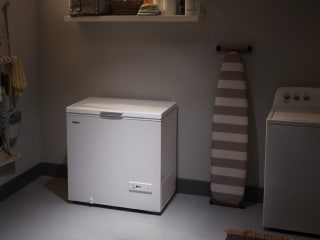
Credit: www.whirlpool.com
Who Needs A Garage Ready Freezer?
Not everyone needs a garage ready freezer. You should consider one if:
- You plan to keep the freezer in a garage, basement, shed, or other unheated/uncooled space.
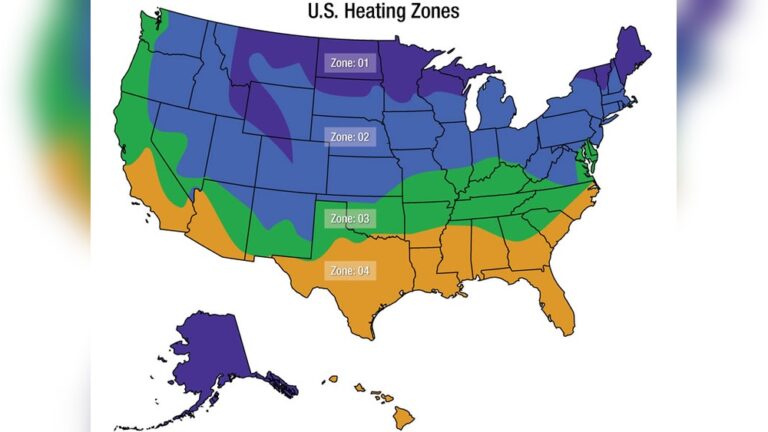
- Your region has cold winters (below 50°F) or hot summers (above 90°F).
- You need reliable storage for expensive or sensitive food items.
If you live in a mild climate and the freezer will be indoors (kitchen, laundry room), a standard freezer is usually fine.
Types Of Garage Ready Freezers
There are two main types:
- Upright Freezers
- Stand tall, open like a refrigerator.
- Easy to organize with shelves and bins.
- Take up less floor space.
- Usually more expensive.
- Chest Freezers
- Open from the top, like a large box.
- Often cheaper per cubic foot.
- Better energy efficiency (cold air stays in when you open the lid).
- Harder to organize, but good for large items.
Here’s a quick look at how upright and chest garage ready freezers compare:
| Type | Space Needed | Organization | Price Range | Energy Use |
|---|---|---|---|---|
| Upright | Less floor space | Easy (shelves) | $$–$$$ | Higher |
| Chest | More floor space | Harder (stacking) | $–$$ | Lower |

Credit: www.spinchill.com
What To Look For When Buying A Garage Ready Freezer
Choosing the right freezer means thinking about more than just size and price. Here are the most important factors:
1. Temperature Range
Check the operating temperature range. The best garage ready freezers work from 0°F to 110°F (or wider).
2. Energy Efficiency
Look for the ENERGY STAR label or similar. More efficient freezers cost less to run.
3. Size And Capacity
Think about what you’ll store. Freezer sizes range from small (5 cubic feet) to large (20+ cubic feet).
- Defrost type
- Manual defrost freezers need you to remove ice by hand every few months.
- Frost-free models use fans to prevent ice build-up, but may cost more.
- Storage features
Shelves, baskets, and dividers make it easier to organize food.
6. Noise Level
Some compressors are louder than others. If your garage is close to living areas, check reviews for noise complaints.
7. Warranty And Support
Choose brands with good customer service and a clear warranty.
8. Price
Expect to pay a bit more for garage ready models, but the reliability is worth it if you store valuable food.
Here’s a quick example of how two models compare:
| Model | Type | Capacity | Defrost | Energy Use | Garage Ready? |
|---|---|---|---|---|---|
| Brand A | Chest | 7 cu ft | Manual | 210 kWh/year | Yes |
| Brand B | Upright | 14 cu ft | Frost Free | 350 kWh/year | No |
Common Mistakes When Using A Freezer In The Garage
Beginners often make costly mistakes. Watch out for these issues:
- Not checking the temperature range: Some “garage ready” labels are misleading. Always check the actual specs.
- Placing the freezer in direct sunlight: This adds extra heat, forcing the compressor to work harder.
- Ignoring ventilation needs: Freezers need space around them to release heat. Don’t push them against a wall.
- Blocking airflow inside: Overfilling or blocking vents makes cooling uneven.
- Not using a thermometer: A simple freezer thermometer can alert you if the temperature rises too high.
- Overloading extension cords: Freezers should plug directly into a wall outlet, not a thin extension cord.

Credit: www.spinchill.com
Non-obvious Insights For Beginners
Here are two tips most new owners miss:
1. A Nearly Full Freezer Runs Better
Freezers hold temperature better when full. If you have empty space, add water bottles to fill gaps. This helps the freezer recover faster after you open the door.
2. Manual Defrost Is Often Better For Garages
While frost-free freezers are convenient, manual defrost models handle extreme cold more reliably. Frost-free models use fans that may not work well in very cold garages.
Real-world Example
Consider a family in Chicago. Their garage drops below freezing every winter. They bought a standard upright freezer, and one morning found their food spoiled—the compressor hadn’t run for days. After switching to a true garage ready chest freezer, they had no more problems, even in -10°F weather.
Do You Really Need A Garage Ready Freezer?
If your garage never gets below 40°F or above 100°F, you might get by with a regular freezer. But for most people in the US, garages see big swings in temperature. Food safety experts recommend garage ready freezers if you’re storing meat, fish, or other expensive items outside the main house.
The extra cost is usually $50–$150 more, but it gives peace of mind and protects your food investment.
Where To Find Reliable Information
Not all “garage ready” claims are trustworthy. Some brands use this label for marketing. Always:
- Read the temperature range in the product’s manual.
- Check reviews from people in your climate.
- Look for trusted brands with a history of reliable appliances.
For more details, you can see the Consumer Reports guide on garage ready freezers.
Frequently Asked Questions
What Does “garage Ready” Actually Mean?
Garage ready means a freezer can work in a wide range of temperatures, usually from 0°F to 110°F. It’s built to handle heat and cold, so your food stays safe in a garage, basement, or outdoor shed.
Can I Use A Regular Freezer In The Garage?
You can, but it’s risky. Regular freezers may stop working in very hot or cold garages. Food can spoil, and you may void the warranty. For reliable storage, a garage ready freezer is the safer choice.
How Do I Know If A Freezer Is Garage Ready?
Check the product details for “garage ready” or “garage optimized” labels. Always read the temperature range in the manual or on the manufacturer’s website. Look for models with special compressors or heater kits.
Will A Garage Ready Freezer Use More Electricity?
Not always. Many garage ready freezers are designed to be energy efficient. In fact, they may use less electricity in harsh climates, since they’re built to handle those conditions better than standard freezers.
Do Garage Ready Freezers Cost More?
Yes, they usually cost a bit more—often $50–$150 extra compared to standard models. The extra cost pays for better parts and reliability. For most people, it’s worth it if you need to store food in the garage.
Garage ready freezers help keep your food safe, even in tough conditions. If you need reliable performance in a garage, they’re usually the best investment. Choosing the right one means paying attention to temperature range, efficiency, and real-world reviews. With the right freezer, you won’t worry about spoiled food—no matter how hot or cold it gets outside.