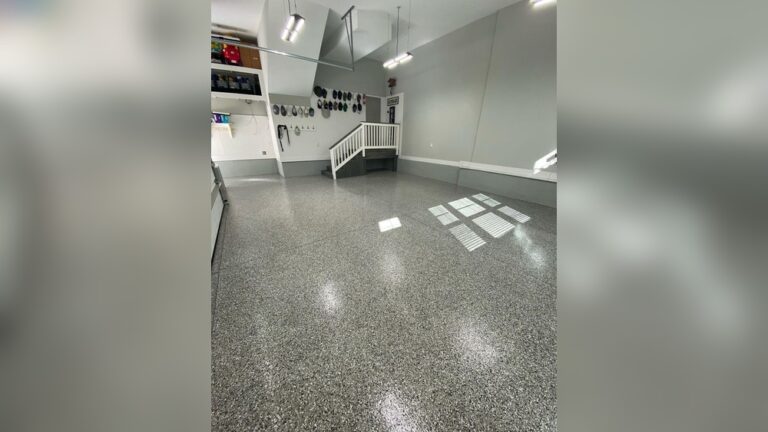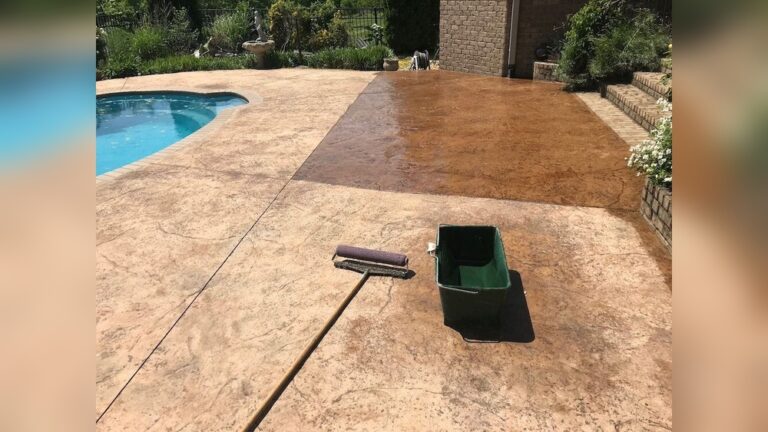

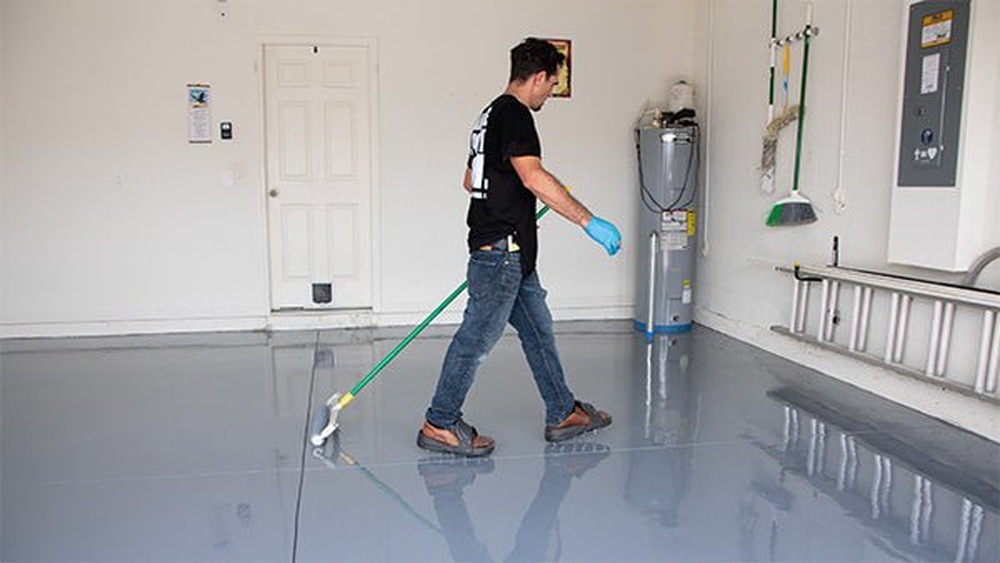
Coating your garage floor with epoxy can change the whole look and feel of your space. It not only makes the floor look cleaner and brighter, but it also protects against stains, cracks, and wear. However, one big question for most homeowners is: How much does it cost to epoxy a garage floor? Understanding the costs will help you plan your budget, compare options, and avoid unexpected surprises.
This guide breaks down all the main cost factors, from materials to labor, and even hidden expenses. Whether you want to do it yourself or hire a pro, you’ll find clear, practical explanations here.
What Is Epoxy Garage Flooring?
Epoxy garage flooring is a coating made from resin and hardener that bonds to concrete. When mixed, these chemicals form a strong, shiny, and protective layer over your garage floor.
Benefits include:
- Durability: Resists scratches, stains, and impact.
- Easy cleaning: Spills wipe up easily.
- Aesthetics: Makes your garage look polished and professional.
Many homeowners choose epoxy to extend the life of their floor while making it look great.
Average Cost To Epoxy A Garage Floor
The cost of epoxy flooring depends on several factors, but here are some typical price ranges for a standard 2-car garage (400–500 sq. ft.) in the US:
- DIY epoxy kits: $150 – $500 total (materials only)
- Professional installation: $1,200 – $3,000 total (materials + labor)
For a single-car garage (about 250 sq. ft.), costs are lower:
- DIY: $80 – $300
- Professional: $750 – $1,800
These costs can go up for premium finishes or if your floor needs extra work before coating.

Credit: ctvegas.com
Main Cost Factors
Several things affect the total price. Here’s what you need to know.
1. Garage Size
The bigger your garage, the more epoxy and prep work you need.
- 1-car garage (approx. 250 sq. Ft.): Lower cost
- 2-car garage (400–500 sq. Ft.): Mid-range cost
- 3-car garage (700+ sq. Ft.): Higher cost
Tip: Measure your garage to get a better estimate.
2. Epoxy Type
Not all epoxy is the same. Some types are thicker, glossier, or longer-lasting.
- Water-based epoxy: Cheapest, easier for DIY, but less durable.
- Solvent-based epoxy: More durable, moderate price, stronger smell.
- 100% solids epoxy: Most expensive, thickest, and most durable. Used by pros.
Example: Water-based kits can start at $0.50–$1.50 per sq. ft., while 100% solids can go above $5 per sq. ft.
3. Floor Condition And Prep
If your garage floor is cracked, stained, or uneven, you’ll spend more.
- Cleaning: Power washing or degreasing ($0.10–$0.50/sq. Ft.)
- Repairs: Filling cracks or holes ($1–$3 per sq. Ft. if severe)
- Grinding: Smoothing rough concrete ($1–$2.50 per sq. Ft.)
Non-obvious insight: Even minor repairs add to cost and time. Skipping them can cause epoxy to peel or fail.
4. Design And Finish
- Single color: Cheapest option
- Metallic, flakes, or patterns: Increases price by $1–$3 per sq. Ft.
- Anti-slip additives: Extra $0.50–$1.00 per sq. Ft.
Example: Adding colored flakes for a decorative look can increase cost by $100–$400 for a standard garage.
5. Labor
DIY: You save on labor, but need time, tools, and patience.
Professional: Most companies charge $3–$7 per sq. ft., which includes prep, materials, and installation.
Tip: Labor costs may be higher in cities with a higher cost of living.
Diy Vs. Professional Installation
Should you do it yourself or hire a pro? Here are the main differences.
| Factor | DIY | Professional |
|---|---|---|
| Cost | Lower ($0.50–$2 per sq. ft.) | Higher ($3–$7 per sq. ft.) |
| Quality | Varies (depends on skill) | Consistent and durable |
| Time Required | 2–3 days (including drying) | 1–2 days (faster, more efficient) |
| Warranty | Rarely included | Often 5–15 years |
Non-obvious insight: Professionals often include surface prep and repairs in their price. DIY kits may not include everything you need.

Credit: www.epoxyplus.com
Typical Breakdown Of Professional Epoxy Floor Cost
Let’s look at what goes into a pro’s price:
- Materials: $200 – $800
- Prep and cleaning: $100 – $500
- Labor: $700 – $1,700
- Design upgrades: $100 – $500
Example for a standard 2-car garage:
- Basic single-color: $1,200 – $1,700
- With flakes/anti-slip: $1,700 – $2,300
- Metallic or custom: $2,500 – $3,000
What’s Included In The Price?
Most professional quotes cover:
- Surface cleaning and degreasing
- Crack and hole repair
- Etching or grinding
- Epoxy application (base and top coats)
- Optional finishes (flakes, metallic, anti-slip)
Practical tip: Always ask for a detailed estimate. Some companies charge extra for repairs or design features.
Hidden And Extra Costs
Epoxy projects often have extra costs that beginners miss:
- Moisture barriers: If your garage has moisture issues, you may need a sealant ($0.50–$1/sq. Ft.)
- Second coat: Some floors need a second epoxy layer for best results.
- Moving items: If your garage is full, you may pay for moving or storage.
- Disposal fees: Old coatings or debris may cost extra to remove.
Tip: Ask your contractor about all possible fees before starting.
Cost Comparison: Epoxy Vs. Other Garage Floor Options
How does epoxy compare to other popular garage flooring options? Here’s a quick look:
| Flooring Type | Cost per sq. ft. (Installed) | Durability | Appearance |
|---|---|---|---|
| Epoxy | $3–$7 | High | Smooth, shiny, many colors |
| Paint | $1–$3 | Low–medium | Basic, single color |
| Polyaspartic | $6–$12 | Very high | Glossy, fast curing |
| Garage tiles | $3–$8 | Medium | Textured, colorful |
Epoxy is a solid middle ground for cost, durability, and look.
Step-by-step: What Happens During An Epoxy Garage Floor Installation?
Whether you do it yourself or hire a pro, these are the basic steps:
- Clear the garage: Remove cars, tools, and everything else.
- Clean the floor: Sweep, wash, and degrease.
- Repair damage: Fill cracks or holes.
- Prep the surface: Etch (acid or mechanical grinding) for better bonding.
- Mix and apply epoxy: First coat, then decorative flakes if desired.
- Cure: Let dry (usually 24–72 hours).
- Apply topcoat: For extra protection and shine.
Practical tip: Don’t rush drying times. Walking or driving too soon can ruin the finish.
How To Save Money On Your Epoxy Garage Floor
You can have a great-looking epoxy floor without overspending. Here’s how:
- Do it yourself: If you’re handy, DIY kits save on labor.
- Choose basic designs: Skip metallics or custom logos.
- Prep yourself: Clean and clear the garage before the pro arrives.
- Get multiple quotes: Prices vary by contractor.
- Schedule during off-peak: Some companies offer discounts in winter.
Non-obvious insight: Some contractors offer package deals if you coat other areas (like the basement or patio) at the same time.
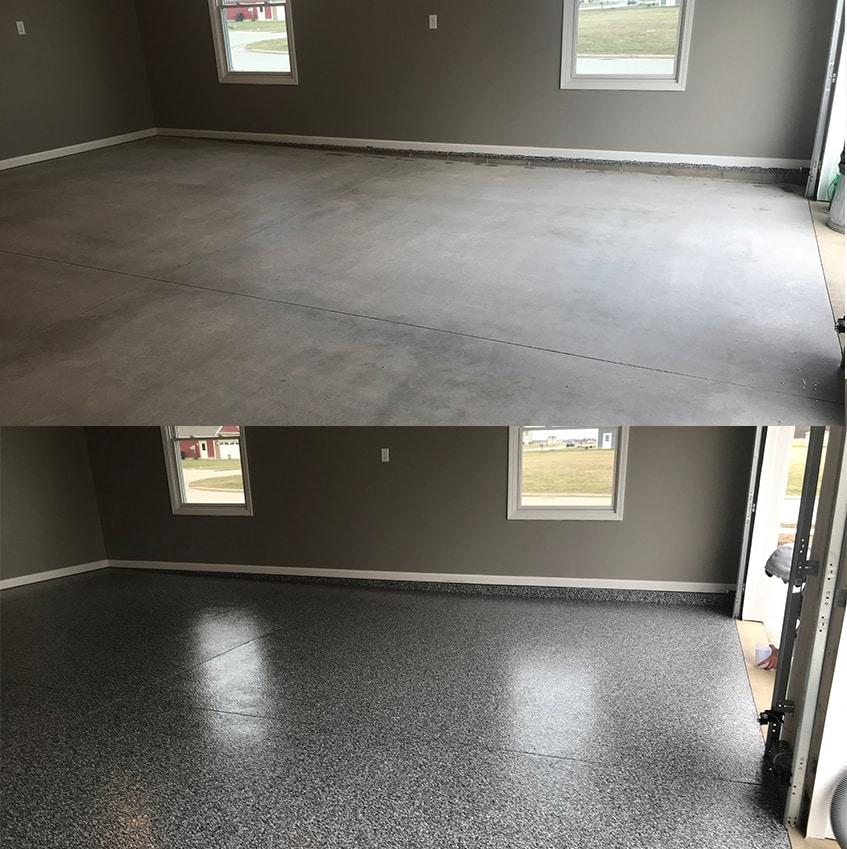
Credit: www.utahgaragefloorcoatings.com
Common Mistakes To Avoid
Beginners often make these errors:
- Skipping floor prep: Leads to peeling or bubbles.
- Using low-quality kits: Cheaper isn’t always better—thin coatings wear out fast.
- Ignoring humidity: Epoxy won’t cure well in high moisture.
- Not reading the warranty: Some warranties only cover professional installation.
Tip: Always read and follow the kit or contractor instructions closely.
How Long Does An Epoxy Garage Floor Last?
With proper care, epoxy flooring lasts 5–15 years or more. High-traffic garages or those exposed to heavy chemicals may need re-coating sooner.
Factors that extend life:
- Proper surface prep
- Using a topcoat
- Regular cleaning (avoid harsh chemicals)
Real-life Example: Cost Breakdown
Let’s say you have a standard 2-car garage (450 sq. Ft. ), and you want a basic, single-color epoxy floor with flakes.
- Materials: $350 (epoxy + flakes)
- Prep and repair: $250 (minor crack filling, cleaning)
- Labor: $1,000
- Topcoat: $200
Total professional cost: $1,800
If you DIY:
- Kit: $250
- Prep materials: $50
- Your time: 2–3 days
Total DIY cost: $300
You save $1,500, but do all the work yourself.
Frequently Asked Questions
How Long Does It Take To Epoxy A Garage Floor?
Most epoxy jobs take 2–3 days. Day one is cleaning and prepping. Day two is applying epoxy. Some projects need a third day for topcoat or extra curing time.
Can I Epoxy My Garage Floor Myself?
Yes, but be prepared for hard work. DIY kits are cheaper, but you need to clean, repair, and prep the floor well. Skipping steps can lead to poor results.
Is Epoxy Flooring Slippery?
Epoxy can be slippery when wet. To reduce slipping, ask for anti-slip additives or choose a finish with flakes or texture.
How Do I Maintain An Epoxy Garage Floor?
It’s easy—sweep or mop regularly. Wipe up spills quickly. Avoid harsh chemicals and don’t drag heavy items across the surface.
What’s The Difference Between Epoxy And Polyaspartic Coatings?
Epoxy is more affordable and widely used. Polyaspartic coatings cure faster, resist UV rays better, and last longer, but they cost more. For most homeowners, epoxy offers the best balance of price and durability.
If you want more details on epoxy flooring, you can check the official Wikipedia page on epoxy.
Epoxy garage floors are a smart investment for anyone wanting a cleaner, tougher, and better-looking garage. With the right prep and materials, you can get years of great performance—without breaking the bank. Whether you go DIY or hire a pro, understanding the cost to epoxy garage floor will help you make the best decision for your home.