
Keeping your epoxy garage floor clean doesn’t just improve how your garage looks—it protects your investment for years. Epoxy floors are popular because they are shiny, tough, and resist stains. But many people are unsure how to clean them without causing damage. The good news is that cleaning epoxy is easier than most think, but you must use the right methods to keep the surface safe and looking new.
This guide explains how to clean your epoxy garage floor step-by-step. You’ll learn what supplies you need, what to avoid, and how to handle tough stains. Even if you have never cleaned this type of floor before, you can do it with confidence.
We’ll also share tips to prevent damage and answer common questions so you get the best results from your floor.
Why Epoxy Floors Need Special Care
Epoxy coatings are different from regular concrete or tile. They have a smooth, sealed surface that resists many chemicals, but harsh cleaners and rough tools can scratch or dull the finish. If you use the wrong products, you might remove the shine or even cause discoloration.
Beginners often think any floor cleaner will work. In reality, some common products—like strong acids or bleach—can break down the epoxy. Knowing what to use, and what to avoid, protects your floor and keeps it looking like new.
Tools And Supplies For Cleaning Epoxy Garage Floors
Gather the right supplies before you start cleaning. This will save time and prevent mistakes.
Here’s what you need for regular and deep cleaning:
- Soft-bristle broom or dust mop
- Plastic dustpan
- Microfiber mop or sponge mop
- Bucket
- Warm water
- Mild dish soap (no citrus or acid-based soaps)
- Soft towels or microfiber cloths
- Wet/dry vacuum (optional but helpful for large garages)
Avoid these:
- Abrasive pads (like steel wool)
- Harsh chemicals (bleach, ammonia, vinegar)
- Stiff brushes
- Powdered cleansers
Epoxy is tough, but using gentle tools is the secret to long-lasting shine.
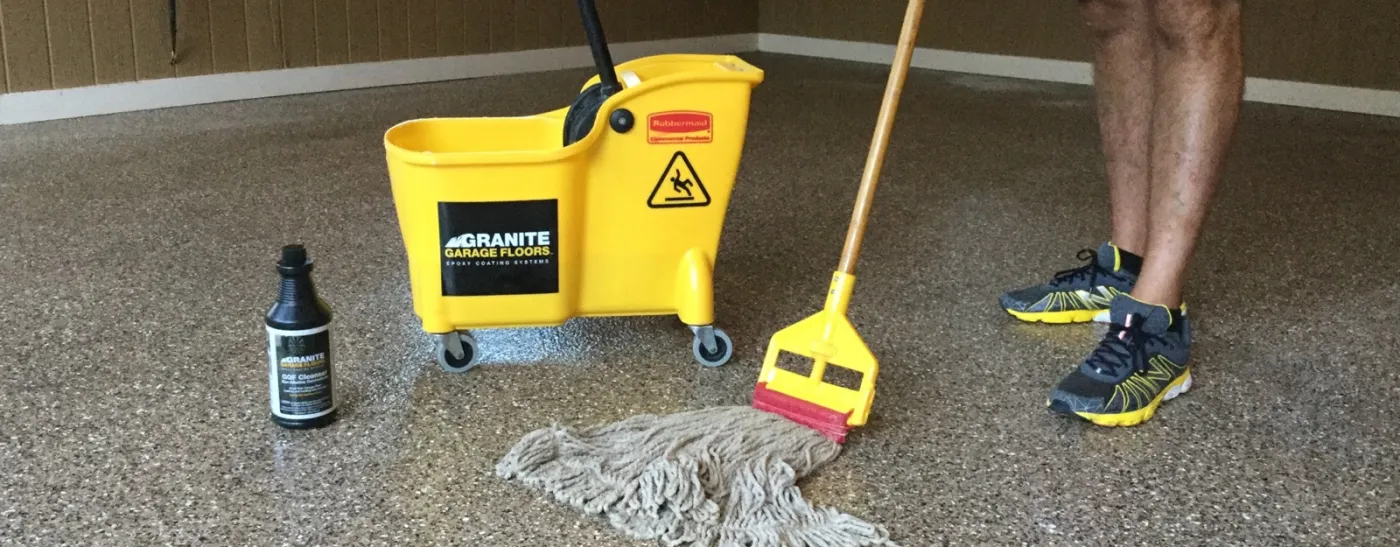
Credit: granitegaragefloors.com
Step-by-step: How To Clean Epoxy Garage Floors
Let’s break down the cleaning process into easy steps. Regular cleaning is simple, but deep cleaning and stain removal need extra care.
Regular Cleaning (weekly Or As Needed)
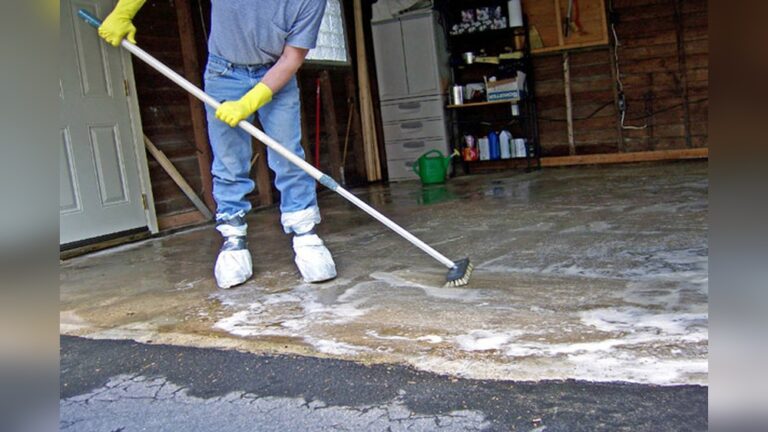
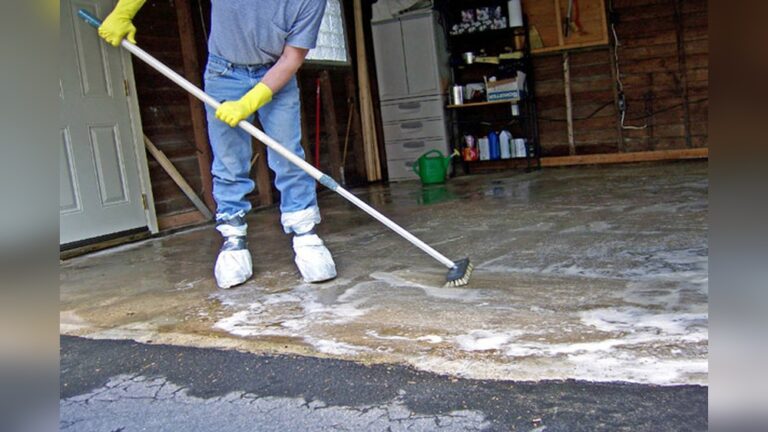
- Remove Loose Dirt and Debris
- Sweep the floor with a soft-bristle broom or use a dust mop.
- Collect dirt and debris with a dustpan.
- Mop the Floor
- Fill a bucket with warm water and a few drops of mild dish soap.
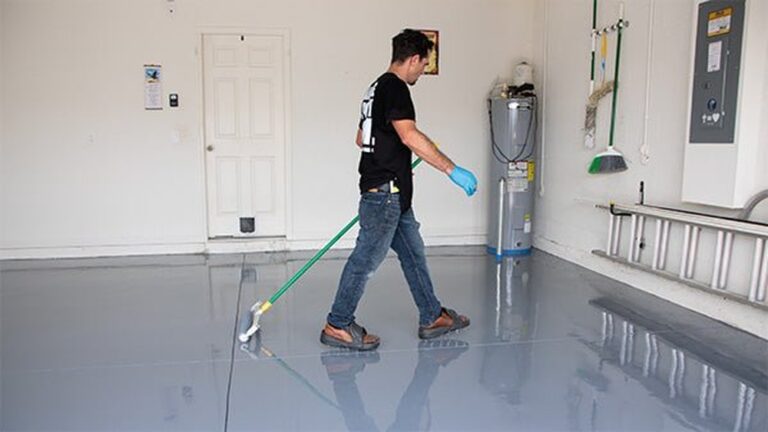
- Soak your mop, wring it out, and mop the floor in gentle strokes.
- Rinse the mop often to avoid spreading dirt.
- Dry the Surface
- Use a clean towel or microfiber cloth to dry the floor if you want a streak-free finish.
Tip: For quick cleaning, a damp microfiber mop often does the job.
Deep Cleaning (once A Month Or As Needed)
- Clear the Garage
- Move cars, bikes, and other items off the floor.
- Vacuum Dust
- Use a wet/dry vacuum for stubborn dust or sand.
- Mop with Soap Solution
- Mix 1 gallon of warm water with a few drops of dish soap.
- Mop the floor, working in small sections.
- Rinse Thoroughly
- Mop again with clean water (no soap) to remove any residue.
- Dry the Floor
- Wipe dry with towels or let air dry.
Removing Stains And Spills
Epoxy floors resist most stains, but spills should still be cleaned quickly.
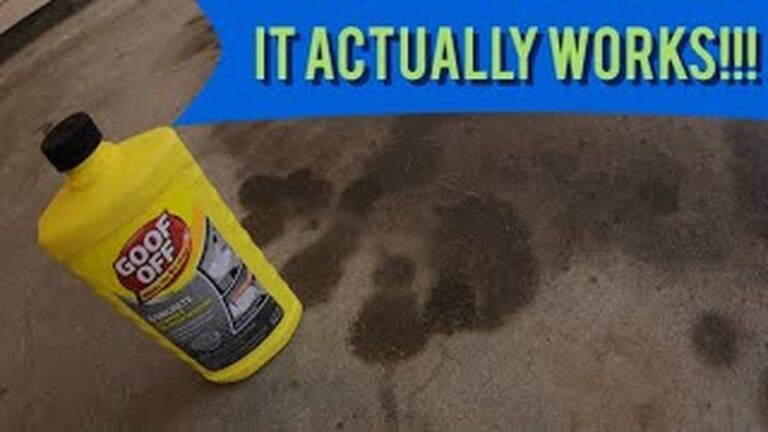
- Oil or Grease: Wipe up with paper towels. If needed, use a small amount of ammonia mixed with water (2-3 ounces per gallon). Mop the area, rinse well, and dry.
- Rust: Use a soft cloth with a gentle cleaner. Avoid acids or citrus cleaners as they harm epoxy.
- Tire Marks: Scrub with a microfiber cloth and soapy water. If marks remain, use a small amount of isopropyl alcohol, then rinse.
- Paint or Chemicals: Blot up spills right away. For dried spots, scrape gently with a plastic putty knife.
Never use strong solvents—they can damage the epoxy coating.
What Not To Use On Epoxy Floors
Many beginners accidentally use products that harm their floors. Avoid these:
- Vinegar: Too acidic, dulls the finish.
- Bleach: Can cause discoloration or damage.
- Citrus Cleaners: Acids break down epoxy bonds.
- Abrasive Scrubbers: Scratch the surface.
- Pressure Washers: High pressure can chip or lift the coating.
Stick to mild soap and water for most jobs. When in doubt, test cleaners on a small hidden spot.
How Epoxy Floors Compare To Other Garage Floors
Epoxy is popular because of its durability and shine, but it does require different care than other surfaces. Here’s a comparison:
| Floor Type | Cleaning Frequency | Best Cleaner | Common Problems |
|---|---|---|---|
| Epoxy | Weekly | Mild soap & water | Scratches, dullness from harsh cleaners |
| Concrete (bare) | Monthly | Degreaser, water | Staining, dust, cracks |
| Tile | Weekly | Tile cleaner | Grout stains, chipping |
This shows why epoxy is easier to keep clean but demands the right products.
How Often Should You Clean Your Epoxy Garage Floor?
The frequency depends on how you use your garage.
- Light use (parking only): Clean once a week or every two weeks.
- Heavy use (workshop, storage): Clean once a week or as soon as you notice dirt.
- After spills: Clean immediately to prevent staining.
If you live in an area with snow, salt, or sand, you may need to clean more often. Salt and sand can scratch the epoxy if left too long.
Handling Common Challenges: Salt, Oil, And Tire Marks
Epoxy is resistant, but certain garage problems need special care.
Salt
In winter, road salt can get tracked in. If not removed, it leaves a white film and may scratch the surface.
- Sweep and mop regularly during winter.
- Use a wet mop with clean water to dissolve salt.
Oil And Grease
Oil stains are common but usually sit on top of epoxy.
- Blot up oil quickly with paper towels.
- Wash with soapy water.
- For stubborn spots, use a small amount of diluted ammonia.
Tire Marks
Some car tires leave marks due to plasticizers in the rubber. These marks are not stains but can be tough to remove.
- Use a microfiber cloth with a mild degreaser.
- Avoid scrubbing with rough pads.
Preventing Damage And Extending Epoxy Floor Life
It’s easier to prevent problems than to fix them. Here are some simple habits to keep your floor looking new:
- Place mats or rugs at entrances to trap dirt and sand.
- Use felt pads under heavy equipment or toolboxes.
- Clean up spills immediately.
- Avoid dragging sharp objects across the floor.
- Sweep or dust mop regularly.
Even small steps make a big difference in keeping your epoxy floor in top shape.

Credit: xtremepolishingsystems.com
Real-world Example: Yearly Maintenance Routine
Let’s look at how a typical homeowner keeps their epoxy garage floor clean over a year:
- Weekly: Sweeps with a dust mop, mops with warm water.
- Monthly: Deep cleans with soap and water.
- After snowstorms: Mops away salt and sand.
- After oil changes: Spot cleans with diluted ammonia.
This routine takes about 30–45 minutes per week but keeps the floor shiny and damage-free for years.
Cost And Time Comparison: Epoxy Vs. Other Garage Floor Types
How much time and money does it take to clean epoxy compared to other surfaces? See this overview:
| Floor Type | Average Cleaning Time (per week) | Cleaning Product Cost (per year) |
|---|---|---|
| Epoxy | 45 minutes | $10–$20 |
| Concrete | 60 minutes | $30–$50 |
| Tile | 50 minutes | $25–$40 |
Epoxy is faster and cheaper to maintain because you rarely need special cleaners.
Two Common Mistakes Beginners Make
- Using Too Much Soap
- Many people believe “more soap means cleaner floors.” In fact, extra soap leaves residue that can make the floor dull and slippery.
- Scrubbing With Hard Brushes
- Beginners sometimes use stiff brushes for tough stains. These can scratch or dull the epoxy’s smooth finish.
Remember: less is more. Stick to gentle methods for the best results.
Eco-friendly Cleaning For Epoxy Floors
If you want to avoid chemicals, cleaning with just warm water and a microfiber mop is usually enough for day-to-day dirt. For deeper cleaning, a few drops of plant-based dish soap are safe. You don’t need harsh products to keep epoxy clean.

Credit: www.youtube.com
When To Call A Professional
Most cleaning jobs are simple, but you might need a pro if:
- The floor is deeply scratched or yellowed.
- There are large chemical stains that don’t come out.
- You want to reapply a top coat for extra shine.
Professionals have special tools and products that restore the finish without causing damage.
Frequently Asked Questions
How Do I Remove Tough Stains From My Epoxy Garage Floor?
Blot the stain first. Use a microfiber cloth with mild soap and water. For oil or tire marks, try diluted ammonia. Never use bleach or acidic cleaners, as these can damage epoxy.
Can I Use A Steam Mop On Epoxy Floors?
No. Steam mops can soften or lift the epoxy coating. Stick to damp mopping with warm water and a mild soap for the best and safest results.
Is It Safe To Use A Pressure Washer On Epoxy Floors?
It’s not recommended. The high pressure can chip or lift the epoxy. If you must use one, keep the pressure low and hold the nozzle far from the surface. Usually, a mop and bucket are all you need.
How Long Does An Epoxy Garage Floor Last If I Clean It Regularly?
With proper cleaning and care, an epoxy garage floor can last 10–20 years. Regular maintenance prevents scratches and keeps the shine. For more data, check resources like the Family Handyman.
What Do I Do If My Epoxy Floor Is Losing Its Shine?
First, clean with a microfiber mop and water. If it’s still dull, check for soap residue and rinse with clean water. If shine doesn’t return, you may need a new topcoat. Consult a professional if you’re unsure.
Keeping your epoxy garage floor clean is simple if you use the right methods and tools. Regular sweeping and mopping, quick action on spills, and avoiding harsh chemicals will keep your floor looking new for years. With a little routine care, your garage will stay bright, safe, and easy to maintain—making your investment in epoxy well worth it.