
Replacing a garage door spring can seem simple, but it’s a job that requires care, the right tools, and understanding of the costs involved. Many homeowners face this repair at least once, and the price can vary depending on several factors.
If your garage door won’t open or close smoothly, the spring might be the problem. Knowing what to expect with the cost to replace a garage door spring can help you plan and avoid surprises.
What Is A Garage Door Spring And Why Does It Matter?
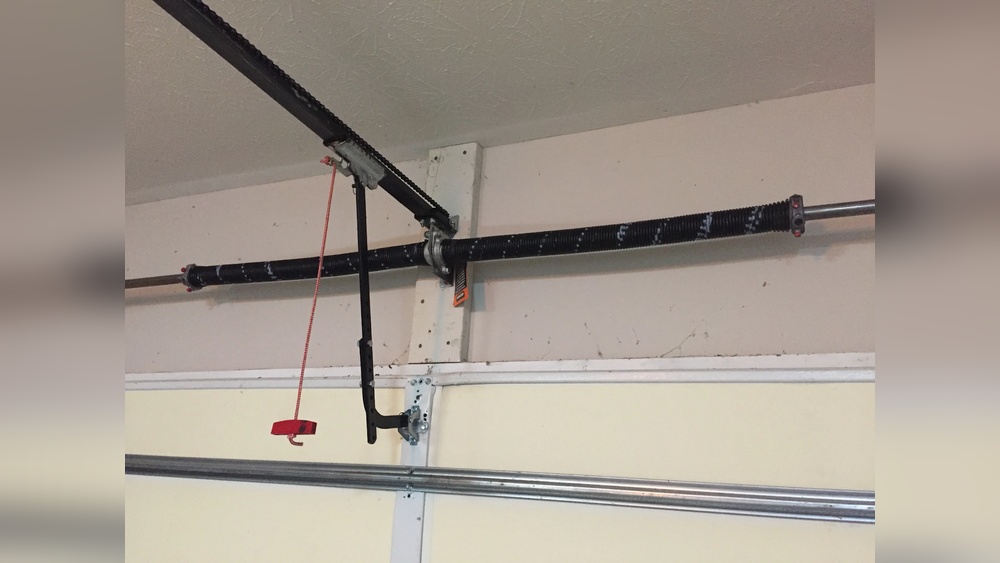
A garage door spring is a strong metal coil that lifts and lowers your garage door. It takes most of the weight, so you don’t have to use much force. When the spring breaks, the door gets heavy and dangerous to move. There are two main types:
- Torsion springs: Found above the door, twisted to store energy.
- Extension springs: Located on the sides, stretch and contract.
Each type has different prices and replacement needs. Most homes use torsion springs today because they last longer and are safer.
Average Cost To Replace Garage Door Spring
The typical cost to replace a garage door spring in the US ranges from $150 to $350 per spring, including parts and labor. However, costs can be as low as $100 or as high as $500 depending on the situation.
Here’s a quick look at average prices:
| Type of Spring | Average Cost (Parts + Labor) | Typical Lifespan |
|---|---|---|
| Torsion Spring | $180 – $350 | 7-14 years (10,000 cycles) |
| Extension Spring | $100 – $200 | 5-10 years (7,000 cycles) |
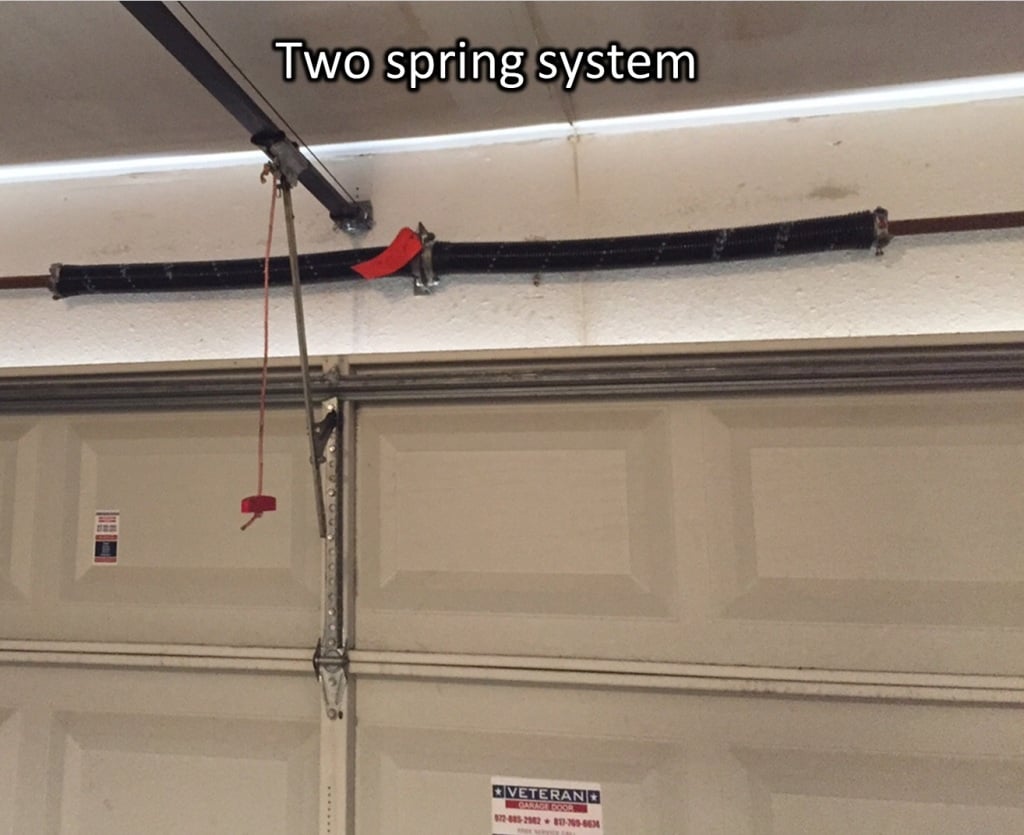
Most repair companies include the price for both parts and labor in their quotes. It’s common to replace both springs at once, even if only one is broken. This keeps the door balanced and prevents future problems.
Credit: veterangaragedoor.com
Factors That Affect The Cost
The final price for replacing a garage door spring depends on several factors:
- Type of spring: Torsion springs usually cost more than extension springs.
- Number of springs: Some doors use two springs. Replacing both costs more but is recommended.
- Garage door size and weight: Heavier doors need stronger, more expensive springs.
- Labor costs: Rates change by region and company, often $75-$150 per hour.
- Service fees: Some companies charge extra for emergency or weekend service.
- Quality of parts: High-cycle springs (last longer) cost more but can save money over time.
For example, replacing one standard torsion spring on a single garage door might be $200. If your door is heavier and needs special high-cycle springs, you might pay $350 or more.
Diy Vs. Professional Replacement
Some homeowners think about replacing springs themselves to save money. DIY kits cost between $40 and $100 for basic parts. However, this job is dangerous if you’re not trained.
Why Diy Replacement Is Risky
- Garage door springs are under high tension. If released wrong, they can cause serious injury.
- Mistakes can damage the door or opener, leading to higher costs.
- Many warranties are voided if repairs aren’t done by a professional.
When Professional Help Is Best
- If you have no experience with garage door repairs.
- If your door uses torsion springs (more dangerous).
- If you want a warranty on parts and labor.
In most cases, paying for a professional replacement is safer and often required by insurance.
Cost Breakdown: Parts Vs. Labor
Understanding what you’re paying for can help you compare quotes.
| Item | Low End | High End |
|---|---|---|
| Spring (each) | $30 | $100 |
| Labor | $75 | $150 |
| Service/Trip Fee | $50 | $100 |
The spring itself is not expensive. Most of the cost is for skilled labor and safety. Some companies offer a flat rate including all fees, while others itemize each part.
Signs Your Garage Door Spring Needs Replacing
Not sure if your spring is the problem? Watch for these signs:
- Door opens only a few inches or not at all
- Loud bang from the garage (spring snapping)
- Door feels heavy when lifting by hand
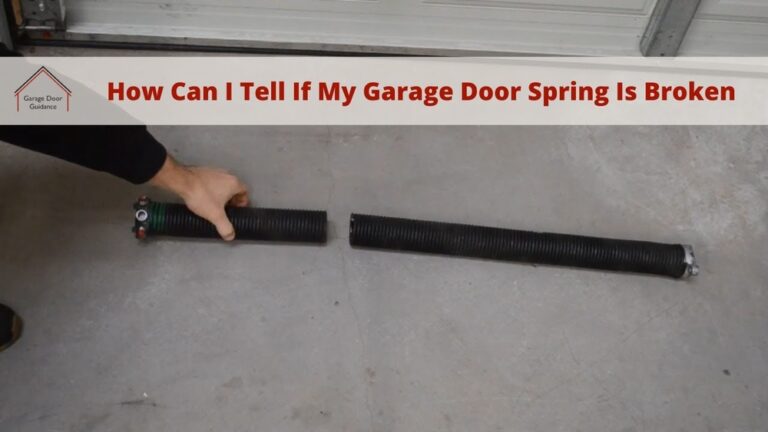
- Gaps in the spring coil
- Crooked or uneven door movement
If you notice any of these, stop using the door and call a professional.
How Long Do Garage Door Springs Last?
Most garage door springs last between 7 and 14 years depending on usage. The lifespan is measured in cycles (one open and close = one cycle).
- Standard springs: 10,000 cycles
- High-cycle springs: 20,000+ cycles
If you use your garage door multiple times a day, the springs will wear out faster. For example, opening and closing the door four times a day means about 1,500 cycles per year.
Tips To Save Money On Replacement
Here are ways to keep your garage door spring replacement affordable:
- Replace both springs: This prevents uneven wear and future repair calls.
- Get multiple quotes: Prices can vary widely between companies.
- Avoid emergency service: Schedule during normal hours to skip extra fees.
- Ask about warranties: Good parts and labor warranties protect your investment.
- Choose quality parts: High-cycle springs cost more upfront but last longer.
Beginners often focus only on price per spring. But labor quality and warranty can save you more in the long run.
Common Mistakes To Avoid
Many homeowners make these mistakes when facing spring replacement:
- Choosing the cheapest company without checking reviews
- Ignoring the need to replace both springs
- Trying DIY repair without proper tools or training
- Not asking about warranty coverage
- Delaying repairs, which can lead to more damage
Safety should always come first. A broken garage door spring can cause injuries or make your home less secure.
Example: Real-world Cost Scenario
Let’s look at a real example. Jane has a two-car garage with a single large door. One morning, the door won’t open, and she hears a loud bang. The repair company gives her this quote:
- Service call: $85
- Two torsion springs: $140 each ($280 total)
- Labor: $110
Total: $475
Jane asks about high-cycle springs, which would add $60 but come with a three-year warranty. She chooses the upgrade for peace of mind. The company finishes the job in one hour, and her door works like new.
Regional Price Differences
Garage door spring replacement costs can change based on where you live.
- Big cities: Labor rates are higher, usually $100-$150 per hour.
- Rural areas: Lower rates, sometimes $75 per hour, but fewer service options.
- West Coast and Northeast: Prices are usually higher than the Midwest or South.
Always check local prices and get at least two estimates.
Upgrading To High-cycle Springs
Some companies offer high-cycle springs that last two to three times longer than standard ones. The upgrade cost is usually $50-$100 more per spring. This is a smart choice if:
- You use the garage door often.
- You want fewer repairs in the next 10-15 years.
- You plan to stay in your home long-term.
High-cycle springs can save money and hassle over time.

Credit: www.expressgaragedoorparts.com
Warranty And Service Guarantees
A warranty can protect you from extra costs if the spring fails early.
- Most companies offer 1-year to 3-year warranties on parts.
- Labor warranties may be shorter, often 6 months to 1 year.
- Some top brands offer up to 10 years on high-cycle springs.
Read the warranty details before you agree to the repair. A longer warranty can be worth a slightly higher price.
What To Ask Your Garage Door Pro
Before you hire someone to replace your garage door spring, ask these questions:
- What type and brand of spring will you use?
- Is your price total (parts, labor, and fees)?
- Do you replace both springs for balance?
- What is your warranty on parts and labor?
- Are you licensed and insured?
Clear answers help you avoid surprises and get the best value.

Credit: www.youtube.com
Should You Replace The Opener At The Same Time?
If your garage door opener is old, noisy, or struggling, ask about replacing it during spring repair. Installing both at once can save on labor costs. However, if the opener works fine, there’s no need to replace it just because the spring broke.
Environmental And Recycling Considerations
Springs are made of steel and can be recycled. Ask your repair technician if they will take the old spring for recycling. This keeps metal out of landfills and is better for the environment.
Comparing Garage Door Spring Types
Here’s a quick comparison of the two main spring types:
| Feature | Torsion Spring | Extension Spring |
|---|---|---|
| Location | Above door | Side of door |
| Lifespan | Longer (10,000+ cycles) | Shorter (7,000 cycles) |
| Safety | Safer, less likely to break loose | Can be dangerous if cable fails |
| Cost | Higher | Lower |
| Common Use | Modern doors | Older/smaller doors |
Learning More
For a deeper look at garage door springs, their function, and maintenance, you can visit the Wikipedia page on garage door openers.
Frequently Asked Questions
How Do I Know If My Garage Door Spring Is Broken?
A broken spring often causes the door to stop opening or closing. You might hear a loud bang, see a gap in the coil, or notice the door is very heavy.
Can I Replace A Garage Door Spring Myself?
It’s possible, but not recommended unless you have special tools and experience. The springs are under high tension and can cause serious injury.
Why Should Both Springs Be Replaced At The Same Time?
Springs wear out at the same rate. Replacing both keeps the door balanced and avoids another service call soon after.
How Long Does It Take To Replace A Garage Door Spring?
A professional can usually finish in 1-2 hours. DIY replacement may take much longer and is riskier.
Will A New Garage Door Spring Last Longer If I Use The Door Less?
Yes, spring life is measured in cycles. If you open the door less often, your springs will last longer.
Replacing a garage door spring is a common repair, but it’s important to understand the costs and process. By knowing what affects the price, comparing options, and choosing the right professional, you can keep your garage door working safely and smoothly for years to come.