
A garage hoist is more than just a tool for lifting heavy objects. It’s a practical solution for anyone who wants to make better use of their garage space, improve safety, or handle maintenance tasks on cars and equipment with less effort.
If you’re new to this topic, you might be surprised how much a garage hoist can change the way you work and store things in your home.
Let’s explore what a garage hoist is, how it works, the main types, how to choose the right one, and how to use it safely. You’ll also see real-life examples, key data, and answers to common questions.
What Is A Garage Hoist?
A garage hoist is a device designed to lift, lower, or suspend heavy items in your garage. It usually uses a system of ropes, chains, cables, and pulleys, sometimes powered by hand or by an electric motor.
People use garage hoists for different tasks, such as:
- Lifting car engines for repair
- Storing bicycles, kayaks, or seasonal items near the ceiling
- Moving heavy tools or boxes
- Supporting vehicles for maintenance
A garage hoist saves your back, prevents accidents, and gives you more floor space.
Main Types Of Garage Hoists
Knowing the main types helps you pick the best one for your needs. Here are the most common options:
1. Manual Rope And Pulley Hoists
- Use hand-pulled ropes and pulleys
- Great for lifting bikes, ladders, or small kayaks
- Affordable and simple to install
2. Chain Hoists
- Operate by pulling a chain
- Common in car repair for lifting engines
- Can handle heavier loads (often up to 2 tons)
- Require a strong ceiling mount or beam
3. Electric Hoists
- Powered by electricity, controlled by a switch
- Save time and effort, especially for frequent use
- Good for heavy loads, sometimes up to 4,000 lbs
- Need an electric outlet and stronger mounting hardware
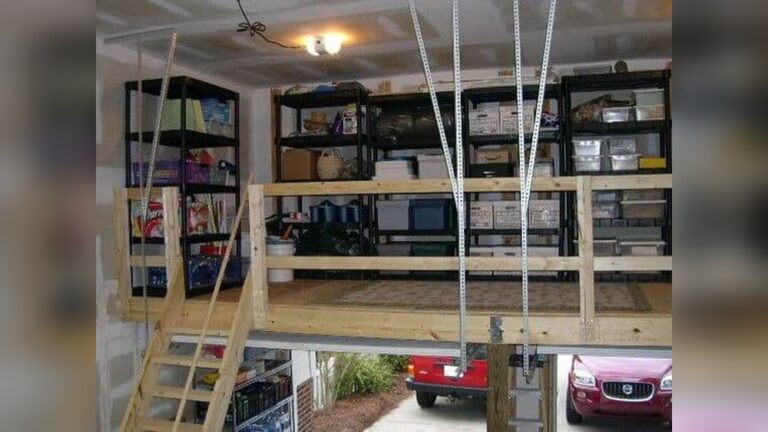
4. Ceiling Storage Hoists
- Designed for storing items against the ceiling
- Often come as kits for bikes, canoes, or storage bins
- Maximize garage space without clutter
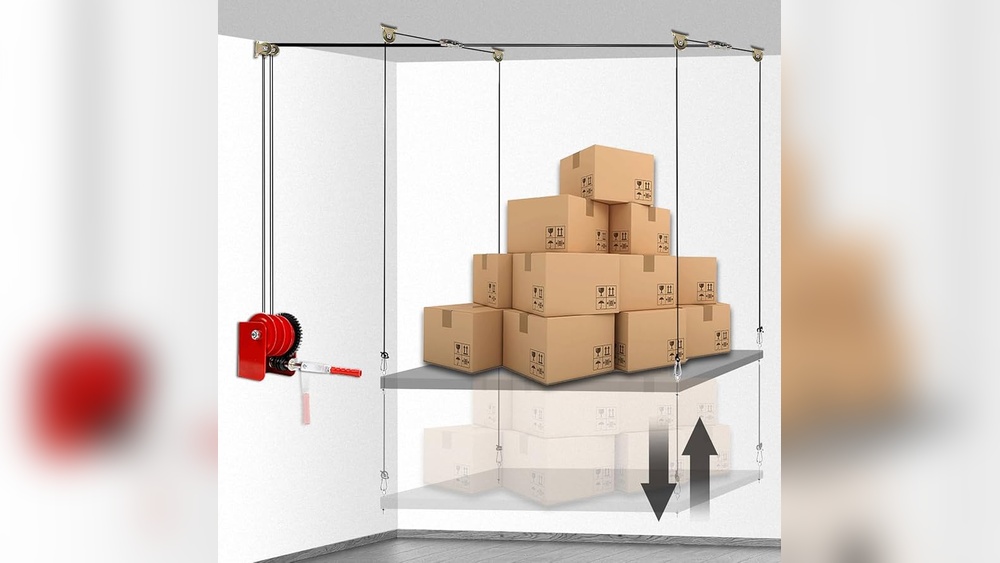
5. Platform Hoists
- Lift a flat platform instead of a single hook
- Useful for large, bulky items like snowblowers or tires
These types cover most household and small workshop needs.
Key Benefits Of Using A Garage Hoist
A garage hoist is not just a convenience; it brings real advantages:
- Space saving: Store items above the car or along unused ceiling space.
- Safety: Avoid back injuries from lifting heavy things.
- Efficiency: Move large items alone, without help.
- Organization: Keep floors clear, reducing tripping hazards.
- Versatility: Handle repairs, storage, and projects with the same tool.
For example, many families use a ceiling hoist to hang bikes in winter, then lower them easily in spring.
Essential Features To Consider
When choosing a garage hoist, focus on these features:
- Weight capacity: The most important factor. Never exceed the maximum load.
- Lifting height: Make sure the hoist can reach from your floor to ceiling.
- Mounting system: Check if you need to attach it to a beam, joist, or wall.
- Power source: Decide between manual (cheaper, for lighter loads) and electric (faster, for frequent/heavy use).
- Cable or chain length: Longer cables reach higher ceilings.
- Brake or lock mechanism: Prevents the load from dropping if you let go.
- Ease of installation: Some kits are DIY-friendly, others need professional help.
Let’s compare some common types using a simple chart:
| Type | Max Load | Best For | Power Source | Average Price |
|---|---|---|---|---|
| Manual Pulley | 50-100 lbs | Bikes, storage bins | Manual | $20-$50 |
| Chain Hoist | 500-4,000 lbs | Engines, heavy gear | Manual | $60-$200 |
| Electric Hoist | 200-4,000 lbs | Frequent, heavy lifting | Electric | $120-$400 |
| Platform Hoist | 250-800 lbs | Bulky items, tires | Manual/Electric | $150-$600 |

Credit: storeyourboard.com
How To Choose The Right Garage Hoist
Choosing the right garage hoist depends on your needs and your garage.
- Identify what you want to lift: Is it a car engine, bike, kayak, or storage box? Write down the heaviest item.
- Measure your ceiling height: Standard garages are 8-10 feet high, but measure to be sure.
- Check your ceiling structure: Make sure you have strong beams or joists. Weak ceilings can fail under heavy loads.
- Decide on manual vs. electric: Manual is fine for light, occasional use. Electric is better for heavy or frequent lifting.
- Budget: Prices range from under $50 to over $500. Think about what features matter most.
A common beginner mistake is underestimating the weight capacity. Always choose a hoist that can handle more than your heaviest load, for safety.
Proper Installation: Tips And Steps
Installing a garage hoist is easier than many think, but safety comes first. Here are key steps and tips:
- Read instructions: Each hoist has specific directions.
- Find a solid anchor point: Use ceiling joists, beams, or wall studs.
- Mark drilling spots: Use a level to ensure the hoist hangs straight.
- Use proper hardware: Lag bolts, anchors, or steel mounting plates.
- Test before use: Lift a light object first to check stability.
For most ceiling hoists, two people make the job safer and faster. If you’re unsure, call a pro.
Safe Operation And Maintenance
A garage hoist is only safe if you use it correctly. Follow these simple rules:
- Never overload the hoist.
- Keep area clear: Don’t let people stand under a lifted load.
- Inspect cables and hooks: Look for fraying, rust, or cracks.
- Lubricate moving parts: Chains and pulleys last longer if oiled.
- Store the remote (for electric hoists) out of children’s reach.
Regular checks add years to your hoist’s life and keep your family safe.
Real-life Examples And Practical Data
Let’s see how people use garage hoists at home:
- Engine Swap: John wanted to replace his car’s engine. He bought a 2-ton chain hoist for $150. The job was safe and took half the time.
- Bike Storage: Maria’s family had four bikes. A $40 ceiling hoist kit let her store them above the car, freeing up 30% more floor space.
- Kayak Lifting: Sam used an electric hoist to store his 80-pound kayak. No more back pain or scratches.
According to the U. S. Consumer Product Safety Commission, over 20,000 garage-related injuries happen each year. Many are from lifting heavy items by hand. Using a hoist can reduce your risk.

Credit: www.amazon.com
Mistakes Beginners Make
If you’re new to garage hoists, avoid these common errors:
- Ignoring ceiling strength: Not all garage ceilings are the same. Weak wood or old beams can break.
- Skipping regular checks: Even strong cables wear out.
- Not reading the weight limit: Overloading is a leading cause of accidents.
- Improper mounting: Using the wrong screws or not hitting a stud can cause collapse.
Small steps, like checking the manual and testing before a big lift, prevent costly mistakes.
Comparing Popular Garage Hoists
To help you decide, here’s a comparison of some well-known models:
| Model | Type | Max Load | Lifting Speed | Special Feature |
|---|---|---|---|---|
| Harken Hoister | Manual Pulley | 90 lbs | Manual | Self-locking safety system |
| Torin Big Red | Chain Hoist | 2,000 lbs | Manual | Steel construction |
| Partsam 1100lb Electric | Electric Hoist | 1,100 lbs | 13 ft/min | Remote control operation |
| Racor PHL-1R | Platform Hoist | 250 lbs | Manual | 4 ft x 4 ft platform |
Most beginners start with a simple manual hoist, but as their needs grow, electric or platform hoists offer more convenience.
Answering Key Questions With Data
How much weight can I safely lift with a home garage hoist?
Most home garage hoists handle between 50 and 2,000 lbs. Always check your model’s rating and your ceiling’s strength.
How often should I inspect my hoist?
Check cables, hooks, and mounts every few months. For electric hoists, listen for unusual noises.
What’s the average cost?
Manual Hoists: $20-$100
Electric Hoists: $120-$400
Platform Hoists: $150-$600
Remember, paying a little more for safety features is worth it.
Frequently Asked Questions
What Is The Best Type Of Garage Hoist For Bike Storage?
The best hoist for bikes is usually a manual rope and pulley system. It’s cheap, easy to install, and lets you lift bikes overhead without much effort. Kits made for bikes often include hooks and safety locks.
Can I Install A Garage Hoist By Myself?
Many lightweight hoists are DIY-friendly, especially those for bikes or small items. For heavy-duty chain or electric hoists, it’s safer to have help or hire a professional. Always check your ceiling’s strength before drilling.
How Do I Maintain A Garage Hoist?
Inspect all parts (cables, hooks, pulleys) every few months. Lubricate chains or moving parts if needed. For electric hoists, unplug and store the remote safely when not in use. Address rust or fraying right away.
Is It Safe To Leave Items Hanging For A Long Time?
Generally, yes—if you stay within the weight limit and check the hoist regularly. However, avoid hanging loads for months without inspection, as cables can weaken over time.
Where Can I Find More Information About Garage Hoist Safety?
You can learn more from the Occupational Safety and Health Administration (OSHA), which offers guidelines on safe lifting and equipment checks.
A garage hoist is an excellent investment for both safety and space-saving. With the right choice, proper installation, and regular care, you’ll find your garage becomes more organized and your projects much easier. For beginners, starting with a simple, reliable model and following safety tips pays off in the long run.

Credit: storeyourboard.com