
Fixing a dented garage door can seem intimidating, especially if you’re new to home repair. Most dents are caused by small accidents—like backing into the door or a stray ball hitting it. The good news is, you don’t always need a professional to handle it.
With the right steps, basic tools, and a little patience, you can restore your garage door’s appearance and function. This guide will walk you through everything you need to know, from understanding the type of dent to choosing the best repair method.
You’ll also learn how to avoid common mistakes and keep your garage door looking its best.
Understanding Garage Door Dents
Before you start, it’s important to know what causes garage door dents and how they can affect your door.
- Common causes: Accidental bumps, weather (hail), sports equipment, or rough handling.
- Materials: Most garage doors are made of aluminum, steel, or wood. Aluminum and steel are prone to dents, while wood usually cracks or splinters.
Types Of Dents
- Small, shallow dents: Easy to fix with basic tools.
- Deep dents: May require filling and repainting.
- Large dents: Sometimes need professional help, especially if the door won’t open or close properly.
Why Fix Dents?
- Appearance: Dents make your garage door look old and neglected.
- Function: Severe dents can affect how the door opens and closes.
- Value: Fixing dents helps maintain your home’s curb appeal and resale value.
Tools And Materials Needed
You’ll need some basic tools and materials. Most are easy to find at a hardware store.
- Rubber mallet
- Sponge or soft cloth
- Aluminum foil
- Compressed air can
- Putty knife
- Auto body filler
- Sandpaper (medium and fine grit)
- Paint (matching your door color)
- Protective gloves and eyewear
Not every dent needs all these tools. Choose what fits your situation.
How To Fix Small Dents In Aluminum And Steel Doors
Small dents are the most common, and you can repair them quickly. Here’s a beginner-friendly method using heat and cold.
Step-by-step Guide
- Clean the area: Use a sponge and mild soap to remove dirt around the dent. Dry the area completely.
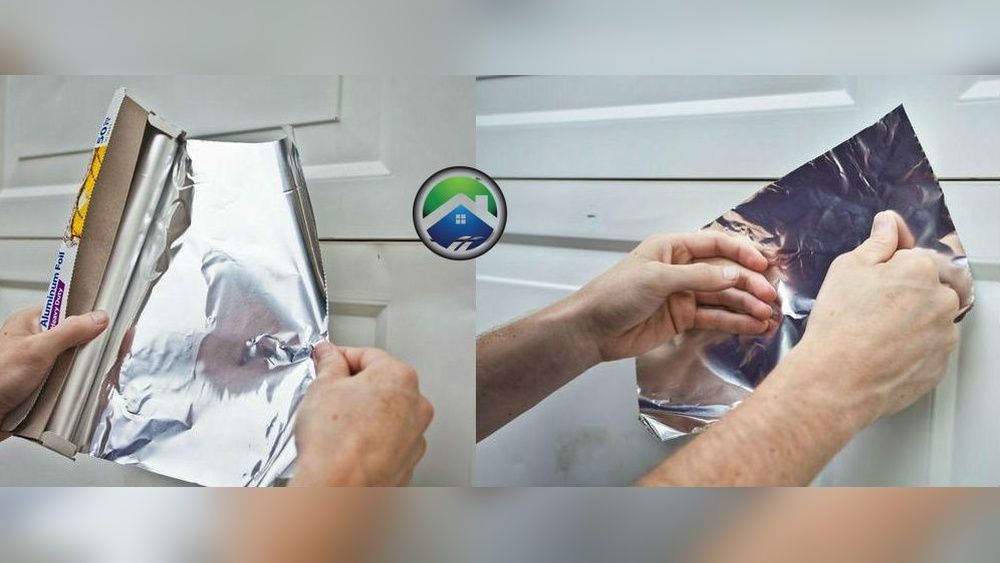
- Apply aluminum foil: Cut a piece of foil slightly bigger than the dent. Place it over the dent.
- Heat the dent: Hold a hair dryer close to the foil for 1–2 minutes. The heat causes the metal to expand.
- Quickly cool the area: Remove the foil. Spray the dent with compressed air (hold the can upside down). The sudden cold shrinks the metal, often popping the dent out.
This method works best for shallow dents. If the dent is still visible, repeat the steps once.
Practical Example
Let’s say you have a 2-inch dent on an aluminum garage door. After cleaning, apply foil, heat for 2 minutes, then spray with compressed air. About 70% of shallow dents will pop out using this method.
Repairing Deep Dents With Filler
If your dent is deeper, simple heat-and-cold may not work. You’ll need to use auto body filler to restore the door’s surface.
Step-by-step Instructions
- Clean and sand: Wash the area, then sand the dent lightly with medium-grit sandpaper.
- Mix and apply filler: Follow instructions on the filler package. Use a putty knife to fill the dent. Smooth it out as much as possible.
- Let it dry: Most fillers take 20–30 minutes to harden.
- Sand smooth: Use fine-grit sandpaper to blend the repair with the door surface.
- Paint: Apply matching paint. Let it dry fully before using the door.
Data: Common Filler Types
Here’s a quick comparison of popular auto body fillers:
| Filler Type | Drying Time | Ease of Use | Cost (USD) |
|---|---|---|---|
| Bondo | 20 min | Easy | $9–$15 |
| Evercoat | 30 min | Medium | $14–$22 |
| 3M | 25 min | Easy | $13–$20 |
Choose a filler that matches your budget and comfort level.

Credit: www.youtube.com
Fixing Dents In Wooden Garage Doors
Wooden doors rarely dent—they crack or splinter. For minor surface damage:
- Clean the area
- Fill with wood putty
- Sand smooth
- Paint or stain
Deep cracks may need professional repair.
When To Use A Rubber Mallet
Some dents, especially in steel doors, can be pushed out from behind.
How To Use A Rubber Mallet
- Open the garage door so you can access the back of the dent.
- Place a block of wood against the dent inside the door.
- Tap gently with the mallet until the dent starts to flatten.
Be careful—too much force can make the dent worse.
Mistakes Beginners Often Make
Many first-timers make simple errors that can cause more damage.
- Using too much force: This can crack paint or bend metal further.
- Skipping cleaning: Dirt can mix with filler or paint and ruin the finish.
- Wrong paint color: Always match your door’s color. Ask for help at a paint store if unsure.
- Not letting filler dry: Rushing leads to uneven surfaces.
Comparing Diy Vs Professional Repair
Sometimes, hiring a pro is smarter—especially for large dents or if your garage door is expensive.
| Repair Option | Cost (USD) | Time Needed | Result Quality |
|---|---|---|---|
| DIY (Small Dent) | $10–$40 | 30–90 min | Good |
| DIY (Deep Dent) | $25–$60 | 1–3 hrs | Fair–Good |
| Professional | $90–$250 | 1–2 hrs | Excellent |
If your dent is bigger than a baseball, or if your door won’t operate smoothly, consider professional help.
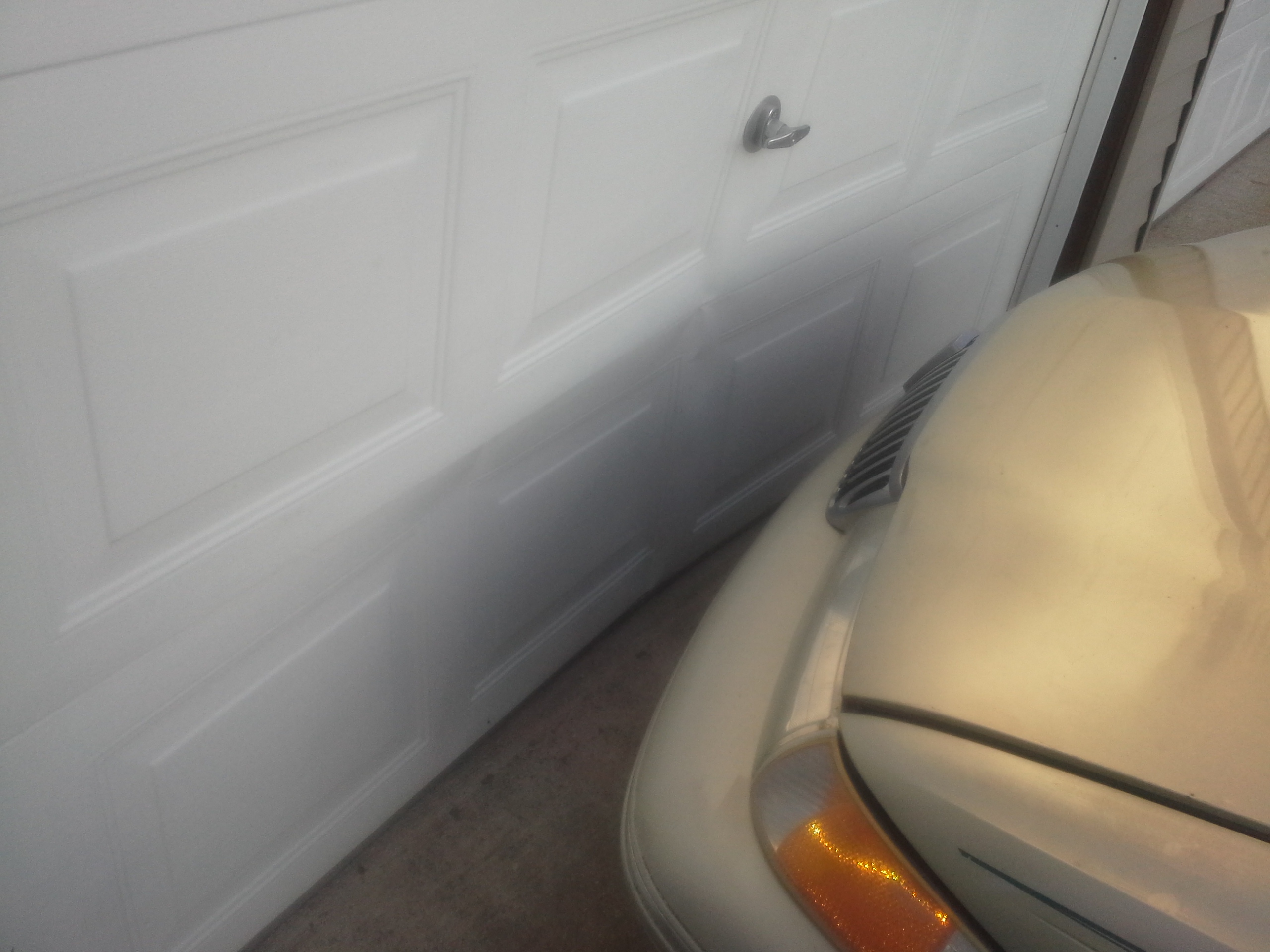
Credit: www.sacsgarage.com
Preventing Garage Door Dents
Prevention is easier than repair. Here are some practical tips:
- Install bumpers: These protect your door from cars and bikes.
- Set up sports zones: Keep ball games away from the garage.
- Regular maintenance: Clean and check for small dents every month.
- Teach kids: Remind family members to be careful around the garage.
Practical Data: Most Common Causes Of Dents
Knowing why dents happen helps prevent them.
| Cause | Frequency (%) | Notes |
|---|---|---|
| Vehicle impact | 55% | Cars backing up too close |
| Sports equipment | 25% | Balls, bats, bikes |
| Weather | 15% | Hail, wind-blown objects |
| Other | 5% | Tools, rough handling |
If you fix your parking habits and keep sports gear away, you’ll reduce dents by 80%.

Credit: spectrumoverheaddoor.com
Expert Tips For Garage Door Repair
Some tips can save you time and trouble, especially for beginners.
- Test the door’s movement after each repair. If it sticks, check for hidden damage.
- Don’t ignore rust: If you see rust, treat it before fixing the dent.
- Store tools safely: Avoid leaving heavy tools near the garage door.
- Label your paint: Keep leftover paint for future touch-ups.
Non-obvious Insight
Many beginners forget that garage doors flex when opened and closed. Always check your repair with the door open and closed, not just closed. This ensures your fix stays flat and doesn’t pop back out.
Another point: For deep dents, use two thin layers of filler instead of one thick layer. This prevents cracking and gives a smoother finish.
Frequently Asked Questions
What Is The Easiest Way To Fix A Small Dent?
The simplest method is the heat-and-cold technique using a hair dryer and compressed air. Clean the area, apply heat, then spray with cold air. Most small dents pop out in minutes.
Can I Fix A Dent In A Wooden Garage Door?
Yes, but wood usually cracks. Use wood putty for surface damage, sand it smooth, and paint or stain. For deep cracks, call a professional.
Will Fixing A Dent Affect My Garage Door’s Warranty?
DIY repairs can affect warranties if you damage the door further. Always check your warranty terms before starting. If unsure, contact your manufacturer.
How Much Does Professional Garage Door Dent Repair Cost?
Professional repair costs range from $90–$250, depending on the dent size and door type. Larger dents may cost more. Small repairs are usually less expensive.
Is It Safe To Fix A Dent Myself?
Yes, for small and medium dents. Use protective gloves and eyewear. If your door has electrical components or large dents, consider professional help.
Fixing a dented garage door isn’t as hard as it seems. With clear steps, the right tools, and a little patience, most homeowners can handle small dents themselves. You’ll save money, learn a useful skill, and keep your home looking sharp. For more detailed repair guides, visit Family Handyman. Remember, prevention is your best tool—take care of your garage door and it will last for years.