
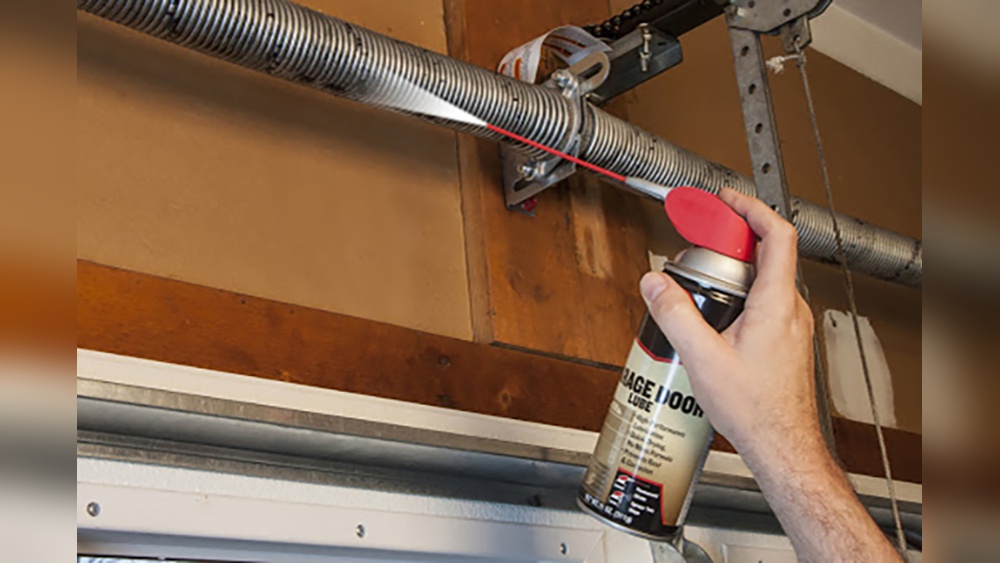
A garage door is one of the heaviest moving parts in any home. It opens and closes hundreds of times each year, keeping your car and belongings safe. But many homeowners forget one simple task that can make a big difference: lubricating the garage door. Regular lubrication keeps your door working smoothly, reduces noise, and extends its life. Ignoring this step can lead to expensive repairs, stuck doors, or even dangerous accidents.
If you’ve never lubricated a garage door before, don’t worry. This guide explains everything in clear, simple language. You’ll learn which parts need oil, what products to use, and how to do the job safely—even if you have zero experience.
Lubricating a garage door takes only 15–30 minutes and can save you hundreds of dollars in the long run.
Why Lubrication Matters
Every time you open or close your garage door, metal parts rub together. This creates friction, which can cause:
- Squeaking or grinding noises
- Rust and corrosion
- Parts wearing out faster
- Door getting stuck or off track
A well-lubricated door moves quietly and smoothly. It also needs fewer repairs. According to the International Door Association, over 60% of garage door issues are caused by poor maintenance, especially lack of lubrication.
Real-world Example
Imagine your garage door starts making a loud screeching sound. You call a technician, who charges $120 just to lubricate the rollers and hinges. With regular care, you could do it yourself for just a few dollars.
Safety First: Preparing To Lubricate
Before you start, it’s important to stay safe. Garage doors are heavy and have strong springs under tension.
- Unplug the opener (if you have an automatic door) to prevent accidental movement.
- Wear gloves and safety glasses to protect your hands and eyes.
- Keep children and pets away from the work area.
Never try to adjust or lubricate the torsion springs unless you are a trained professional. These springs can cause serious injury.
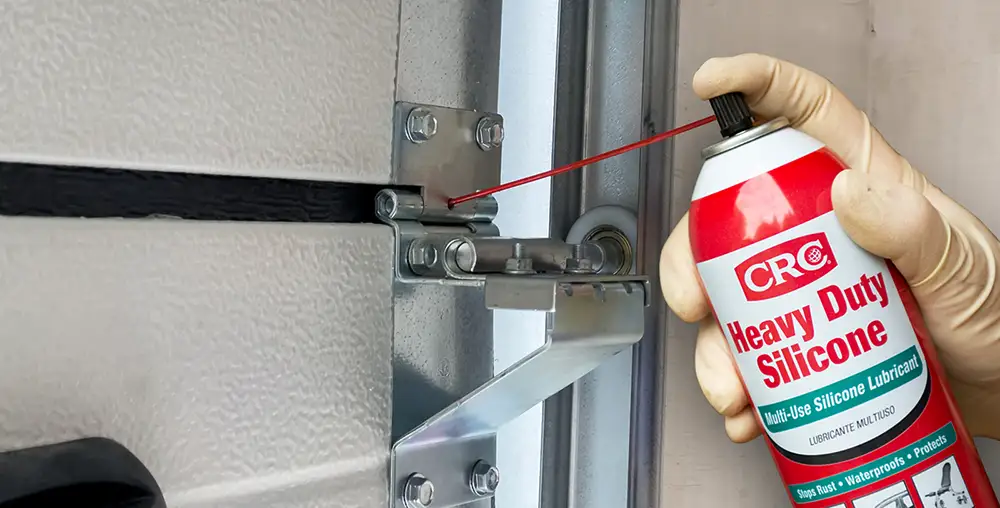
Credit: www.crcindustries.com
Tools And Materials You Need
Lubricating a garage door doesn’t require expensive tools. Here’s what you’ll need:
- Garage door lubricant (spray or liquid, silicone- or lithium-based)
- Clean cloth or rag
- Step ladder
- Old toothbrush or small brush
- Mild household cleaner (optional for cleaning parts before lubing)
Avoid using WD-40 as a lubricant—it’s mainly a cleaner and not suitable for garage door parts.
Common Lubricants: Comparison
Here’s a quick look at popular garage door lubricants.
| Type | Best For | Pros | Cons |
|---|---|---|---|
| Silicone Spray | Rollers, hinges, tracks | Resists dust, water | May drip if over-applied |
| White Lithium Grease | Metal parts | Long-lasting, thick | Can attract dirt |
| Multipurpose Oil | Light duty | Easy to find | Dries out quickly |
Pro tip: Silicone spray is best for plastic or nylon parts, while lithium grease is excellent for all-metal parts.
Which Garage Door Parts Need Lubrication?
Not every part of the garage door should be oiled. Over-lubricating can attract dirt and cause problems.
Focus on these key areas:
- Hinges: The pivot points where door panels connect.
- Rollers: The small wheels that move in the tracks.
- Springs: Only the visible coils; do not touch torsion springs.
- Bearing plates: Hold the springs in place.
- Lock and arm bar: If your door has a manual lock.
Do not lubricate the tracks—clean them instead. Lubing tracks can make dirt stick, causing more friction.
Parts To Lubricate Vs. Not Lubricate
| Lubricate | Do Not Lubricate |
|---|---|
| Rollers (bearings only) | Door tracks |
| Hinges (pivot points) | Roller wheels (if nylon) |
| Springs (coils only) | Garage door panels |
| Bearing plates | Opener chain (unless manufacturer says) |
Step-by-step: How To Lubricate Your Garage Door
Here’s how to lubricate your garage door like a pro.
1. Clean The Door And Parts
- Use a damp cloth to wipe dust and debris from the tracks, rollers, and hinges.
- For sticky buildup, use a mild cleaner and an old toothbrush.
- Dry all parts before adding lubricant.
2. Lubricate Hinges
- Open the garage door.
- Spray lubricant on each hinge’s pivot point where two panels connect.
- Wipe off excess with a clean cloth.
- Move the door up and down to distribute the oil.
3. Lubricate Rollers
- Focus on the roller bearings, not the wheels.
- Apply a small amount of lubricant to the point where the roller shaft meets the wheel.
- For nylon rollers, only lube the bearings (not the nylon surface).
- Rotate the rollers by opening and closing the door.
4. Lubricate Springs And Bearing Plates
- Stand on a step ladder for better access.
- Spray a thin layer of lubricant on the torsion springs (the coils above the door).
- Lubricate the bearing plates at each end of the springs.
- Wipe away drips to avoid buildup.
5. Lubricate Lock And Arm Bar
- If your door has a manual lock, apply a little lubricant to the keyhole and arm bar.
- Move the lock back and forth to spread the oil.
6. Test The Door
- Plug the opener back in (if you unplugged it).
- Open and close the door 2–3 times to spread the lubricant.
- Listen for noises; if you still hear squeaks, check if you missed any parts.
Tip: If the door is still noisy or hard to move after lubrication, contact a garage door professional.
How Often Should You Lubricate?
Most experts recommend lubricating your garage door every 6 months. If you live in a dusty area or use your garage door often, check it every 3–4 months.
- Heavy use: Every 3 months
- Normal use: Every 6 months
- Rare use: Once a year
Keeping a simple schedule helps avoid problems before they start.
Common Mistakes To Avoid
Many beginners make small mistakes that can reduce the benefits of lubrication. Here are the most common ones:
- Using the wrong lubricant: Not all oils are the same. Stick to silicone spray or lithium grease.
- Lubricating the tracks: This attracts dirt and can make the door stick.
- Over-lubricating: More oil is not better. Wipe away extra lubricant to prevent mess.
- Ignoring noisy parts: If a part stays noisy after lubing, it may need repair or replacement.
- Forgetting safety: Never adjust or lubricate springs unless you’re trained.
Signs Your Garage Door Needs Lubrication
Sometimes, the door gives clear signals that it needs attention. Watch for these warning signs:
- Squeaking or grinding sounds
- Door moves jerkily or gets stuck
- Rollers look rusty or dry
- Springs appear dry or dusty
- Door doesn’t close all the way
If you notice any of these, it’s time to lubricate—don’t wait until a small problem becomes a big one.

Credit: www.sterlingdoorllc.com
Cost And Time: What To Expect
Lubricating a garage door is a cheap way to protect your investment.
- Time required: 15–30 minutes for most doors
- Cost of lubricant: $5–$10 for a spray can (enough for several uses)
- Professional service cost: $80–$150 per visit
Doing it yourself saves money and keeps your door in top shape.
Diy Vs. Professional Maintenance
| Factor | DIY Lubrication | Professional Service |
|---|---|---|
| Cost | Under $10 | $80–$150 |
| Time | 15–30 minutes | Appointment needed |
| Skill needed | Beginner | Expert |
| Risks | Low (if safe) | Very low |
For most homeowners, DIY lubrication is safe and easy. But if your door is old or damaged, call a pro.
Practical Tips For Best Results
- Check the weather: Lubricate on a dry day. Rain or humidity can wash away oil.
- Listen closely: Quiet doors mean you did a good job.
- Use the right amount: Just a thin layer is enough.
- Keep a maintenance record: Write down the date each time you lubricate.
- Inspect other parts: Look for loose bolts, worn cables, or cracked panels.
If you find any broken or rusty parts, replace them before they cause bigger problems.

Credit: www.youtube.com
When To Call A Professional
Some garage door problems are too dangerous for DIY repairs. Call a trained technician if:
- The door is hard to lift or close, even after lubrication.
- Springs are broken or stretched.
- Cables look frayed or loose.
- You see dents or major rust.
Never attempt to fix or lubricate springs under high tension. These parts can cause serious injuries.
Garage Door Lubrication: Key Takeaways
- Lubricate all moving parts every 6 months.
- Use silicone spray or lithium grease, not regular oil.
- Clean parts before applying lubricant.
- Avoid lubricating the tracks.
- Listen for noises and check for smooth movement.
Regular lubrication keeps your garage door quiet, safe, and reliable. It’s a simple way to avoid costly repairs and headaches in the future.
If you want to learn more about garage door maintenance, the Family Handyman guide offers more tips and visuals.
Frequently Asked Questions
How Do I Know If My Garage Door Needs Lubrication?
Listen for squeaking, grinding, or rattling sounds when the door moves. If the door is slow, jerky, or gets stuck, it likely needs lubrication. Check for visible rust or dry parts on the rollers, hinges, or springs.
What Type Of Lubricant Is Best For Garage Doors?
The best options are silicone-based sprays or white lithium grease. These products stick well, resist dust, and last longer than standard oils. Avoid using WD-40 as it’s mainly a cleaner, not a true lubricant.
Can I Use Wd-40 On My Garage Door?
No. WD-40 is not suitable for lubricating garage door parts. It’s a cleaner and water displacer. Use a dedicated garage door lubricant for better results and longer-lasting protection.
Is It Safe To Lubricate Garage Door Springs Myself?
You can lubricate the outside of torsion springs safely. But never adjust or repair springs yourself, as they are under high tension and can be dangerous. If you see damaged springs, call a professional.
How Often Should I Lubricate My Garage Door?
Most garage doors need lubrication every 6 months. If you live in a dusty or wet area, check more often. Regular maintenance keeps your door quiet and working smoothly.
Taking care of your garage door is simple and affordable. With regular lubrication, you can avoid noise, damage, and costly repairs. Start today and enjoy a smoother, safer garage door for years to come.