
Garage Baseboard: The Beginner’s Guide To A Cleaner, Safer Garage
When you walk into a well-kept garage, one detail stands out: the neat finish along the bottom of the walls. This is the garage baseboard. It may look simple, but it plays an important role in protecting your garage and making it easier to clean. Many homeowners ignore this small upgrade, but baseboards can make a big difference in daily life. If you want your garage to look better, last longer, and require less maintenance, understanding garage baseboards is a smart first step.
What Is A Garage Baseboard?
A garage baseboard is a strip of material—usually wood, PVC, rubber, or metal—installed at the bottom of the garage wall, right where it meets the floor. Its main job is to protect the wall from bumps, water, dirt, and other damage.
Here’s what a garage baseboard does:
- Covers the gap between the wall and floor
- Blocks water and debris from getting under the wall
- Stops damage from car tires, tools, and heavy objects
- Helps keep insects and pests out
- Makes cleaning the garage easier
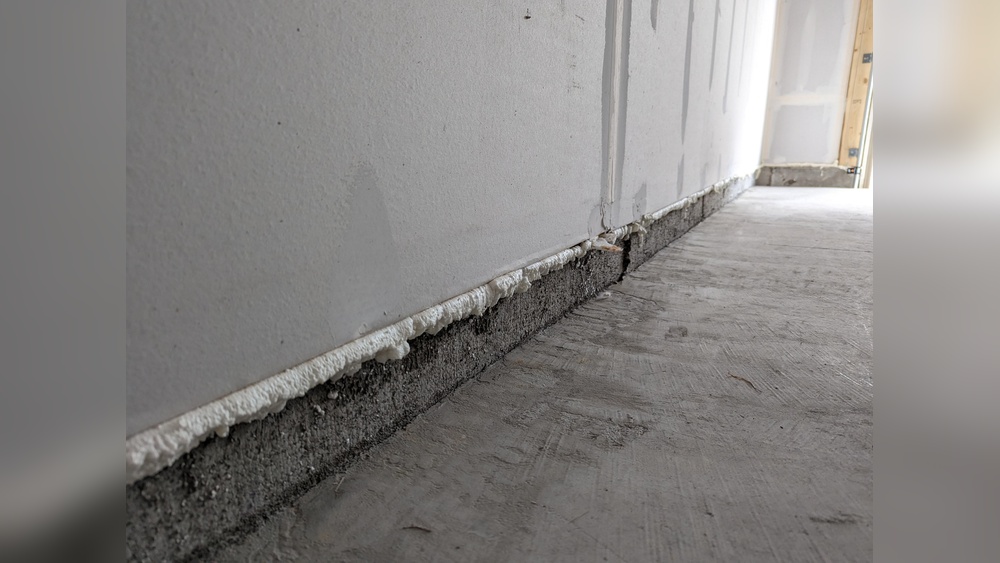
Most garages are built with concrete floors and drywall or block walls. The joint where these meet is weak and can collect dirt or moisture. Baseboards seal and protect this area.
Why Garage Baseboards Matter
Many people ask, “Is a garage baseboard really necessary?” If you want your garage to last and stay clean, the answer is yes. Here are some important benefits:
- Moisture Protection: Rain, snow, and car wash water often find their way into the garage. Baseboards help keep this water from soaking into the wall or seeping under it.
- Easier Cleaning: Baseboards create a smooth edge, making it simpler to sweep or mop. You won’t get stuck trying to remove dirt from gaps.
- Damage Prevention: Cars, bikes, and tools can hit the wall. Baseboards absorb impacts that would otherwise damage the drywall or concrete.
- Better Appearance: A neat baseboard gives your garage a finished, professional look.
Surprisingly, garages without baseboards often show signs of mold, crumbling drywall, or pest entry near the floor. Adding baseboards early can prevent these problems.

Credit: www.amazon.com
Types Of Garage Baseboards
Choosing the right baseboard is important. Each material has pros and cons. The best choice depends on your budget, climate, and how you use your garage.
Here is a quick comparison of common garage baseboard materials:
| Material | Main Benefits | Drawbacks | Estimated Cost (per linear foot) |
|---|---|---|---|
| Wood (Pine, Oak) | Inexpensive, easy to cut, paintable | Can rot, warps with moisture | $1–$3 |
| PVC (Plastic) | Waterproof, durable, low-maintenance | Limited color choices, can crack with impact | $2–$4 |
| Rubber | Flexible, absorbs impact, good seal | Industrial look, limited styles | $3–$6 |
| Metal (Aluminum, Stainless Steel) | Strong, modern look, resists damage | Expensive, may dent | $5–$12 |
| Tile/Stone | High-end finish, waterproof | Hard to install, costly | $8–$20 |
Non-obvious Insight: Pvc And Rubber Outperform In Wet Climates
Many beginners choose wood because it’s cheap and easy to paint. But in garages with high moisture or snow, PVC or rubber baseboards resist mold and rot much better. They may cost a bit more up front, but they last longer and require less maintenance.
Non-obvious Insight: Metal Baseboards Are Ideal For Workshops
If you use your garage as a workshop or for heavy projects, metal baseboards can take more hits from dropped tools and rolling carts. The higher price can be worth it for garages with lots of activity.
How To Choose The Right Garage Baseboard
Picking the right baseboard depends on several factors. Here’s how to make a smart choice:
- Climate: If you live in a rainy or snowy area, waterproof options like PVC, rubber, or metal are best.
- Budget: Wood is budget-friendly but less durable. PVC offers good value for slightly more.
- Garage Use: For storage and parking only, wood or PVC works well. For workshops or gyms, consider rubber or metal.
- Style: Choose a color and finish that matches your garage. PVC and metal often come in neutral tones.
- Ease of Installation: Wood and PVC are easiest for DIYers. Tile or stone usually need a pro.
Example: Choosing For A Two-car Garage
A homeowner in Minnesota with a two-car garage, exposed to snow and road salt, picks PVC baseboard. It resists water and salt, costs about $100 for a typical 25-foot wall, and can be installed in a weekend.

Credit: www.reddit.com
Installing Garage Baseboards: Step-by-step
Installing baseboards in your garage isn’t difficult, but it does require a few tools and careful measurement. Here’s a simple guide:
What You’ll Need
- Measuring tape
- Saw (hand or power, depending on material)
- Drill or hammer
- Screws or nails (corrosion-resistant)
- Construction adhesive (for some materials)
- Caulk (for sealing edges)
- Paint (if desired)
Step-by-step Process
- Measure the Walls: Measure the length of each wall that needs a baseboard. Add 10% for errors or waste.
- Cut the Baseboard: Cut pieces to fit each wall section. Miter corners at 45° for a clean look.
- Dry-Fit Pieces: Lay out the pieces without attaching to check the fit.
- Attach to Wall: For wood or PVC, use construction adhesive plus screws or nails every 16–24 inches. For rubber, follow manufacturer’s installation instructions.
- Seal Edges: Use caulk along the top edge and in corners to prevent water and dirt from getting behind the baseboard.
- Paint or Finish: Paint or finish as desired, especially if using wood.
Practical Tips
- Always use corrosion-resistant fasteners in garages. Ordinary screws can rust from moisture.
- For concrete walls, use masonry anchors instead of regular screws.
- If the floor is uneven, use a flexible material like rubber or caulk gaps after installation.
Typical Installation Time
For a 2-car garage (around 60 linear feet of wall), installation usually takes 4–6 hours for a beginner. If painting is needed, add extra drying time.
Comparing Baseboard Performance
How do the different baseboard materials perform in real garages? Here’s a quick look at common factors:
| Material | Water Resistance | Impact Resistance | Maintenance | DIY Friendly |
|---|---|---|---|---|
| Wood | Low | Medium | High | Yes |
| PVC | High | Medium | Low | Yes |
| Rubber | High | High | Low | Yes |
| Metal | Medium | High | Low | No (best with pro install) |
| Tile/Stone | High | High | Low | No (needs pro) |

Credit: www.reddit.com
Maintenance And Cleaning Tips
Garage baseboards are low-maintenance, but a few habits keep them looking and working their best:
- Sweep or vacuum along the baseboard when cleaning the floor.
- Wipe with a damp cloth if mud or oil splashes on them.
- For wood, repaint or reseal every few years.
- For PVC and rubber, check for cracks or separation and re-caulk if needed.
- Fix loose sections right away to keep water out.
Common Mistake: Ignoring Gaps
Many beginners skip caulking the top or corners. This leaves gaps where water and dirt can sneak behind, causing hidden damage. Always seal all edges, even with waterproof materials.
Cost Breakdown: What To Expect
The cost of installing garage baseboards depends on material, garage size, and DIY vs. hiring a pro.
For a typical 2-car garage (about 60 linear feet):
- Wood: $60–$180 (DIY), $200–$400 (pro install)
- PVC: $120–$240 (DIY), $300–$500 (pro)
- Rubber: $180–$360 (DIY), $400–$700 (pro)
- Metal: $300–$700 (pro recommended)
- Tile/Stone: $500–$1200 (pro only)
Labor makes up a big part of pro installation costs. Many homeowners install wood or PVC baseboards themselves to save money.
Real-life Example: Baseboard Upgrade Impact
A family in Ohio replaced their old wood garage baseboard with PVC. After two winters, they reported:
- No more water stains or rot at the wall base
- Easier to clean up road salt and mud
- Fewer insects coming in under the wall
This simple upgrade cost under $200 and made a big difference in garage comfort and appearance.
Advanced Tip: Pair With Garage Floor Coating
For the cleanest, most durable result, install baseboards after adding an epoxy or polyaspartic floor coating. This helps seal the joint and creates a professional, finished look. Floor coatings can also prevent water from seeping under the wall.
Common Garage Baseboard Mistakes To Avoid
- Picking the cheapest material without checking moisture resistance
- Failing to seal edges and corners
- Using indoor-only baseboards (like MDF) that quickly rot in garages
- Not allowing for expansion or contraction in rubber or PVC
- Over-tightening screws in metal, causing dents
When To Replace Your Garage Baseboard
If you notice:
- Warping, rot, or cracking
- Gaps between the baseboard and wall or floor
- Mold or mildew growth
- Signs of pest entry at the base
…it’s time to replace your baseboard. Acting early prevents bigger repairs later.
Frequently Asked Questions
What Is The Best Material For A Garage Baseboard?
PVC and rubber are the best choices for most garages. They resist water, are easy to clean, and last longer than wood. If you want a high-end or industrial look, metal or tile are also good options.
Can I Install A Garage Baseboard Myself?
Yes, most homeowners can install wood, PVC, or rubber baseboards with basic tools. Metal and tile baseboards often need a pro. Always follow safety tips and measure carefully.
How High Should A Garage Baseboard Be?
Most baseboards are 3 to 6 inches tall. Taller baseboards offer more protection but can cost more. The right height depends on your garage’s needs and style.
Do Garage Baseboards Prevent Pests?
Baseboards help block gaps where insects and rodents can enter. For best results, seal all edges with caulk, especially in corners.
Where Can I Find More Information About Garage Upgrades?
You can find more details on garage baseboards and other upgrades at the Family Handyman website.
A well-chosen garage baseboard does more than look good—it protects your garage, keeps cleaning simple, and can even add value to your home. With the right material and good installation, your baseboard will provide years of quiet, effective service. Whether you do it yourself or hire a pro, this upgrade is worth considering for a cleaner, safer garage.