
Garage door openers make life easier. You press a button, and the door goes up or down. But behind this simple action, wires play a big role. If you are new to garage door openers, understanding the garage door opener wire can help you troubleshoot, install, or upgrade your system. This article explains everything beginners need to know about these wires, from types to installation tips, with clear examples and easy-to-follow guidance.
What Is A Garage Door Opener Wire?
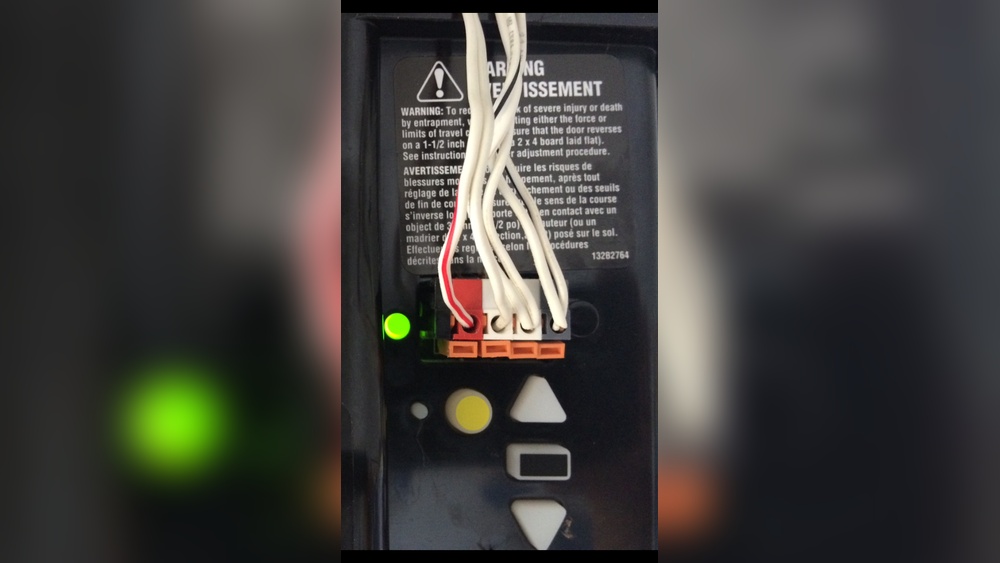
A garage door opener wire is a cable that connects the opener unit to switches, sensors, and sometimes the motor. These wires carry low-voltage signals. Without them, your wall switch or safety sensors won’t work.
- Most wires are thin, flexible, and insulated.
- They usually run from the opener to the wall button and sensors.
- Common wire types are 18-gauge or 22-gauge, solid or stranded.
Non-obvious insight: Many beginners think all wires are the same. However, the gauge and insulation matter for safety and performance. Thinner wires are easier to hide but can break if pulled too hard.
Main Types Of Garage Door Opener Wires
Understanding wire types helps when replacing or installing. Here are the most common options:
- Bell Wire (18/2 or 22/2)
- Two insulated wires (usually red and white).
- Used for wall switches and sensors.
- Flexible and easy to strip.
- Multi-Conductor Cable
- Contains more than two wires.
- Used for advanced openers with extra controls.
- Low-Voltage Wire
- Usually 18-gauge, meant for low-power signals.
- Can be solid or stranded.
- Shielded Cable
- Used in areas with electrical interference.
- Rare for standard home garages, but useful for commercial setups.
Example: Most home garage openers use 18/2 bell wire to connect the wall button and sensors. This wire is cheap and easy to find.

Credit: www.amazon.com
How Garage Door Opener Wires Work
The wire carries signals between devices and the opener unit. For example:
- When you press the wall button, the wire sends a signal to the opener.
- Safety sensors use wires to tell the opener if something blocks the door.
Without proper wiring, these functions fail.
Practical tip: If your opener doesn’t respond, check the wires first. Loose connections and broken insulation are common causes.
Wire Gauge And Length: Why It Matters
Choosing the right wire gauge and length is important for safety and performance.
- Wire gauge refers to thickness. Lower numbers mean thicker wires.
- For garage door openers, 18-gauge is standard. It handles low voltage well.
- Longer wire runs need thicker wires to prevent voltage drop.
Example: For a 30-foot run, 18-gauge wire is safe. For 50+ feet, use 16-gauge to avoid signal loss.
Comparison Of Common Wire Gauges
Here’s a quick comparison of wire gauges used in garage door openers:
| Wire Gauge | Diameter (mm) | Max Length (ft) | Typical Use |
|---|---|---|---|
| 18 | 1.02 | 50 | Wall button, sensors |
| 16 | 1.29 | 100 | Long runs, commercial |
| 22 | 0.64 | 30 | Short runs, older systems |
Non-obvious insight: Using wire that’s too thin can cause weak signals, making the opener unreliable. Always match the gauge to the run length.
Garage Door Opener Wire Installation
Installing garage door opener wire is simple if you follow the right steps.
Basic Installation Steps
- Plan the Route
- Decide where wires will run. Keep them away from moving parts and sharp edges.
- Cut the Wire
- Measure twice, cut once. Leave extra length for connections.
- Strip the Ends
- Use a wire stripper to expose ½ inch of copper.
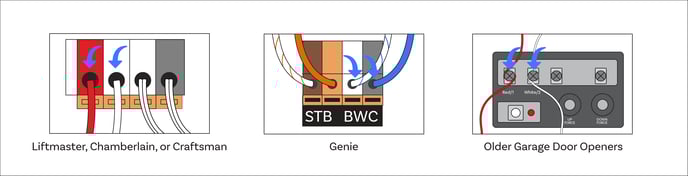
- Connect to Terminals
- Attach wires to the opener, wall button, or sensor terminals. Tighten screws.
- Secure the Wire
- Use wire clips or staples. Avoid crushing the wire.
Example Installation
Suppose you are connecting a wall button to the opener. Use 18/2 bell wire:
- Run the wire along the wall.
- Strip both ends.
- Connect red wire to terminal “1,” white wire to terminal “2.”
- Secure the wire neatly.
Common mistake: Don’t use nails to secure wire. Nails can cut insulation and cause shorts.
Safety Sensors And Wiring
Modern garage openers have safety sensors. These sensors use wires to detect obstacles.
- Sensors are placed on both sides of the garage door, near the ground.
- Each sensor has two wires: One for power, one for signal.
If wires are loose or damaged, the door won’t close.
Sensor Wire Troubleshooting
- Check for broken wires or loose connections.
- Make sure wires are not pinched or exposed.
- Replace damaged wire with the same gauge and insulation.
Practical tip: If the door won’t close and lights blink, check sensor wires first.
Common Problems With Garage Door Opener Wires
Wires are simple but can cause big problems if not installed right.
Typical Issues
- Loose Connections: Wires fall out of terminals or are not tightened.
- Damaged Insulation: Exposed copper can cause shorts.
- Incorrect Gauge: Thin wire breaks or loses signal.
- Rodents: Mice chew through wires, causing failure.
How To Fix
- Re-strip and reconnect loose wires.
- Use electrical tape or heat-shrink tubing for exposed spots.
- Upgrade to thicker wire if runs are long.
- Install conduit or wire covers to protect against pests.
Example: If your opener suddenly stops working after a storm, water may have entered the wire path. Dry and repair insulation before use.
Choosing The Right Garage Door Opener Wire
Picking the right wire is key for reliability.
Factors To Consider
- Opener Model: Check manufacturer specs for wire type and gauge.
- Distance: Longer runs need thicker wires.
- Environment: Use shielded wire if there’s electrical interference nearby.
- Budget: Bell wire is affordable and works for most homes.
Comparison Of Wire Types
Here’s how popular wire types compare:
| Wire Type | Cost (per ft) | Flexibility | Use Case |
|---|---|---|---|
| Bell Wire (18/2) | $0.15 | High | Wall button, sensors |
| Shielded Cable | $0.50 | Medium | High interference areas |
| Multi-Conductor | $0.30 | Low | Advanced controls |
Practical tip: For most homes, bell wire is best. Only use shielded cables if you notice interference.

Credit: store.geniecompany.com
Garage Door Opener Wire Maintenance
Regular maintenance keeps your system running smoothly.
- Inspect wires twice a year.
- Look for signs of wear, cracks, or breaks.
- Replace damaged wires immediately.
- Keep wires clean and free from dust.
Example Maintenance Routine
- Unplug the opener for safety.
- Check all visible wires.
- Tighten terminal screws.
- Clean wires with a dry cloth.
- Re-plug and test the opener.
Common mistake: Don’t use water to clean wires. Moisture can cause corrosion.
Upgrading Garage Door Opener Wiring
Older systems may have outdated wires. Upgrading improves safety and performance.
- Use thicker gauge for longer runs.
- Replace old, brittle insulation with new wire.
- Add conduit for extra protection.
Example: If your garage is being remodeled, run new 18-gauge wires for all controls. This prevents future problems.
Credit: support.konnected.io
Frequently Asked Questions
What Wire Do I Need For My Garage Door Opener?
Most garage door openers use 18-gauge bell wire. Check your opener’s manual to confirm the right gauge and type. For runs over 50 feet, consider using 16-gauge wire.
How Long Can Garage Door Opener Wire Be?
Safe length depends on gauge. For 18-gauge wire, up to 50 feet is fine. Longer runs need thicker wire to avoid signal loss. If unsure, use thicker wire for reliability.
Can I Use Regular Electrical Wire?
No. Garage door openers need low-voltage wire, not standard electrical wire. Regular wire is too thick and not flexible enough. Always use wire meant for low-voltage devices.
How Do I Fix A Broken Garage Door Opener Wire?
First, unplug the opener. Then:
- Find the broken section.
- Cut out the damaged part.
- Strip the ends.
- Use a wire connector or electrical tape to join wires.
- Test the opener after repair.
Are Garage Door Opener Wires Safe?
Yes, if installed correctly. These wires carry low voltage and pose little risk. Always keep wires away from water and moving parts, and check insulation for safety.
Garage door opener wires are simple but important. Picking the right wire, installing it carefully, and keeping it maintained ensures your opener works smoothly. If you follow these tips and check wires regularly, you avoid most common problems. For extra guidance, you can learn more at the Home Depot Garage Door Opener Guide. With the right approach, even beginners can handle garage door opener wires confidently and safely.