
Keeping flies out of your garage can feel like a never-ending battle, especially during warm months. Flies are not only annoying but can also carry bacteria and contaminate your stored items. If you use your garage for hobbies, tools, or even as a laundry area, flies can quickly become a bigger problem.
Let’s explore the most effective ways to keep flies away, why they come in, and what you can do to make your garage a fly-free zone.
Why Flies Love Garages
Garages offer flies the things they like best: food sources, warmth, and shelter. Even if you think your garage is clean, small bits of trash, spilled drinks, or pet food can attract flies. They also love moisture, so leaks, wet rags, or even your car’s drip tray can become a fly magnet. Understanding what brings them in is the first step in keeping them out.
- Food scraps: Leftover pet food, open bins, and even crumbs.
- Moisture: Leaks, condensation, or standing water.
- Shelter: Warmth during cold weather and shade in summer.
A 2020 study from the National Pest Management Association found that flies can lay up to 150 eggs at a time, and a single female can produce up to 900 eggs in her short life. This is why one or two flies can become an infestation fast.
Common Ways Flies Enter Your Garage
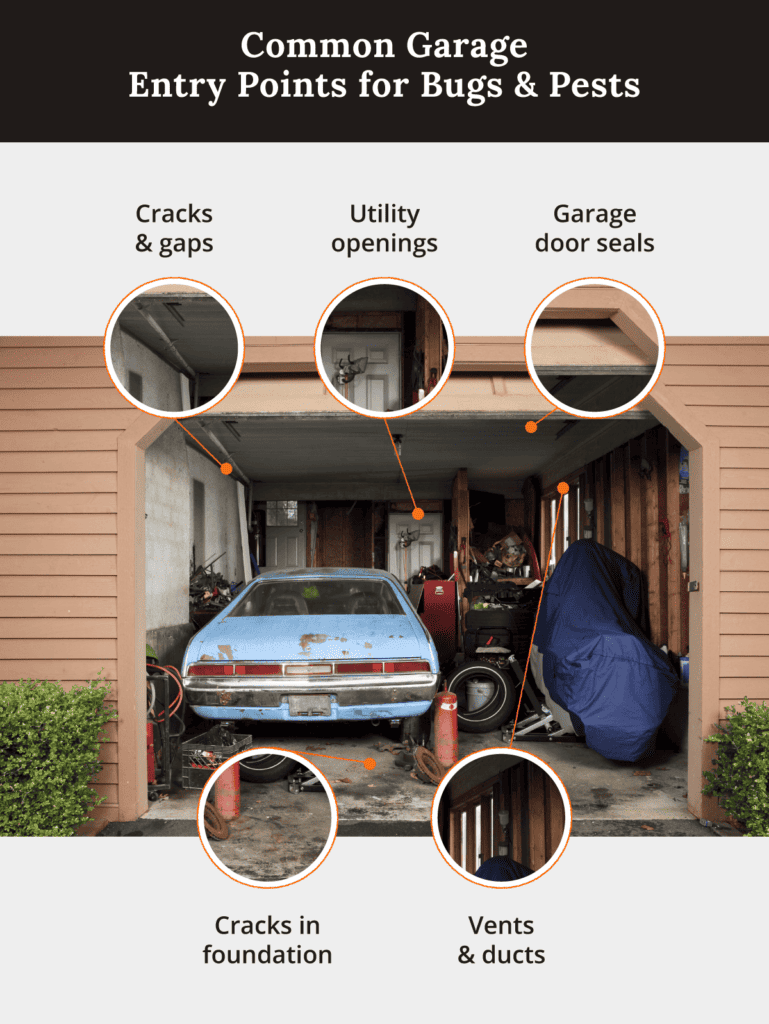
Before stopping flies, you need to know their common entry points:
- Open doors and windows: Flies move quickly when they see light or sense food.
- Gaps and cracks: Small cracks in the foundation or around windows.
- Vents and drains: Uncovered or damaged vents, or drains without screens.
- Garage door seals: Worn seals can create gaps large enough for flies to enter.
Tip: Walk around your garage on a sunny day. If you see light coming in around doors or windows, flies can get in there too.
:max_bytes(150000):strip_icc()/getting-rid-of-flies-outdoor-2656268_FINAL-729e4e7d8cd641dc9ccfaa659d73c98e.png)
Credit: www.thespruce.com
Cleaning: The Foundation Of Fly Control
The best defense is a clean garage. Flies need food and moisture. Remove these, and you remove their reason to stay.
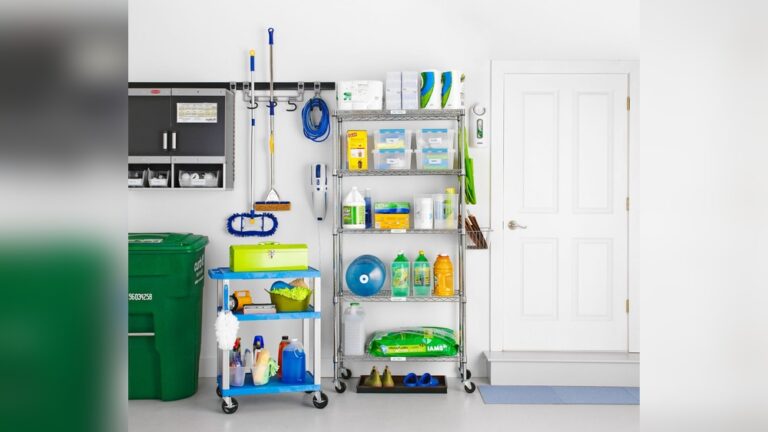
- Sweep the floor: Do this weekly to remove crumbs and spills.
- Seal trash cans: Use bins with tight lids. Empty them regularly.
- Store pet food: Keep it in sealed containers. Don’t leave bowls out overnight.
- Fix leaks: Check under sinks, around water heaters, and in corners for moisture.
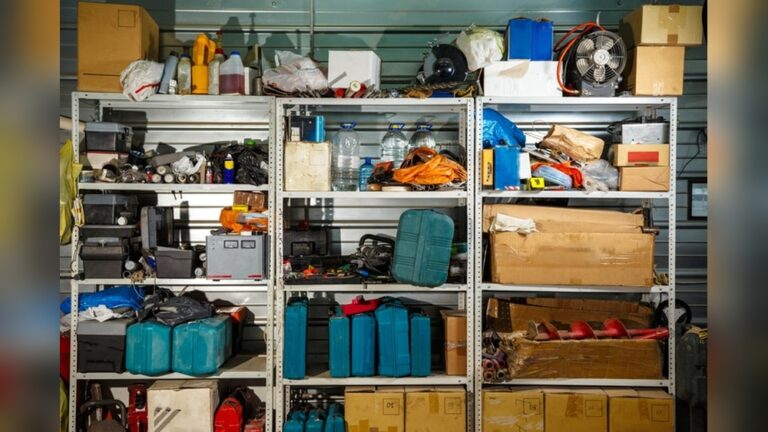
- Remove clutter: Piles of old newspapers, cardboard, or rags can attract flies.
Non-obvious insight: Even a soda can with a few drops left can attract flies for days. Rinse all recyclables before storing them.
Block Entry Points
Stopping flies starts with keeping them out. Here’s how you can do that:
Seal Gaps And Cracks
- Use caulk for small cracks around windows and doors.
- Weatherstripping works for larger gaps.
- For holes in the wall, patch with foam or cement.
Install Or Repair Screens
- Use fine mesh screens on windows and vents.
- Check for tears or holes twice a year.
- Replace damaged screens quickly.
Upgrade Garage Door Seals
- Install a new bottom seal if you see light under your garage door.
- Side seals and threshold seals help close gaps.
Cover Drains And Vents
- Place mesh covers over drains.
- Use louvered vent covers to block fly entry but allow airflow.
Data point: The U.S. Department of Agriculture suggests that sealing gaps as small as 1/8 inch can block most common houseflies.
Credit: alansfactoryoutlet.com
Reduce Attractants: Make Your Garage Unappealing
Flies look for places with food and moisture. You want to make your garage as unattractive as possible.
- Don’t store uncovered food: This includes birdseed and animal feed.
- Empty standing water: Even a plant saucer can breed flies.
- Choose LED lights: Flies are less attracted to LED versus standard bulbs.
Here’s a quick comparison of light types and fly attraction:
| Light Type | Fly Attraction Level | Energy Efficiency |
|---|---|---|
| Incandescent | High | Low |
| Fluorescent | Medium | Medium |
| LED | Low | High |
Switching to LED lighting can make a surprising difference over time.
Natural Fly Repellents And Deterrents
You don’t always need chemicals. Many natural methods can help keep flies away.
Essential Oils
Some smells are unpleasant to flies. Try these:
- Lavender oil: Mix with water and spray around windows.
- Peppermint oil: Place cotton balls soaked in oil in corners.
- Eucalyptus oil: A few drops in a spray bottle with water can be used on door frames.
Plants That Repel Flies
Certain plants have natural fly-repelling properties:
- Basil
- Mint
- Marigold
- Bay leaf
Keep small pots near windows or doorways. Flies hate their scent.
Vinegar Traps
A simple trap can reduce fly numbers quickly:
- Fill a small bowl with apple cider vinegar.
- Add a few drops of dish soap.
- Cover with plastic wrap and poke small holes.
Flies are drawn to the smell but get trapped in the liquid.
Extra tip: Replace the trap every 3–4 days for best results.
Mechanical Barriers And Devices
Sometimes, physical tools work best.
Fly Strips And Sticky Traps
- Hang fly strips near doors or windows.
- Place sticky traps on shelves or near trash cans.
Modern traps are less visible and can be tucked behind objects.
Bug Zappers
- For heavy infestations, a bug zapper can reduce fly numbers.
- Place it away from areas where people gather, to avoid attracting flies toward you.
Air Curtains
- These blow a strong stream of air downward.
- Used in commercial garages, but available for homes as well.
- They prevent flies from entering when the door is open.
Example: If you work in your garage with the door up, an air curtain can let in light and air, but keep flies out.
Chemical Control (if Necessary)
Most garages don’t need harsh chemicals, but sometimes they’re needed for big infestations.
- Residual sprays: Apply to baseboards and window frames.
- Fly baits: Safe for outdoor use around the garage.
- Automatic dispensers: Some garages use timed sprays, but use with care and read all warnings.
Warning: Always keep chemicals away from pets, kids, and food.
Non-obvious insight: Overusing sprays can create resistant fly populations. Rotate products if you must use them often.
Regular Maintenance: Your Long-term Solution
Keeping flies out is not a one-time job. It’s about regular habits.
- Inspect weekly: Look for new gaps, leaks, or fly activity.
- Clean monthly: Deep clean corners and storage areas.
- Rotate traps: Change bait or traps often to stay effective.
Pro tip: Keep a checklist by your garage door. A quick review helps you catch problems early.
When To Call A Professional
If you’ve tried everything and flies keep coming back, it could mean a bigger issue.
- Hidden nests: Flies can breed inside walls, under floors, or in drains.
- Sewage leaks: These attract flies and require expert repair.
- Nearby infestations: Sometimes, the problem is outside your property.
A pest control expert can find and treat hidden sources that you might miss. Don’t wait if flies suddenly increase without explanation.

Credit: www.homesandgardens.com
Comparing Fly Control Methods
Here’s a side-by-side look at different methods, their cost, and effectiveness:
| Method | Cost | Effectiveness | Best For |
|---|---|---|---|
| Cleaning | Low | High | All garages |
| Sealing gaps | Low–Medium | High | Entry prevention |
| Natural repellents | Low–Medium | Medium | Light infestations |
| Sticky traps | Low | Medium | Spot problems |
| Bug zappers | Medium–High | Medium | Severe infestations |
| Chemical sprays | Medium | High (short-term) | Outbreaks |
| Professional help | High | High | Recurring infestations |
Mistakes To Avoid
Even with the best intentions, people often make these errors:
- Ignoring small cracks: Flies need only tiny gaps.
- Leaving food out “just for a few hours”: Flies find it fast.
- Using too much chemical spray: This doesn’t solve the root problem.
- Not changing traps: Old traps stop working.
- Thinking one-time cleaning is enough: Flies can return within days.
Example: A family cleaned their garage once in spring but didn’t check again until fall. By then, flies had nested in a forgotten box of rags.
Real-life Success Story
Maria, a homeowner in Texas, struggled with flies every summer. She tried sprays with little success. After sealing all visible gaps, switching to LED lights, and using vinegar traps, the problem dropped by 90%. She now spends 10 minutes each week checking her garage. Her advice: “It’s all about small habits. Once you start, it’s easy to keep flies away.”
Where To Learn More
For deeper information about fly biology and prevention, the U.S. Environmental Protection Agency offers resources on integrated pest management.
Frequently Asked Questions
What Is The Fastest Way To Get Rid Of Flies In My Garage?
The fastest way is a combination of cleaning up all food and water sources, using sticky traps, and spraying a safe fly repellent around windows and doors. For immediate results, a bug zapper can also help. Remember, fast fixes are often temporary. Long-term control needs regular cleaning and sealing entry points.
Can I Use Homemade Fly Traps?
Yes, homemade traps like vinegar and dish soap bowls work well for small garages. They’re cheap, safe, and effective for catching adult flies. Just remember to replace the mix every few days. For bigger problems, combine traps with other methods for best results.
Are Chemical Sprays Safe To Use In My Garage?
Most sprays are safe if you follow label instructions. Always keep them away from children, pets, and food. Use sprays as a last resort and ventilate your garage after use. Overuse can build fly resistance, so rotate products if needed.
Why Do Flies Keep Coming Back Even After I Clean?
Flies can return if there are hidden attractants like leaks, cracks, or missed food sources. Check for moisture under appliances, in drains, or in corners. Sealing entry points and regular cleaning are key to stopping repeat infestations.
Will Keeping The Garage Door Closed Solve The Problem?
Keeping the door closed helps but isn’t enough alone. Flies can find their way in through even the smallest gaps. Combine a closed door with sealed cracks, screens, and good cleaning habits for the best results.
Regular maintenance and small changes can keep your garage comfortable and fly-free. By following these practical tips, you’ll avoid common mistakes and enjoy a cleaner, healthier space all year round.