
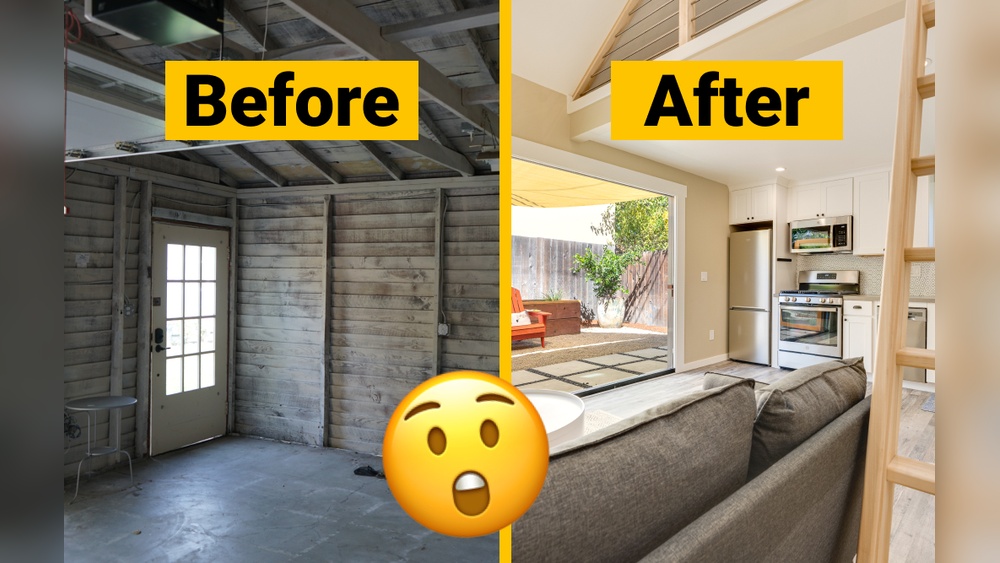
Garage Conversion: Beginner-friendly Guide To Transforming Your Space
Thinking about a garage conversion? You’re not alone. Many homeowners in the US and around the world are discovering the value of turning their garage into a usable room. Whether you need a new bedroom, a home office, or a rental unit, converting your garage can add both space and value to your home. This guide explains everything beginners need to know—costs, planning, common mistakes, and practical tips—to help you decide if a garage conversion is right for you.
What Is A Garage Conversion?
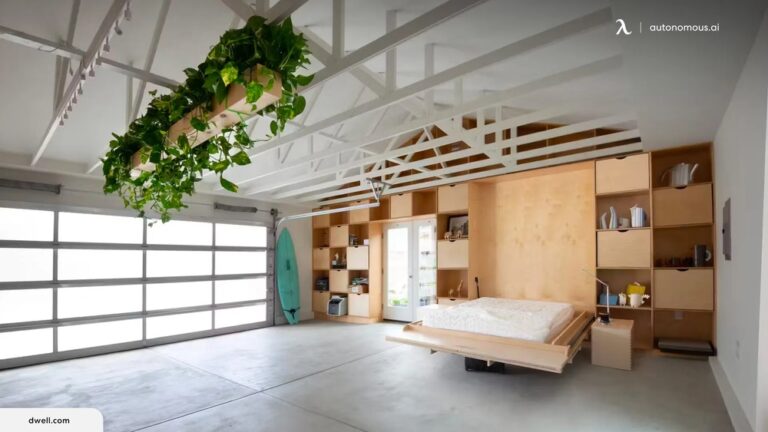
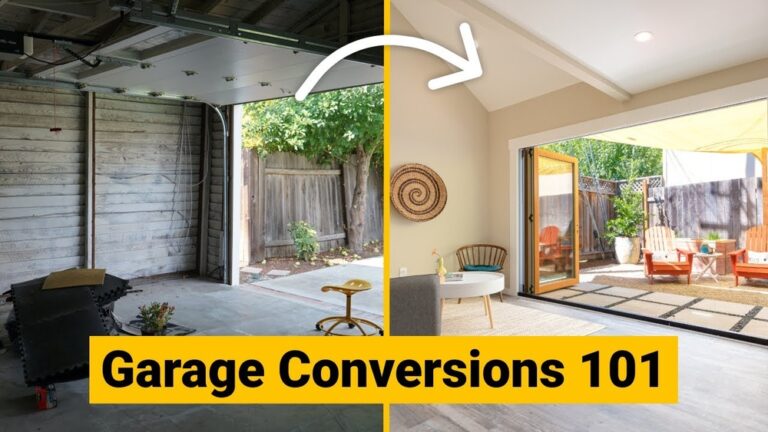
A garage conversion means changing your garage from a place to park cars into a room you can live or work in. Instead of building a new addition to your house, you use the existing structure. This makes garage conversions one of the most affordable ways to gain extra space.
Many people convert garages into:
- Guest bedrooms
- Home offices
- Playrooms for kids
- Home gyms
- Rental apartments (ADUs)
- Studios for art or music
Why Convert Your Garage?
People choose garage conversions for different reasons. Here are some common ones:
- More living space: Families grow or needs change. A converted garage can become a needed room.
- Increase home value: A well-done garage conversion can raise your home’s value by up to 20%.
- Save money: It’s usually cheaper than building a new room or moving to a bigger house.
- Rental income: Turn your garage into an apartment and rent it out for extra income.
A study by ATTOM Data Solutions found that homes with an extra bedroom or living space can sell for 10-20% more than similar homes without it.
Is Garage Conversion Right For You?
Before starting, ask yourself:
- Do you need the garage for parking or storage? If you rely on your garage for cars or tools, converting it may not be ideal.
- Does your city allow garage conversions? Local rules vary. Some cities have strict zoning laws or require special permits.
- Will it fit with your home’s style? A poorly designed conversion can hurt your home’s curb appeal and value.
If you answer “yes” to most of these, a garage conversion may be a smart move.
Planning Your Garage Conversion
Good planning is key to a successful garage conversion. Here’s how to start:
- Check local building codes
- Visit your city or county office or website.
- Ask about permits, inspections, and zoning rules.
- Some areas require a certain ceiling height, emergency exits (like windows), or fireproofing.
- Decide how you’ll use the space
- Bedroom? Home gym? Rental unit?
- Each use has different needs (like plumbing, privacy, or soundproofing).
- Set a budget
- Most US garage conversions cost between $10,000 and $40,000.
- Converting to a simple office or playroom is cheaper.
- Adding a bathroom or kitchen can raise costs above $50,000.
- Hire a pro or DIY?
- Hiring an architect or contractor helps avoid mistakes.
- Some tasks, like electrical or plumbing, may require licensed professionals.
Cost Breakdown: Garage Conversion Vs. Other Options
Here’s a simple comparison to help you understand costs:
| Project Type | Average Cost (US) | Typical Timeframe |
|---|---|---|
| Garage Conversion | $10,000 – $40,000 | 4-8 weeks |
| New Room Addition | $30,000 – $80,000 | 8-16 weeks |
| Buying Larger Home | $50,000+ (extra mortgage/fees) | Months |
Insight: Converting a garage is usually much faster and cheaper than building a new room or moving.
Steps To A Successful Garage Conversion
Let’s break down the main steps:
- Get permits
- Always start here. Skipping permits can lead to fines or problems selling your home later.
- Design the new space
- Plan windows, doors, walls, and how you’ll use the room.
- For bedrooms, you’ll need an emergency exit (egress window).
- Insulate and weatherproof
- Most garages aren’t insulated. Add insulation to walls, ceiling, and garage door.
- Seal floors to block moisture.
- Install electrical and plumbing
- More outlets, lights, or plumbing (for a bathroom or kitchen) may be needed.
- Hire licensed professionals for safety and code compliance.
- Flooring and walls
- Raise the floor if it’s lower than the rest of your home.
- Add drywall, paint, and flooring (carpet, laminate, or tile).
- Heating, cooling, and ventilation
- Garages usually lack HVAC. Consider extending your home’s system or using portable units.
- Finishing touches
- Add doors, trim, and any built-in furniture.
Pro tip: Always leave a small storage space if you have items you don’t want inside your house.
Garage Conversion Design Ideas
What can you do with a garage? Here are practical ideas with examples:
- Home office: Add built-in desks, shelves, and plenty of lighting. Example: A 1-car garage (about 200 sq ft) becomes a quiet office for remote work.
- Guest suite: Include a small bathroom and a pull-out sofa. Example: Many Airbnb hosts earn $800–$2,000/month renting converted garages.
- Home gym: Use rubber flooring, mirrors, and good ventilation. Example: A garage gym saves $500/year on gym memberships.
- Rental unit (ADU): Add a kitchenette and private entrance. Example: California reports over 10,000 new ADUs in 2022, many from garage conversions.
Common Garage Conversion Mistakes To Avoid
Beginners often make these mistakes:
- Skipping permits: This can cause legal issues and lower your home’s value.
- Ignoring insulation: Garages get hot in summer and cold in winter. Proper insulation is a must.
- Poor lighting and ventilation: Natural light and fresh air make the space pleasant and healthy.
- Not planning for storage: Losing garage storage can clutter your home.
- Over-improving for the neighborhood: Spending too much may not add equal value if surrounding homes are simpler.
Extra insight: Some conversions leave the garage door in place (from the outside), but use a wall behind it. This keeps curb appeal and may help with city rules.
Legal And Zoning Issues
Understanding the law is vital:
- Building permits: Most cities require them for garage conversions.
- Zoning rules: Some areas forbid garage conversions or limit their use (like no rentals).
- Parking requirements: Many cities require you to keep a certain number of off-street parking spots.
- Homeowner association (HOA) rules: If you live in a community with an HOA, check their guidelines.
Tip: Start by calling your local building department and asking, “Can I convert my garage?” They will explain what’s needed.
Will A Garage Conversion Add Value To My Home?
In most cases, yes—if done well. Here’s why:
- Added square footage: More living space usually means a higher home value.
- Versatility: Extra rooms appeal to buyers who want a home office, gym, or guest space.
- Income potential: Rental units bring extra income, making your home more attractive.
However, value depends on:
- The quality of the work
- Local real estate market trends
- Whether buyers in your area want extra living space or need a garage for cars
A survey by Remodeling Magazine found that garage conversions recoup around 80% of their cost at resale in many areas.
Example: Budgeting For A Basic Garage Conversion
Let’s say you want to turn a 2-car garage (about 400 sq ft) into a playroom. Here’s a sample budget:
| Item | Estimated Cost |
|---|---|
| Permits and plans | $1,500 |
| Insulation and drywall | $3,000 |
| Electrical upgrades | $2,000 |
| Flooring | $2,000 |
| Heating/cooling | $2,500 |
| Paint and finishing | $1,000 |
| Total | $12,000 |
This example does not include a bathroom or kitchen, which would cost more.
Can You Do A Garage Conversion Yourself?
Some parts can be DIY, but some require professionals:
- DIY-friendly: Painting, installing flooring, adding trim
- Hire a pro: Electrical, plumbing, structural changes
Warning: Doing electrical or plumbing work yourself without a license can be dangerous and illegal. Always check local codes.

Credit: snapadu.com
Financing Your Garage Conversion
If you need help paying for your project, consider these options:
- Home equity loan or line of credit: Uses your home’s value as security.
- Personal loan: Good for smaller projects.
- Refinancing: Some people refinance their mortgage to get cash.
Research each option carefully. Interest rates and fees vary.
Sustainability And Energy Efficiency
Garage conversions offer a chance to make your home greener:
- Use energy-efficient insulation and windows.
- Install LED lighting to save energy.
- Choose low-VOC paint for better air quality.
- Add solar panels if your budget allows.
Some cities offer rebates for green renovations. Check local programs.
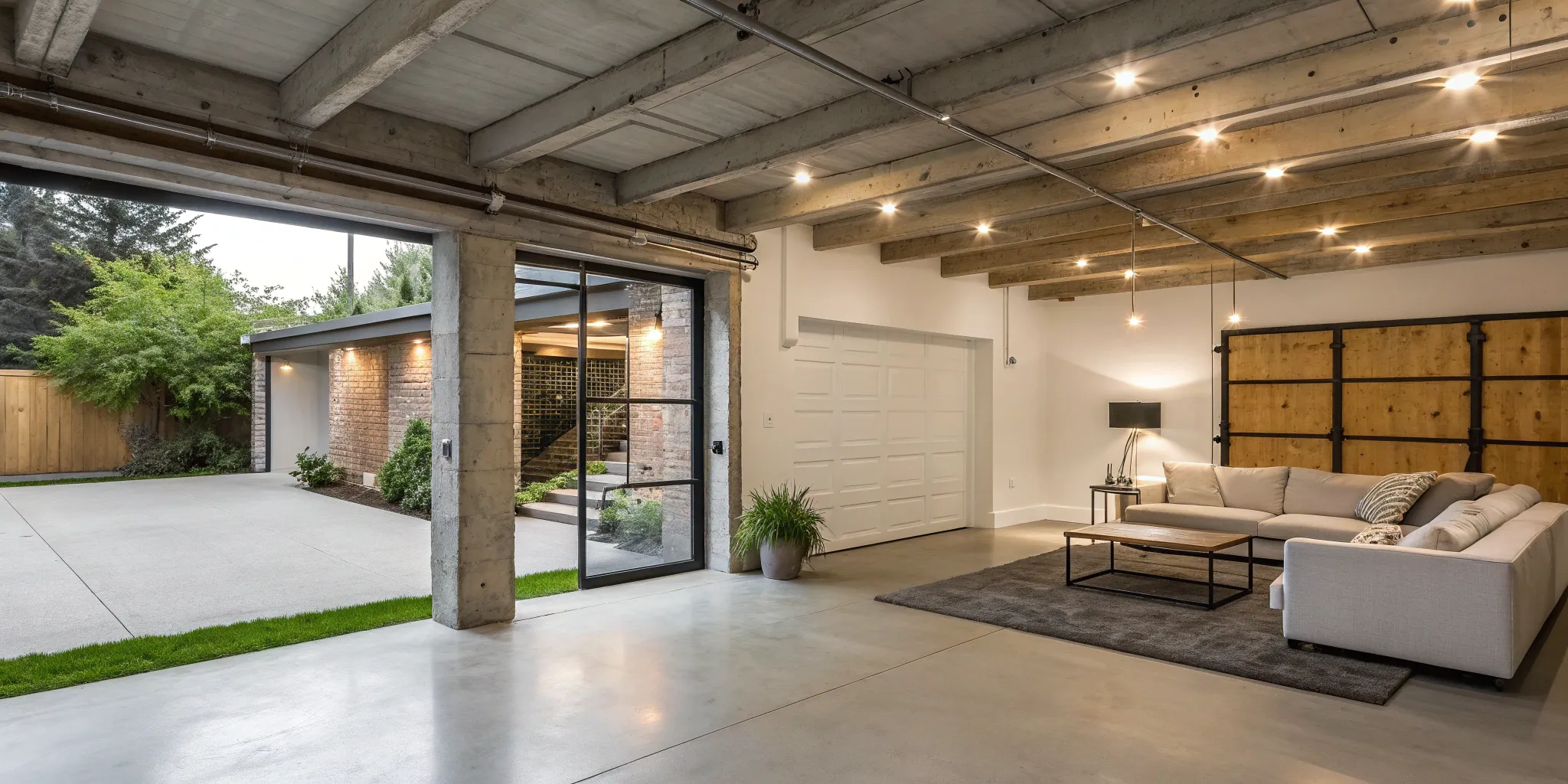
Credit: realmhome.com
Real-world Success Stories
- In Los Angeles, a family turned their garage into an ADU and now earns $1,500/month in rental income.
- A Texas couple converted their garage into a home gym for $8,000, saving money on gym fees and boosting their home’s value.
- In New York, a homeowner made a home office in their garage and increased their home’s resale value by $20,000.
Insider tip: Talk to neighbors who have done a garage conversion. Their experience can help you avoid surprises.
Frequently Asked Questions
How Long Does A Garage Conversion Take?
Most garage conversions take 4–8 weeks from start to finish. The time depends on the project’s size, permits, and whether you add plumbing or a bathroom.
Do I Need Planning Permission For A Garage Conversion?
In most US cities, yes. You’ll need a building permit. Some areas also require zoning approval, especially for rental units or major changes.
Will Converting My Garage Hurt Resale Value?
If done well, a garage conversion usually increases value. However, in neighborhoods where parking is important, losing garage space may turn off some buyers.
Can I Still Use Part Of My Garage For Storage?
Yes. Many people convert only part of their garage or build new storage into the design. Consider adding shelves, cabinets, or a small storage area.
Where Can I Find More Information?
Check your city’s building department or visit HUD’s Garage Conversion page for official guidelines and tips.
Turning your garage into a comfortable, usable space is one of the smartest ways to add value to your home. With smart planning, attention to detail, and the right help, your garage conversion can transform not just your house—but your entire lifestyle.
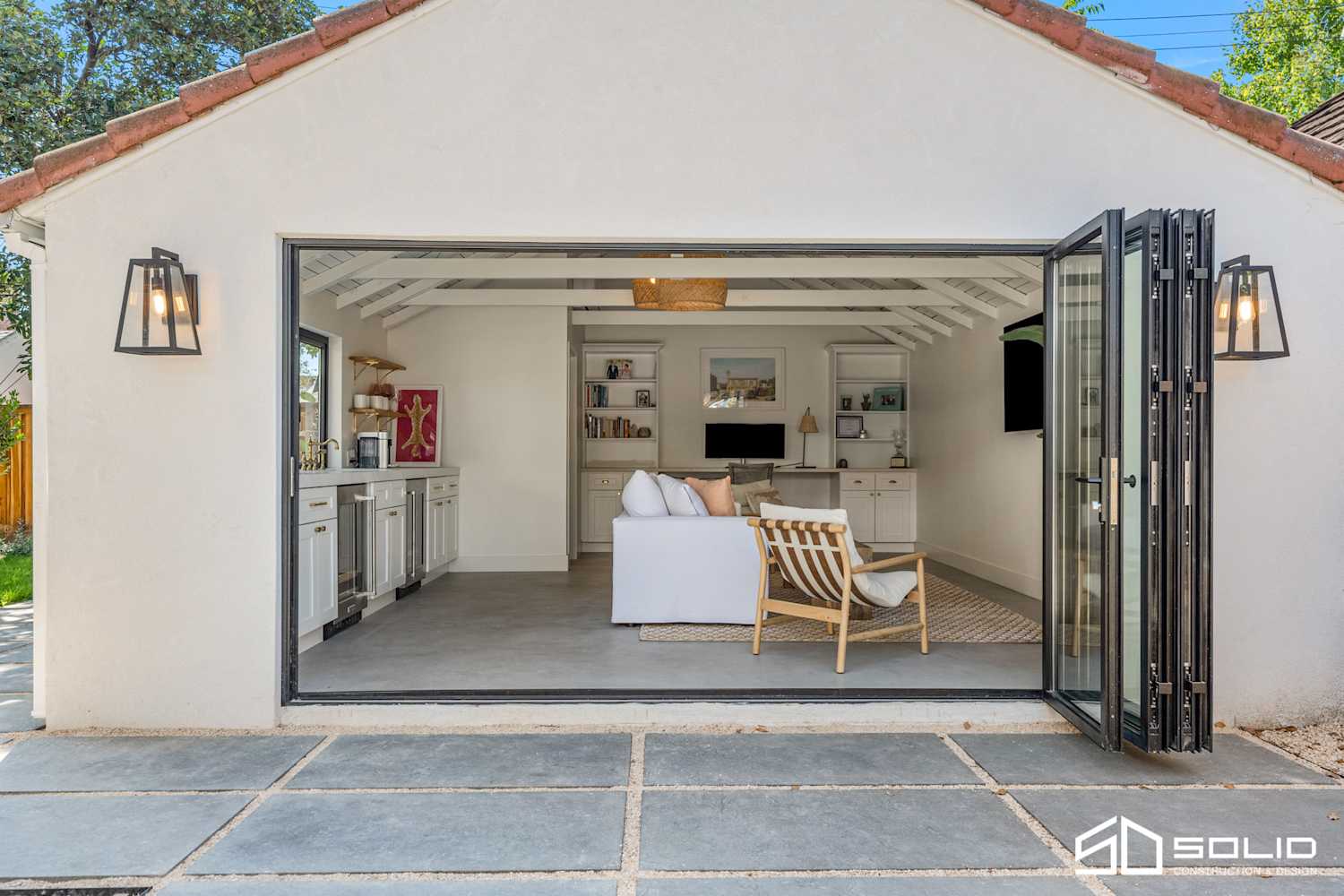
Credit: www.solidconstructiondesign.com