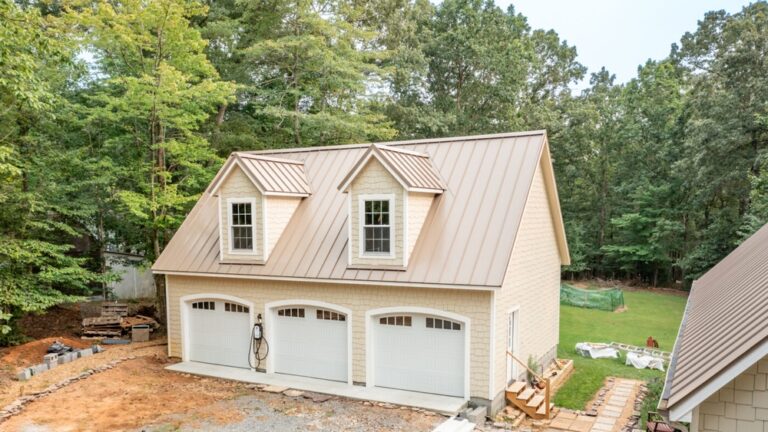

When planning a home or buying a property, garage size is often overlooked. Yet, the right garage can make daily life easier, add value to your house, and even provide extra space for hobbies or storage. For beginners, understanding garage sizes might feel confusing, but it’s simpler than you think. This guide breaks down the basics, helps you compare options, and gives real-life examples to help you choose the best garage size for your needs.
What Is Garage Size?
Garage size refers to the dimensions of the space where you park vehicles or store items. Usually, garages are measured by width (side to side), depth (front to back), and height (floor to ceiling). The most common way to talk about garage size is by the number of cars it can fit: one-car, two-car, or three-car garage.
But garage size is about more than just cars. A good-sized garage can also:
- Store bikes, tools, and lawn equipment
- Provide space for a small workshop
- Offer extra storage for boxes or seasonal items
Choosing the right size means thinking about your current needs and planning for the future.
Standard Garage Sizes
Knowing the typical sizes can help you compare your options quickly. Here are the most common garage sizes in the US:
| Type | Width (feet) | Depth (feet) | Area (sq ft) |
|---|---|---|---|
| One-car garage | 12–16 | 20–24 | 240–384 |
| Two-car garage | 20–24 | 20–24 | 400–576 |
| Three-car garage | 30–36 | 20–24 | 600–864 |
Most people choose a two-car garage because it balances cost, space, and flexibility. However, each family’s situation is unique.
Example: Standard Two-car Garage
A common two-car garage size is 24 feet wide by 24 feet deep. This fits two mid-sized cars comfortably, with enough room to open doors and walk around. You’ll also have a bit of extra space for bikes or storage shelves.
How To Choose The Right Garage Size
Selecting the best garage size depends on your needs. Here are some steps to guide you:
- Count Your Vehicles
- Do you have one car or more?
- Will you buy another car soon?
- Do you want to store motorcycles or bikes?
- Think About Storage
- Need space for tools, lawnmowers, or sports equipment?
- Want a workbench or hobby area?
- Plan to use part of the garage for boxes or seasonal items?
- Measure Your Vehicles
- Some vehicles, like trucks or SUVs, need more space.
- Measure your car’s length and width (include mirrors).
- Add at least 2–3 feet on each side for comfortable movement.
- Check Local Rules
- Some cities have rules about garage size or placement.
- Homeowners’ associations may have guidelines.
Non-obvious Insight: Door Size Matters
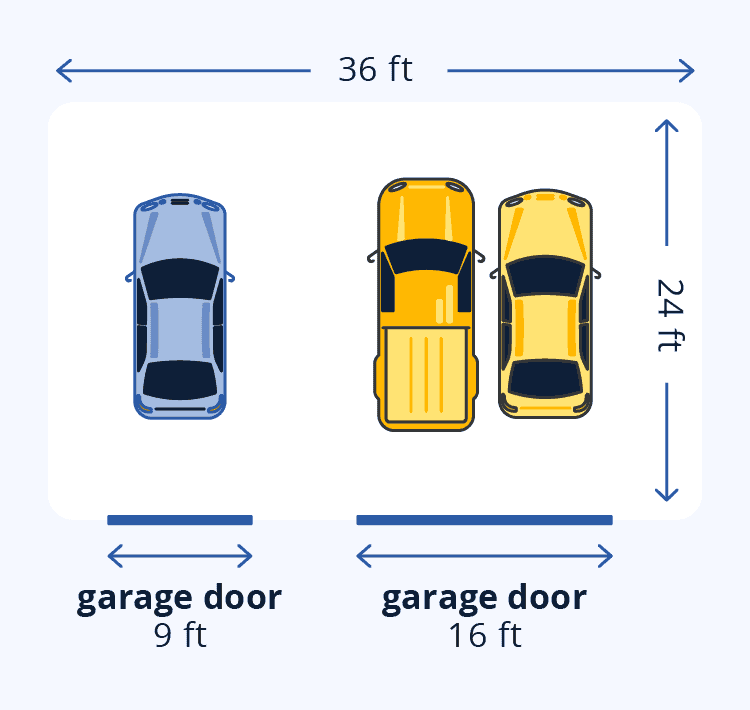
Many beginners focus on the garage’s outer size but forget about garage door width. Standard single doors are 8–9 feet wide, double doors are 16 feet wide. A wider door makes parking easier—especially for large vehicles or less experienced drivers.
Single-car Vs. Double-car Vs. Triple-car Garages
Choosing between these options can feel tricky. Here’s a quick comparison:
| Feature | 1-Car | 2-Car | 3-Car |
|---|---|---|---|
| Vehicles Fit | 1 | 2 | 3 |
| Typical Size (feet) | 12×24 | 24×24 | 36×24 |
| Extra Storage | Limited | Good | Ample |
| Best For | Single drivers, small homes | Families, small workshops | Large families, hobbyists |
A single-car garage is great for small homes or if you only have one vehicle. A double-car garage offers flexibility for families or those who want extra space. Three-car garages are ideal for large families or people with hobbies that need more room.
Oversized And Custom Garage Sizes
Some homeowners need more than standard options. Oversized garages add extra width or depth for big vehicles, storage, or special uses. For example, a 24×30-foot garage fits two cars plus a workshop.
Custom garages are designed for unique needs:
- RV garages (often 14 feet tall)
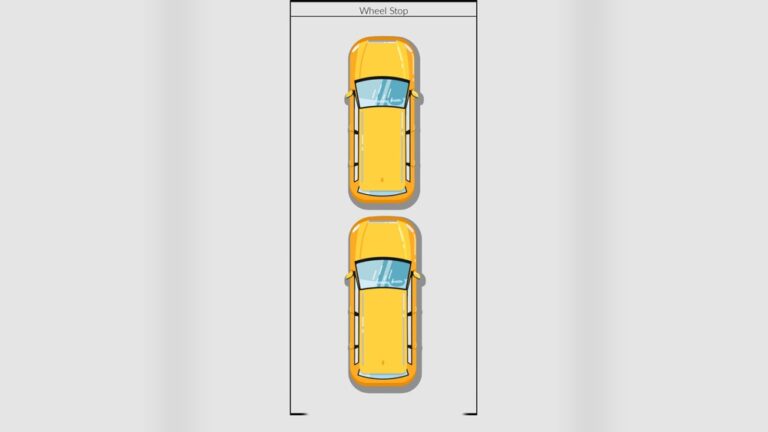
- Tandem garages (cars parked end-to-end)
- Garages with lofts or living space above
Before building, consider:
- Your budget (custom sizes cost more)
- Local building codes
- Future resale value
Non-obvious Insight: Depth Is Often More Useful Than Width
Most people focus on garage width, but adding extra depth can be more practical. A deeper garage lets you install shelves, a workbench, or simply keep the car farther from the door. This makes it easier to move around and store long items like kayaks or ladders.
Garage Size And Home Value
The size of your garage can affect your home’s resale value. In many areas, homes with two-car garages sell faster and for higher prices than homes with only one-car garages. According to the National Association of Home Builders, over 60% of new homes in the US include a two-car garage.
Why does garage size matter to buyers?
- Extra storage is always in demand
- Large garages make homes feel more flexible and practical
- Many people use garages for hobbies or as a workshop
If you plan to sell your home in the future, a standard or larger garage can be a smart investment.

Credit: www.duramaxshedsdirect.com
Common Mistakes When Choosing Garage Size
- Not Measuring Vehicles: Many people guess their car will fit, but SUVs or trucks can be much longer or wider than expected.
- Ignoring Storage Needs: Forgetting about bikes, tools, or boxes leads to a cramped garage.
- Too Small Doorways: Narrow doors make parking stressful and increase the risk of scratches.
- Skipping Local Codes: Some areas limit garage size, and building without permits can cause legal headaches.
- Forgetting Future Needs: Families often add cars, need more storage, or start new hobbies.
Real-life Examples
- Family of Four: Owns two sedans and two bicycles. They built a 24×24-foot garage with a 16-foot-wide door. There’s enough space for both cars, bikes, and shelves.
- Pickup Truck Owner: Needed a deeper garage for a long vehicle. Chose a 24×28-foot size, allowing room for tools behind the truck.
- DIY Enthusiast: Added 6 extra feet of depth for a workbench. Now has space for projects without moving the car.
These examples show that small changes in garage size can make a big difference.
Garage Size For Special Uses
Some people need a garage for more than just parking. Here are some ideas:
- Workshop or Hobby Space: Add 4–6 feet of extra depth.
- Home Gym: Plan at least 10×10 feet of clear space.
- RV or Boat Storage: Needs higher ceilings and more length—often 14×30 feet or more.
- Apartment or Loft Above: Increases overall height and adds living space, but costs more.
Before planning a special-use garage, think about:
- Electrical needs (for tools or gym equipment)
- Heating or cooling (if you’ll spend time inside)
- Security (for expensive items)
Costs Of Different Garage Sizes
The cost of building a garage depends on size, materials, and location. On average:
- One-car garage: $10,000–$18,000
- Two-car garage: $20,000–$35,000
- Three-car garage: $30,000–$50,000
Larger or custom garages cost more. Features like finished interiors, insulation, or extra doors add to the price.
Credit: alansfactoryoutlet.com
Practical Tips For Garage Planning
- Allow at least 2 feet on each side of the car for opening doors
- Choose a wider door if you are less confident in parking
- Plan for storage above: Overhead shelves or racks save space
- Install good lighting: Makes the garage safer and more useful
- Think about driveways: Wider garages need wider driveways for easy access
Environmental And Local Factors
Climate and local environment also impact garage size choices. In snowy regions, a larger garage keeps your car snow-free and provides space for shovels and salt. In hot climates, insulated garages protect from heat and sun damage.
Check with local building departments for rules on:
- Maximum garage size
- Setbacks from property lines
- Required permits
For more details about building codes, see the official International Code Council.

Credit: www.dimensions.com
Frequently Asked Questions
What Is The Minimum Size For A Single-car Garage?
A basic single-car garage is 12 feet wide by 20 feet deep. However, 14×22 feet is more comfortable for most cars, allowing space to open doors and walk around safely.
How Big Should A Two-car Garage Be?
The standard two-car garage is 20×20 to 24×24 feet. If you have large vehicles or need extra storage, choose a garage closer to 24×24 feet.
Can I Build A Garage For Three Cars?
Yes, a three-car garage is usually 30–36 feet wide and 20–24 feet deep. Make sure to check local building codes and lot size before starting.
How Much Space Do I Need For Storage In The Garage?
Plan for at least 2–4 feet of extra space on one side or at the back for storage shelves or bikes. Overhead storage racks are also a great way to save floor space.
Does Garage Size Affect Home Value?
Yes. Homes with two-car garages usually sell for more and attract more buyers. Larger garages are seen as a plus, especially in suburban or family-friendly areas.
Choosing the right garage size is more important than many homeowners think. The right garage adds comfort, convenience, and value to your home. With careful planning and a little research, you can create a space that fits your vehicles, hobbies, and lifestyle—now and in the future.