
What Is A Tandem Garage
Many people searching for extra parking space at home come across the term tandem garage. But what does it really mean? Is it a good choice for your house or lifestyle? Let’s explore everything you need to know about tandem garages—how they work, their pros and cons, and tips for making the most of this unique design.
Understanding The Tandem Garage
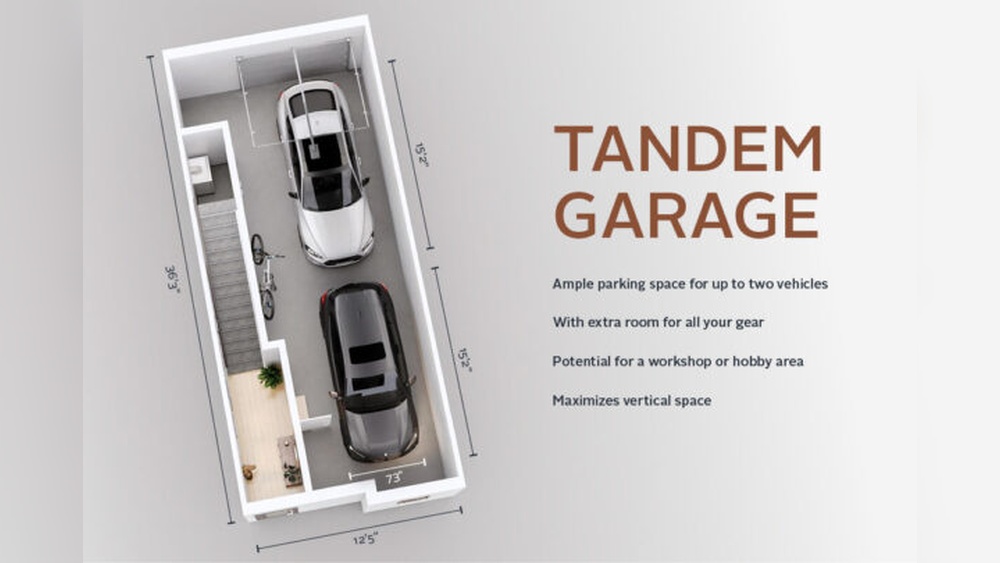
A tandem garage is a type of garage where cars are parked one behind the other, instead of side by side. This design is different from the more common “double” or “two-car” garage, where both vehicles sit next to each other. In a tandem setup, you usually have a single, long parking space that fits two vehicles in a row—sometimes even three.
- Standard two-car garage: Cars park side by side (width: about 18–20 feet).
- Tandem two-car garage: Cars park end to end (length: about 36–40 feet, width: about 10–12 feet).
Tandem garages are often seen in urban areas, narrow lots, or homes where space is limited. Builders use this design to maximize parking without making the garage very wide.
How Tandem Garages Work
In a tandem garage, the first car drives in and parks at the far end. The second car parks right behind it, closer to the door. This means:
- The car parked in front (closer to the street) must move before the rear car can exit.
- Both cars share the same entry and exit path.
- Some garages allow for three cars in a row (triple tandem), but this is less common.
Practical Example
Imagine you and your partner both drive to work. You park your car in the back, and your partner parks in front of you. If you need to leave first, your partner must move their car out of the way.
This is the main difference between tandem and traditional side-by-side parking.
Common Sizes And Layouts
Tandem garages come in several sizes. Here’s a quick look at the most common layouts:
| Type | Typical Dimensions (feet) | Cars |
|---|---|---|
| Single Tandem | 10-12 W x 36-40 L | 2 |
| Double Tandem | 18-20 W x 36-40 L | 4 |
| Triple Tandem | 10-12 W x 54-60 L | 3 |
Note: Actual garage sizes can vary by builder and city code. Always check your local requirements before building.
Key Benefits Of A Tandem Garage
People choose tandem garages for several reasons. Here are some of the main benefits:
- Space-saving design: Tandem garages need less width, so they fit on narrow lots or attached to smaller homes.
- Lower construction cost: Less exterior wall and roof area means you save on materials and labor compared to a wide double garage.
- Better for small lots: You get two (or more) parking spots, even if your house does not have a wide driveway.
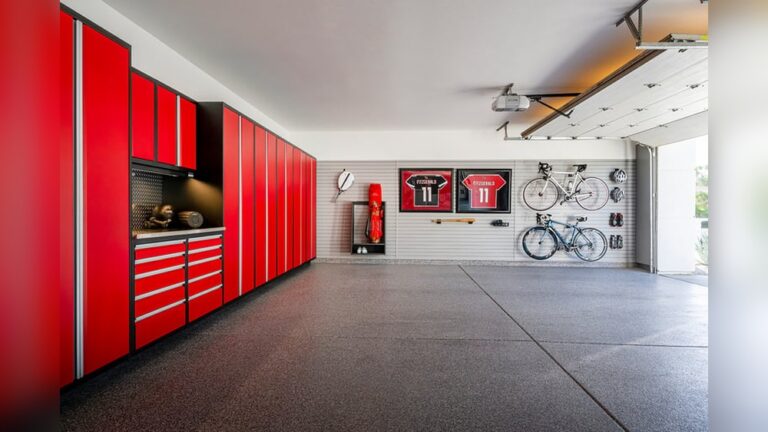
- Extra storage options: The long garage can be used for bikes, tools, or even a home gym at the far end.
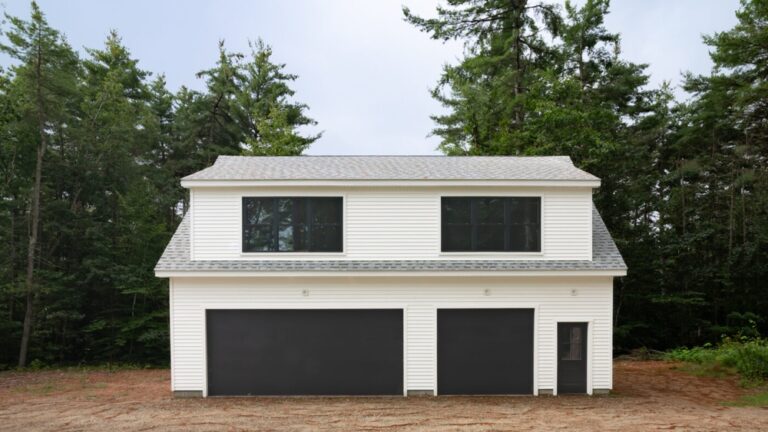
- Curb appeal: The garage door takes up less of your home’s front, allowing for more windows or a nicer entryway.
Drawbacks And Challenges
While there are advantages, tandem garages also have some downsides:
- Car shuffling: Only one car can exit at a time. The car in back is blocked if another car is parked in front.
- Less convenient for families: If multiple drivers have different schedules, moving cars often becomes a hassle.
- Limited flexibility: Tandem garages are not ideal for people with many vehicles or who need frequent, quick access.
- Resale value: Some buyers see tandem garages as less desirable, especially in regions where side-by-side garages are standard.
- Storage trade-offs: If you use part of the garage for storage, you lose one parking space.
Who Should Consider A Tandem Garage?
A tandem garage is best for certain lifestyles and property types:
- Urban homeowners: Where land is expensive or lots are narrow, this garage style makes sense.
- Small families: If only one or two drivers live at home, car shuffling is less of a problem.
- People who need extra storage: You can use the end of the garage for seasonal items, sports equipment, or a workshop.
- Owners of long or narrow homes: Tandem garages fit well with these house designs.
If you have a large family with several drivers, or you need fast, independent access to each car, a tandem garage might not be your best option.

Credit: www.craftmarkhomes.com
Tandem Garage Vs. Traditional Garage
Let’s compare tandem garages to traditional side-by-side garages for key features:
| Feature | Tandem Garage | Traditional Garage |
|---|---|---|
| Car Access | One at a time | Both at once |
| Space Needed | Narrow lot | Wide lot |
| Construction Cost | Lower | Higher |
| Storage Area | Extra length | Extra width |
| Resale Appeal | Depends on region | Usually higher |
Building Or Remodeling: What To Think About
If you’re planning to build or remodel your garage, consider these key points:
- Lot size and shape: A tandem garage works best on narrow, deep lots.
- Family needs: Think about how often you’ll need to move cars. For busy families, shuffling cars daily can get annoying.
- Local building codes: Some cities have rules about garage size, placement, and driveway access.
- Future resale: In some areas, homebuyers expect side-by-side parking. In others, a tandem garage is normal.
- Storage needs: Will you use part of the garage for bikes, tools, or a workshop? Plan your layout before building.
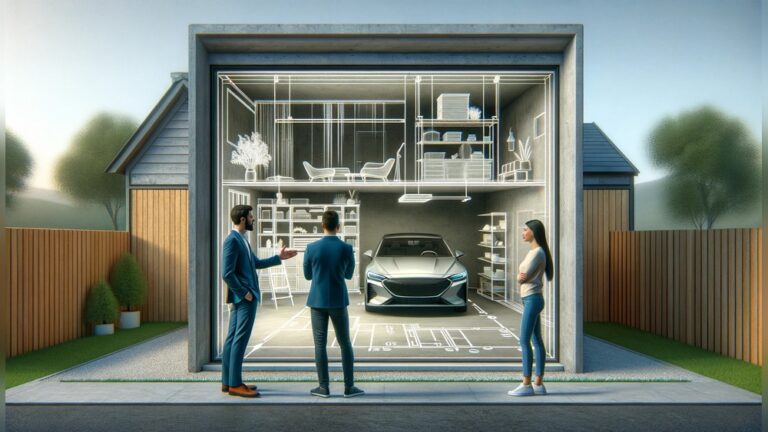
Tip: Talk to a local architect or builder. They know what works best in your neighborhood and can help you avoid costly mistakes.
Smart Tips For Using A Tandem Garage
If you already have a tandem garage, or plan to use one, here are some practical tips:
- Assign parking spots: The person who leaves earlier in the morning should park in front.
- Install wall organizers: Use shelves and hooks to keep the walls clear for easier car movement.
- Consider a sliding door: Some tandem garages have a side door at the back for easy access to bikes or storage without moving cars.
- Use floor markings: Paint lines on the floor to help drivers park straight and maximize space.
- Keep essentials near the front: Store frequently used items close to the door for quick access.
- Use mirrors: Wall mirrors or backup cameras can help drivers see better when moving cars in tight spaces.
Real-world Examples
Here are a few scenarios where a tandem garage makes sense:
- City townhouse: A family in San Francisco has a narrow lot but needs two parking spaces. A tandem garage lets them park two cars without taking up the whole front yard.
- New construction: A builder wants to fit more homes on a small piece of land. Using tandem garages makes the houses more affordable and increases the number of homes.
- Active family: A couple wants space for their car and sports equipment. They park one car in front and use the back part of the garage for bikes and storage.

Credit: www.homedit.com
Cost Comparison: Tandem Vs. Traditional Garages
How much can you save with a tandem garage? Costs vary by city, but here’s a rough comparison:
| Garage Type | Approximate Cost (USD) | Size (Cars) | Notes |
|---|---|---|---|
| Tandem | $15,000–$30,000 | 2 | Lower cost, less width |
| Traditional Double | $25,000–$45,000 | 2 | Wider, more materials |
| Triple Tandem | $25,000–$50,000 | 3 | Longer, but still narrow |
These numbers are only estimates. Prices depend on your region, materials, and local labor costs. Always get several quotes before starting a project.
Non-obvious Insights For Beginners
- Insurance can be affected: Some insurance companies may charge different rates if your car is parked behind another in a tandem garage, especially if frequent car movement increases accident risk.
- Impact on home value: In hot real estate markets, a tandem garage may not hurt resale value. But in areas where buyers expect side-by-side parking, it could be a small negative. Check with a local real estate agent.
- Electric vehicle charging: Running a charging cable to the rear car can be tricky. Plan for extra outlets or wall-mounted chargers along the garage wall if you use electric vehicles.
Tandem Garage Design Trends
Modern tandem garages are not just for cars. Many homeowners are using the extra length for:
- Home gyms: Enough space for a treadmill, weights, or exercise bike.
- Workshops: Perfect for woodworking or other hobbies.
- Mudrooms: Some people add a bench or storage for shoes and coats at the rear.
- Bike parking: Safe, out-of-the-way storage for bicycles.
If you want your garage to do double duty, plan your storage and lighting before you build.
How To Decide If A Tandem Garage Is Right For You
Ask yourself these questions:
- Do you have a narrow or deep lot?
- Do you need to park two or more cars, but can’t add width to your home?
- Are most family drivers on the same schedule?
- Is extra storage important to you?
- Will home buyers in your area accept a tandem garage if you sell later?
If you answered yes to most of these, a tandem garage could be a smart solution. If not, consider a traditional garage, carport, or creative storage options.

Credit: www.homedit.com
Frequently Asked Questions
What Is The Main Disadvantage Of A Tandem Garage?
The biggest disadvantage is car shuffling. If one car is parked behind another, you must move the front car to let the rear car out. This is less convenient for families with different schedules.
Can A Tandem Garage Fit More Than Two Cars?
Yes, some tandem garages are built extra long to fit three cars in a row (triple tandem). However, each car still needs to be moved in sequence, which can be less practical for daily use.
Are Tandem Garages Allowed Everywhere?
Not all cities allow tandem garages. Some building codes or homeowner associations require side-by-side garages for certain house sizes. Always check your local rules before building.
Will A Tandem Garage Lower My Home Value?
It depends on your area. In cities with small lots, tandem garages are normal and may not affect value. In suburban areas where side-by-side garages are standard, some buyers may prefer traditional layouts. Talk to a local real estate agent for advice.
Can I Turn My Tandem Garage Into Extra Living Space?
Yes, many people convert part of their tandem garage into a workshop, mudroom, or even a small office. Check local building codes before changing the use, especially if you need heating or air conditioning.
For more details on garage types and home design, visit the Wikipedia page on residential garages.
A tandem garage is a smart, space-saving choice for many homes—but it’s not for everyone. By understanding how they work and planning your space well, you can enjoy the benefits and avoid common headaches.