
A garage door opening by itself is not just strange—it can also be a security risk and a source of stress. Imagine coming home and seeing your garage door wide open when you know you closed it. Many homeowners have faced this problem, and often, the cause is not obvious. Luckily, most issues can be fixed once you know what to look for.
This article explains, in simple words, why a garage door may open by itself, how to find the real cause, and what you can do to solve it. You will learn common reasons, practical steps, and a few expert tips that most beginners miss.
Whether you have a modern smart opener or an older system, this guide will help you keep your garage—and your home—safe.
Common Reasons Your Garage Door Opens By Itself
Understanding the reasons is the first step to a solution. Here are the most frequent causes:
1. Remote Control Interference
Garage door openers use radio signals. If a neighbor’s remote uses the same frequency, it may trigger your door. This is especially true for older openers.
2. Faulty Wall Button Or Wiring
A stuck wall button or damaged wires can send a false signal, making the door open without warning.
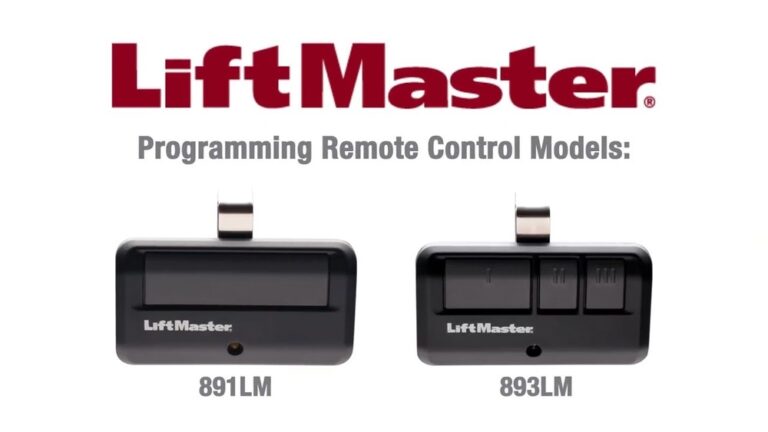
3. Stuck Or Malfunctioning Remote
If a remote is stuck under a car seat or accidentally pressed, it can activate the opener from outside.
4. Misaligned Safety Sensors
Modern openers have sensors near the floor. If these are dirty or misaligned, the door may reopen after closing.
5. Power Surges
Electrical storms or surges can reset openers or cause them to trigger randomly.
6. Smart Home Device Errors
Some smart openers connect to Wi-Fi. Bugs or hacking can cause them to open at odd times.
7. Worn Out Circuit Board
The opener’s circuit board can fail with age, sending signals when it should not.
8. Neighbor’s Opener Is Similar
Older openers sometimes share codes. A neighbor’s remote can open your door if the codes match.
Let’s explore how to check and fix each of these problems.
How To Diagnose The Problem
You don’t need to be a technician to start troubleshooting. Try these steps:
- Check All Remotes
Remove batteries from your remotes. See if the problem stops.
- Inspect the Wall Button
Press the wall button. If it feels loose or sticky, it may be faulty.
- Look at the Safety Sensors
Make sure nothing blocks them. Clean the sensor lenses.
- Unplug the Opener
Disconnect power for a few hours. If the door stays closed, the problem is likely electrical or remote-related.
Here’s a simple comparison to help you spot what’s wrong:
| Symptom | Likely Cause | Quick Test |
|---|---|---|
| Door opens when remote not used | Remote interference, stuck button | Remove remote batteries |
| Door opens after closing | Sensor misalignment | Clean and align sensors |
| Opener acts randomly after storm | Power surge | Reset opener |
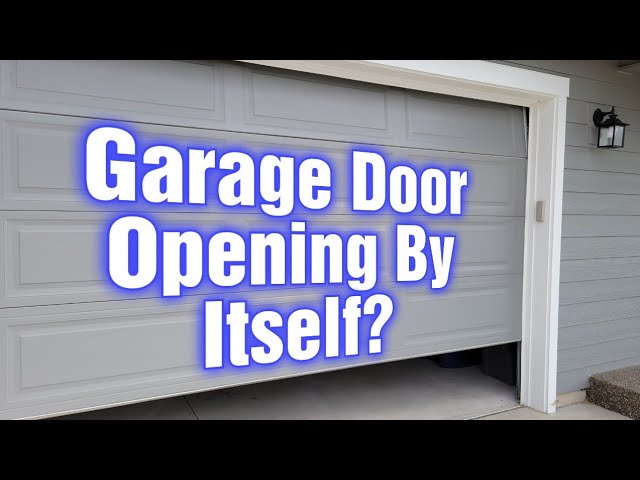
Credit: www.youtube.com
How To Fix A Garage Door That Opens By Itself
Once you have an idea of the cause, use these practical fixes. Many are easy and need only basic tools.
1. Change The Remote Code
Older garage door openers use fixed codes. If your neighbor’s remote opens your door, you need to change the code.
- Check the opener’s manual for code-changing instructions.
- For most, you set DIP switches in both the opener and remote. Make sure no two homes nearby have the same code.
Modern openers use rolling codes, which are much safer. If your system is very old, consider upgrading.
2. Replace Or Repair The Wall Button
If pressing the wall button feels odd or the door opens when you touch the wires, the button or wiring may be damaged.
- Turn off the power to the opener.
- Remove the wall button cover.
- Look for loose, frayed, or shorted wires.
- Replace the button if needed. Wall buttons are cheap and easy to swap.
3. Test And Clean The Safety Sensors
Sensors can easily get dirty, misaligned, or blocked. If the door starts to close and then opens again, sensors are likely the problem.
- Wipe the sensors with a soft cloth.
- Adjust the sensors so both lights are on.
- Make sure nothing is in the path.
4. Inspect Remotes And Keypads
A stuck remote can send signals all the time. Keypads outside the garage can also get damaged by weather.
- Remove all remote batteries for a day.
- Check if the problem stops.
- Replace any remote or keypad that looks worn or has stuck buttons.
5. Protect Against Power Surges
Power surges can cause openers to act strangely. If your area has frequent storms, use a surge protector.
- Plug the opener into a heavy-duty surge protector.
- If the problem began after a storm, unplug the opener for 1 minute to reset it.
6. Update Or Reset Smart Home Devices
Wi-Fi connected openers can be controlled by apps. Sometimes, glitches or even hacking can trigger the door.
- Change your Wi-Fi password.
- Update the garage door app.
- Remove and re-add the device in your smart home system.
7. Replace The Circuit Board
If none of the above works, the opener’s logic board may be failing. This is common in units over 10 years old.
- Buy a replacement board for your model.
- Or, call a technician for help.
Here’s a quick overview of which fix matches which cause:
| Problem | Best Fix | Difficulty |
|---|---|---|
| Remote interference | Change code | Easy |
| Wall button issues | Replace button | Easy |
| Sensor problems | Clean/align sensors | Easy |
| Power surge | Use surge protector | Very easy |
| Worn circuit board | Replace board | Medium |
When To Call A Professional
Most garage door problems can be fixed without expert help. But call a professional if:
- You see sparks, burning smells, or smoke
- The opener makes strange noises and doesn’t stop
- The door is heavy or off its tracks
Garage doors are heavy and under tension. Spring or cable repairs are dangerous for beginners.
Credit: www.overheaddoorcompanyofhuntsville.com
Preventing Future Problems
Once your garage door is working properly, a few easy habits can prevent future problems.
- Change remote batteries every year.
- Clean safety sensors every few months.
- Check for loose wiring during seasonal maintenance.
- Update smart devices with the latest firmware.
- Use a surge protector for all garage electronics.
For added security, consider upgrading to a modern opener with rolling code technology. These are much safer and nearly impossible for a neighbor’s remote to trigger.
Real-world Examples
Let’s look at two quick examples to show how these fixes work in daily life.
Example 1: The Neighbor’s Remote Issue
A homeowner in Texas found his garage door open every morning. After talking to his neighbor, he learned they bought the same brand of opener at the same store. Both used fixed codes. Changing the DIP switch settings on his opener and remotes stopped the problem immediately.
Example 2: Sensor Misalignment After Cleaning
In California, a family noticed their garage door would close halfway and reopen. After a windy day, dust covered the safety sensors. Cleaning the lenses and realigning the beams fixed the issue.
These cases show that simple actions—like cleaning or changing a code—can solve what feels like a big problem.
Data And Statistics
Garage doors are a common entry point for burglars. According to the National Crime Prevention Council, about 9% of burglars enter through the garage. A door that opens by itself increases this risk.
Also, more than 70% of U.S. homes use automatic garage door openers. As smart openers become common, software glitches can also trigger random openings.
Here’s a quick comparison of opener types and their safety:
| Opener Type | Risk of Self-Opening | Security Level |
|---|---|---|
| Fixed Code (pre-1993) | High | Low |
| Rolling Code (1993+) | Very Low | High |
| Smart Wi-Fi | Medium (if not updated) | High (if updated) |
Non-obvious Insights Most Beginners Miss
1. Remote Range May Be Too High:
Some remotes can trigger the opener from farther away than you think. If you leave a remote in a car parked outside, it might open the door when someone walks by or presses something else.
2. Old Openers Can Be Hacked:
Fixed code openers are easy for criminals to copy with cheap devices. Upgrading is not just about convenience—it’s about safety.
Credit: www.youtube.com
Extra Tips For Garage Security
- Add a manual lock to the garage door for extra safety at night or when away.
- Hide your remotes in a safe place. Do not leave them in unlocked cars.
- Install motion-sensor lights near the garage to deter intruders.
When The Problem Is Unsolvable
Rarely, you may try all fixes and still have the problem. In these cases:
- Ask your neighbors about their openers.
- Contact the manufacturer’s customer support.
- Consider replacing the whole opener system if it’s over 15 years old.
If you want to read more about how garage door openers work, see this helpful guide from Wikipedia.
Frequently Asked Questions
Why Does My Garage Door Open On Its Own At Night?
A garage door that opens by itself at night can be caused by remote interference, a stuck button, power surges, or smart device errors. Start by removing remote batteries and checking the wall button. If the problem continues, a professional should inspect the wiring and opener.
Can A Neighbor’s Remote Open My Garage Door?
Yes, especially if you have an older opener with fixed codes. If your opener was made before 1993, change the code or upgrade to a modern rolling code system. Modern openers are much safer and do not share codes with others.
What Should I Do If My Garage Door Opens By Itself After A Storm?
Unplug the opener for 1 minute to reset it. Plug it back in and test the door. If the problem returns, use a surge protector. If issues continue, the circuit board may need replacement.
How Can I Make Sure My Garage Door Is Secure?
- Use a rolling code opener
- Lock the door manually when away for long periods
- Do not leave remotes in parked cars
- Keep opener software updated if using smart devices
Is It Dangerous To Fix A Garage Door Myself?
Simple tasks—like changing remotes, cleaning sensors, or replacing wall buttons—are safe for beginners. But do not touch the springs, cables, or heavy parts. These are under high tension and can cause injury. Always call a professional for major repairs.
A garage door that opens by itself is more than just a nuisance—it’s a risk to your home’s safety. With the right checks and simple fixes, you can solve most problems quickly. Regular maintenance and a few smart habits will help keep your garage secure for years to come.