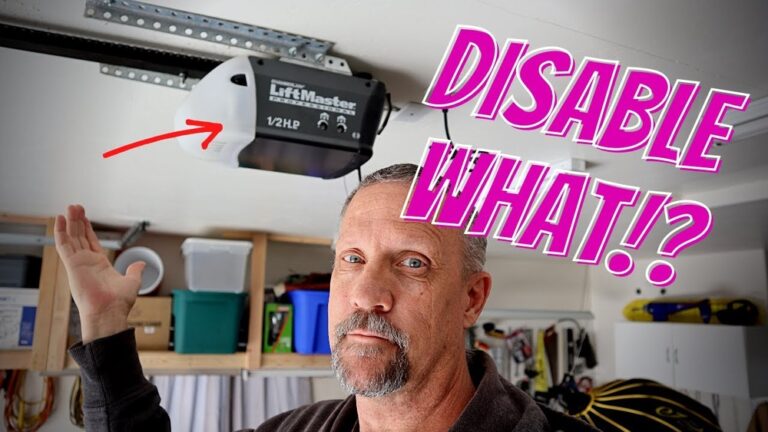

Garage doors are big moving machines. They help protect your home and let you in and out every day. But garage doors need care to work smoothly. One important part of this care is using the right garage door lubricant. Lubricant helps parts move easily, stops noise, and keeps your garage door safe. If you are new to garage door maintenance, this guide will help you learn everything you need to know. You will find clear steps, simple tips, and facts that answer common questions.
Why Garage Door Lubricant Matters
Many people forget about garage door maintenance until something goes wrong. But using garage door lubricant can prevent many problems before they start.
- Reduces noise: Lubricant makes the door quieter by reducing squeaks and grinding sounds. This is especially helpful if your garage is near bedrooms or living spaces.
- Prevents rust: Protects metal parts from moisture, rain, or humidity, which can cause rust and corrosion over time.
- Extends life: Parts last longer with regular lubrication because there is less friction. This means you replace fewer parts and save money.
- Improves safety: A well-maintained door is less likely to break suddenly, which keeps your family and belongings safer.
Garage doors have many moving parts. If you skip lubrication, the parts may wear out faster and cost more to fix. Sometimes, a noisy door is a warning sign that something needs attention before it becomes a bigger issue.
Real Example
A family in Texas noticed their garage door was getting noisy. They had never used lubricant. After applying a silicone spray to the hinges and tracks, the noise was gone. The door moved smoothly, and they avoided a costly repair.
This simple step also made it easier for their children to open and close the door safely.
Another homeowner in a rainy climate noticed rust forming on the springs. After cleaning and applying lubricant, the rust stopped spreading, and the door continued to work well through the wet season.
Types Of Garage Door Lubricant
Not all lubricants are good for garage doors. Some can cause problems or damage parts. It’s important to know which types work best.
| Type | Best Use | Common Issues |
|---|---|---|
| Silicone spray | Hinges, rollers, tracks | Safe for most parts |
| White lithium grease | Metal-on-metal contact | May attract dust |
| WD-40 | Temporary cleaning | Not for long-term lubrication |
| Graphite powder | Locks | Messy, not for moving parts |
What Beginners Often Miss
- Regular oil can attract dirt and make parts sticky. This can make the door harder to move and create extra work during cleaning.
- WD-40 is a cleaner, not a lubricant. Use it to clean, not to lubricate. Many first-timers use WD-40, thinking it is enough, but their garage door still squeaks or wears out quickly.
If you have a newer garage door, check the manufacturer’s guide. Some modern doors use special coatings and may suggest certain lubricants.
How To Choose The Right Lubricant
Picking the right garage door lubricant can make maintenance easy and safe.
- Check the label: Look for products made for garage doors. These usually mention “garage door” or “multi-purpose” with metal compatibility.
- Avoid heavy oils: They can gum up the tracks. Heavy oils also leave a residue that is hard to clean.
- Choose sprays: Sprays are easy to apply and cover hard-to-reach spots, such as inside hinges and between springs.
- Temperature matters: If you live in a cold area, pick a lubricant that works in low temperatures. Some lubricants get thick in the cold and stop working well.
Quick Comparison
Here’s a comparison of popular lubricants for garage doors:
| Product | Type | Price | Key Benefit |
|---|---|---|---|
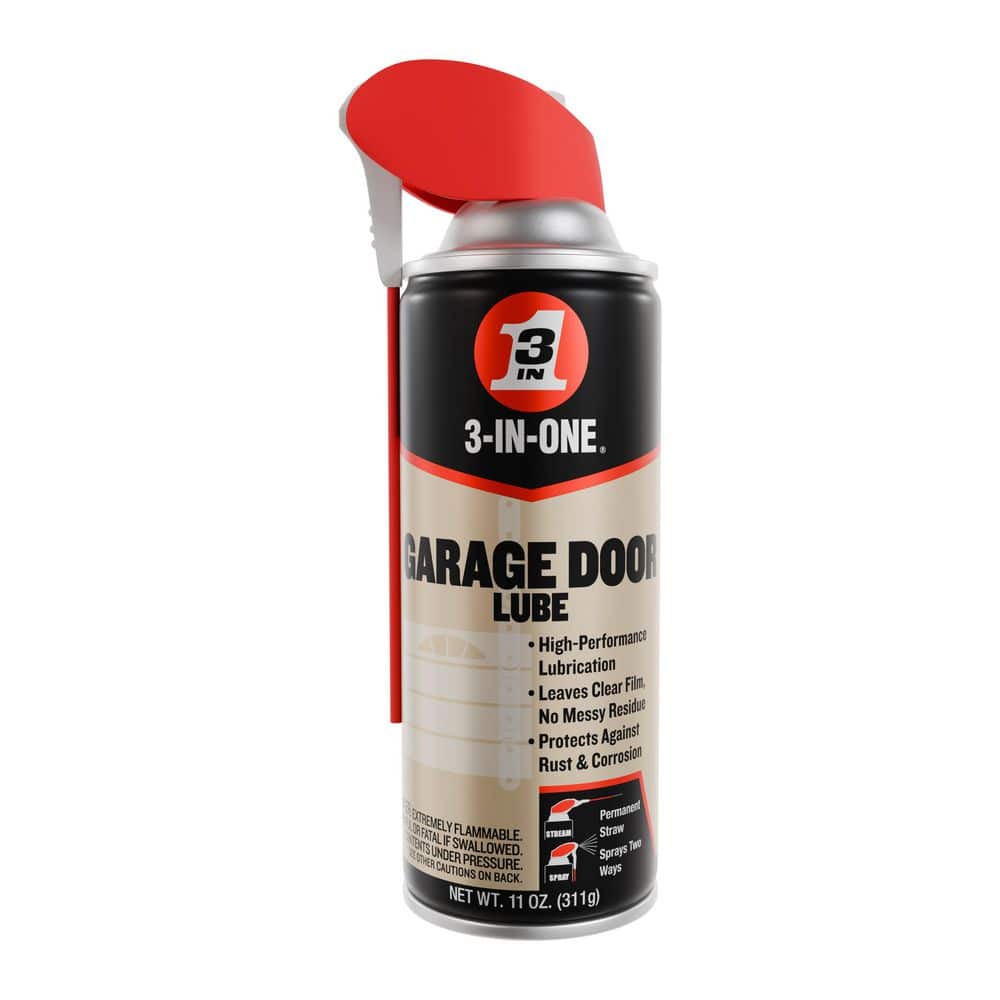
| 3-IN-ONE Professional Garage Door Lubricant | Silicone spray | $7-$10 | Long-lasting, low mess |
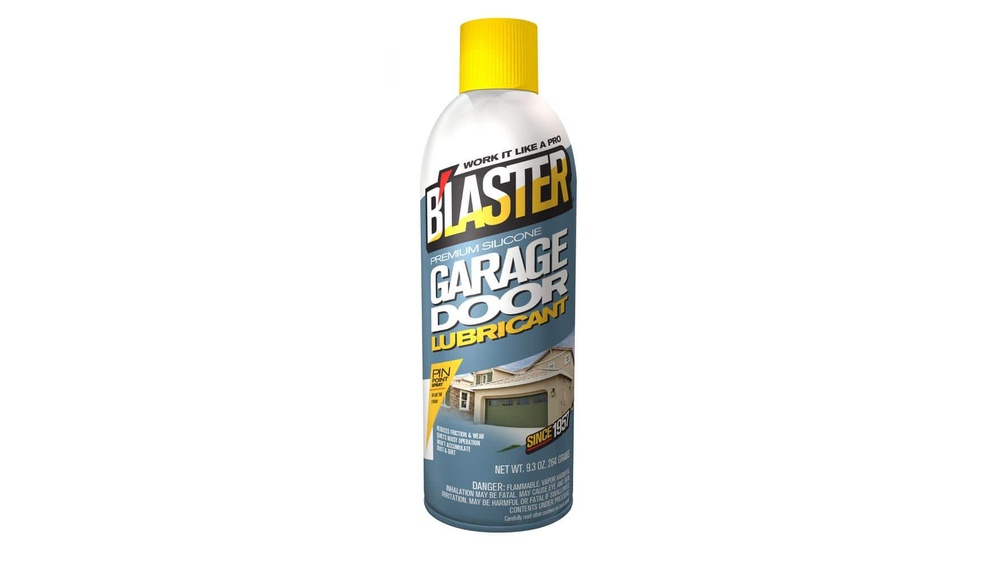
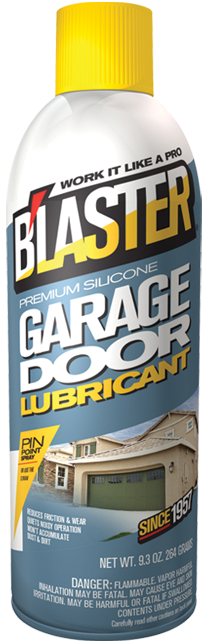
| Blaster Garage Door Lubricant | White lithium grease | $6-$9 | Strong metal protection |
| WD-40 Specialist | Silicone spray | $8-$11 | Easy to use, dries fast |
It’s smart to pick a product that is both easy to find in your local store and easy to use. This way, you can keep up with regular maintenance without stress.
What Not To Buy
- Car engine oil: Not made for garage doors. It is too heavy and can stain surfaces.
- Household grease: Too thick and messy. It can also be hard to remove if you need to clean later.
Some people try homemade solutions like vegetable oil. These do not work well and can cause more problems.
How To Apply Garage Door Lubricant
Lubricating your garage door is simple and takes about 15 minutes. You don’t need special skills. Here are the steps:
- Clean the parts: Wipe away old grease, dust, and dirt. Use a rag or brush. If you skip cleaning, dirt can mix with lubricant and cause grinding.
- Apply lubricant: Spray or spread on hinges, rollers, tracks, and springs. Hold the can close for better control.
- Move the door: Open and close the door to spread the lubricant. This helps the lubricant reach all the moving surfaces.
- Wipe extra: Remove extra lubricant to avoid dripping. Too much can make a mess and attract dirt.
Where To Lubricate
- Hinges: Spray where they pivot. If you see rust or hear squeaks, focus here.
- Rollers: Lubricate the ball bearings inside rollers. Avoid spraying the roller surface. This helps the rollers turn smoothly without slipping.
- Springs: Spray lightly along the springs. Do not soak them. A small amount goes a long way.
- Tracks: Clean tracks, but only lubricate the vertical section. Lubricating horizontal tracks can cause the door to slip.
Practical Tips
- Lubricate every 6 months for best results. If you live in a dusty or wet area, check more often.
- Avoid spraying electrical parts. Lubricant can damage sensors or wiring.
- Wear gloves to keep hands clean. Some lubricants can irritate skin.
If you spill lubricant, wipe it up quickly. Surfaces can become slippery and dangerous.
Credit: blasterproducts.com
Common Mistakes To Avoid
Many beginners make simple errors. Avoid these for better results:
- Using wrong lubricant: Don’t use regular oil or grease. It can damage the door or make cleaning harder.
- Over-lubrication: Too much lubricant can collect dust and cause problems. One or two sprays are usually enough.
- Ignoring cleaning: Always clean before lubricating. This helps the lubricant work better and last longer.
- Skipping parts: Remember springs, hinges, and rollers. Missing even one part can lead to noisy operation.
Non-obvious Insight
If your garage door has nylon rollers, do not spray lubricant on the roller surface. Only lubricate the ball bearings. Nylon rollers are quieter and don’t need much lubrication. Spraying the nylon part can make it slippery and less effective.
People often miss the importance of cleaning before lubricating. Even the best lubricant will not work well on dirty parts.
How Lubricant Improves Door Performance
A well-lubricated garage door does more than stop squeaks. It can help your whole system work better.
- Less strain on motor: The opener works less hard. This means your opener lasts longer and uses less electricity.
- Safer operation: A smooth door is less likely to get stuck or fall off the track, which keeps you safer.
- Lower repair costs: Parts don’t wear out as fast, so you replace them less often.
Regular lubrication also helps the garage door respond better to remote controls and manual operation. If you notice the door moving unevenly, lubrication can often solve the problem without a costly service call.
Data Example
A study by the International Door Association found that regular lubrication reduces garage door repairs by 30%. Homeowners who lubricate twice a year spend less than $50 annually on maintenance, compared to $200 for major repairs.
Another real-world benefit: some insurance companies offer lower premiums if you show proof of regular garage maintenance, including lubrication.
Signs Your Garage Door Needs Lubricant
You don’t always need to guess when it’s time for lubrication. Look for these signs:
- Loud squeaking: This is often the first warning.
- Jerky movement: The door moves in stops and starts, not smoothly.
- Door sticks or stops: Harder to open or close.
- Rust on parts: Visible rust means parts need care and protection.
- Slow opening or closing: The door takes longer to move than before.
If you notice these, it’s time to lubricate. Waiting can lead to bigger problems, like parts breaking.
Some garage doors have small windows or covers over the rollers and springs. Open these to check for dust or dryness.
Diy Vs. Professional Lubrication
Most homeowners can lubricate their garage door themselves. But sometimes, hiring a pro is better.
- DIY is easy: Simple tools and steps. Great for regular maintenance.
- Professional help: Good for complex doors or if you see damage. Professionals can spot bigger issues, like worn cables or misaligned tracks.
- Cost: DIY costs less, usually under $20 per year. Professionals may charge $50–$100 for a full service.
When To Call A Professional
- If you see broken springs or cables. These are dangerous to repair yourself.
- If lubrication does not solve noise or movement problems.
- If your door is very old or custom-built. Pros can find the right lubricant and check for hidden problems.
A pro can also help if your garage door is connected to a smart home system, as these often have sensors and electronics to protect.
Credit: www.homedepot.com
Lubricant Safety And Storage
Lubricants are safe if you use them correctly. Here are some tips:
- Store in a cool place: Heat can damage the spray can or cause it to leak.
- Keep away from children: Lubricants are not safe to eat or touch.
- Use in a well-ventilated area: Some sprays have strong smells. Open the garage door while spraying.
What Beginners Often Miss
Silicone sprays are less flammable than oil-based lubricants. If you have a heater in your garage, choose silicone for safety.
Check the expiration date on the can. Old lubricant may not work as well.
If you get lubricant on your skin, wash with soap and water. Avoid touching your face or eyes.
Comparing Garage Door Lubricant Brands
Many brands make garage door lubricants. Here’s a look at three popular options:
| Brand | Type | Durability | Ease of Use |
|---|---|---|---|
| 3-IN-ONE | Silicone spray | High | Very easy |
| Blaster | Lithium grease | Medium | Easy |
| WD-40 Specialist | Silicone spray | High | Very easy |
Some brands offer different spray tips, like long straws or wide nozzles. These can help you reach tight spots or spray evenly.
Non-obvious Insight
Some brands offer lubricants with added rust protection. If you live near the ocean or in a humid area, these can be a smart choice. Also, check for unscented or low-odor sprays if you are sensitive to strong smells.
Garage door installers often have a favorite brand. You can ask for their advice if you are unsure which to buy.
Environmental Impact Of Garage Door Lubricants
Most lubricants are safe for home use, but some can harm the environment. Look for sprays marked eco-friendly or biodegradable. These are less toxic and safer for pets.
- Silicone sprays often have fewer fumes. If you have asthma or allergies, this is a good choice.
- Avoid pouring leftover lubricant down the drain. Dispose of empty cans at a recycling center if possible.
For more information about safe chemicals, see the EPA Safer Choice site.
You can also reduce waste by buying the right size can for your needs, so less is thrown away.
Frequently Asked Questions
What Is The Best Lubricant For Garage Doors?
The best lubricant is a silicone spray or white lithium grease. These work well for most garage doors and are easy to apply.
How Often Should I Lubricate My Garage Door?
Lubricate every 6 months for normal use. If you use your garage door a lot, every 3 months is better.
Can I Use Wd-40 On My Garage Door?
WD-40 can clean parts, but it is not a true lubricant. Use WD-40 for cleaning, then apply a silicone or lithium-based spray.
What Parts Of The Garage Door Should I Lubricate?
Focus on hinges, rollers, springs, and tracks. Avoid lubricating the roller surface, locks, or electronic parts.
Is Garage Door Lubricant Safe For Pets And Children?
Most sprays are safe if used correctly. Store them out of reach and keep pets and children away while spraying.
Garage door lubricant is a simple tool that makes a big difference. With a few minutes every six months, your garage door stays quiet, smooth, and safe. Pick the right lubricant, follow easy steps, and avoid common mistakes. Whether you are a beginner or just learning about maintenance, these tips will help your garage door last longer and work better every day.

Credit: www.lowes.com