
Garage door openers are part of daily life for many homeowners. When they stop working well, it can cause stress, delays, and even safety issues. If you’re thinking about garage door opener replacement, you probably have questions: How do you choose the right model? Should you hire a professional or do it yourself? What are the costs and steps involved? This guide is written for beginners and covers everything you need to know in clear, simple language.
Why Replace Your Garage Door Opener?
A garage door opener can last 10–15 years, but there are good reasons to replace it before it fails completely.
- Safety: Older models may lack features like rolling code technology or sensors to prevent accidents.
- Convenience: New openers are quieter, faster, and can often be controlled by your smartphone.
- Breakdowns: If your opener is making strange noises, moving slowly, or not working at all, it may be time for a new one.
- Security: Modern openers are harder for thieves to hack, keeping your home safer.
A new garage door opener isn’t just a repair—it’s an upgrade for your home.
Signs You Need A Replacement
Not sure if you need a new opener or just a repair? Watch for these signs:
- Unusual noises (grinding, rattling, squeaking)
- Slow or inconsistent movement
- Stops working suddenly
- Remote controls stop responding
- Garage door reverses unexpectedly
If you notice two or more of these, replacing your opener is usually the best choice.
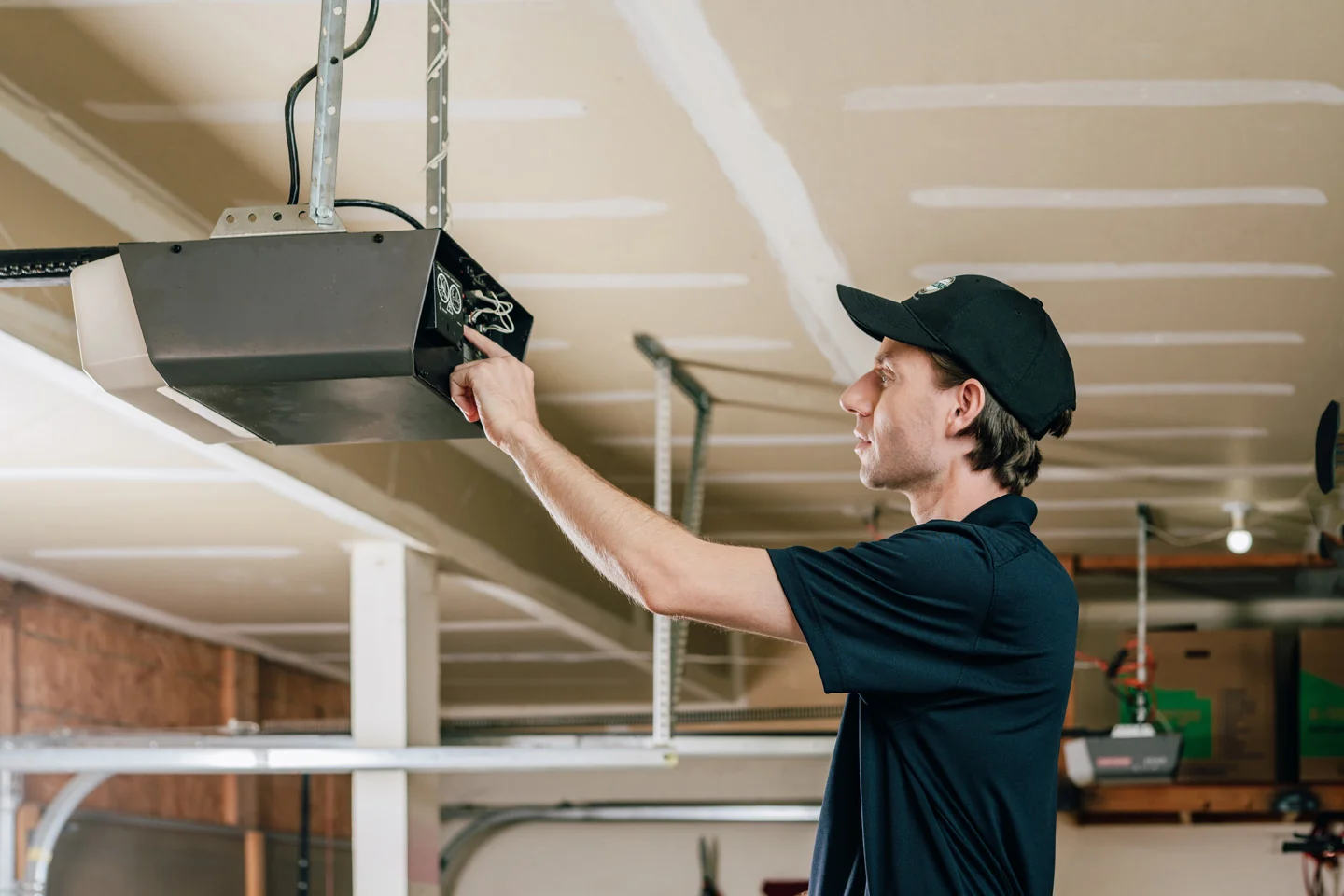
Credit: precisiondoorrichmond.com
Types Of Garage Door Openers
There are several types of openers. Each has pros and cons for different needs.
| Type | Noise Level | Best For | Price Range |
|---|---|---|---|
| Chain Drive | High | Detached garages | $120–$250 |
| Belt Drive | Low | Attached garages | $170–$350 |
| Screw Drive | Medium | Mild climates | $150–$300 |
| Direct Drive | Very Low | Quiet operation | $250–$450 |
| Smart Opener | Low | Tech users | $200–$500 |
Chain drive models are the most common and affordable, but they can be noisy. Belt drive openers are much quieter—ideal if your garage is under a bedroom. Screw drive types are strong but need regular maintenance. Direct drive openers are very quiet and last long, but cost more. Smart openers let you control your door from your phone and even get alerts if you forget to close it.
What To Consider When Choosing A Replacement
Buying the right opener is not just about price. Here’s what matters most:
- Garage door size & weight: Heavier doors need more powerful motors (look for 1/2 HP or higher).
- Noise level: If your garage is next to living space, choose a belt or direct drive.
- Security features: Look for rolling code technology and automatic lock.
- Backup battery: Keeps your opener working during power outages.
- Smart control: Lets you open or close your garage with a phone app.
- Warranty: Better brands offer longer warranties (up to 10 years).
Here’s a quick comparison of top features:
| Feature | Basic Model | Mid-Range | Smart Model |
|---|---|---|---|
| Motor Power | 1/3 HP | 1/2 HP | 3/4–1 HP |
| Noise Level | High | Medium | Low |
| Smartphone Control | No | Optional | Yes |
| Battery Backup | No | Optional | Yes |
| Warranty | 1–3 years | 5 years | 7–10 years |
Non-obvious insight: Many people forget to check the headroom (distance from the ceiling to the top of the garage door). Low headroom may need a special opener or mounting kit.
Professional Vs Diy Replacement
Should you install the new opener yourself or call an expert? Both options have pros and cons.
Professional Installation
- Faster: A skilled tech can finish in 2–3 hours.
- Safer: They handle wiring and heavy parts correctly.
- Warranty: Many brands require pro installation for full warranty.
Average cost: $150–$350 for labor, plus the opener.
Diy Installation
- Save money: You avoid labor fees.
- Good for handy people: If you’ve used tools and followed instructions before.
But, it can take 4–6 hours. Mistakes can be dangerous or void the warranty. Always follow the instructions and watch official videos from the manufacturer.
Example: If your garage has old wiring or unique ceiling shapes, hire a pro. For standard setups, many homeowners can handle DIY with patience.
Step-by-step Guide: Replacing Your Garage Door Opener
If you choose DIY, here’s how to do it safely. Read all steps before starting.
Tools You’ll Need
- Stepladder
- Wrenches and screwdrivers
- Drill
- Safety glasses
- Socket set
- Tape measure
Steps
- Unplug the old opener and disconnect the garage door from the opener rail.
- Remove the old unit by unscrewing the brackets and lowering it carefully.
- Install the new mounting bracket as described in the instructions.
- Assemble the rail and motor on the ground, then lift into place.
- Attach the opener to the ceiling joists with the supplied hardware.
- Connect the rail to the garage door and adjust the tension.
- Install safety sensors (usually 6 inches above the floor on each side).
- Wire the wall control and sensors as shown in the manual.
- Plug in and test the opener. Adjust limits and force as needed.
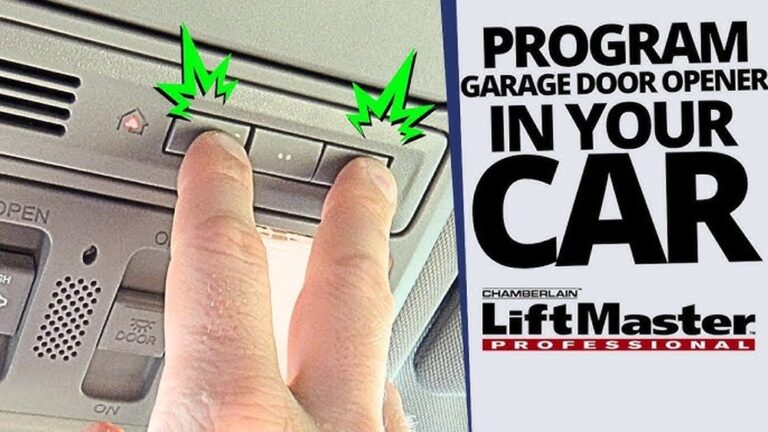
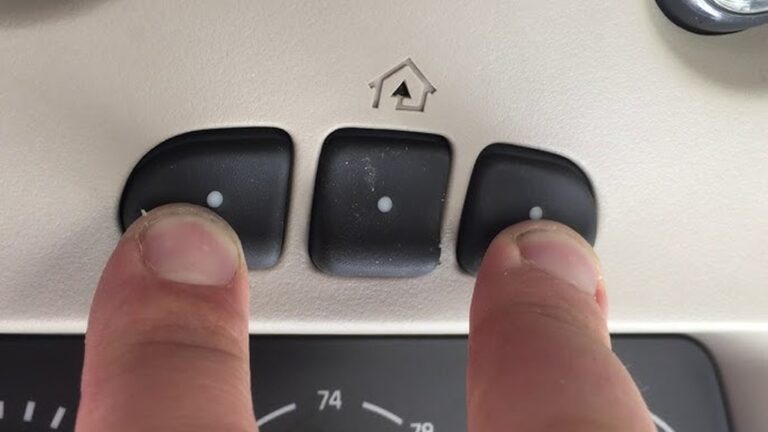
- Program remotes and keypad, then test all features.
Practical tip: Take a photo of old wiring and bracket setup before removal. This helps if you get confused during reassembly.
Common Mistakes To Avoid
Even experienced DIYers can make errors. Beginners should watch out for:
- Ignoring instructions: Always read the full manual before starting.
- Wrong mounting height: If the opener is too low or high, it can jam.
- Skipping safety sensors: These prevent accidents. Never disable them.
- Over-tightening bolts: Can bend parts or crack mounts.
- Forgetting to test limits: The door should close and open smoothly—adjust as needed.
Non-obvious insight: Many people forget to check if their garage door springs are in good shape. Old springs can break soon after a new opener is installed.
Cost Breakdown
The price of garage door opener replacement depends on brand, features, and labor.
- Basic opener: $120–$200
- Smart or belt drive opener: $250–$500
- Professional installation: $150–$350
- Extras (keypad, battery, Wi-Fi module): $40–$120
Total cost: $270–$900 for most homes.
Example: A smart opener with battery backup installed by a pro will cost about $600–$700.
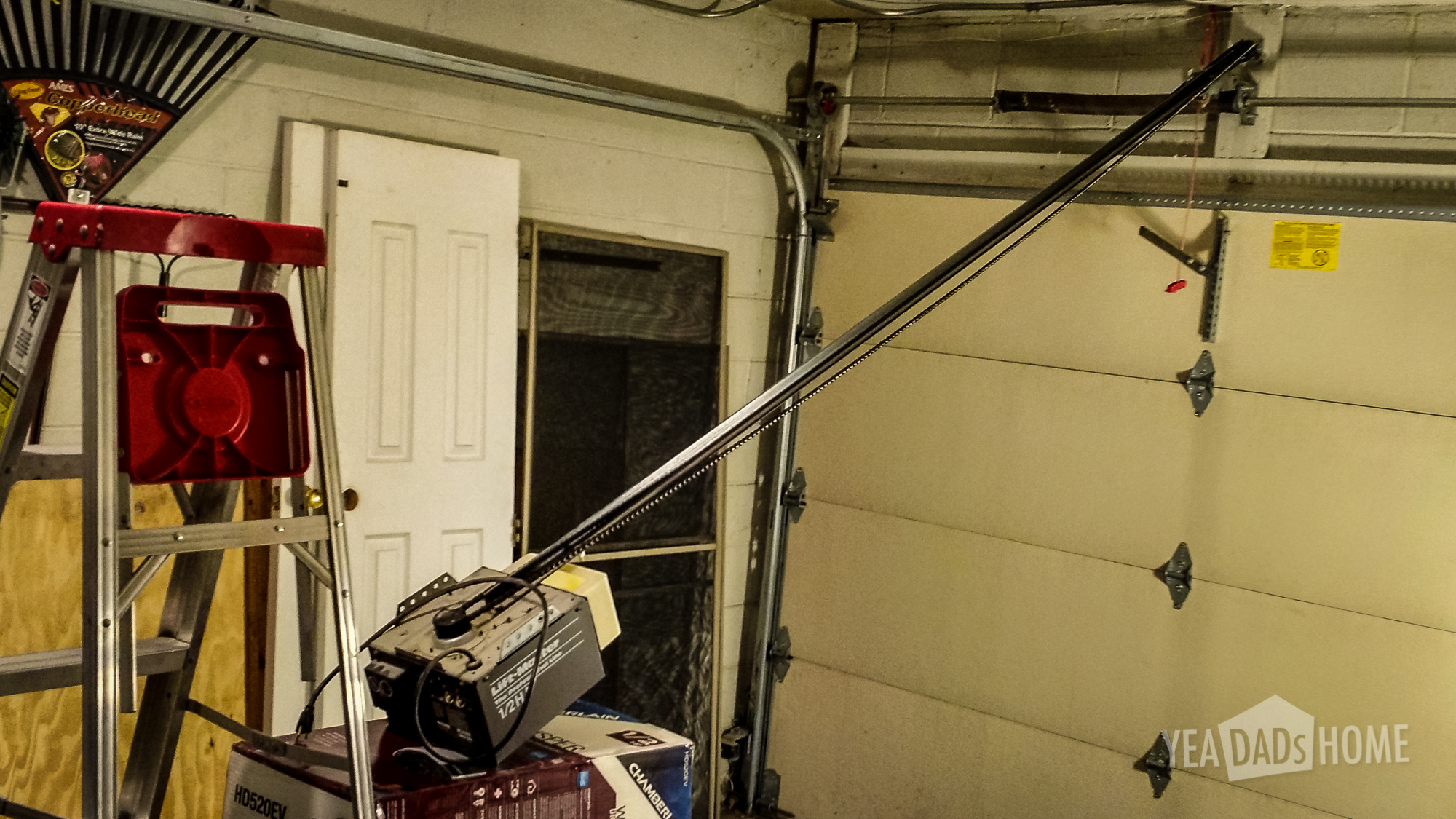
Credit: yeadadshome.com
How Long Does Replacement Take?
Professional Installation: 2–3 Hours
Diy Installation: 4–6 Hours (may Take Longer For First-timers)
If you’re replacing an older unit with a similar model, it can be quicker. Unusual garage setups or wiring can add time.
Maintenance Tips After Replacement
A new opener is a big investment. Keep it working well with simple maintenance:
- Lubricate the chain or belt every 6 months.
- Check and clean the safety sensors monthly.
- Tighten loose hardware once a year.
- Test auto-reverse by placing a block in the door’s path—ensure it reverses.
- Replace remote batteries every 1–2 years.
Pro tip: Write the install date on the opener with a marker. This helps track warranty and maintenance.
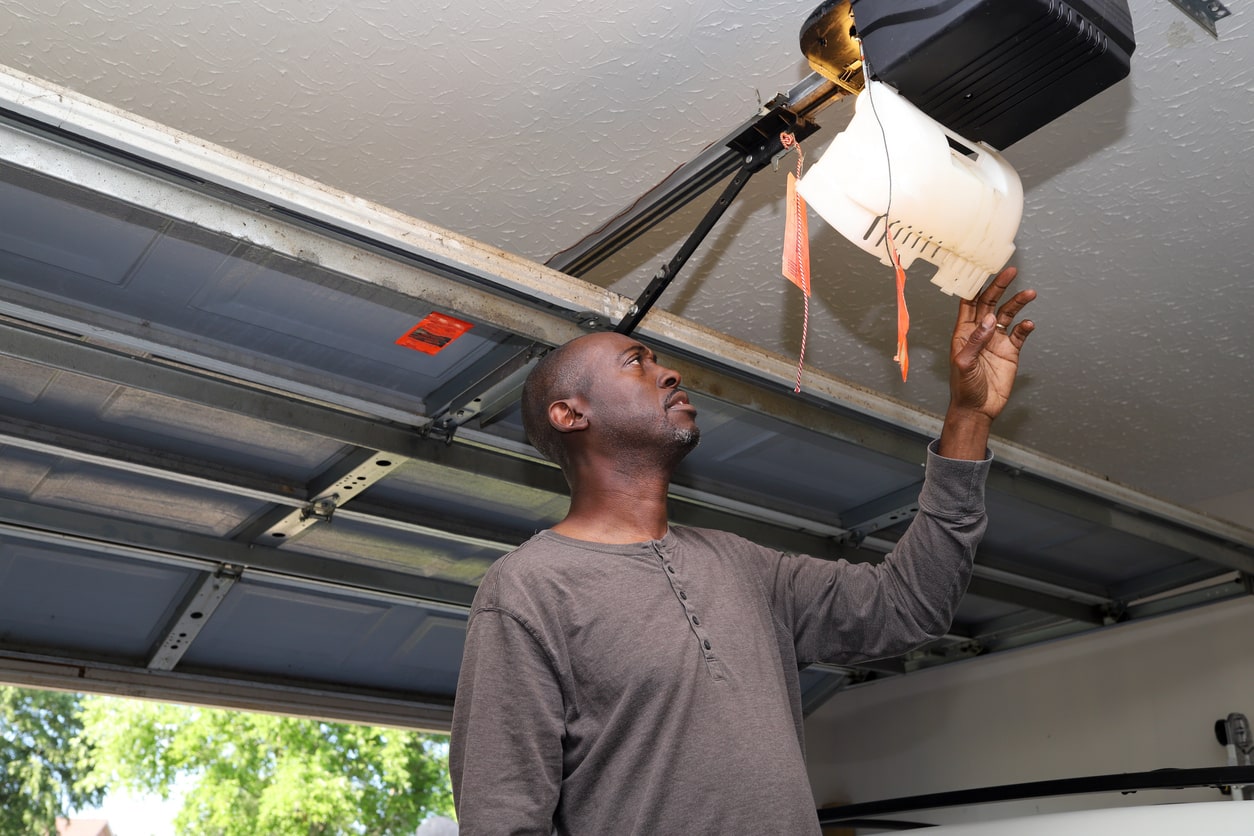
Credit: www.moderndaygarage.com
Upgrading To A Smart Garage Door Opener
Many homeowners now choose smart openers. These connect to your Wi-Fi and offer features like:
- Remote opening/closing from your phone
- Alerts if the door is left open
- Guest access for friends or family
- Integration with smart home devices (Amazon Alexa, Google Assistant)
Example: If you travel often, a smart opener lets you check the garage door status anytime. Some even have cameras for extra security.
For more details on smart garage door technology, see the Wikipedia article on garage door openers.
Environmental Impact And Energy Savings
New garage door openers use less energy, especially in standby mode. Models with LED lights save on electricity bills. Battery backup also uses efficient lithium-ion batteries.
If you recycle your old opener and packaging, you reduce waste. Many local hardware stores will help with recycling.
Frequently Asked Questions
How Long Does A Garage Door Opener Usually Last?
Most garage door openers last 10–15 years with regular maintenance. If your opener is over 12 years old, it’s smart to plan for replacement soon, even if it’s still working.
Can I Reuse My Old Remote Controls With A New Opener?
Sometimes. Many new openers use different frequencies or codes for security. If your remotes are more than 5 years old, you’ll probably need new ones. Some brands offer universal remotes.
Is It Dangerous To Replace A Garage Door Opener Myself?
If you follow instructions and use basic tools, it’s safe for most people. However, garage door springs can be dangerous. If you’re not sure, hire a pro, especially for spring or cable work.
Will A New Opener Make My Garage Door Quieter?
Yes, especially if you switch from a chain drive to a belt or direct drive opener. Adding rubber vibration pads to the mounting points also helps reduce noise.
What Should I Do With My Old Garage Door Opener?
Recycle it. Most openers contain metal, plastic, and electronics that can be recycled. Check with your local recycling center or hardware store for drop-off programs.
Replacing your garage door opener is one of the best ways to boost safety, convenience, and value in your home. Whether you hire a professional or take on the project yourself, you’ll enjoy a smoother, quieter, and more reliable garage door for years to come.
By choosing the right model and maintaining it well, you make a smart investment in your home’s comfort and security.