
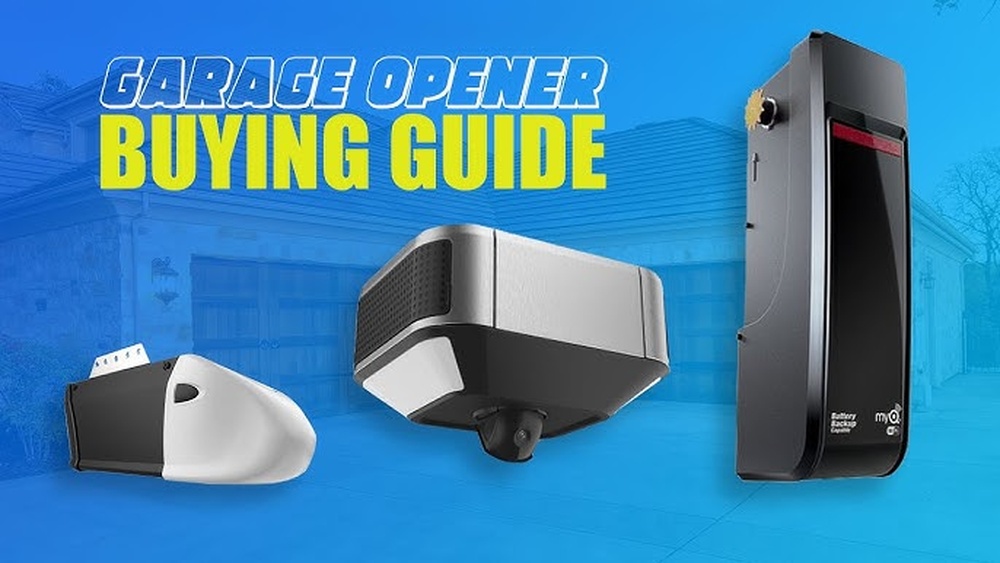
Buying the right garage door opener can make your daily life easier, safer, and even a bit more convenient. Many people don’t realize how much this device matters until it stops working or starts making odd noises. With so many types and features available, picking the best one can feel confusing—especially if you’re not sure what to look for. This guide explains everything you need to know in simple terms, so you can confidently choose the right opener for your garage and your needs.
Types Of Garage Door Openers
Understanding the main types helps you choose what fits your home and lifestyle.
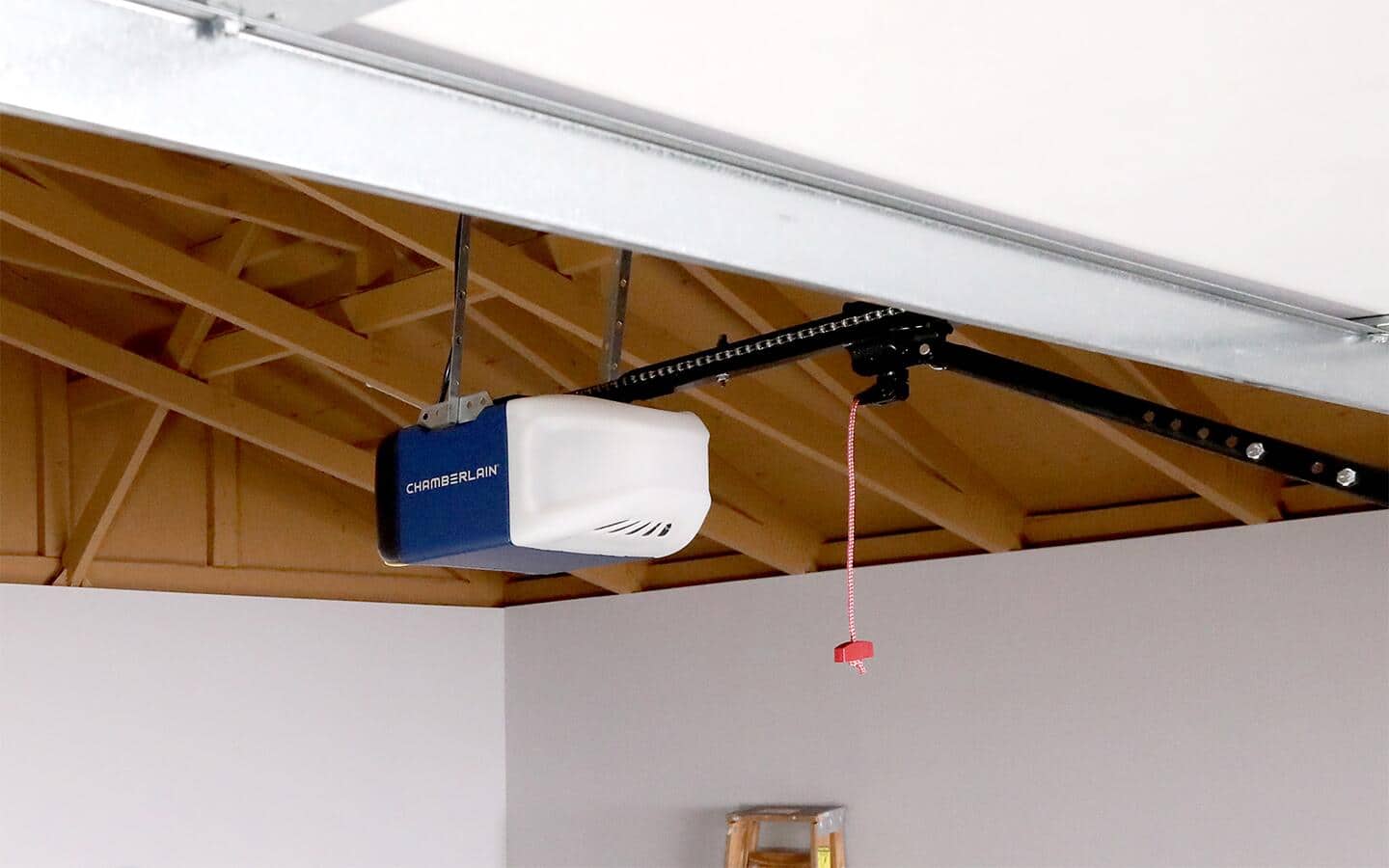
Chain Drive Openers
- Most common type
- Use a metal chain to lift and lower the door
- Usually less expensive
Pros: Durable, affordable, easy to repair
Cons: Noisy, not ideal for garages near bedrooms
Example: If your garage is detached or noise isn’t a concern, a chain drive can be a cost-effective choice.
Belt Drive Openers
- Use a rubber belt instead of a chain
- Quieter operation
Pros: Smooth and quiet, low maintenance
Cons: More expensive than chain drive
Example: For attached garages or homes with bedrooms above the garage, a belt drive reduces noise disruption.
Screw Drive Openers
- Use a threaded steel rod to move the door
- Fewer moving parts
Pros: Less maintenance, moderate noise
Cons: Sensitive to temperature changes, fewer models available
Tip: Good for moderate climates and standard-weight doors.
Direct Drive Openers
- Motor moves along a rail; very quiet
- Only one moving part
Pros: Extremely quiet, reliable
Cons: Higher price, limited options
Insight: Often chosen for luxury homes or where silence is very important.
Jackshaft Openers
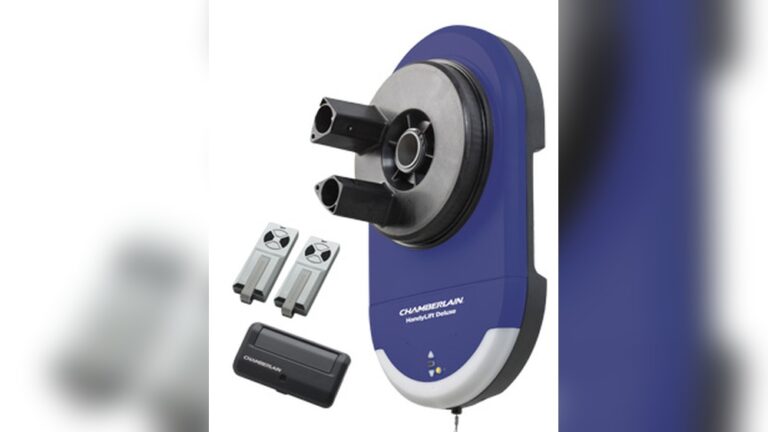
- Mounted on the wall beside the door, not overhead
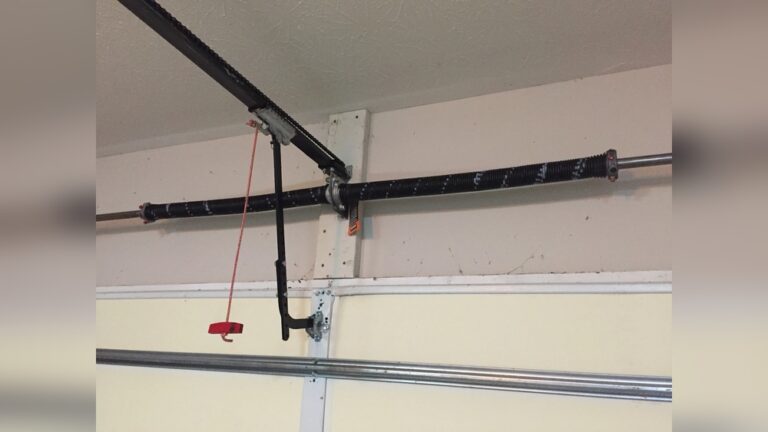
- Opens by turning the torsion bar
Pros: Saves ceiling space, quiet, good for high or unusual ceilings
Cons: Expensive, requires torsion spring
Practical example: Useful for garages with storage racks or lofts.
Key Features To Consider
Choosing a garage door opener isn’t just about type. The right features can improve safety, convenience, and even energy savings.
Horsepower (hp) Rating
- 1/2 HP: Handles most single and double car garage doors (up to 300 lbs)
- 3/4 HP: For heavier doors, like solid wood or insulated doors
- 1 HP or higher: For oversized or industrial-style doors
Beginner tip: Most standard homes are fine with 1/2 HP openers.
Drive Type
- Chain: Durable, noisy, budget-friendly
- Belt: Quiet, smooth, ideal for attached garages
- Screw: Simple, less upkeep, moderate sound
- Direct: Silent, fewer vibrations, best for noise-sensitive homes
Security Features
- Rolling code technology: Changes access code every use, blocking hackers
- Lock mode: Disables remote controls when activated (for vacations)
- Automatic reversal: Door goes up if something blocks its path
Non-obvious insight: Not all openers include lock mode. If you leave home for long periods, this can add peace of mind.
Smart Connectivity
- Wi-Fi enabled: Control and monitor your garage from a smartphone
- Integration with smart home systems: Works with Google Assistant, Alexa, etc.
Benefit: You can check if the door is open or closed—even when you’re not home.
Battery Backup
- Keeps working during power outages
- Especially important if you live in areas with storms or unreliable electricity
Example: During a blackout, you can still get your car in or out without manual lifting.
Lighting
- Built-in LED or CFL lighting: Illuminates the garage when the opener is activated
- Motion sensors: Lights turn on when movement is detected
Tip: Good lighting can make night-time parking safer and more comfortable.
Comparing Garage Door Opener Types
Here’s a quick comparison of the most common garage door opener types:
| Type | Noise Level | Price Range | Maintenance | Best For |
|---|---|---|---|---|
| Chain Drive | Loud | Low | Medium | Detached garages |
| Belt Drive | Quiet | Medium-High | Low | Attached garages |
| Screw Drive | Moderate | Medium | Low | Standard weight doors |
| Direct Drive | Very Quiet | High | Low | Luxury homes |
| Jackshaft | Quiet | High | Low | High ceilings |
Price Range And What To Expect
Garage door opener prices vary based on features, brand, and type.
- Basic chain drive models: $120–$200
- Belt drive openers: $180–$350
- Smart openers: $250–$500
- Jackshaft and direct drive: $350–$600+
Installation costs: Usually $150–$300 extra if you hire a pro. DIY installation can save money, but make sure you’re comfortable working with electrical parts.
Non-obvious insight: Sometimes, spending $50–$100 more upfront for a quieter or smarter model pays off in daily comfort and long-term value.
Credit: www.homedepot.com
Size And Weight Of Your Garage Door
The size and material of your garage door affect what opener you need.
- Single aluminum doors: Lighter, need less horsepower
- Double wooden doors: Heavier, require more power
- Insulated doors: Also heavier, consider 3/4 HP or above
Practical example: If your door is 16 feet wide and solid wood, a 1/2 HP opener may struggle. Go for 3/4 HP or more.
Safety And Security Standards
Modern openers must meet UL 325 safety standards in the US. Features like photo-eye sensors and auto-reverse protect kids, pets, and property.
Statistics: The Consumer Product Safety Commission reports that automatic reversal systems have reduced garage door injuries by 75% since 1993.
Tip: Always test the auto-reverse feature monthly. Place a roll of paper towels under the door. If it doesn’t reverse, get it serviced.
Smart Garage Door Openers
Many new garage door openers connect to your phone or smart home system.
Features:
- Open or close your door remotely
- Receive alerts if the door is left open
- Set schedules (e.g., close at 10 PM every night)
- Share digital keys with family or guests
Example: You’re at work and can’t remember if you closed the garage. With a smart opener, check and close it from your phone.
External Resource: For more on smart home technology, see this CNET smart garage opener guide.
Comparing Key Features
Here’s a side-by-side look at which features are available in different opener types.
| Feature | Chain | Belt | Screw | Direct | Jackshaft |
|---|---|---|---|---|---|
| Quiet Operation | No | Yes | Partial | Yes | Yes |
| Smart Connectivity | Optional | Yes | Optional | Optional | Yes |
| Battery Backup | Optional | Yes | No | No | Yes |
| Space Saving | No | No | No | No | Yes |
Credit: store.geniecompany.com
Noise Level: Why It Matters
For many homeowners, noise is a big factor. If your garage is close to bedrooms or living spaces, a loud opener can be a daily annoyance.
- Chain drive: Loudest, noticeable vibrations
- Belt and direct drive: Almost silent, minimal vibration
- Jackshaft: Quiet, but higher price tag
Beginner mistake: Focusing only on price and ignoring noise. Over time, noise can become a real frustration—especially in homes with light sleepers or shift workers.
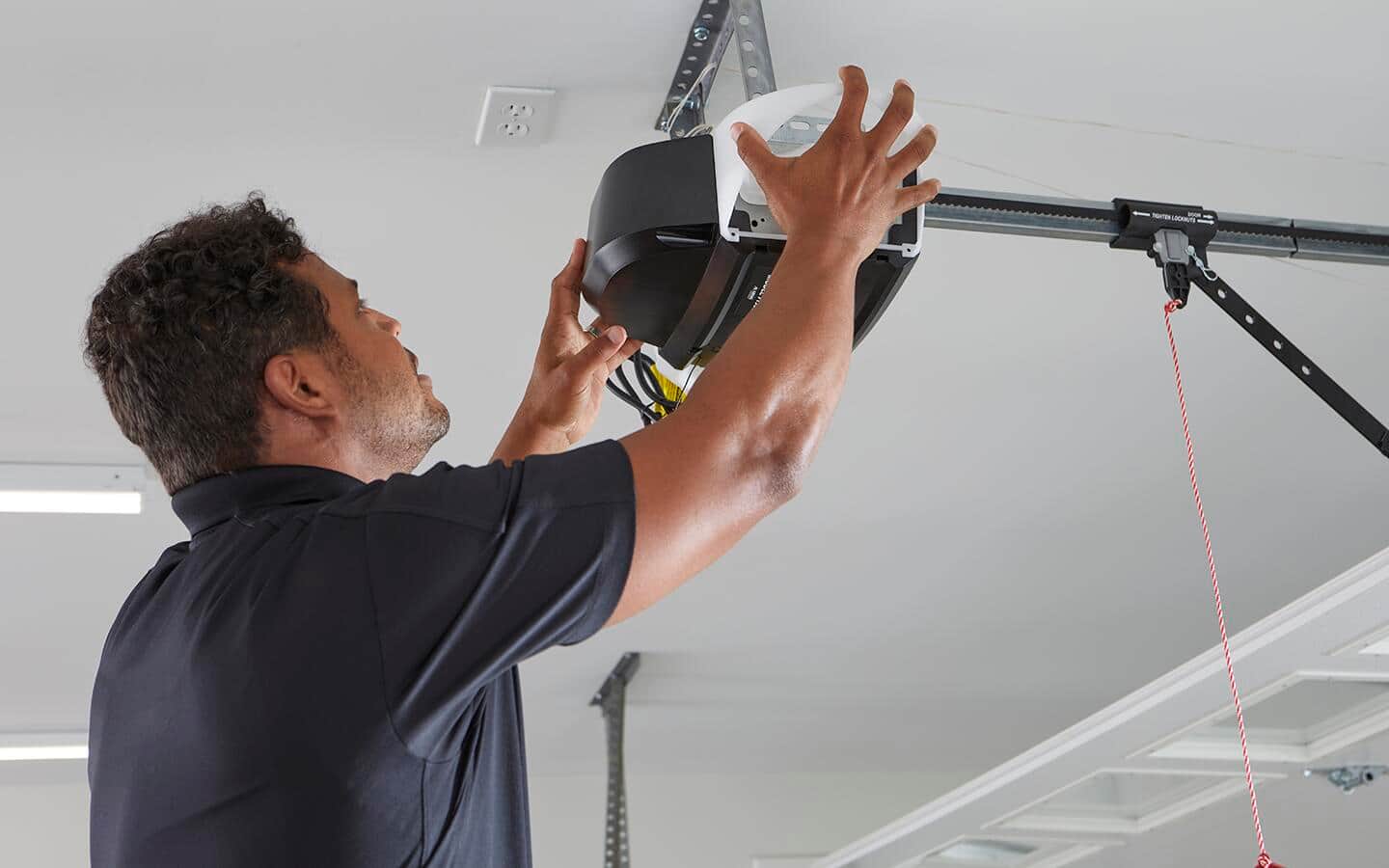
Diy Vs. Professional Installation
Some garage door openers are easier to install than others. Here’s what to consider:
DIY Installation:
- Kits include instructions and hardware
- Saves money (usually $150–$300)
- Requires basic tools and comfort with electrical work
Professional Installation:
- Faster and safer for heavy or complex doors
- Warranty is sometimes extended with pro installation
- Ensures proper alignment and safety standards
Tip: If your door uses torsion springs or you’re not comfortable with wiring, hire a pro.
Common Mistakes To Avoid
- Choosing the wrong horsepower: Too little and the opener struggles; too much wastes energy.
- Ignoring noise levels: Cheap chain drives can annoy family in the long run.
- Skipping safety features: Always pick a model with auto-reverse and photo-eye sensors.
- Not measuring the door: Measure width, height, and thickness before shopping.
- Neglecting compatibility: Some openers don’t fit all garage types, especially very old or very tall doors.
Non-obvious insight: Not all smart openers work with every smart home system. Check compatibility before buying.
How To Choose The Right Opener For You
Follow these steps for a confident purchase:
- Measure your garage door: Know width, height, and material.
- Decide on noise tolerance: For attached garages, prioritize quiet models.
- List must-have features: E.g., Wi-Fi, battery backup, lock mode.
- Set a budget: Factor in both opener and installation costs.
- Read user reviews: Look for brands with strong support and reliability.
- Check warranty: Good models offer at least 1–3 years on parts and motor.
Beginner tip: Take photos of your garage setup before visiting the store or ordering online. This can help sales staff recommend the best model and accessories.
Credit: www.homedepot.com
Maintenance And Longevity
A good garage door opener can last 10–15 years with proper care.
- Lubricate moving parts: Every 6–12 months
- Test auto-reverse: Monthly
- Change batteries: In remotes and wireless keypads as needed
- Clear sensors: Dust and debris can block safety sensors
Practical advice: If your opener is more than 10 years old and lacks modern safety features, consider upgrading even if it still works.
Frequently Asked Questions
How Long Does A Garage Door Opener Last?
Most garage door openers last 10–15 years. This depends on usage, maintenance, and the quality of the device. Regular care and prompt repairs can extend lifespan.
Can I Install A Garage Door Opener Myself?
Yes, many homeowners do. Basic models come with instructions and only need simple tools. However, professional installation is safer for heavy doors or if you’re not comfortable with electrical work.
What Safety Features Are Most Important?
Look for auto-reverse, photo-eye sensors, and rolling code technology. These protect people, pets, and your home from accidents or break-ins.
Do Smart Garage Door Openers Work With All Wi-fi Networks?
Most work with standard home Wi-Fi (2. 4 GHz), but always check compatibility. Some advanced features may need a strong, reliable internet connection.
How Do I Know Which Opener Fits My Garage Door?
Measure your door’s width, height, and material. Match this data with the horsepower and type recommended by the opener manufacturer. Staff at major home improvement stores can help if you’re unsure.
Choosing the right garage door opener doesn’t have to be confusing. By focusing on your door’s size, your noise tolerance, the features you value, and your budget, you can find a model that fits your needs for years. Remember to check for safety features, consider smart options for added convenience, and always think about installation before buying. This way, your new opener will add both comfort and security to your home.