
A garage door opener makes life easy—until it suddenly stops working. You press the remote, but nothing moves. Maybe the door opens halfway and then stops. Or the opener makes noise but the door stays still. This can be frustrating, especially if you need to get your car out or secure your home.
The good news is, most garage door opener problems are easy to fix, even for beginners. With a few simple checks and the right steps, you can often solve the problem yourself and avoid an expensive service call.
In this guide, you’ll learn why a garage door opener not working is a common issue, how to troubleshoot it, and what to do next. We’ll cover the most frequent causes, give you practical solutions, and show you how to keep your opener working smoothly.
Common Reasons Your Garage Door Opener Stops Working
Several things can cause your garage door opener to fail. Understanding these helps you fix the problem faster. Here are the most common reasons:
- Power Supply Issues
- Plug may be loose or outlet faulty
- Circuit breaker may have tripped
- Opener’s power cord may be damaged
- Remote Control Problems
- Batteries are dead
- Remote is out of range
- Signal interference from nearby devices
- Sensor Alignment or Obstruction
- Safety sensors misaligned
- Dirt or objects blocking sensor beam
- Door Track or Hardware Issues
- Door is off its track
- Rollers or hinges jammed
- Springs or cables broken
- Opener Motor or Gear Failure
- Motor overheated or burned out
- Internal gears worn down
- Limit Settings or Travel Adjustments
- Opener “thinks” the door is already open
- Settings changed accidentally
- Manual Lock Engaged
- Manual lock on the door prevents movement
- Wall Switch Problems
- Wall button wiring loose
- Switch itself broken
Many of these issues can be fixed with simple tools and basic checks.
Quick First Checks Before You Start
Before you get your toolbox, do these quick checks. Sometimes the solution is surprisingly simple:
- Check the power outlet. Plug in a lamp or phone charger. If it doesn’t work, the outlet or circuit may be the issue.
- Try the wall switch and remote. If one works but not the other, you’ve found the problem area.
- Look for blinking lights. Most openers have indicator lights that show errors or sensor issues.
- Inspect the sensors. Make sure both sensors near the bottom of the door are clean and facing each other.
- Listen for sounds. If the opener makes noise but nothing moves, the problem is likely mechanical.
Troubleshooting Steps For Beginners
Let’s break down the most common fixes step by step. These are safe for most people to try:
1. Power Supply Problems
A garage door opener won’t work without power. Here’s what to check:
- Make sure the opener is plugged in securely.
- Find your home’s circuit breaker box. Check if the breaker for the garage is off. If yes, flip it back on.
- Test the power outlet using another device.
Example:
If you find the lamp doesn’t turn on, the outlet may be dead. Try a different outlet or call an electrician if needed.
2. Remote Control Not Working
If the wall switch works but the remote doesn’t, try these steps:
- Replace the remote battery (usually a small coin cell).
- Stand closer to the garage door. Most remotes work best within 20-50 feet.
- Reprogram the remote following your opener’s instructions. Usually, this means pressing a “Learn” button on the opener unit.
Non-obvious tip:
LED lights, Wi-Fi routers, or even wireless cameras near your garage can cause signal interference. Try turning these devices off one at a time to see if the remote starts working.
3. Sensor Issues
Garage door openers have safety sensors near the floor. If the beam is blocked or sensors are misaligned, the door won’t close.
- Clean the sensor “eyes” with a soft cloth.
- Make sure both sensors point directly at each other (the lights should be steady, not blinking).
- Remove any objects in the sensor’s path.
Example:
A trash can or broom placed near the door can block the sensor. Moving it away often solves the problem.
4. Door Track And Hardware Problems
A physical problem with the door can stop the opener from working.
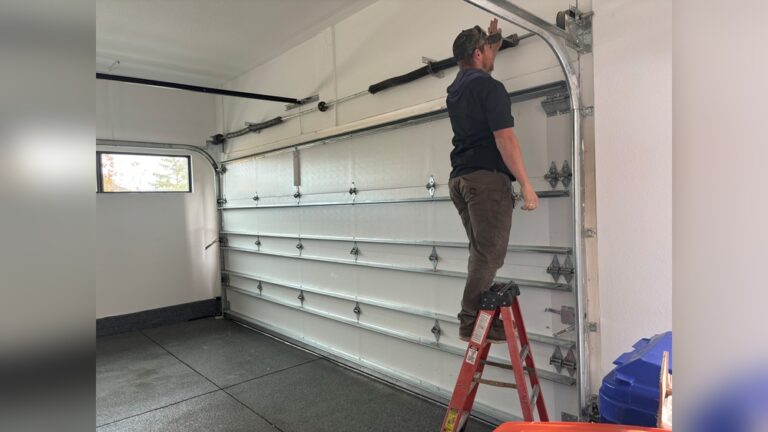
- Inspect the tracks on both sides of the door. Look for bends, dents, or debris.
- Roll the door manually. If it sticks, the rollers or hinges may need oil or repair.
- Check the springs and cables. If one is broken, do not try to fix it yourself—these parts are under high tension and can be dangerous.
Practical data:
About 20,000 garage door injuries happen in the US each year, often from trying to fix springs or cables. If you suspect a broken spring or cable, always call a professional.
5. Motor Or Gear Failure
If the opener hums or clicks but the door doesn’t move, the motor or gears may be the issue.
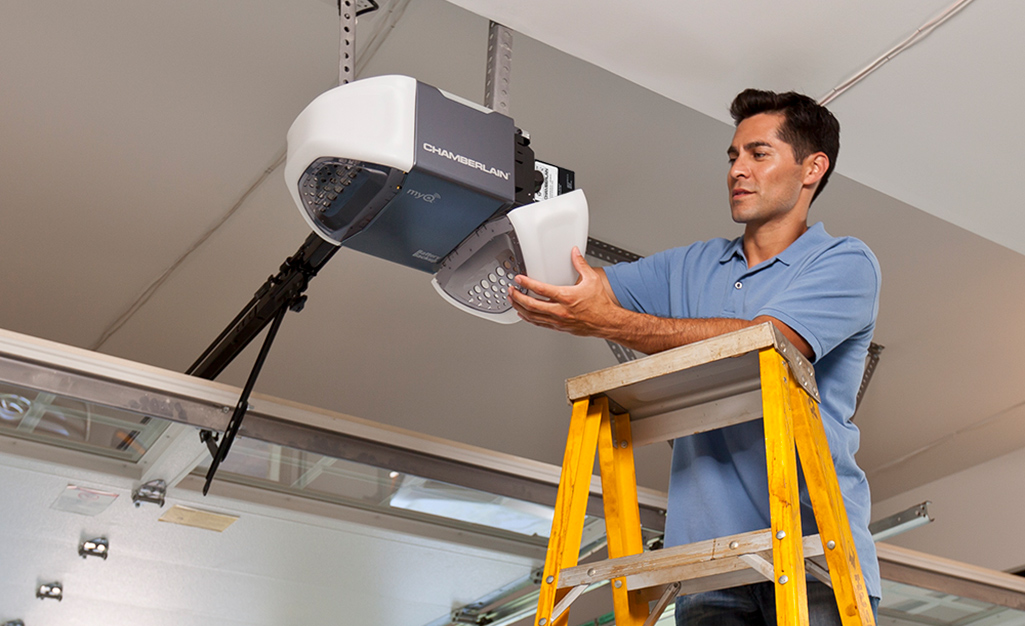
- Unplug the opener and remove the cover.
- Look for worn or broken nylon gears (often covered in white dust).
- Motors can overheat if the door is heavy or jammed. Let it cool for 15-30 minutes, then try again.
Non-obvious tip:
If your door is very heavy, the opener is working harder than it should. A well-balanced door should lift with one hand. If not, the springs may need adjustment.
6. Limit Or Travel Setting Error
Your opener has “limit” switches that control how far the door moves.
- Find the limit adjustment screws on the opener unit.
- If the door closes partly and reverses, adjust the “down” limit screw.
- If the door doesn’t close all the way, adjust slightly and test again.
Most openers have a sticker or label showing which screw to turn.
7. Manual Lock Engaged
Sometimes, the problem is as simple as a manual lock on the garage door handle.
- Check for a slide lock or bar that may be engaged.
- Unlock it and try the opener again.
When To Call A Professional
Some garage door opener problems are not safe for beginners. Call a pro if:
- Springs or cables are broken.
- The motor smells burnt or smokes.
- You see sparks or exposed wires.
- The door is off its track or hangs crooked.
Professional repair is worth the cost for safety and peace of mind. Most repairs cost between $100 and $350, depending on the issue.
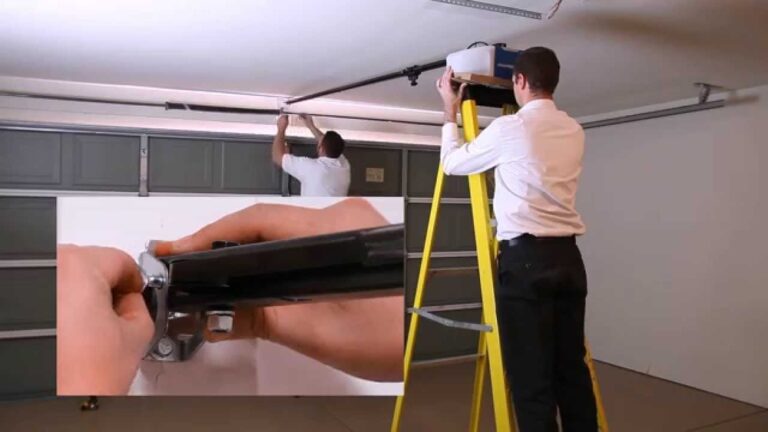
Credit: www.homedepot.com
Preventing Future Garage Door Opener Problems
Regular maintenance helps avoid most problems.
- Lubricate the door’s tracks, rollers, and hinges twice a year.
- Test the safety sensors monthly by placing a small box under the door. The door should reverse when it touches the object.
- Replace remote batteries every 1-2 years.
- Clean the opener unit and sensors regularly.
- Check for loose bolts or screws every few months.
A little upkeep goes a long way toward preventing breakdowns.
Comparing Garage Door Opener Types
Not all garage door openers are the same. Here’s a quick comparison:
| Type | Noise Level | Durability | Best For |
|---|---|---|---|
| Chain Drive | High | Very Good | Detached garages |
| Belt Drive | Low | Good | Attached garages |
| Screw Drive | Medium | Moderate | Warm climates |
| Direct Drive | Very Low | Excellent | Quiet operation |
Tip:
If you have bedrooms above your garage, consider a belt drive or direct drive opener for quiet operation.
Typical Repair Costs
Understanding repair costs helps you decide whether to fix or replace your opener.
| Problem | DIY Cost | Professional Cost |
|---|---|---|
| Remote battery replacement | $2 – $10 | $0 (self) |
| Sensor cleaning/alignment | $0 – $20 | $75 – $100 |
| Track lubrication | $5 – $10 | $75 – $150 |
| Spring replacement | Not recommended | $150 – $350 |
| Opener motor repair | $30 – $100 | $150 – $350 |
Non-obvious insight:
Sometimes, buying a new opener makes more sense if your unit is over 10 years old and needs major repairs.
Garage Door Opener Lifespan And Replacement
Most garage door openers last 10-15 years with regular use and basic maintenance. If you notice frequent problems, loud noises, or slow operation, it may be time to replace your unit.
Signs you need a new opener:
- Opener is over 15 years old
- Repeated breakdowns despite repairs
- Safety sensors cannot be fixed
- Replacement parts are unavailable
A new opener offers better security, quieter operation, and smart features like phone control.

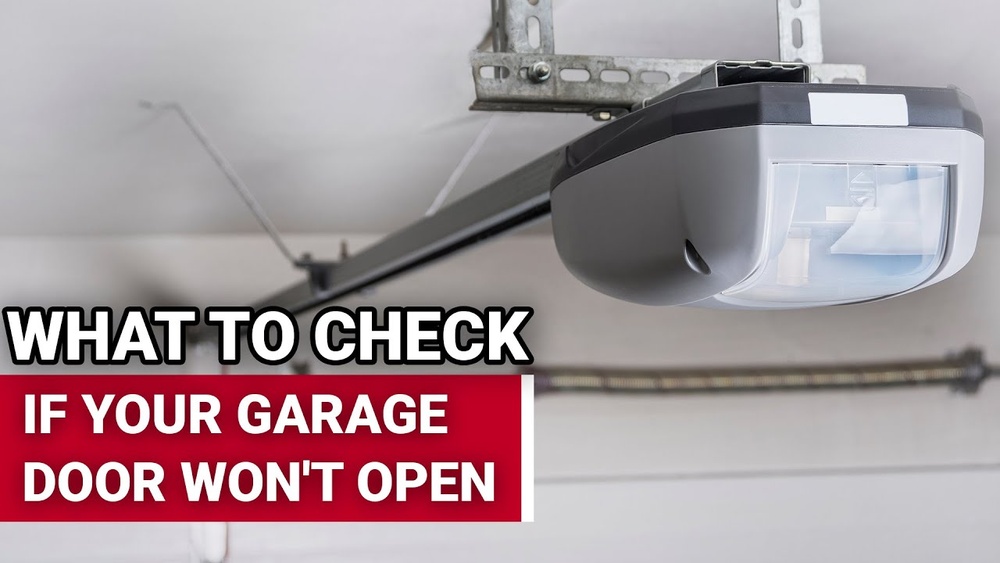
Credit: www.youtube.com
Smart Garage Door Openers
Modern openers come with advanced features. Here’s how they compare:
| Feature | Traditional Opener | Smart Opener |
|---|---|---|
| Remote control | Yes | Yes |
| App control | No | Yes |
| Voice assistant support | No | Yes |
| Automatic alerts | No | Yes |
| Security monitoring | No | Yes |
Example:
A smart opener lets you check your garage door’s status from your phone, get alerts if it’s left open, and close it remotely—a big step up in convenience and security.
For more on garage door openers and smart home integration, see Wikipedia.
Frequently Asked Questions
Why Won’t My Garage Door Opener Respond To The Remote?
The most common reasons are dead batteries, being out of range, or signal interference from nearby electronics. Try new batteries, get closer to the door, and turn off nearby Wi-Fi or LED lights to test.
Why Does My Garage Door Open But Not Close?
This is usually a sensor problem. Check the alignment of the safety sensors and clean them. Make sure nothing blocks the sensor beam.
How Can I Reset My Garage Door Opener?
Most openers have a “Learn” button on the main unit. Hold it for 10 seconds to erase remotes, then reprogram each remote following the manufacturer’s steps. Always check your opener’s manual for exact instructions.
What Should I Do If My Garage Door Is Stuck Halfway?
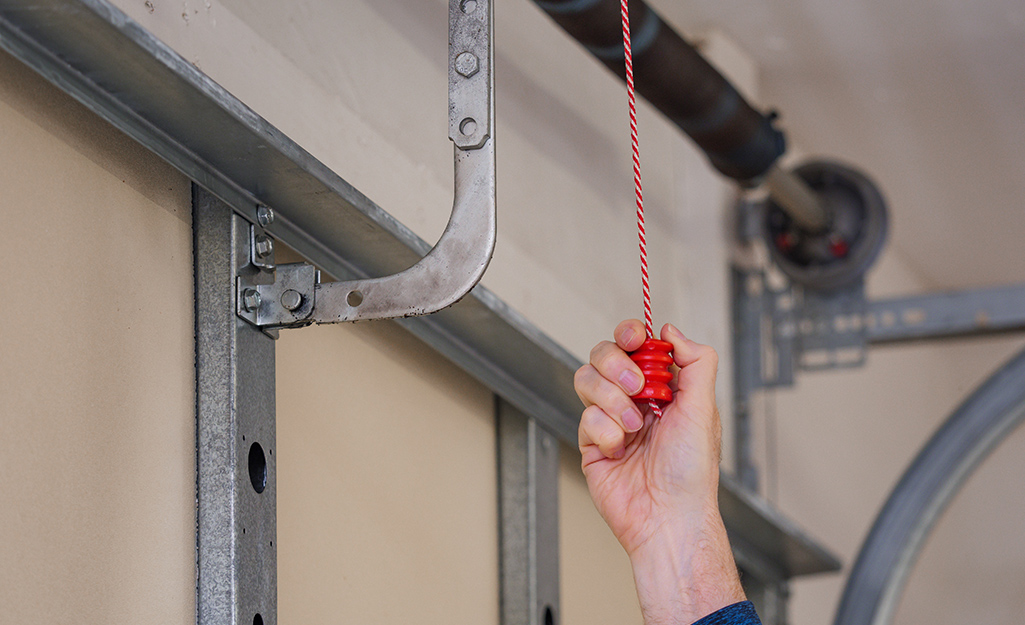
First, check for obstructions or a jam in the track. If the opener hums but the door doesn’t move, disconnect the opener using the emergency release cord and try to move the door by hand. If it’s heavy or won’t move, call a professional.
Is It Safe To Repair Garage Door Springs Myself?
No. Garage door springs are under high tension and can cause serious injury. Always call a trained technician to handle spring or cable repairs.
A garage door opener not working can be stressful, but most problems are easy to diagnose and fix with a little patience. By following these steps, you can save time, money, and keep your garage door running smoothly. Remember, safety comes first—call a professional for anything you’re not comfortable handling.
Credit: www.homedepot.com