
Locking your garage door is more important than many people think. A garage is not just a place for your car. It often stores tools, bikes, and even gives access to your home. If your garage door is not locked well, it becomes an easy entry point for burglars.
Many break-ins happen because homeowners forget or underestimate garage security. Luckily, you don’t need special skills to lock a garage door properly. With the right tools and simple steps, you can protect your home, valuables, and family.
This article explains the best ways to lock a garage door, which locks to use, how to install them, and how to avoid common mistakes. You’ll also find practical data, real examples, and simple explanations for beginners. Whether you have a manual or automatic door, you’ll learn how to keep your garage safe.
Why Locking Your Garage Door Matters
Garage security is often the weakest point in home security. According to the FBI, about 9% of all home burglaries begin at the garage. Thieves know that many garage doors are left unlocked or have weak locks. If your garage connects to your house, this risk is even higher.
Here are some key reasons to lock your garage door:
- Protect valuables: Garages often hold power tools, bikes, and expensive equipment.
- Block entry to your home: Many garages have a door leading inside.
- Lower insurance costs: Some insurance companies give discounts for better home security.
- Peace of mind: You’ll feel safer knowing your garage is secure.
A strong lock is a small investment that can prevent big losses.
Types Of Garage Doors And Their Locking Needs
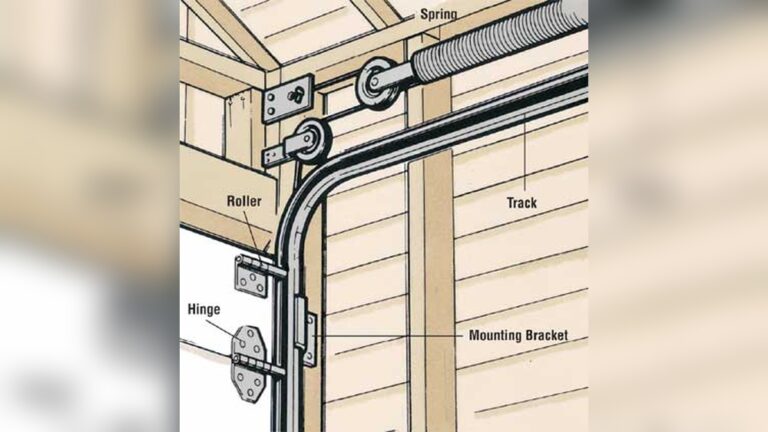
Not all garage doors are the same. Each type has different locking needs. Knowing your door type helps you choose the best locking method.
Common Garage Door Types
- Up-and-over doors: These swing outward and then lift up. Most older homes have these.
- Sectional doors: Made of panels that slide up and over. Very common in newer homes.
- Roller doors: Made of thin slats that roll up into a drum.
- Side-hinged doors: Open like regular double doors.
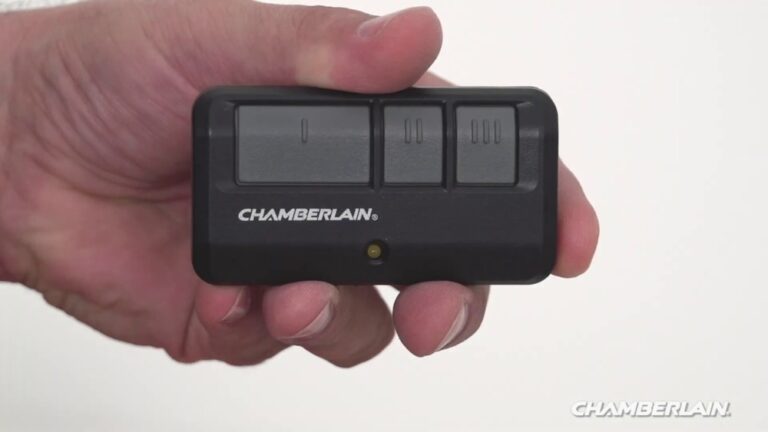
- Automatic doors: Use a motor and remote control.
How Door Type Affects Locking
- Manual doors often need a physical lock and key.
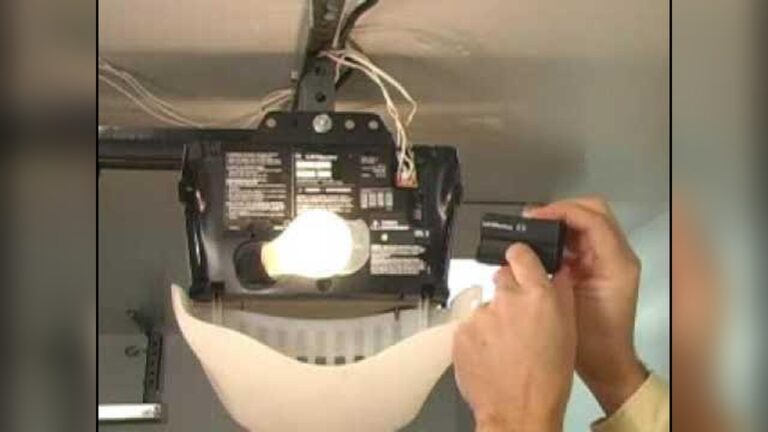
- Automatic doors usually have a motor lock but may need extra security.
- Side-hinged doors can use padlocks or deadbolts.
Choosing the right lock type depends on your garage door’s style and how you use it.
Main Types Of Garage Door Locks
There are several ways to lock a garage door. Each has benefits and best uses. Here’s a quick comparison:
| Lock Type | Best For | Ease of Use | Security Level |
|---|---|---|---|
| Slide Bolt Lock | Manual doors (up-and-over, sectional) | Easy | Good |
| T-Handle Lock | Older up-and-over doors | Moderate | Fair |
| Deadbolt Lock | Side-hinged doors | Easy | Very Good |
| Smart Lock | Automatic doors | Very Easy | Excellent |
| Padlock & Hasp | Manual, side-hinged doors | Easy | Good |
Non-obvious insight: Many people think their automatic garage door opener is enough. In fact, these motors can be forced open with a coat hanger. Adding a manual lock greatly increases security.
How To Lock A Garage Door Step-by-step
Let’s look at how to install and use the most common garage door locks. The steps below are beginner-friendly and work for most homes.
Slide Bolt Lock
This is one of the easiest and cheapest ways to lock a garage door.
You’ll need:
- 1 or 2 slide bolt locks
- Drill and screws
- Measuring tape
Steps:
- Choose the spot: Place the slide bolt on the inside edge of the door, near the bottom.
- Mark the holes: Hold the lock in position and mark where the screws will go.
- Drill pilot holes: This makes it easier to screw in the lock.
- Attach the lock: Screw the slide bolt onto the door.
- Install strike plate: Attach the matching plate to the frame or track.
- Test the lock: Slide the bolt in and out to make sure it works.
Tip: Use two slide bolts (one on each side) for more strength.
T-handle Lock
Common on old up-and-over garage doors.
You’ll need:
- T-handle lock set (handle, bar, cylinder)
- Drill
- Screwdriver
Steps:
- Remove old lock (if any): Unscrew the old handle and lock.
- Insert new T-handle: Place the new handle through the door hole.
- Attach the bar: Connect the inside bar to the handle. This bar slides into the side of the frame.
- Secure with screws: Tighten all parts so nothing is loose.
- Test with key: Make sure the lock works from outside.
Non-obvious insight: Lubricate the mechanism every six months to keep it smooth.
Deadbolt Lock (side-hinged Doors)
You’ll need:
- Deadbolt lock
- Power drill
- Measuring tools
Steps:
- Mark the position: Deadbolts work best at shoulder height.
- Drill holes: For the lock and the bolt.
- Install lock: Insert the deadbolt into the hole and screw into place.
- Install strike plate: On the door frame, for the bolt to slide into.
- Test: Lock and unlock with the key.
Smart Lock (automatic Doors)
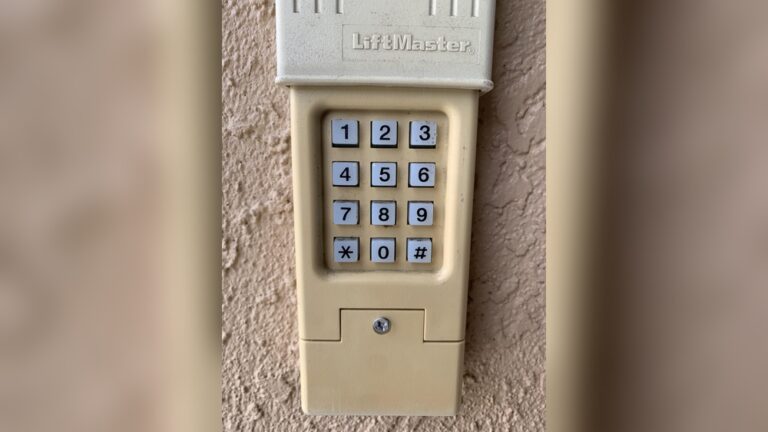
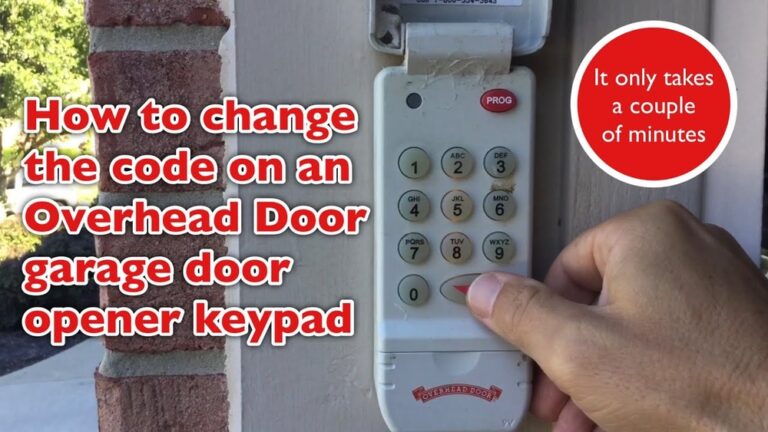
Smart locks use a keypad, phone app, or even voice control.
You’ll need:
- Smart lock kit (e.g., Chamberlain, LiftMaster)
- Wi-Fi connection
- Basic tools
Steps:
- Turn off the power: Safety first.
- Install the smart lock: Follow instructions in the kit, usually attaching it to the opener unit.
- Connect to Wi-Fi: Use your phone app.
- Test: Open and close the door with your phone or keypad.
Example: A family in Texas used a smart lock with alerts. When their teen forgot to close the door, the app warned them, and they locked it remotely.

Credit: bdkdoor.com
Extra Ways To Secure Your Garage
Just locking the door isn’t always enough. Here are more ways to make your garage safer:
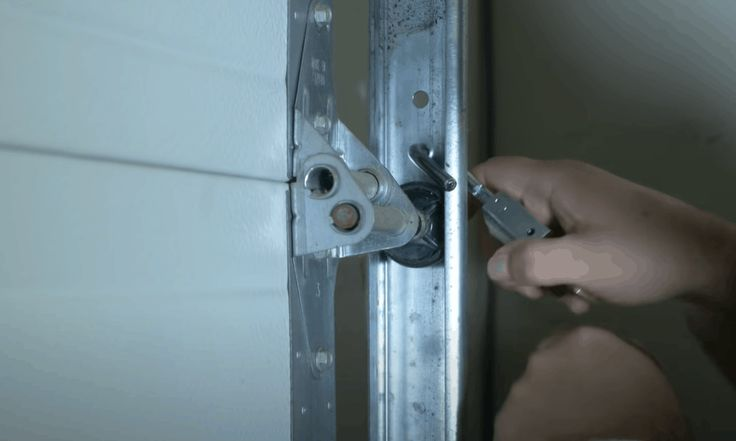
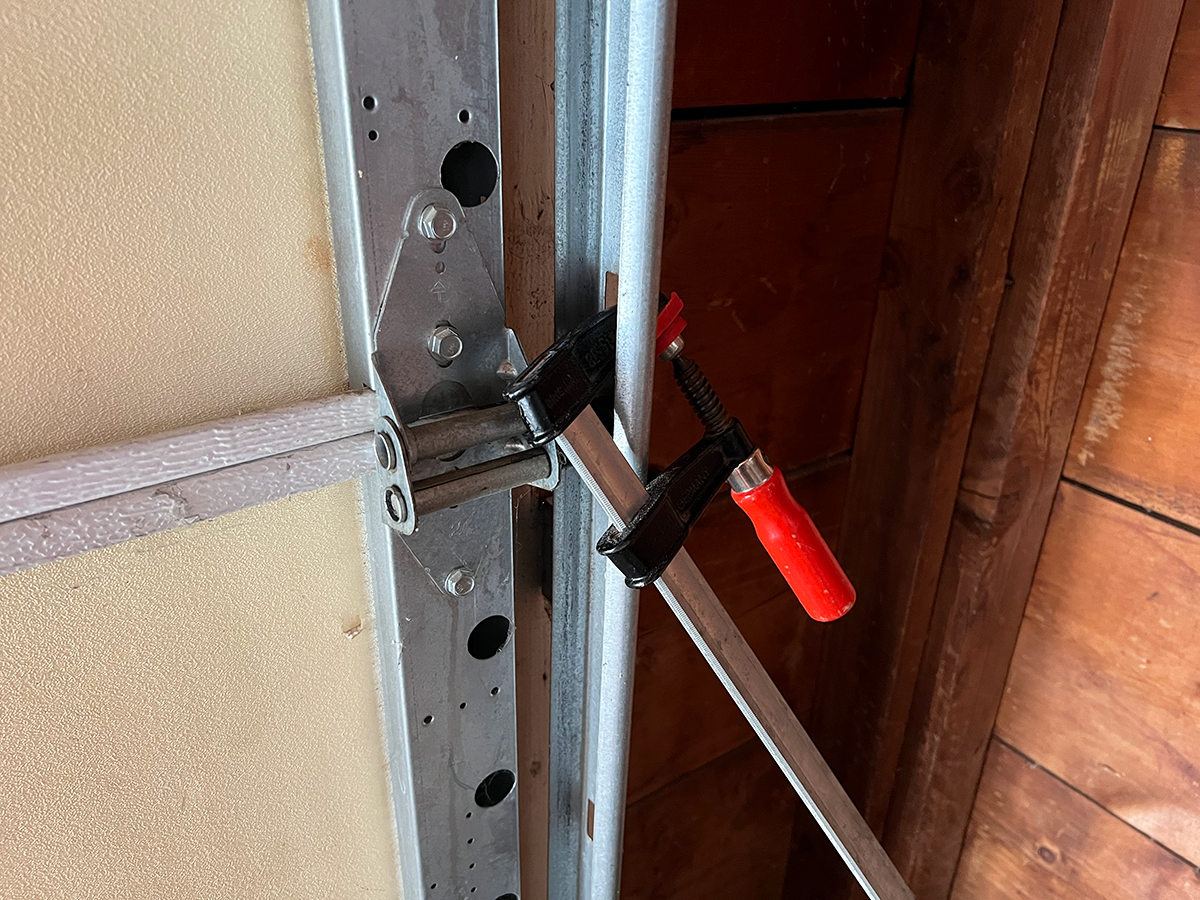
- Use a security bar: A metal bar across the inside stops the door from moving.
- Install a garage defender: This device locks the outside of the door and is very hard to cut.
- Cover garage windows: Thieves often look through windows first.
- Add a sensor alarm: Alerts you if the door opens at odd times.
- Upgrade the entry door: The door from the garage to your house should have a deadbolt.
Practical data: According to insurance data, homes with visible security devices are 60% less likely to be targeted.
Common Mistakes To Avoid
Many homeowners make simple mistakes that weaken garage security. Avoid these for best results.
- Relying only on the opener: Automatic doors can be forced open easily.
- Not locking the entry door: The door between your garage and house should also have a strong lock.
- Leaving the remote in the car: Thieves can break into your car and use the remote.
- Ignoring regular checks: Locks and bolts wear out. Test them often.
- Not using both sides: For wide doors, always lock both sides if possible.
Example: In a 2021 study, 1 in 5 break-ins happened because the garage remote was left in an unlocked car.
How To Choose The Right Lock For Your Garage
It’s easy to get confused by so many options. Here’s a quick guide to help you pick:
| Garage Door Type | Recommended Lock | Extra Security Tips |
|---|---|---|
| Up-and-over (manual) | Slide bolt or T-handle | Use two locks, one each side |
| Sectional | Slide bolt | Install alarm sensor |
| Roller | Padlock & hasp | Add a defender lock outside |
| Automatic | Smart lock | Disable emergency release when away |
| Side-hinged | Deadbolt, padlock | Secure hinges with screws |
Practical Tips For Everyday Security
- Lock every night: Make it a habit, just like locking your front door.
- Check after visitors or workers: They might forget to relock.
- Keep your remote with you: Don’t leave it in the car.
- Upgrade old locks: If your lock is over 10 years old, replace it.
- Teach your family: Show everyone how to use the locks.
Extra tip: If you travel, ask a neighbor to check your garage. Thieves look for signs that a house is empty.
Credit: www.allaboutdoors.net
Cost And Value Of Locking Your Garage
Locking your garage is not expensive compared to the value it protects.
- Slide bolt lock: $10–$25 each
- T-handle lock: $20–$40
- Deadbolt lock: $25–$60
- Smart lock: $100–$300
- Garage defender: $50–$80
Example: A good lock costing $30 can protect thousands of dollars in tools or bikes. Insurance claims for garage theft often reach $1,500 or more.
When To Call A Professional
While many locks are easy to install yourself, sometimes it’s best to call a locksmith or garage door expert. Here’s when:
- You have a complex automatic door system.
- The lock won’t fit your door style.
- You want a high-security system.
- You are not comfortable with power tools.
Professionals can also advise on the best security options for your specific home.
Credit: www.bobvila.com
Frequently Asked Questions
How Can I Make My Garage Door Lock More Secure?
You can make your garage door lock more secure by adding a second lock (like a slide bolt on both sides), using a security bar, and installing a garage defender outside. For automatic doors, use a smart lock with alerts. Cover windows to stop thieves from seeing inside.
What Is The Best Lock For A Manual Garage Door?
The slide bolt lock is best for most manual doors. It’s simple, cheap, and easy to install. For extra strength, use one on each side. If your door is side-hinged, a deadbolt works best. For older up-and-over doors, a T-handle lock is also a good choice.
Can Someone Break Into My Garage If I Have An Automatic Opener?
Yes. Thieves can use a coat hanger to trigger the emergency release. That’s why you should add a manual lock inside and disable the emergency release if you leave for a long time. Use a smart lock for alerts and remote control. For more on garage security, see Consumer Reports.
Should I Lock The Door Between My Garage And House?
Always lock the entry door from the garage to your house. Use a deadbolt for best results. Many burglars get into the main house this way, so don’t overlook it.
How Often Should I Check My Garage Door Locks?
Check your garage door locks every month. Test that they open and close smoothly. Look for rust or loose screws. Lubricate locks twice a year to keep them working well.
Securing your garage door is one of the simplest ways to protect your home and loved ones. By choosing the right lock and using a few easy steps, you can greatly reduce your risk of theft. Don’t wait for a problem—lock your garage door today and enjoy greater peace of mind.