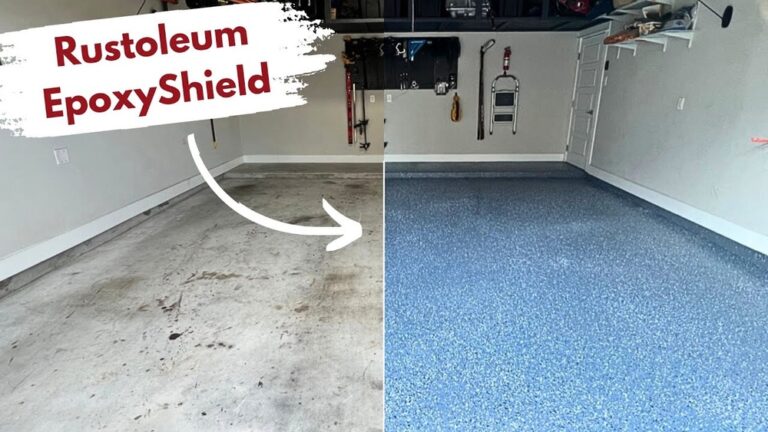

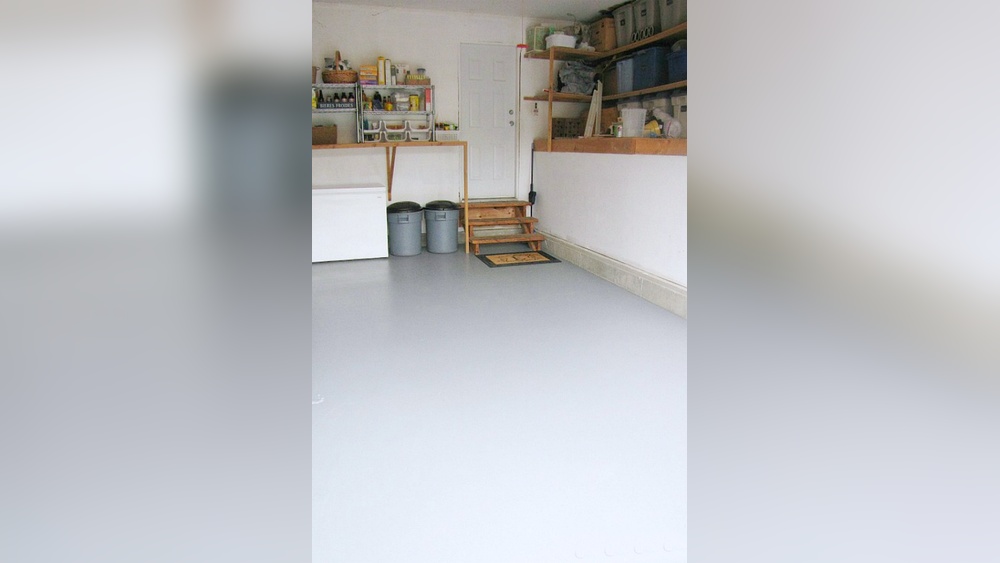
Painting your garage floor can completely change the look and feel of your space. A fresh coat of paint not only improves appearance, but also makes cleaning easier and protects the concrete from stains and wear. Many homeowners worry that painting a garage floor is difficult or expensive, but with the right steps, even beginners can get professional results.
This guide will walk you through each stage in simple terms, with practical tips and clear examples, so your garage floor can look its best for years.
Why Paint Your Garage Floor?
Painting a garage floor does more than just add color. Here are the main benefits:
- Protects Concrete: Paint forms a barrier against oil, water, and chemicals.
- Easier Cleaning: Painted floors don’t trap dust or absorb spills as easily.
- Improved Appearance: A clean, bright floor can make your garage feel like an extension of your home.
- Increases Home Value: Many buyers see a painted garage floor as a sign of care.
According to industry surveys, homes with upgraded garages can sell for up to 5% more than those with basic, unfinished spaces.
Choosing The Right Paint For Garage Floors
Not all paints are made for concrete. Picking the right type is key to long-lasting results. The two main options are epoxy paint and latex acrylic paint.
| Paint Type | Durability | Drying Time | Best For |
|---|---|---|---|
| Epoxy Paint | Very High | 24-72 hours | Heavy traffic, best protection |
| Latex Acrylic | Medium | 4-8 hours | Light use, budget friendly |
- Epoxy paint is more durable and stain-resistant. It’s ideal if you park cars, use tools, or want the finish to last many years.
- Latex acrylic is easier to apply and dries faster. It’s good for garages with less traffic or if you want a simple refresh.
Pro tip: Never use regular wall paint. It will peel and won’t protect your floor.

Credit: www.youtube.com
Tools And Materials You’ll Need
Before starting, gather all supplies. This ensures you don’t stop midway.
- Concrete floor paint (epoxy or latex acrylic)
- Concrete cleaner/degreaser
- Etching solution (for bare or smooth concrete)
- Painter’s tape
- Paint roller with extension pole
- Paintbrush
- Protective gloves and goggles
- Broom and vacuum
- Bucket and mop
- Plastic sheeting (to cover walls or equipment)
- Concrete patch/filler (for cracks or holes)
Example: For a standard 2-car garage (about 400 sq ft), you’ll need 1-2 gallons of paint, depending on coverage.
Step 1: Empty And Clean The Garage
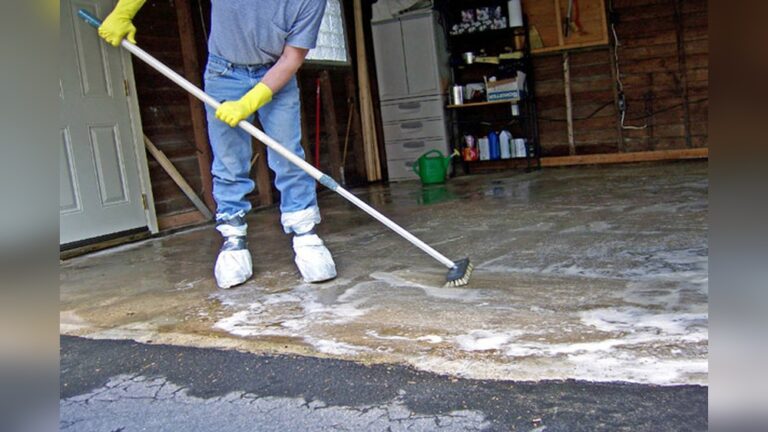
Start by removing everything from the garage. A clean, empty space makes painting easier and prevents dust from ruining the finish.
- Sweep all dirt and debris.
- Vacuum corners where dust hides.
- Remove oil stains with a concrete degreaser. Let it sit for 10-15 minutes, scrub with a stiff brush, and rinse.
- Mop with warm water and let dry completely.
Beginner mistake: Skipping cleaning can cause paint to peel. Even small dust particles make a big difference.

Credit: makingprettyspaces.com
Step 2: Repair Cracks And Holes
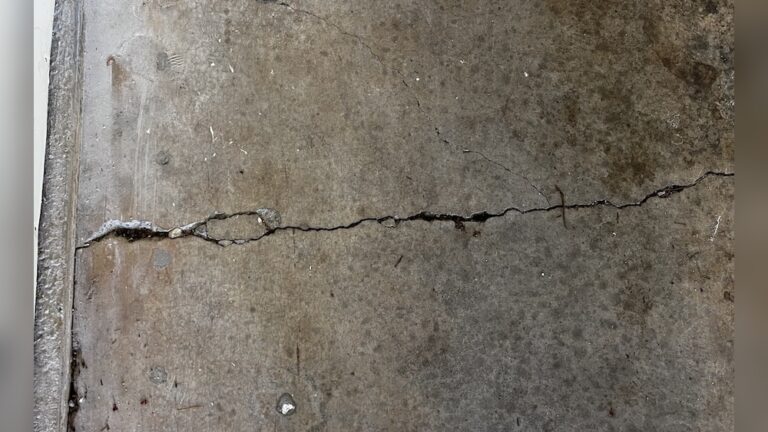
Check the floor for damage. Small cracks or holes are common, especially in older garages.
- Use a concrete patch or filler to fill cracks.
- Smooth with a putty knife.
- Let repairs dry for the time suggested by the product (usually 4-8 hours).
Insight: Even tiny cracks can grow under paint. Fixing them now saves work later.
Step 3: Etch The Concrete (if Needed)
If your garage floor is bare concrete or very smooth, etching is important. Etching roughens the surface, helping paint stick better.
- Mix etching solution (often muriatic acid or a citrus-based product) with water as directed.
- Pour onto the floor and scrub with a stiff broom.
- Let sit for 10 minutes, then rinse well with water.
- Allow the floor to dry fully (at least 24 hours).
Tip: If water beads on the concrete, it’s too smooth. Properly etched concrete lets water soak in.
Step 4: Protect Walls And Doors
Paint can splatter, so protect nearby surfaces.
- Use painter’s tape along the edges of walls and doors.
- Cover lower walls and any equipment with plastic sheeting.
This step prevents accidental marks and saves time on cleanup.
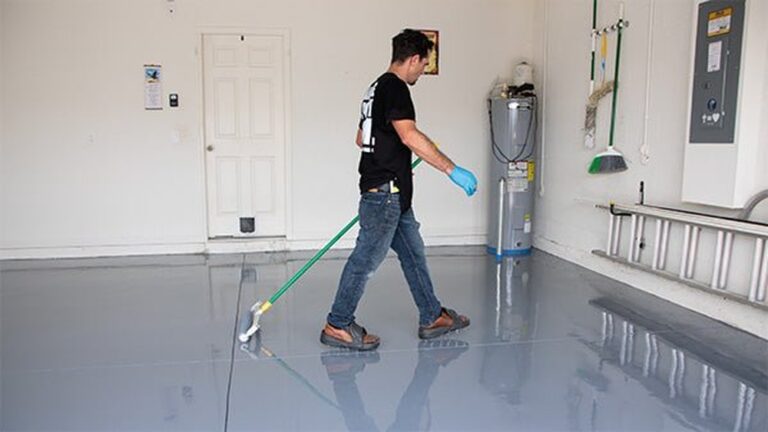
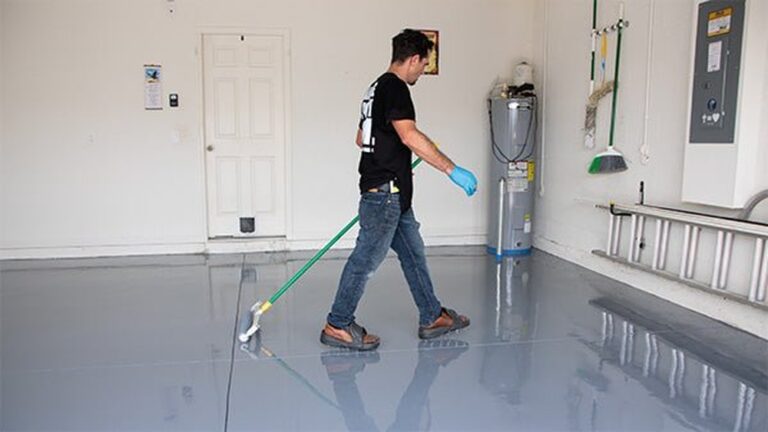
Step 5: Apply The Paint
Now you’re ready to paint. Work in small sections for the best result.
- Stir the paint well. Pigment can settle at the bottom.
- Cut in edges with a brush around walls and corners.
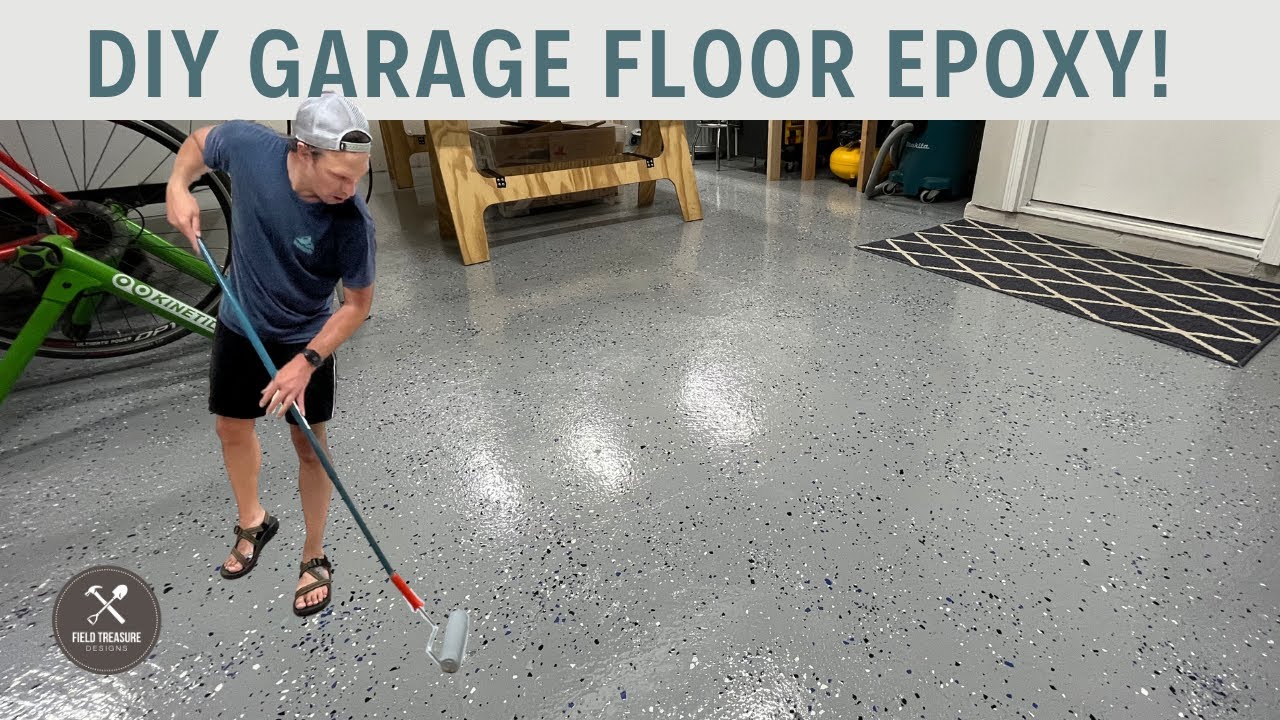
- Use a roller to apply paint in 4×4 foot sections.
- Work from the back of the garage toward the exit so you don’t paint yourself into a corner.
- Apply paint evenly, avoiding thick or thin spots.
Practical example: For a 2-car garage, painting takes about 1-2 hours per coat.
Non-obvious insight: Don’t try to cover the floor in one thick layer. Thin, even coats stick better and last longer.
Step 6: Add A Second Coat (if Needed)
Most garage floor paints need two coats for full coverage and durability.
- Wait for the first coat to dry (check the paint can for timing, usually 6-24 hours).
- Apply the second coat in the same way as the first.
- Let dry completely before walking or driving on the floor.
Data: Epoxy paints often reach full hardness in 72 hours. Latex acrylic can be walked on in as little as 12 hours, but wait 3 days before parking cars.
Step 7: Allow Proper Curing Time
Curing is different from drying. Even if paint feels dry, it may not be fully set.
| Paint Type | Walk On | Park Car | Full Cure |
|---|---|---|---|
| Epoxy | 24 hours | 72 hours | 7 days |
| Latex Acrylic | 12 hours | 72 hours | 5 days |
- Don’t rush. Wait the full cure time before heavy use.
- Keep the garage well ventilated to help paint set.
Beginner tip: Placing heavy items on the floor too soon can cause dents or marks.
Credit: www.youtube.com
Step 8: Move Items Back And Maintain
Once the floor is fully cured, carefully move your things back in.
- Use furniture sliders under heavy items to prevent scratches.
- Consider using rubber mats in high-traffic areas for extra protection.
Regular maintenance: Sweep often and clean up spills quickly. Avoid using harsh chemicals or metal shovels, which can scratch paint.
Common Mistakes To Avoid
Even simple errors can ruin your garage floor paint job. Here’s what to watch for:
- Skipping prep: Not cleaning or etching properly leads to peeling.
- Painting when humid: Moisture prevents paint from sticking.
- Using the wrong paint: Only use products made for concrete floors.
- Not letting paint cure: Walking or parking too soon damages the finish.
- Applying thick coats: Thick layers take longer to dry and often peel.
How Much Does It Cost To Paint A Garage Floor?
Painting your garage floor is affordable compared to other upgrades. Here’s a cost breakdown for a standard 2-car garage (400 sq ft):
| Item | Estimated Cost |
|---|---|
| Epoxy Paint Kit | $50 – $150 |
| Concrete Cleaner/Etcher | $15 – $30 |
| Rollers, Brushes, Tape | $20 – $40 |
| Crack Filler | $10 – $20 |
| Total | $95 – $240 |
DIY savings: Hiring a pro can cost $800-$1,500. Doing it yourself saves hundreds of dollars.
When To Paint Your Garage Floor
The best time to paint is during mild, dry weather.
- Ideal temperature: 50°F to 85°F (10°C to 29°C)
- Low humidity: Paint bonds better when air is dry.
- Avoid rainy or very cold days. Moisture in the air or concrete can prevent proper drying.
Advanced Tips For A Professional Finish
If you want your floor to stand out, consider these extra steps:
- Add color flakes: Sprinkle decorative chips on wet paint for texture and style.
- Seal with a clear topcoat: This adds shine and protects the paint.
- Create zones: Use painter’s tape to mark areas for tools, bikes, or storage.
Non-obvious insight: Using a garage floor sealer makes cleaning even easier and can extend the life of your paint by several years.
For more details on concrete paints and coatings, visit the EPA’s guide to safer paint products.
Frequently Asked Questions
How Long Does Garage Floor Paint Last?
With proper prep and good-quality paint, a garage floor can stay looking fresh for 3 to 5 years or more. Heavy use, road salt, and improper cleaning can shorten its life. Epoxy finishes usually last longer than latex acrylic.
Can I Paint Over Old Paint?
Yes, but only if the old paint is firmly attached. Remove any loose or peeling paint, clean the surface, and lightly sand shiny areas to help the new coat stick. Skipping this step can lead to peeling.
Is Garage Floor Paint Slippery?
Most paints are made to be slip-resistant, but when wet, smooth finishes can still be slick. You can add anti-slip additives to your paint or use textured color flakes for better grip.
Do I Need To Etch The Floor If It’s Already Painted?
No, etching is only for bare or very smooth concrete. If your floor is already painted and in good condition, just clean and lightly sand before repainting.
What’s The Difference Between Epoxy Coating And Epoxy Paint?
Epoxy coating is usually two parts (a resin and a hardener mixed before use) and is thicker and more durable than epoxy paint (which is usually one part, water-based, and easier to apply). Coatings last longer but are more expensive and need more prep.
Painting your garage floor is a rewarding DIY project that boosts value and makes your space easier to use. With the right tools, preparation, and a little patience, you can achieve results that look great and last for years. If you follow these steps and avoid common mistakes, your garage will soon look cleaner, brighter, and more inviting.