
Opening Your Garage Door With a Broken Spring: A Beginner’s Guide
A garage door with a broken spring can feel like a big problem, especially if you need to get your car out or secure your home. Springs are the main support for the heavy weight of the door. When a spring breaks, lifting the door becomes difficult and risky. Many homeowners face this problem at some point, but with the right guidance, you can handle it safely. This article explains, step by step, how to open a garage door with a broken spring—even if you’ve never done it before.
Why Garage Door Springs Matter
Garage door springs do most of the work when you open or close the door. They balance the heavy weight, making it possible to lift the door with little force.
There are two main types of springs:
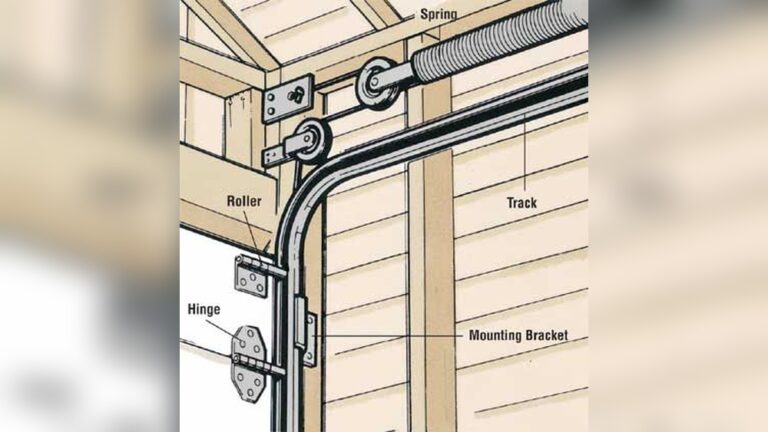
- Torsion springs (mounted above the door)
- Extension springs (on the sides of the door)
If a spring snaps, the door becomes extremely heavy. A typical double garage door can weigh between 150–300 pounds (68–136 kg). Without working springs, this weight must be lifted by hand. If you try to use the automatic opener, you may damage the opener or the door.
Pro tip: If you hear a loud bang from the garage, it’s often a sign that a spring has broken.
Safety First: Risks And Precautions
Opening a garage door with a broken spring is dangerous. The door can fall or slam shut, causing serious injury or property damage. Never ignore these risks.
Before you do anything:
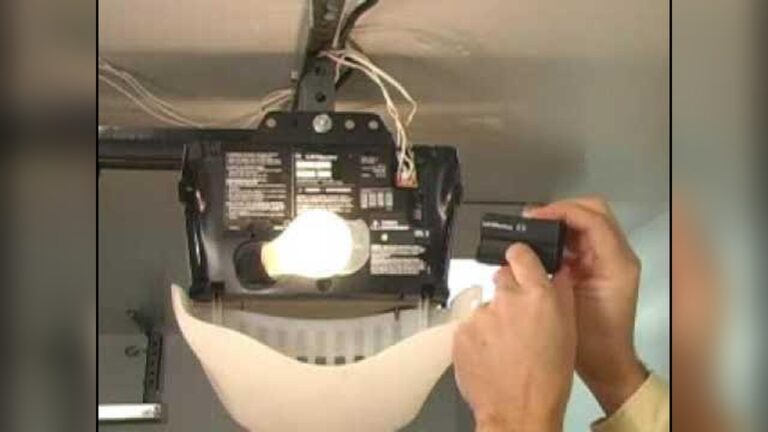
- Unplug the automatic opener to prevent accidental operation.
- Do not try to fix the spring yourself. Springs are under high tension and can cause injury.
- Do not let children or pets near the door while you work.
Wear:
- Strong gloves
- Closed-toe shoes
If the door is too heavy or stuck, stop immediately and call a professional.
Credit: www.garagedoorspecialist.net
Signs Your Garage Door Spring Is Broken
Not sure if the spring is the problem? Look for these signs:
- The door is very heavy to lift
- The opener makes noise but the door doesn’t move
- The door moves a few inches and stops
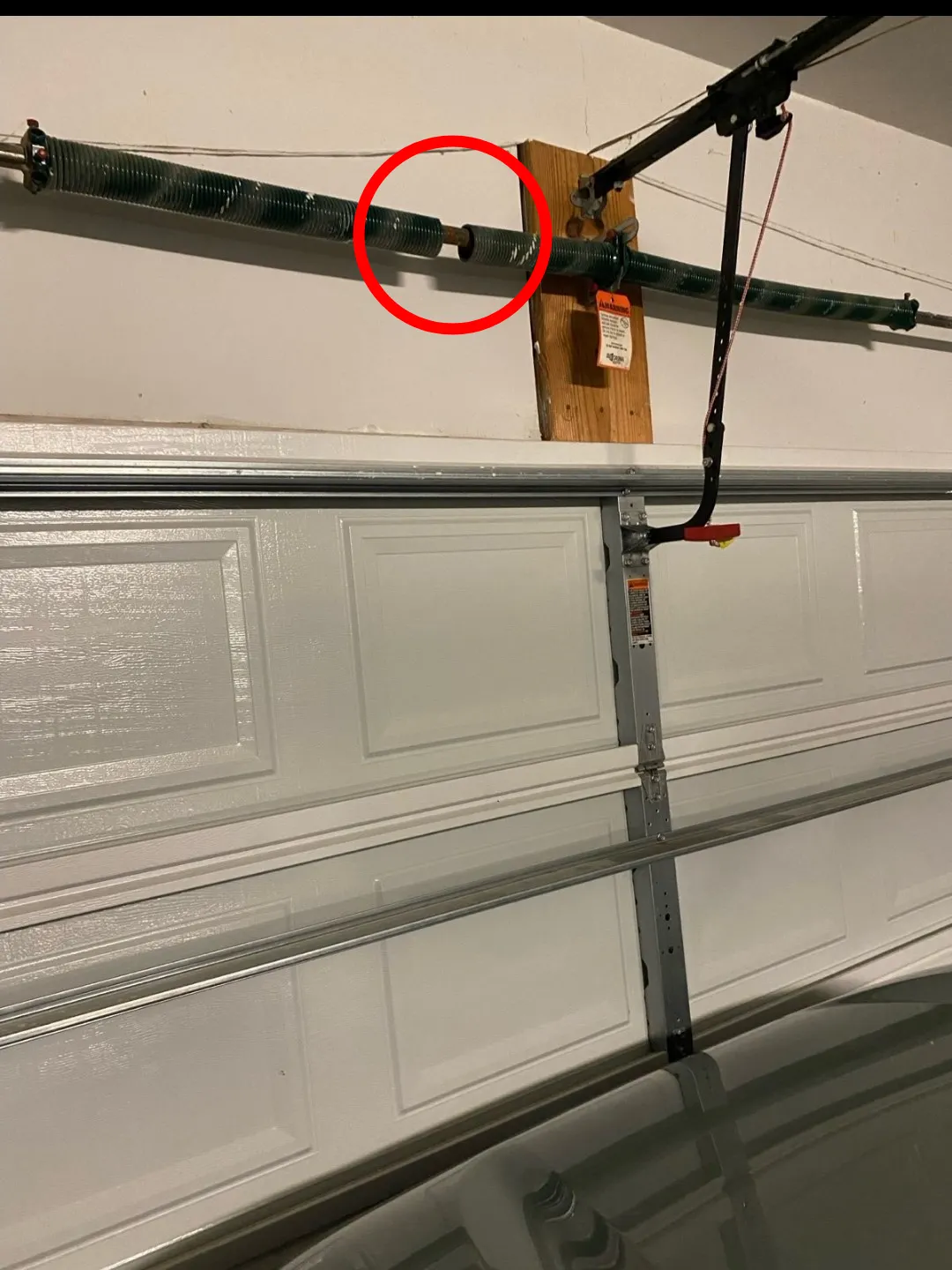
- You see a gap in the spring (for torsion springs)
- Cables are loose or hanging
Quick test: Disconnect the opener (pull the red emergency release cord). Try to lift the door. If it won’t budge or feels extremely heavy, the spring is likely broken.
Step-by-step: How To Open A Garage Door With A Broken Spring
If you must open the door urgently, follow these steps. Always have at least one other adult to help.
- Disconnect the Opener
- Pull the emergency release cord (usually a red cord near the opener rail).
- This disconnects the door from the opener, so you can lift it by hand.
- Check for Blockages
- Make sure nothing is blocking the door’s path (inside or outside).
- Gather Helpers
- For a single door: At least 2 people
- For a double door: 3–4 people is best
- Position Yourself
- One person on each side, hands under the door’s bottom edge.
- Stand with feet shoulder-width apart.
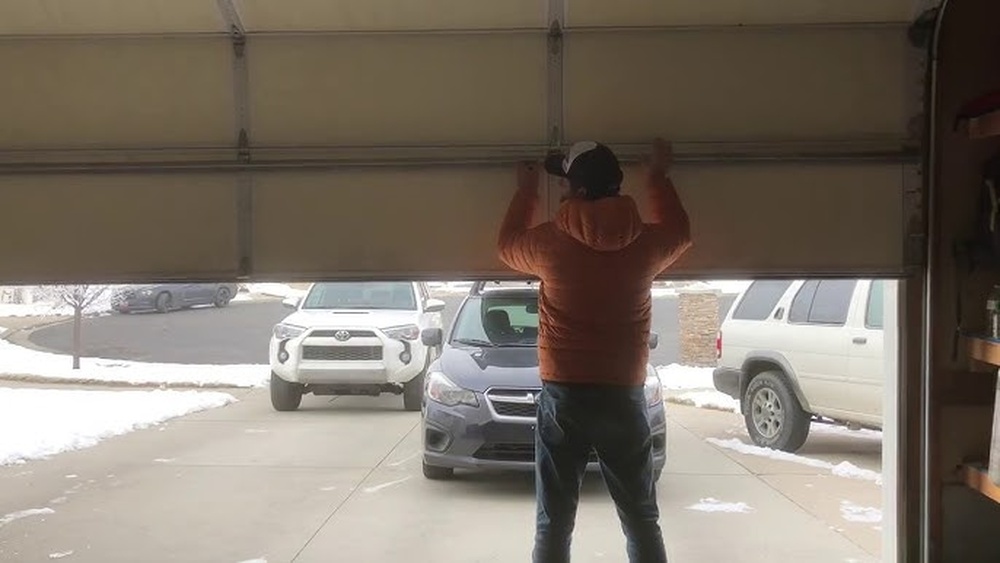
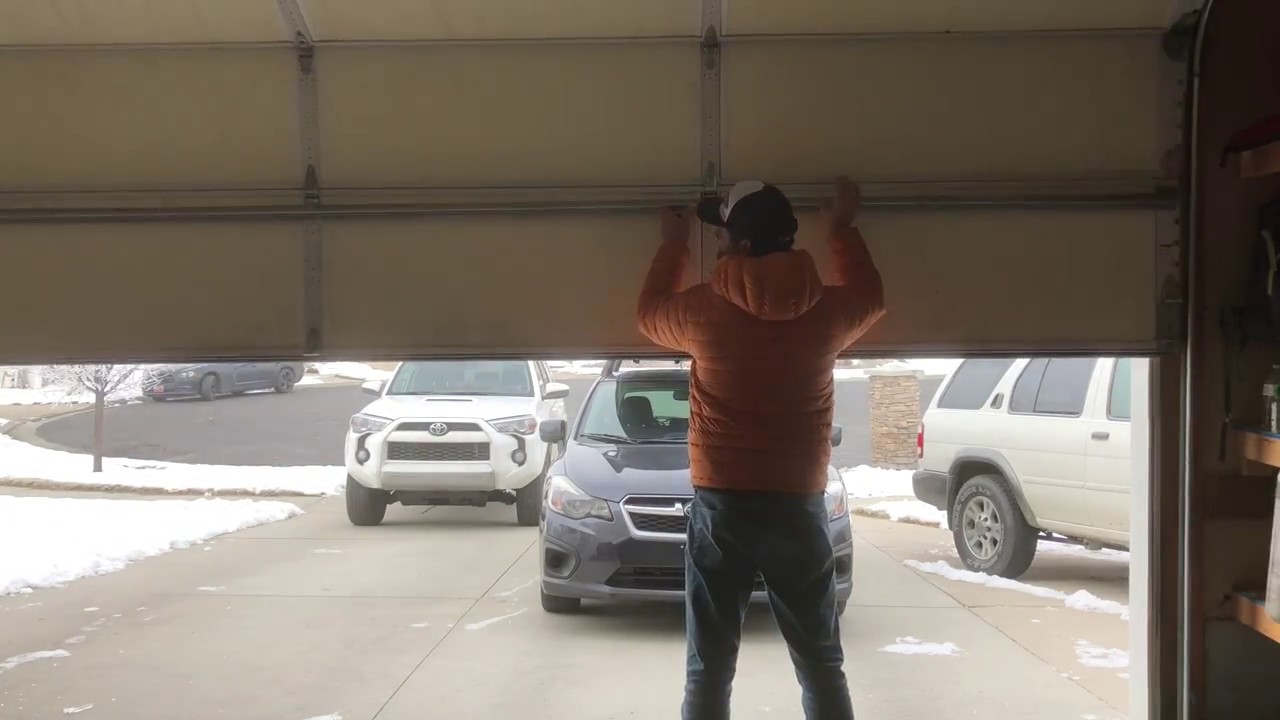
- Lift Slowly and Evenly
- Count to three, then lift together.
- Use your legs, not your back.
- Go slow—if the door feels stuck, stop.
- Prop the Door Open
- Once the door is open, place sturdy objects (like locking pliers, wood blocks, or ladders) under the door on both sides.
- Never trust the door to stay up on its own.
- Do Not Let Go
- Hold the door until you are sure it’s fully supported.
Important: Never attempt this alone. If the door feels too heavy or unsafe, call a garage door technician.
What Tools And Materials Can Help
You don’t need special tools, but these items can make the job safer:
- Locking pliers or C-clamps: Clamp them on the track just below the roller to keep the door from falling.
- Strong wood blocks: Place under the door as extra support.
- Step ladders: Useful for propping the door in an open position.
Example: If you open the door just enough to get the car out, place a ladder under one side and a block under the other for balance.
How Door Size Affects Difficulty
The bigger and heavier the door, the more difficult it is to open without springs.
Here’s a comparison of common garage doors:
| Type | Typical Weight (lbs) | People Needed | Risk Level |
|---|---|---|---|
| Single steel door | 100–150 | 2 | Medium |
| Double steel door | 150–300 | 3–4 | High |
| Wooden door | 200–350 | 4+ | Very High |
Insight: Wooden doors are much heavier than metal ones. If you have a wood door, do not attempt to open it without professional help.
Why You Should Not Use The Automatic Opener
Many people try to use the automatic opener when springs break. This is a mistake.
- The opener is not made to lift the full weight of the door.
- Using the opener can burn out the motor or strip the gears.
- The door can get stuck half-open, creating a security risk.
- You may void your opener’s warranty.
Fact: Most garage door openers can only handle about 10–20 pounds of force. Without springs, the door may weigh ten times more.
Temporary Vs. Permanent Fixes
Opening the door with a broken spring is only a temporary solution. You should never leave the door in this state for long.
Temporary Options:
- Open the door only when needed.
- Always support the door with blocks or clamps.
- Keep the area clear of kids and pets.
Permanent Solution:
- Call a garage door repair professional as soon as possible.
- Replace both springs, even if only one is broken. The other is likely worn.
Data: The average cost to replace a garage door spring in the US is $150–$350 per spring, including labor.
Credit: www.youtube.com
What If Both Springs Are Broken?
Some doors have two springs for balance. If both are broken, the door will be extremely heavy and may not move at all.
- Do not try to open the door yourself.
- The risk of injury or damage is much higher.
- Professional tools and skills are required.
Common Mistakes Beginners Make
- Trying to open the door alone.
- The risk of dropping the door or getting hurt is high.
- Forgetting to disconnect the opener.
- This can damage the opener and the door.
- Not supporting the door after lifting.
- The door can crash down suddenly.
- Using flimsy objects to prop the door.
- Only use strong, stable items.
- Not calling a professional soon enough.
- Delaying repairs can make the problem worse.
When To Call A Professional
If you are not confident, or the door is stuck, do not risk injury. A professional has the right tools and training to fix the problem safely.
- If the door is off its tracks
- If cables are loose or broken
- If the opener is damaged
- If you have a wooden or custom door
Pro insight: Even experienced DIYers often call professionals for spring replacement because of the tension and risk involved.
How To Prevent Spring Breakage
Garage door springs last about 7–9 years with normal use (10,000 cycles). You can help springs last longer with regular care.
- Lubricate springs every 6 months with garage door spray.
- Check for rust and clean springs as needed.
- Balance the door: If the door is hard to lift or doesn’t stay open halfway, have it checked.
Regular maintenance can reduce the risk of sudden failure.

Credit: bcsoverheaddoortx.com
Comparing Diy And Professional Repair
Some homeowners think about fixing the spring themselves. Here’s a simple comparison:
| Option | Cost | Safety | Skill Needed | Time |
|---|---|---|---|---|
| DIY Repair | $40–$100 (parts only) | Low | High | 2–4 hours |
| Professional Repair | $150–$350 (parts and labor) | High | Low | 1–2 hours |
Tip: Unless you have special tools and training, professional repair is the safest and most reliable option.
Real-world Example
Sarah noticed her garage door wouldn’t open one morning. She tried the remote, but the opener just made a humming sound. Checking the springs, she saw a gap and a loose cable. Following safety steps, she and her neighbor carefully lifted the single steel door and propped it open with sturdy blocks.
She got her car out and immediately called a technician. The springs were replaced within a day.
Lesson: Quick action and safety first prevented injury and further damage.
Useful Resources
For more on safe garage door repair and spring replacement, see the Wikipedia Garage Door Guide.
Frequently Asked Questions
What Happens If I Try To Open The Door Alone?
Trying to lift a garage door with a broken spring alone is risky. The door can be extremely heavy and may fall suddenly. Always get help from another adult or call a professional.
Can I Use The Opener To Open The Door If The Spring Is Broken?
No, using the opener can damage both the opener and the door. The opener is not designed to lift the full weight of the door. Always disconnect it before trying to open the door by hand.
How Much Does It Cost To Replace A Garage Door Spring?
The average cost for professional spring replacement in the US is $150–$350 per spring, including labor. DIY replacement may cost less, but is much more dangerous.
How Do I Know If My Garage Door Spring Is Broken?
Signs of a broken spring include a heavy door, a loud bang, the door not opening, or a visible gap in the spring. If you notice these, stop using the door and check for damage.
Is It Safe To Leave The Garage Door Open With A Broken Spring?
It is not safe to leave the door open unless it is fully supported with strong, stable objects. The door can fall without warning. Always have the spring replaced as soon as possible.
A broken garage door spring is not just an inconvenience—it’s a safety issue. By following these steps and staying aware of the risks, you can manage the situation until professional help arrives. Prioritize safety, never rush, and don’t be afraid to call for expert help when needed.