
How Big Is A 2 Car Garage
A 2 car garage is a common feature in many homes across the United States. For many buyers, it’s a key selling point. But how big is a 2 car garage, really? If you’re building, renovating, or just planning your space, understanding the right size is important.
This guide will help you see what a standard 2 car garage looks like, how much space you need, and what you can actually fit inside.
What Is A Standard 2 Car Garage Size?
When people talk about a “2 car garage,” they usually mean a garage that can fit two cars side by side. But not all 2 car garages are the same size.
- The most common size for a 2 car garage is 20 feet wide by 20 feet deep (20×20 feet).
- Other standard sizes include 22×20 feet, 24×24 feet, and 24×22 feet.
- Some builders even offer 18×20 feet garages, but these are quite tight.
To better understand, here are typical dimensions:
| Garage Size (Feet) | Width | Depth | Square Feet |
|---|---|---|---|
| Small | 18 | 20 | 360 |
| Standard | 20 | 20 | 400 |
| Spacious | 24 | 24 | 576 |
Most homeowners choose 20×20 feet or larger for real comfort.
Why Size Matters
A 2 car garage needs to fit more than just two cars. Think about:
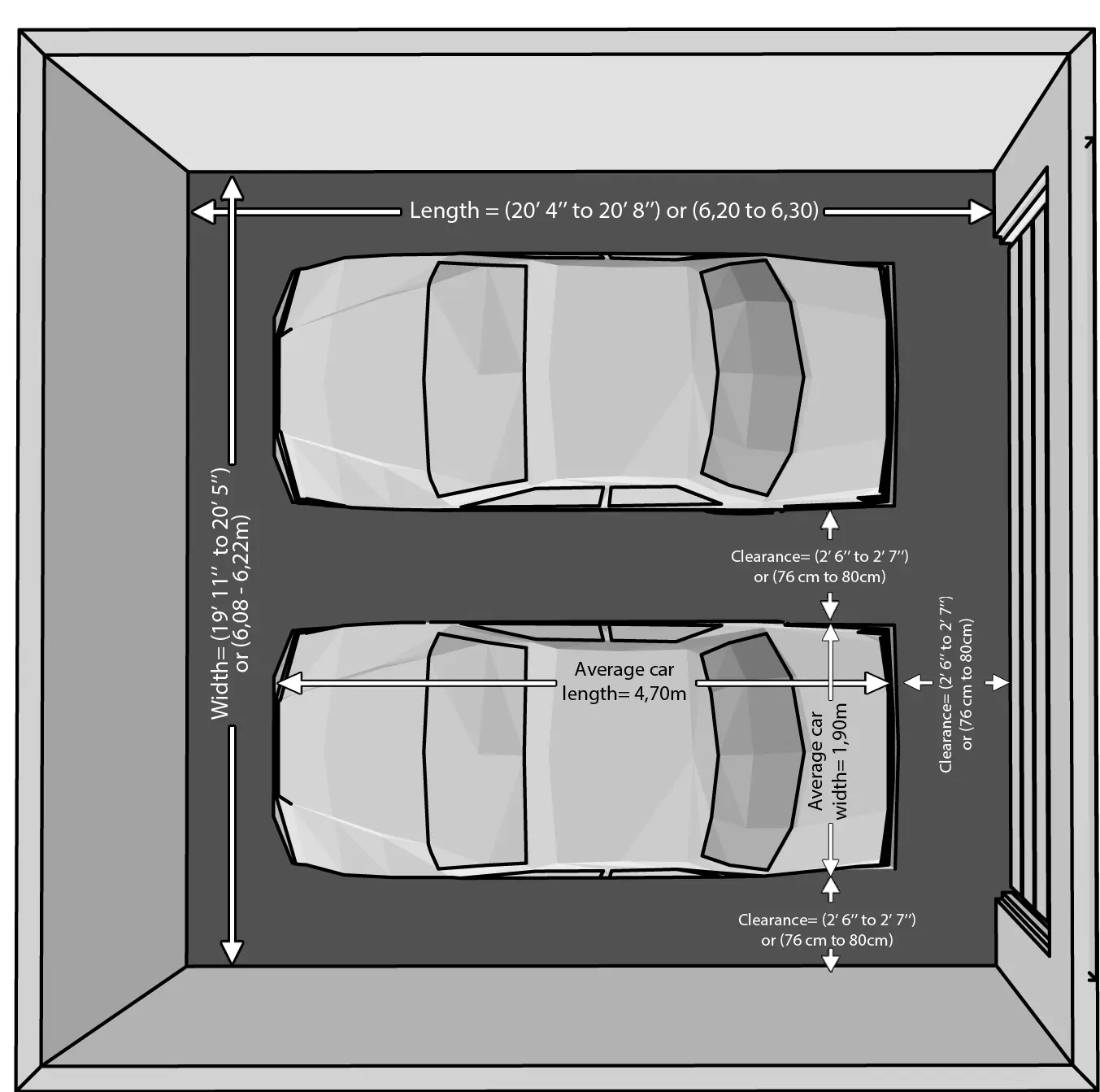
- Car doors opening: You need space to open doors without hitting the wall or the other car.
- Walking space: You should be able to walk around your cars.
- Storage: Many people use their garage for storage, bikes, or tools.
A garage that’s too small can make daily life harder. For example, in an 18×20 feet garage, you may barely squeeze two small cars. There’s little room for anything else.
Credit: thecarportco.com
Car Sizes Vs. Garage Space
Not all cars are the same size. Some are compact, while others are long SUVs or trucks. Here’s a simple look:
| Type of Car | Average Width (feet) | Average Length (feet) |
|---|---|---|
| Compact | 5.5 | 14 |
| Sedan | 6 | 16 |
| SUV/Truck | 6.5-7 | 18-20 |
If you have two compact cars, a 20×20 feet garage is usually fine. But if you drive a truck or a large SUV, you might want more depth, like 22 or 24 feet.
Minimum Vs. Comfortable Size
You might ask, “What’s the smallest size that works? ” For two small cars, 18×20 feet is the absolute minimum, but you’ll feel cramped.
A comfortable 2 car garage is usually:
- 20×20 feet: Enough for two cars, plus some space to open doors.
- 22×22 feet or 24×24 feet: Gives more room for storage, bikes, or even a small workbench.
To make it clearer, here’s a comparison of how much extra space you get as the garage size increases:
| Garage Size | Fits 2 Cars? | Storage Space | Notes |
|---|---|---|---|
| 18×20 ft | Yes (tight) | Very little | Only for compact cars |
| 20×20 ft | Yes | Some | Standard choice |
| 24×24 ft | Yes (spacious) | Plenty | Best for trucks, storage, workbench |
Credit: design-tips.floorplanner.com
Garage Door Sizes
The garage door is just as important as the total size. Common door sizes for 2 car garages are:
- Double garage door: 16 feet wide by 7 feet tall is most common.
- Two single doors: Each is usually 8 or 9 feet wide.
If you have two separate doors, you need a wider garage (at least 22 feet) to fit the center wall and both cars comfortably.
Ceiling Height
Standard garage ceilings are 8 feet high. Some modern homes use 9 or even 10 feet. Higher ceilings are helpful if you want:
- Overhead storage shelves
- A car lift for repairs or stacking cars
For most people, 8-9 feet is enough.
Factors That Affect Garage Size Choice
When you plan your garage, don’t just think about car size. Consider:
- Storage needs: Do you have bikes, lawnmowers, or seasonal items?
- Workspace: Will you do car repairs or hobbies in the garage?
- Future vehicles: Planning to buy a bigger car later?
- Access: Is there enough space to walk around or carry groceries inside?
People often regret building too small. It’s rare to hear someone say, “I wish my garage was smaller. ”
Practical Examples
Let’s look at what fits in different sizes.
- 18×20 feet: Two compact cars only. No space left for bikes or storage shelves.
- 20×20 feet: Two mid-size cars, plus a wall for some shelves or a lawnmower.
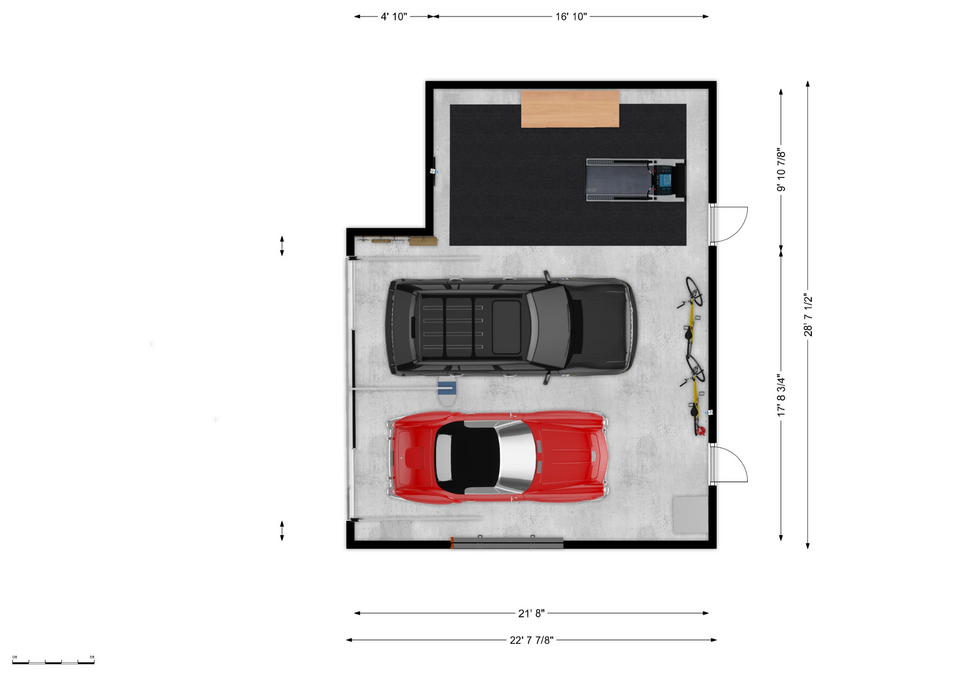
- 22×22 feet: Two large SUVs, bikes, and a workbench.
- 24×24 feet: Two trucks, bikes, tool cabinets, and overhead storage.
A real-world example: If you have a Honda Civic and a Toyota RAV4, a 20×20 feet garage will fit both, but not with much extra room. If you have a Ford F-150 and a Chevrolet Tahoe, a 24×24 feet garage is safer.
Mistakes Beginners Often Make
Many first-time buyers or builders underestimate garage size needs. Here are common mistakes:
- Choosing the minimum size to save money, then struggling with storage.
- Not considering car door swing: If the space is too tight, you can’t open doors fully.
- Ignoring storage: Forgetting bikes, tools, or sports gear.
- Not planning for future needs: Buying a small garage, then getting a larger vehicle later.
A smart tip: Always add 2-4 feet more than you think you need. Space is easy to fill, but hard to create later.
How To Measure Your Space
Before building or buying, measure:
- The width and length of your cars (with mirrors out).
- The width of your driveway and garage opening.
- The available area in your lot or property.
Leave at least 2 feet of space on each side of the car for opening doors.
Custom Vs. Prefab Garages
Custom garages can be built to any size. Prefab (pre-made) garages often come in standard sizes.
Prefab sizes: Usually 20×20, 22×22, or 24×24 feet.
Custom garages: Can be made larger, with special features like extra storage, higher ceilings, or windows.
If you have a special need (like a workshop or tall vehicles), custom is the way to go.
Building Codes And Regulations
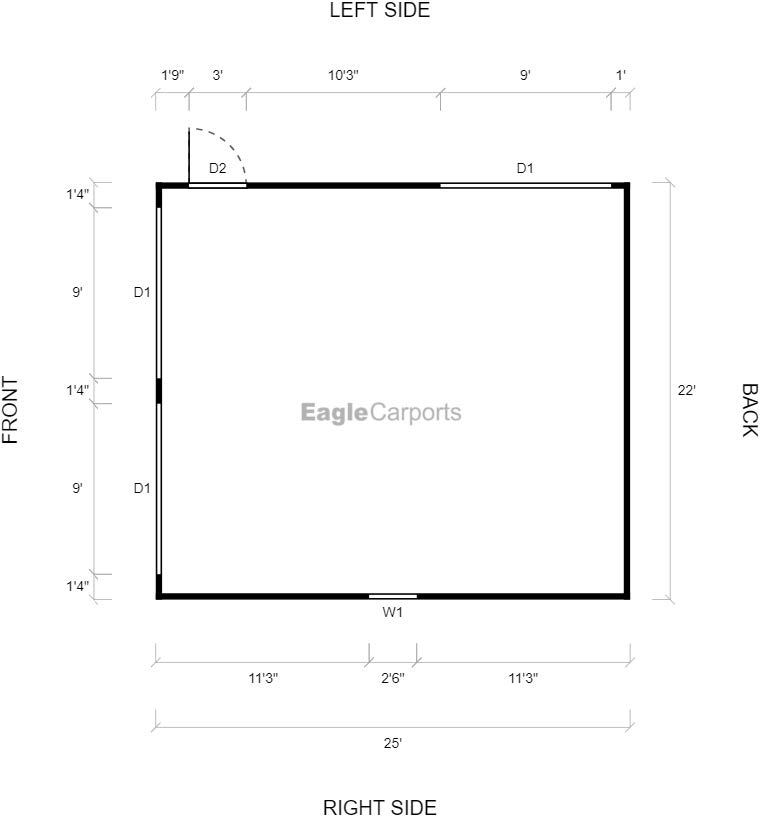
Before building, check local codes. Many cities require:
- Minimum setback from property lines (usually 5-10 feet).
- Maximum height.
- Limits on total square footage.
Always get a building permit. Some areas have rules about garage doors facing the street, too.
More information on building codes can be found at the National Association of Home Builders.
Credit: www.eaglecarports.com
Tips For Planning The Perfect 2 Car Garage
Here are some things to consider for a beginner-friendly garage:
- Go larger if possible: Extra space is always useful.
- Plan for storage: Add shelves or cabinets in the design.
- Think about entry doors: A side door makes access easier.
- Consider lighting: Good overhead lighting helps with projects.
- Insulate the garage: Keeps it warmer in winter, cooler in summer.
How Much Does A 2 Car Garage Cost?
Costs vary by location, materials, and size. On average:
- Prefab 2 car garage: $15,000 to $25,000
- Custom built: $25,000 to $40,000 or more
Adding extra features (windows, insulation, electricity) will increase the price.
Can You Fit More Than Cars?
Many people use their 2 car garage for:
- Tools and workbenches
- Freezers or refrigerators
- Workout equipment
- Hobby spaces
If you plan to use your garage for more than just cars, go for a larger size.
Frequently Asked Questions
How Wide Is A 2 Car Garage?
The most common width is 20 to 24 feet. Standard is 20 feet, but 22 or 24 feet gives more comfort for side storage and walking space.
How Deep Should A 2 Car Garage Be?
Standard depth is 20 to 24 feet. If you have longer vehicles (like trucks), choose 22 or 24 feet for easier parking and access.
Can A 2 Car Garage Fit Two Trucks?
It depends on the garage size. For two full-size trucks, a 24×24 feet garage is recommended. Smaller garages will be very tight or not fit at all.
What Is The Minimum Size For A 2 Car Garage?
The absolute minimum is 18×20 feet, but this is only for two compact cars with no extra storage. Most experts recommend at least 20×20 feet.
Is It Better To Have One Double Door Or Two Single Doors?
Both options work. A double door (16 feet wide) is common for easy entry and less wall space. Two single doors offer more flexibility but need a wider garage.
A well-planned 2 car garage makes daily life easier and keeps your vehicles safe. Take time to measure, consider your needs, and don’t be afraid to go a bit bigger. Your future self will thank you for the extra space and comfort.