
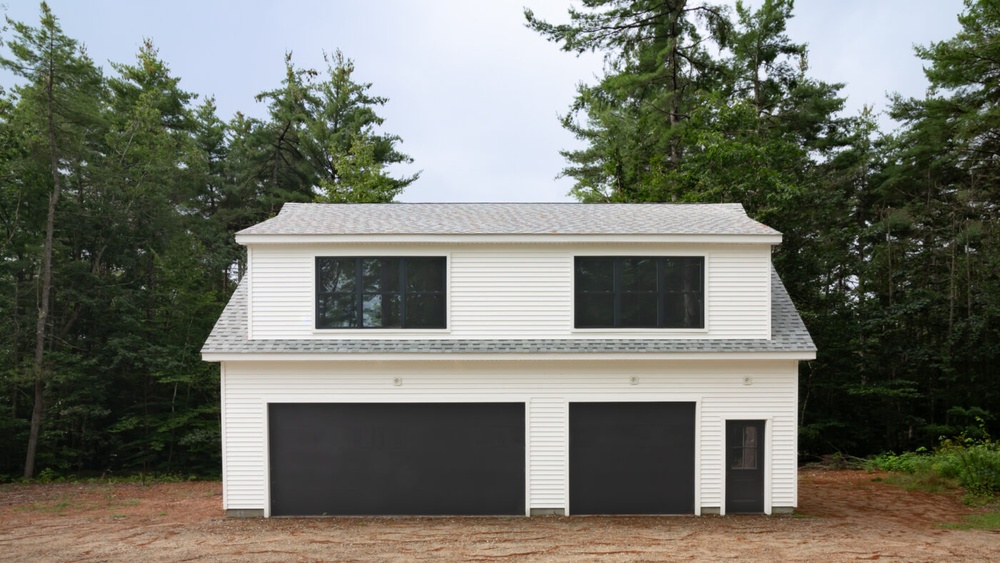
Building a new garage can change how you use your home. It offers storage, protects your car, and can even add value to your property. But before you start, it’s smart to ask: How much does it cost to build a garage? The answer depends on many factors, and costs can vary widely. This guide explains what drives garage costs, gives real price examples, and helps you plan your project step by step—without confusing jargon.
What Affects The Cost To Build A Garage?
Many things impact how much you’ll pay for a new garage. Here are the main factors:
- Size: A bigger garage costs more in materials and labor.
- Type: Attached garages use an existing wall, making them cheaper. Detached garages need more foundation and walls.
- Materials: Concrete, wood, steel, and siding all have different prices.
- Location: Labor costs and permit fees change by state and city.
- Features: Adding windows, insulation, or electrical work raises the price.
- Finishing touches: Paint, storage, and other upgrades also affect the cost.
Beginners often overlook permit fees and site preparation costs. These can add thousands to your budget.
Average Garage Construction Costs
Let’s look at typical costs for a new garage in the US. These numbers are national averages for 2024.
Cost By Garage Size
| Garage Size | Average Cost Range | Common Use |
|---|---|---|
| Single-car (12×20 ft) | $14,000 – $24,000 | One vehicle, storage |
| Two-car (24×24 ft) | $22,000 – $40,000 | Two vehicles, storage |
| Three-car (36×24 ft) | $35,000 – $60,000 | Three vehicles, large workspace |
Example: Building a basic 2-car garage (24×24 feet) with no extras usually costs between $25,000 and $35,000.
Cost By Garage Type
| Type | Typical Cost | Details |
|---|---|---|
| Attached | $50 – $110 per sq. ft. | Shares wall with house, cheaper foundation |
| Detached | $65 – $140 per sq. ft. | Separate building, more site work |
Tip: An attached garage is often 10-20% cheaper than a detached one.
Main Cost Elements Explained
Understanding the main parts of garage costs helps you control your budget. Here’s what you’re really paying for:
Foundation
- Most garages need a strong concrete slab.
- Cost: $4 – $10 per square foot.
- Heavier garages (or those with rooms above) need thicker, more expensive slabs.
Framing And Walls
- Wood framing is common and affordable.
- Steel is stronger but costs more.
- Siding adds extra cost—vinyl is cheapest, brick is most expensive.
Roof
- Basic asphalt shingles are cheapest.
- Metal roofing is durable but pricier.
- Complex roof shapes (like hip or gable) add labor costs.
Garage Door
- Standard single doors: $600 – $1,500.
- Double doors: $1,200 – $2,500.
- Automatic openers: $300 – $700 extra.
Electrical And Lighting
- Basic wiring (lights, outlets): $1,000 – $2,000.
- Upgrades (EV charger, heavy tools): More expensive.
Insulation And Finishes
- Not all garages need insulation.
- Insulation: $1 – $3 per square foot.
- Finished walls (drywall, paint): $2 – $6 per square foot.
Permits And Inspections
- Cities require building permits.
- Fees: $300 – $1,500, depending on location.
- Inspections add time and may require changes.
Many homeowners forget to budget for insulation and permits. These can add 10-15% to the total cost.
Choosing Between Attached And Detached Garages
Picking the right type of garage affects your budget and daily life.
Attached Garage
- Pros: Cheaper, easy access to house, less site work.
- Cons: More noise in your home, harder to add if your house layout is not suitable.
Detached Garage
- Pros: Flexible location, can add living space above, less noise and fumes in your house.
- Cons: More expensive, often needs extra driveway, may require more permits.
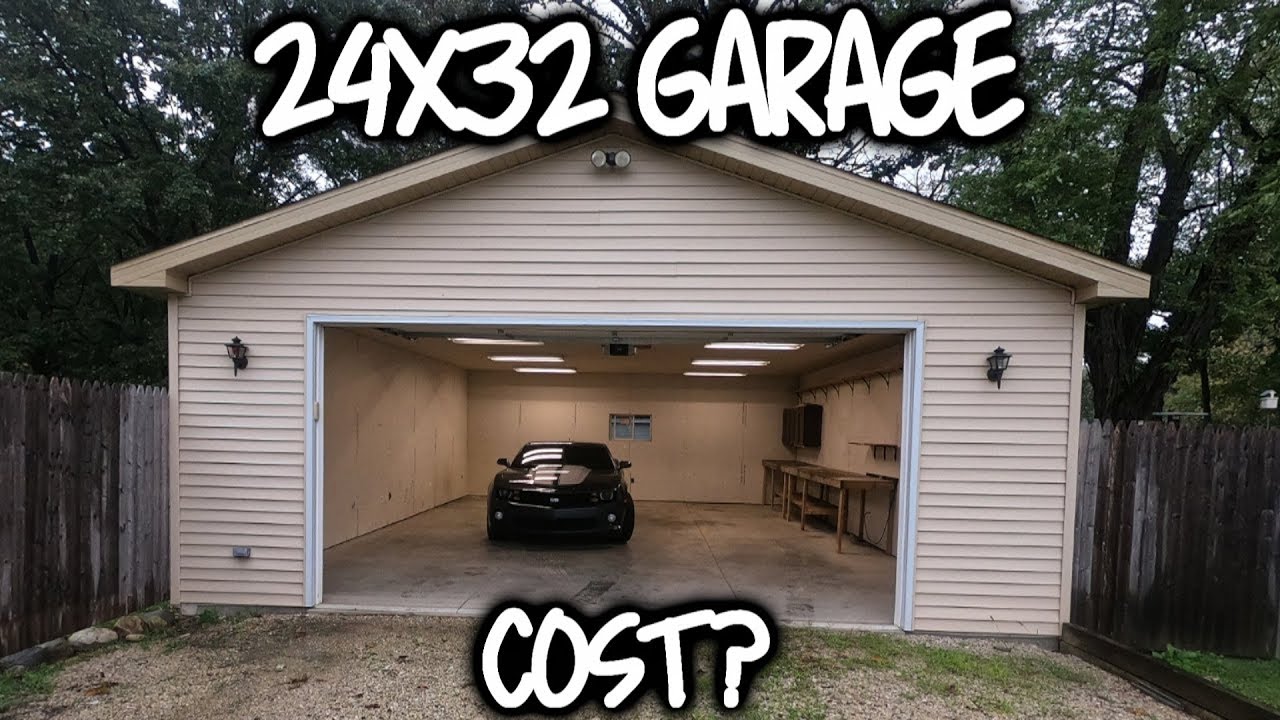
Example: If your home is older, building a detached garage could save you from expensive changes to your main house.
Credit: www.youtube.com
Common Upgrades And Their Costs
Many homeowners add upgrades to make their garage more useful:
- Windows: $250 – $700 each, adds light.
- Insulated doors: $300 – $800 extra, saves energy.
- Workbenches or cabinets: $500 – $2,500 depending on quality.
- Heating: $1,500 – $4,000 for a small unit.
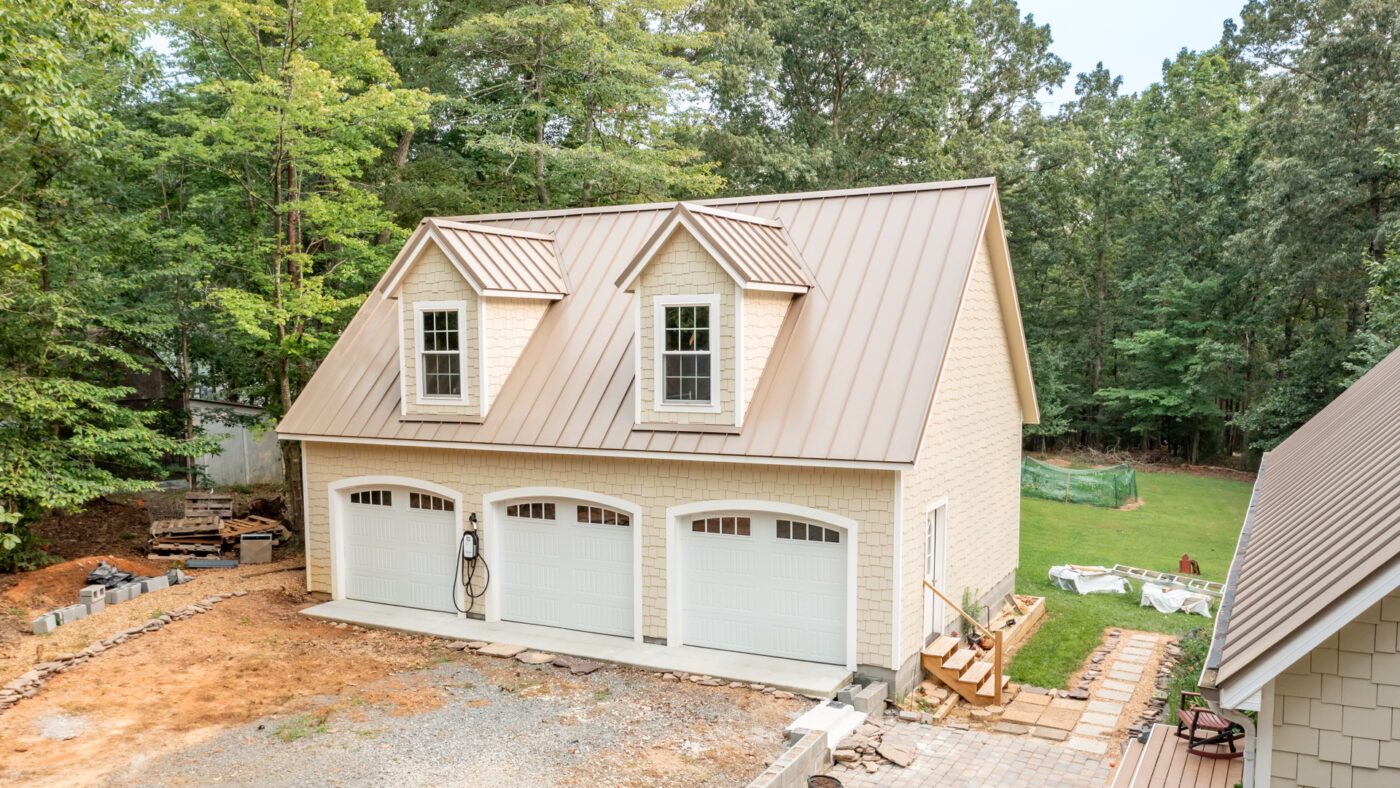
- Living space above: $30,000 – $80,000 (like a studio apartment).
- EV charger: $500 – $2,000 installed.
Upgrades can double the price of a basic garage. Always set your must-haves before you start.
Site Preparation And Hidden Costs
Before building, the land must be ready.
- Clearing trees or rocks: $500 – $3,000.
- Leveling ground: $1,000 – $4,000.
- Soil tests: $200 – $1,000 (for drainage or stability).
- Connecting to utilities: $1,000 – $5,000 if not near your house.
Real example: If your property is sloped or has poor soil, site work can be 20% of the total cost.
Beginners often forget about utility lines. If you need to run water or power across your yard, plan for extra cost.
How To Save Money When Building A Garage
You can control costs with smart planning. Here are practical tips:
- Choose a standard size and shape. Custom designs cost more.
- Build in spring or fall. Labor is often cheaper and weather is better.
- Do some work yourself. Painting or basic cleanup can cut labor bills.
- Limit upgrades. Focus on essentials, add extras later if budget allows.
- Get multiple quotes. Contractors’ prices can vary by thousands.
Diy Vs. Hiring A Contractor
Building a garage yourself can save money, but it’s a big job.
Diy
- Save 20-40% on labor.
- Need strong skills (framing, concrete, wiring).
- Must get permits, pass inspections yourself.
- Mistakes can be costly.
Contractor
- Handles permits, inspections, and project management.
- Work is usually faster and covered by warranty.
- More expensive but less stress.
For most beginners, hiring a pro is safer. DIY is best for those with construction experience.

Credit: www.youtube.com
Real-world Example: Cost Breakdown For A Two-car Garage
Let’s break down costs for a 24×24 ft (576 sq. ft) two-car attached garage in the Midwest:
- Site prep: $2,000
- Concrete slab: $4,600
- Framing and roof: $10,000
- Siding and exterior: $5,000
- Garage doors and opener: $2,200
- Electrical: $1,500
- Insulation and drywall: $2,500
- Permit and fees: $800
- Total: $28,600
This is for a basic garage. Upgrades like windows or heating will add to the cost.
Financing And Adding Value
Many people wonder if a garage is worth the money.
- Home value: A new garage can add 70-80% of its cost to your home’s value, especially in cold climates or areas with limited street parking.
- Financing: Home equity loans, lines of credit, or cash savings are common ways to pay.
- Insurance: Your property insurance may increase slightly.
Tip: Talk to a real estate agent before building if you plan to sell soon. Some upgrades may not give a good return.
Common Mistakes To Avoid
- Underestimating costs: Always add 10-15% to your budget for surprises.
- Skipping permits: Unpermitted work can lead to fines or problems selling your home.
- Poor drainage: Water damage can ruin your garage.
- Overbuilding: Don’t add expensive features you won’t use.
- Not planning for future needs: Think about how you might use the garage in five years.
Beginners often skip drainage planning. Standing water ruins floors and attracts pests.
When Is A Garage Not A Good Investment?
A new garage is not always the right choice.
- If you already have enough parking or live in a low-value area, costs might outweigh benefits.
- If local building codes are strict, the process can be slow and expensive.
- If your budget is tight, consider a simple carport or shed instead.
Credit: shedsunlimited.net
Frequently Asked Questions
How Long Does It Take To Build A Garage?
A basic garage usually takes 2 to 4 weeks to build, from breaking ground to final inspection. Weather, permits, and upgrades can extend this timeline.
Can I Build A Garage On My Own?
It’s possible if you have strong construction skills, time, and understand local building codes. Most beginners hire a contractor to avoid mistakes and delays.
Do I Need A Permit To Build A Garage?
Yes, almost all US cities require permits for new garages. Contact your local building department for details and fees. Skipping permits risks fines and legal problems.
How Much Does A Garage Add To Home Value?
A new garage can increase your home value by 60-80% of the construction cost, especially in areas where parking is limited. Real estate agents can give you an estimate for your market.
Where Can I Find More Information On Garage Building Codes?
You can find detailed building code info at your city or county website. The International Residential Code is a common standard. For more details, visit the National Association of Home Builders.
Building a garage is a big investment, but it can add real value and everyday convenience to your life. Plan carefully, know your costs, and avoid common mistakes. That way, you’ll get a garage that fits your needs—and your budget.