
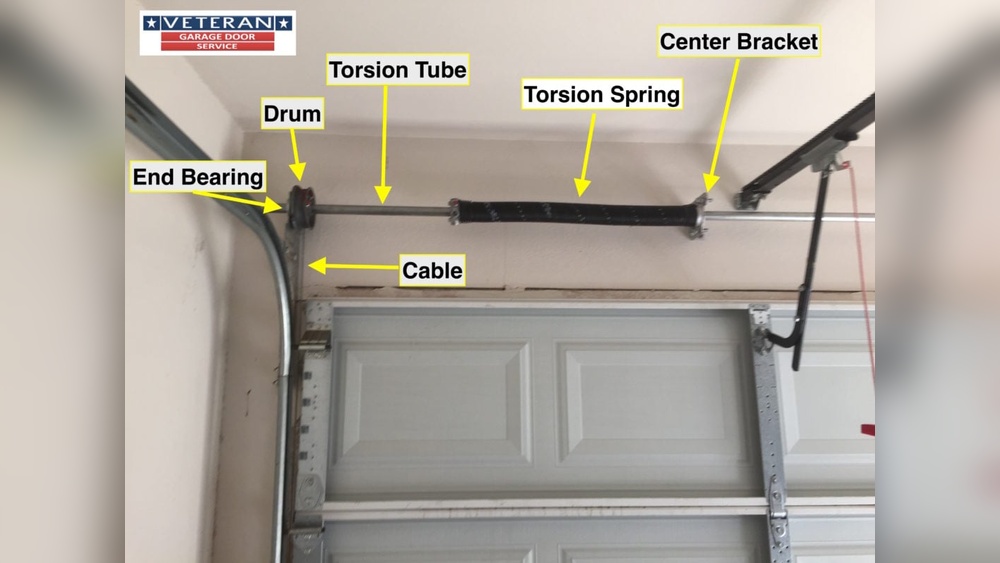
How Does A Garage Door Work
A garage door is one of the largest moving objects in a home. It protects your car and belongings, improves security, and adds to your home’s look. But have you ever wondered, “How does a garage door work? ” Many people use their garage doors every day but know little about the parts and systems that make them move smoothly.
If you’ve just bought a house or want to understand your home better, this guide will help.
You’ll learn how garage doors open and close, the main parts involved, and what makes each type different. We’ll use simple words, short paragraphs, and clear examples. By the end, you’ll be able to spot problems, talk to repair experts, and even do basic checks yourself.
Main Parts Of A Garage Door
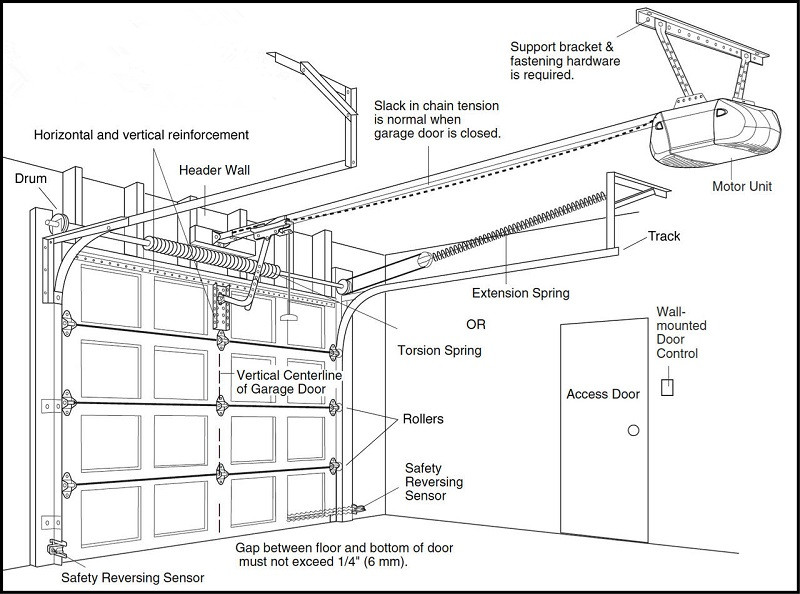
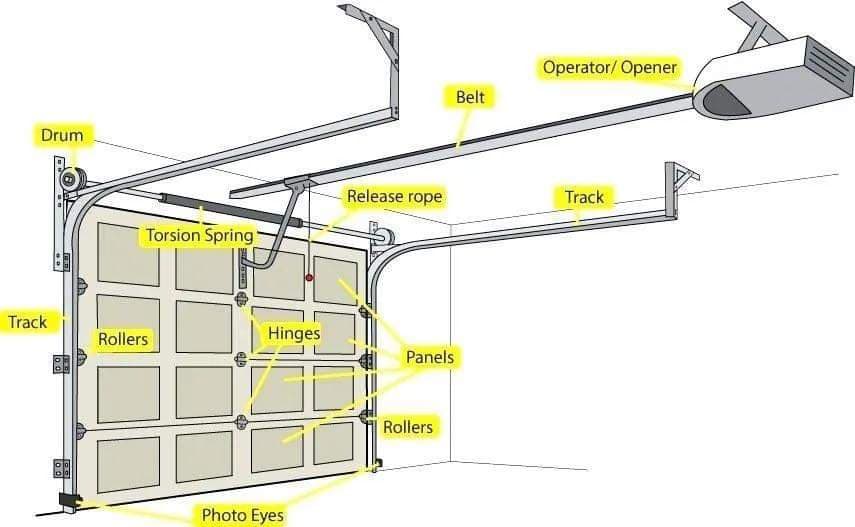
To understand how a garage door works, you need to know its main parts. Every garage door has several key components that work together.
- Door panels: The large sections that make up the door’s surface.
- Tracks: Metal guides on both sides. The panels roll along these tracks.
- Rollers: Small wheels that fit into the tracks. They help the door move up and down smoothly.
- Hinges: Connect the panels. Let the door bend as it opens.
- Springs: Take most of the door’s weight. Make it easy to lift.
- Cables: Help move the door, working with the springs.
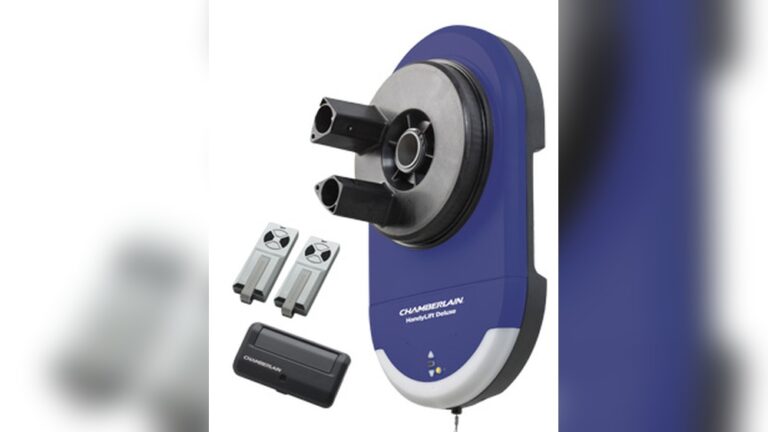
- Opener: The motor unit (if automated). It pulls or pushes the door.
- Sensors: Safety devices that stop the door if something is in the way.
All these parts must work well together. If one fails, the door may not open or close correctly.
How A Garage Door Opens And Closes
The way a garage door moves is simple but clever. Here’s what happens step by step:
- You press a button on your wall or remote.
- The garage door opener receives the signal and turns on the motor.
- The motor moves a chain, belt, or screw, which pulls the door along its tracks.
- As the door rises, springs (either torsion or extension) help by carrying most of the weight.
- Rollers keep the door steady as it slides up into the ceiling area.
- To close, the process reverses. The opener lowers the door, and the springs control the speed so it doesn’t slam down.
If the door is manual, you lift the handle, and the springs still help make the door light and easy to move.

Credit: localgaragedoors.co
Types Of Garage Door Springs
Springs are the most important safety part of a garage door. They do most of the hard work. There are two main types:
Torsion Springs
- Mounted above the door opening.
- When the door closes, the spring winds up and stores energy.
- As the door opens, the spring unwinds and releases energy to lift the door.
Extension Springs
- Located on both sides of the door, above the tracks.
- Stretch and contract as the door moves.
- Less smooth than torsion springs, but common in older homes.
Here’s a quick comparison:
| Feature | Torsion Springs | Extension Springs |
|---|---|---|
| Location | Above the door | Alongside the tracks |
| Lifespan | 15,000-20,000 cycles | 5,000-10,000 cycles |
| Safety | Safer, less likely to snap | Can break suddenly |
| Cost | More expensive | Less expensive |
Cycles refer to one complete open and close. Most families use their garage door 3-5 times a day, or over 1,000 cycles a year.
Garage Door Opener Systems
If your garage door opens with a button or remote, you have an automatic opener. These make life easier and safer.
There are three main types:
- Chain drive: Uses a metal chain, strong and affordable, but can be noisy.
- Belt drive: Uses a rubber belt, much quieter, good for attached garages.
- Screw drive: Uses a threaded rod. Fewer moving parts, but can be loud and less smooth.
Here’s a comparison:
| Opener Type | Noise Level | Maintenance | Cost |
|---|---|---|---|
| Chain Drive | Loud | Low | Low |
| Belt Drive | Quiet | Medium | Medium |
| Screw Drive | Medium | Low | Medium |
A garage door opener system also includes:
- Remote control: Lets you open or close the door from your car.
- Wall switch: Mounted inside the garage.
- Safety sensors: Stop the door if something blocks it. These use invisible beams across the door opening.
Safety Features
Modern garage doors have several safety features. These help prevent injuries and damage.
- Auto-reverse: If the door touches an object (like a car or child), it reverses direction.
- Photo-eye sensors: Send a beam across the bottom. If the beam is broken, the door won’t close.
- Manual release cord: Lets you open the door by hand during a power outage.
These features became standard after the 1990s, following safety rules set by the US Consumer Product Safety Commission.
Different Types Of Garage Doors
Garage doors come in several styles. Each works in a slightly different way.
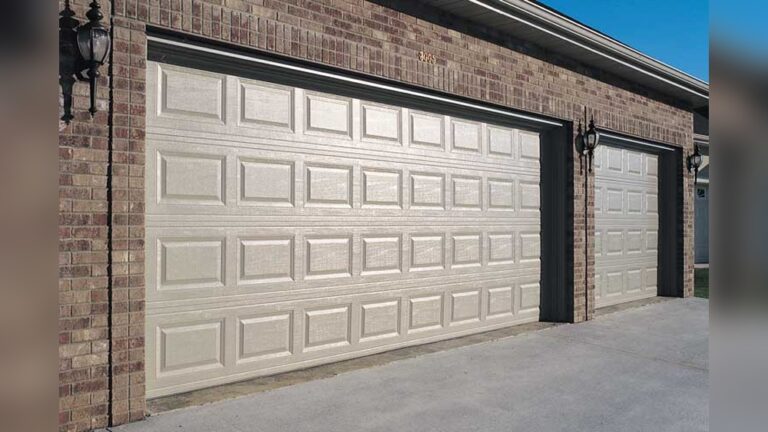
Sectional Doors
- Most common in the US.
- Made of panels that bend as the door moves.
- Opens up and back along tracks.
One-piece Tilt-up Doors
- Entire door tilts out and up as one piece.
- Needs space in front to open.
- Less common today.
Roll-up Doors
- Made of narrow slats that roll into a coil above the door.
- Used for commercial garages and storage units.
Side-hinged Doors
- Open like regular doors on hinges.
- Good for special designs or old homes.
Here’s a simple comparison:
| Type | Main Advantage | Main Drawback |
|---|---|---|
| Sectional | Space-saving, popular | More parts to maintain |
| Tilt-Up | Simple design | Needs space in front |
| Roll-Up | Compact, secure | More expensive |
| Side-Hinged | Classic look | Manual operation |
How The Balance System Works
A garage door is heavy—often between 100 and 300 pounds (45-135 kg) for residential doors. But a working door feels light because of the balance system.
- Springs are wound with enough tension to balance the door’s weight.
- If the system is balanced, you can lift the door with one hand.
- If the door feels heavy, the springs are worn or broken.
Practical tip: To test the balance, disconnect the opener (pull the red release cord). Lift the door halfway. If it stays, the balance is good. If it falls, call a technician.
Common Problems And Solutions
Even well-made doors have issues over time. Here are a few examples:
- Door sticks or squeaks: Tracks may need oil, or rollers are worn.
- Door won’t open/close: Remote batteries dead, sensors blocked, or opener motor problem.
- Door feels heavy: Springs may be failing.
- Door opens unevenly: Cables might be off or springs broken.
Important: Never try to fix springs yourself. They are under high tension and can cause injury. Always call a professional.
Credit: www.bestardoors.com
Energy Efficiency And Insulation
Many garage doors have insulation inside. This helps:
- Keep the garage cooler in summer and warmer in winter.
- Save energy if your garage is attached to your house.
- Reduce noise from outside.
Insulated doors are rated by R-value (higher is better). For homes in cold or hot climates, an R-value of 10 or more is recommended.
Smart Garage Door Technology
Modern garage doors can connect to your phone or smart home system. With a smart opener, you can:
- Open or close the door from anywhere.
- Get alerts if the door is left open.
- Allow deliveries when you’re not home.
These systems add convenience and extra security. For more on smart garage door systems, see this Wikipedia guide.
Maintenance Tips For Homeowners
You don’t have to be an expert to keep your garage door working well. Try these steps every 6 months:
- Check the balance: Lift the door by hand (see above).
- Lubricate moving parts: Use garage door spray on rollers, hinges, and springs.
- Test safety features: Place a block in the door’s path. It should reverse.
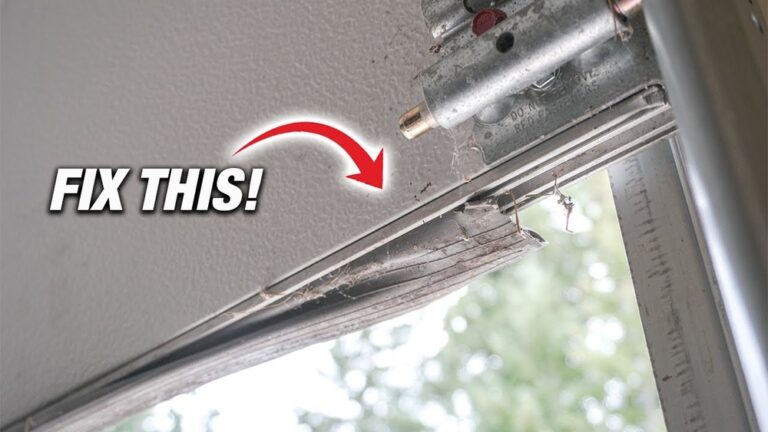
- Inspect cables and springs: Look for rust, fraying, or gaps.
- Clean tracks: Remove dust and debris.
Regular checks can add years to your door’s life and help you spot problems early.
Real-world Example
Imagine you have a sectional garage door with a chain drive opener. You press your remote, and the opener’s motor pulls the chain. The door panels bend at each hinge as they rise along the tracks. Torsion springs above the door help lift most of the weight, so the opener doesn’t work too hard.
If the door starts to squeak, you check the rollers and add some lubricant. If the door won’t close, you see that a toy is blocking the safety sensor beam. You remove the toy, and the door works again.
This simple example shows how all the parts work together and what you can do if there’s a problem.
Credit: your-garage-door-guy.com
Non-obvious Insights For Beginners
Most beginners miss these key points:
- Springs, not the opener, do the heavy lifting: Many people think the motor does all the work. In fact, the springs make the door light. The opener just moves it.
- Safety sensors save lives: If your door won’t close, always check the sensors first. Dust, spider webs, or small objects can block the beam.
- Balanced doors last longer: A door that’s too heavy wears out the opener and other parts faster.
Frequently Asked Questions
How Long Does A Garage Door Usually Last?
Most garage doors last 15-30 years if maintained well. Openers last about 10-15 years. Using the door more often, or poor maintenance, can shorten this time.
Is It Safe To Replace Garage Door Springs Myself?
No. Garage door springs are under very high tension. DIY repairs can cause serious injury or death. Always call a trained technician.
Why Does My Garage Door Make Noise?
Common reasons include dry rollers, loose hardware, or an old opener. Adding lubricant to moving parts can help. If the noise continues, have a professional inspect it.
Can I Make My Old Garage Door Smart?
Yes. You can add a smart garage door controller to many older openers. These devices connect to Wi-Fi and let you control the door with your phone.
What Is The Best Way To Maintain My Garage Door?
Check the balance twice a year, lubricate moving parts, test the safety sensors, and inspect springs and cables for damage. Call a professional for repairs.
Understanding how a garage door works helps you keep your home safe and your door running smoothly. With the right care, your garage door will last for many years and protect what matters most.