
If you walk into your garage and smell gasoline, you are not alone. Many homeowners notice this strong odor at some point. But is it just annoying, or is it dangerous? Understanding why your garage smells like gas and what you should do can protect your health, safety, and property value. Let’s explore the causes, risks, and solutions for a gas smell in your garage.
Why A Gasoline Smell In The Garage Matters
A gasoline odor is more than a simple nuisance. Gas fumes contain chemicals like benzene, which can cause headaches, dizziness, or even long-term health issues. More importantly, gas vapors are flammable. In the right conditions, even a small spark can ignite fumes, leading to a fire or explosion.
According to the National Fire Protection Association, garages are a top location for house fires caused by flammable liquids. Data shows that about 6,600 residential garage fires happen in the US each year, with many linked to gasoline or oil storage. Ignoring that smell is not worth the risk.
Common Reasons Your Garage Smells Like Gas
Understanding the source of the smell helps you solve it quickly. Here are the most frequent causes:
- Car Leaks
- Cars can leak fuel from the tank, fuel lines, or injectors.
- Older cars are more likely to develop leaks, but even new vehicles can be affected by damage or bad repairs.
- Look for wet spots or stains under your car.
- Gas-Powered Equipment
- Lawn mowers, snow blowers, chainsaws, and other tools often use gasoline.
- Leaky gas caps, cracked tanks, or spilled fuel can release strong odors.
- Small drips go unnoticed but add up over time.
- Gasoline Storage
- Many people keep spare gas in red containers for emergencies or equipment.
- Old or poorly sealed containers can let vapors escape.
- Storing containers near heat sources increases the risk.
- Spilled Gasoline
- Even a small spill leaves a strong smell for days.
- Concrete absorbs gasoline, holding the odor longer than you expect.
- Not cleaning spills properly allows fumes to linger.
- Faulty Garage Drains or Floor Sumps
- Sometimes gasoline finds its way into floor drains or sumps.
- The smell can come back up, even if the original spill is gone.
- Other Stored Items
- Paint thinners, solvents, or cleaning chemicals can have similar smells.
- Sometimes these are mistaken for gasoline.
How To Find The Source Of Gasoline Smell
Finding the real cause is key. Here’s how to do a simple check:
- Inspect Under Vehicles: Look for puddles, stains, or drips under your car, mower, or other equipment.
- Check Gas Cans: Smell around your gas containers. If the odor is strongest there, check for cracks or loose lids.
- Look for Spills: Examine the floor for dark, oily patches. Gasoline evaporates, but stains often remain.
- Test Other Chemicals: Open paint or solvent containers briefly. Sometimes, these mimic gas odors.
- Check Floor Drains: Get close to your garage drain or sump. If the smell is strong, it could be trapped inside.
Here’s a quick comparison of common sources and where to look:
| Source | Where to Check | Signs to Notice |
|---|---|---|
| Car or Truck | Under engine and tank | Wet spots, strong odor |
| Gas-Powered Tools | Around storage area | Drips, cracked cases |
| Gas Containers | Container seams and caps | Loose lids, liquid on surface |
| Floor/Drain | Near drains, sumps | Persistent smell, dampness |
Health And Safety Risks
A gasoline smell is more than just unpleasant. It poses several risks:
- Fire Hazard: Gasoline vapors catch fire easily. Any spark (from tools, switches, or even static electricity) can ignite them.
- Health Effects: Breathing gas fumes can cause headaches, nausea, or dizziness. Long-term exposure to chemicals like benzene increases cancer risk.
- Air Quality: Gas fumes lower indoor air quality. This is risky if your garage is attached to your home, as fumes can seep inside.
Real Example
A family in Illinois stored an old lawn mower in their attached garage. They noticed a faint gas smell but ignored it. Days later, a water heater pilot light ignited gas vapors, causing a fire that damaged their home. This shows why even a small, lingering smell should be taken seriously.
What To Do Immediately If You Smell Gas
If you notice a strong gasoline smell in your garage:
- Ventilate the Area
- Open all doors and windows.
- Use a fan to blow air out, not in.
- Do not turn on any electrical switches, as sparks can ignite fumes.
- Remove Ignition Sources
- Turn off any heaters, pilot lights, or open flames nearby.
- Avoid using power tools until the smell is gone.
- Find and Stop the Leak
- If safe, locate the source using the steps above.
- Move leaking items outside, away from the house.
- Call for Help if Needed
- If you can’t find the source, or if the odor is very strong, call your local fire department or utility company.
- Do not take risks with strong gas smells.
How To Clean Up Gasoline Spills In The Garage
Cleaning up properly prevents lasting odors and hazards. Here are the steps:
- Absorb the Spill
- Use cat litter, sand, or baking soda to soak up fresh spills.
- Let it sit for several hours.
- Sweep Up Material
- Carefully scoop up the used absorbent and place it in a sealable bag.
- Clean the Stain
- Mix warm water with a small amount of dish soap.
- Scrub the area with a stiff brush.
- Rinse with clean water and dry with towels.
- Dispose of Waste Properly
- Do not throw gas-soaked material in household trash.
- Contact your local hazardous waste facility for safe disposal.
- Check for Lingering Odor
- If the smell remains, repeat cleaning or use a commercial degreaser.
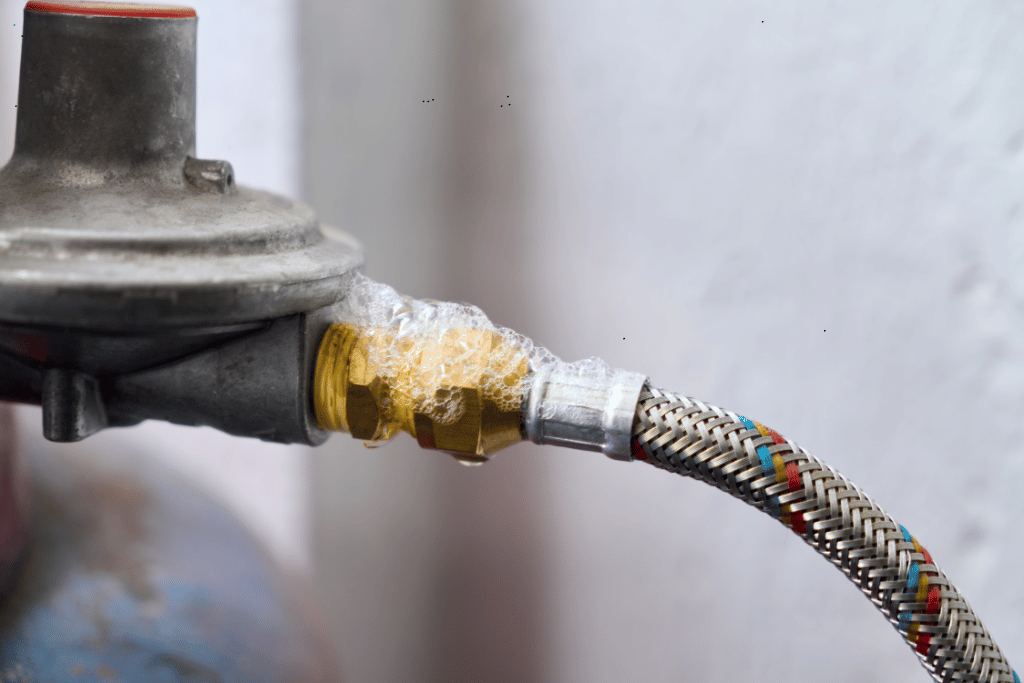
Credit: jmkcontractor.com
How To Prevent Gasoline Odors In Your Garage
Prevention is easier than dealing with a problem. Use these tips:
- Store Gasoline Safely
- Use only approved, sealed containers.
- Keep containers off the floor, away from direct sunlight or heat.
- Store no more than you need (usually 1–2 gallons for equipment).
- Maintain Vehicles and Equipment
- Fix fuel leaks right away.
- Run engines dry before storing for the winter.
- Clean up spills immediately.
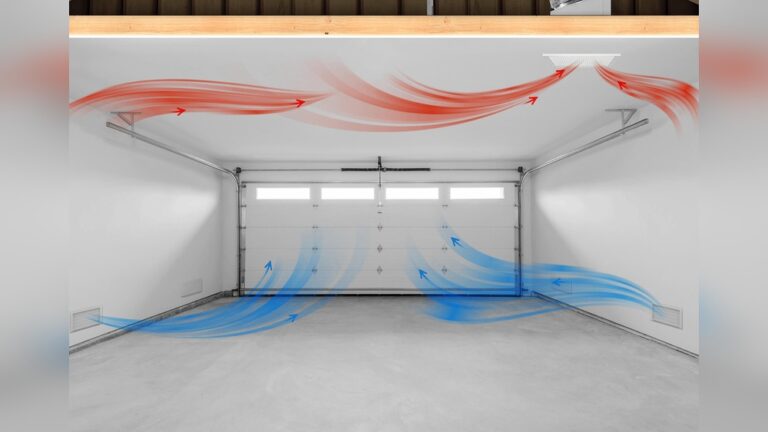
- Improve Garage Ventilation
- Install vents or use a portable fan.
- Avoid blocking air flow with boxes or tools.
- Check Regularly
- Inspect stored items monthly for leaks or cracks.
- Test for odors after using equipment.
Here’s a simple table to compare safe vs. unsafe gasoline storage:
| Safe Storage | Unsafe Storage |
|---|---|
| Sealed, approved containers | Old, cracked, or open containers |
| Stored away from heat | Near water heaters or appliances |
| Small amounts | Large, unneeded quantities |
| Elevated off floor | Directly on concrete |
When To Call A Professional
Some situations need expert help:
- You Can’t Find the Source: If the smell is strong and you can’t locate it.
- Car Repairs Needed: If your car is leaking fuel, see a mechanic.
- Major Spills: If a large amount (over a quart) is spilled, call your local fire department or hazardous materials team.
- Health Symptoms: If you feel dizzy, nauseous, or get headaches, leave the area and seek medical help.
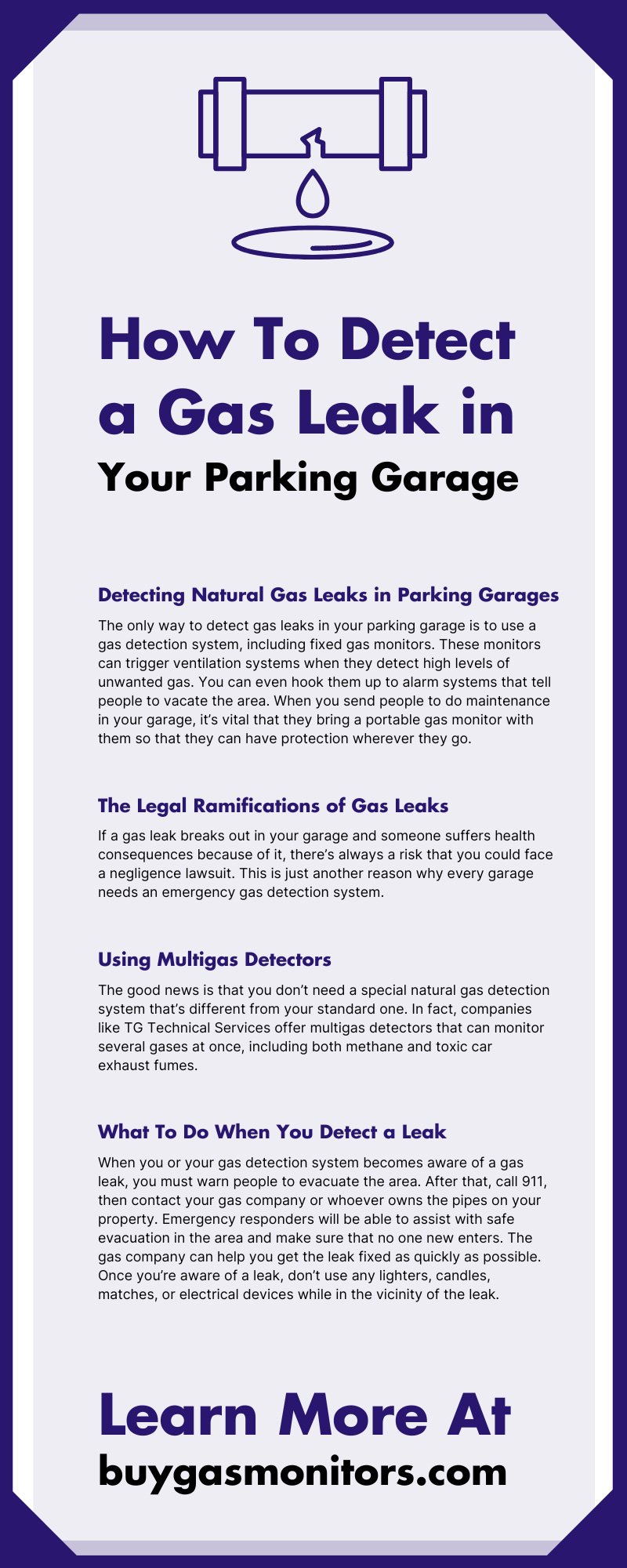
Credit: www.buygasmonitors.com
Common Mistakes Beginners Make
Even well-meaning homeowners make errors. Here are some pitfalls to avoid:
- Ignoring Small Spills: Even tiny spills add up, especially on concrete.
- Using Any Container: Only use containers labeled for gasoline. Old milk jugs can leak or burst.
- Storing Too Much Gas: More gas means more risk. Only keep what you need.
- Improper Disposal: Never pour gas down a drain or onto the ground.
- Not Ventilating: Closing windows traps fumes, making things worse.
Non-obvious Insights For Beginners
Many new homeowners miss these points:
- Gasoline Fumes Are Heavier Than Air: Vapors sink to the floor, collecting in low spots. This makes floor drains and sumps extra risky for fume buildup.
- Odor Can Travel: In attached garages, fumes often leak into the house. If you smell gas indoors, act fast—it’s a sign the problem is spreading.
- Old Gasoline Smells Worse: Gasoline breaks down over time and releases stronger, more unpleasant odors. Always use fresh gas for storage.
Practical Tips To Keep Your Garage Fresh
- Use activated charcoal pouches to absorb lingering odors.
- Place a box of baking soda in the garage to help control smells.
- Seal cracks in your garage floor to prevent liquid from soaking in.
- Label all containers and check expiration dates on chemicals.
Frequently Asked Questions
Why Does My Garage Smell Like Gas Even If I Don’t Store Gasoline?
Many cars, mowers, and tools have small leaks you may not see. Sometimes, old spills in the concrete or fumes from solvents are mistaken for gasoline. Always check your vehicle and stored equipment, even if you don’t keep gas cans.
Is It Safe To Sleep In A Room Above A Garage That Smells Like Gas?
No. Gasoline fumes can rise and enter living spaces, especially in older homes. Benzene and other chemicals are harmful, even in small amounts. Always fix the problem before spending time above a smelly garage.
How Long Does A Gas Smell Last After A Spill?
A small spill can leave an odor for several days to a week, especially on concrete. Cleaning thoroughly and ventilating helps the smell fade faster. If the odor lasts longer, you may need professional cleaning.
Can A Carbon Monoxide Detector Sense Gasoline Fumes?
No. Carbon monoxide detectors are not designed to detect gasoline vapors. For gas leak detection, use a dedicated combustible gas detector or rely on your nose and common sense.
Who Do I Call If I Can’t Get Rid Of The Gas Smell?
If you cannot find or fix the source, call your local fire department or a licensed garage safety inspector. They can help you locate hidden leaks and ensure your home is safe.
A gasoline smell in your garage is a warning sign you should never ignore. By finding the source, cleaning up safely, and making a few changes to how you store and use fuel, you can protect your health and your home. If you ever feel unsure, it’s always better to be safe and ask for help. For more on garage safety and fire prevention, visit the National Fire Protection Association.

Credit: www.forestdoor.com