
Balancing a garage door is a critical part of home maintenance that many homeowners overlook. When a garage door is out of balance, it can cause noise, shorten the life of the opener, and even become a safety risk. The good news?
With basic tools and a clear process, you can check and adjust the balance of your garage door yourself. This guide explains each step, gives practical examples, and shares tips for beginners who want to ensure their garage door works safely and smoothly.
Why Garage Door Balance Matters
A garage door may look simple, but it is a heavy moving object. Most single doors weigh 130–180 pounds (59–82 kg), while double doors can be over 350 pounds (159 kg). The springs do the heavy lifting, helping you open the door with little effort. If the door is unbalanced, the opener and springs work harder, leading to:
- Faster wear and tear on components
- Risk of the door falling suddenly
- Higher energy bills (if the door doesn’t close tightly)
- Possible injury or property damage
Even a small imbalance can cause big problems over time. According to the International Door Association, about 70% of garage door failures are due to spring or balance issues.
Signs Your Garage Door Is Unbalanced
Not sure if your garage door is out of balance? Look for these warning signs:
- The door looks crooked when opening or closing.
- It’s hard to lift manually or feels much heavier than usual.
- The door slams shut or shoots up quickly.
- There are gaps under the door when closed.
- The opener strains or makes loud noises.
Tip: If you notice any of these, stop using the automatic opener until you check the balance. Continuing to use it could lead to more damage or a broken opener.

Credit: www.youtube.com
Tools And Safety Precautions
Before you start, gather these basic tools:
- A sturdy ladder (for reaching springs and tracks)
- Adjustable wrench or socket set
- Flathead screwdriver
- Gloves and safety glasses
- Tape measure
Important: Garage doors have high-tension springs that can be dangerous. If you’re unsure or see damage, call a professional. Never attempt to adjust torsion springs without experience. This guide focuses on basic balance checks and minor adjustments suitable for beginners.
Understanding Garage Door Spring Types
Garage doors use two main types of springs. Knowing which you have helps you follow the right balance steps.
| Spring Type | Location | Common on | Beginner-Friendly? |
|---|---|---|---|
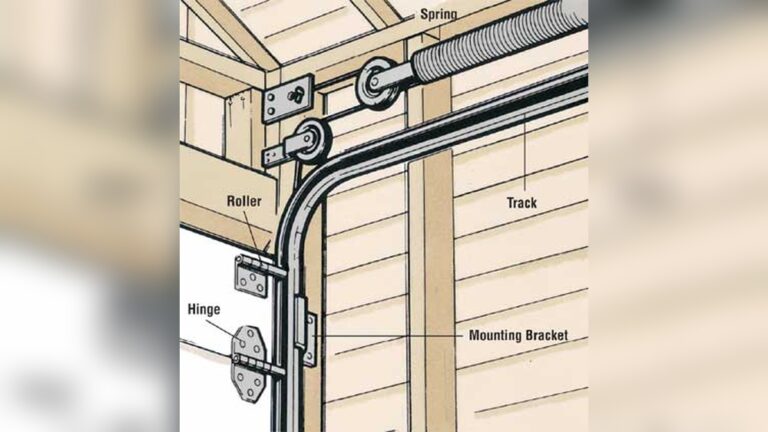
| Extension Springs | Above upper tracks (parallel to door sides) | Older/smaller doors | Yes, with caution |
| Torsion Springs | Mounted above the door opening (centered on header) | Most modern doors | No, needs pro help |
Extension springs are easier for DIY balance checks. Torsion springs are under much higher tension—adjustments should be done only by trained technicians.
How To Check Garage Door Balance
Testing the balance is a simple process. Here’s what you need to do:
- Close the garage door fully. Disconnect the opener by pulling the release handle (usually a red cord).
- Lift the door manually to about halfway (waist height). Let go carefully but stay close.
- Observe what happens:
- If the door stays in place, the balance is good.
- If it falls quickly, the springs are too weak.
- If it rises on its own, the springs are too strong.
- Open the door fully, then lower it slowly. Check for jerky movement, sticking, or unevenness.
Pro tip: Repeat the test a few times. Small changes in weather and temperature can affect spring performance.
Steps To Balance A Garage Door With Extension Springs
If you have extension springs and your door is only slightly out of balance, you can try to adjust the tension. Here’s a step-by-step guide:
- Identify the spring hook holes. Most extension springs are attached to a series of holes or notches on the track hanger.
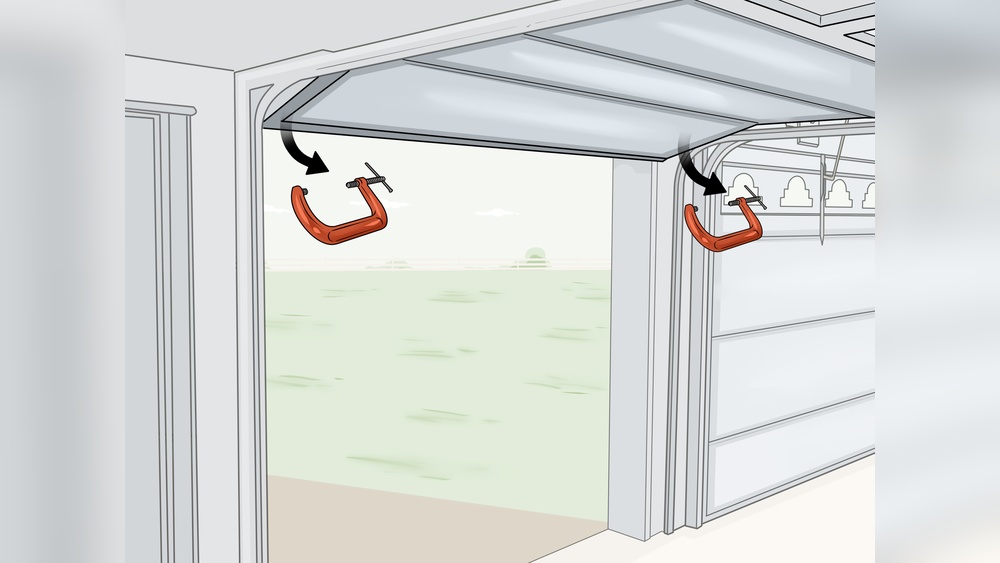
- Support the door. Place a clamp or locking pliers on the track under the bottom roller to hold the door in place.
- Move the spring hook. Using gloves and a wrench, move the hook to the next hole for more or less tension.
- Move to a further hole to increase tension if the door is falling.
- Move to a closer hole to reduce tension if the door is rising.
- Test the balance again. Raise and lower the door to see if the adjustment worked.
- Adjust both sides equally to keep the door level.
Note: Only move one hole at a time and check the effect. Small changes can make a big difference.

Credit: www.youtube.com
How To Balance A Garage Door With Torsion Springs
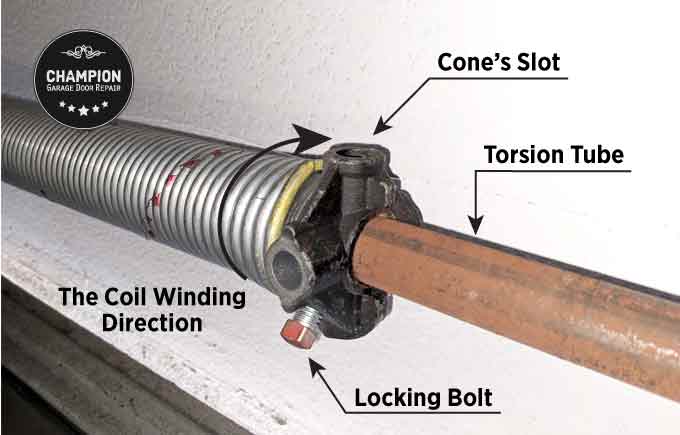
Beginners should never adjust torsion springs. However, you can still check the balance and know when it’s time to call a professional.
- If your door uses torsion springs (mounted above the door, center shaft), do not touch the springs or set screws.
- If the door is out of balance, contact a qualified garage door technician for adjustment.
Why? Torsion springs store a lot of energy. A sudden release can cause serious injury or death.
Common Mistakes To Avoid
Many first-timers make small errors that can lead to bigger problems. Here’s what to watch out for:
- Forgetting to disconnect the opener before testing balance—this can damage the opener.
- Adjusting only one side—this can make the door crooked or put stress on parts.
- Using the wrong tools—improvised tools can slip and cause injuries.
- Not checking both up and down movement—balance issues can appear in either direction.
- Ignoring strange noises—squeaks or grinding may signal other problems.
Credit: garagedoorchamp.com
How Often To Check Garage Door Balance
Routine checks keep your garage door safe. Most experts recommend checking the balance:
- Every 6 months (spring and fall)
- After any loud noise from the door mechanism
- If you notice the door moving differently
A balanced door lasts longer and keeps your family safe.
What To Do If Balance Can’t Be Corrected
Sometimes, basic adjustments don’t solve the problem. Here’s when you need a professional:
- The door remains heavy or hard to move
- Springs look stretched, broken, or rusty
- The door is crooked or comes off its track
- You have torsion springs
A technician can replace worn springs, realign tracks, or fix complex issues. Attempting to force repairs may cause more damage.
Safety Tips For Beginners
Garage door work involves heavy parts and high tension. Here’s how to stay safe:
- Always wear gloves and eye protection.
- Use a solid ladder on stable ground.
- Never adjust torsion springs yourself.
- Keep children and pets away during repairs.
- If unsure, get help from a certified pro.
Remember: Saving money is not worth risking injury.
Example: Balancing A 16-foot Garage Door
Let’s say you have a standard 16-foot double garage door with extension springs. It weighs about 350 pounds. After disconnecting the opener and lifting the door halfway, it drops quickly. This means the springs are too weak.
- Move each spring hook one hole further from the door to increase tension.
- Test again. If it stays in place, you’ve balanced it.
- If it’s still falling, repeat the process, one hole at a time.
Extra insight: Heavier doors often need spring replacement after 7–9 years or 10,000 cycles (one cycle = up and down).
Cost Of Professional Garage Door Balancing
If you need a technician, what can you expect to pay? Here’s a quick comparison:
| Service Type | Average Cost (USD) | What’s Included? |
|---|---|---|
| Basic balance check | $50–$80 | Inspection, minor adjustments |
| Spring adjustment | $80–$150 | Adjustment, lubrication, safety check |
| Spring replacement | $150–$350 | Parts, labor, warranty |
Tip: Always get a written quote and check reviews before hiring.
Maintenance Tips For Lasting Balance
Keeping your garage door balanced is not a one-time task. Here are simple steps to maintain it:
- Lubricate springs and rollers every 6 months
- Tighten loose bolts and brackets
- Keep tracks free of debris
- Check balance after storms or impacts
- Replace worn weatherstripping
Regular care prevents most balance problems.
When To Upgrade Springs
If your garage door is over 15 years old, or you use it many times daily, consider a spring upgrade. Modern springs last longer and make balancing easier. Look for:
- High-cycle springs (rated for 20,000+ cycles)
- Anti-rust coating for humid areas
- Professional installation for safety
Upgrading can add years to your garage door’s life.
Environmental Effects On Garage Door Balance
Did you know temperature and humidity can affect your garage door? Cold weather can make springs brittle, while heat can stretch them. If you notice balance issues during a certain season, weather could be the cause.
- In winter, springs may contract and lose tension.
- In summer, metal expands and springs can weaken.
If you live in a place with big temperature changes, check balance more often.
Final Thoughts
Balancing a garage door is a practical skill every homeowner should learn. It saves money, prevents accidents, and keeps your door working smoothly. For most beginners, regular checks and minor extension spring adjustments are safe and effective. If you have torsion springs or can’t correct a problem, call a professional.
With the right tools and a careful approach, you’ll keep your garage door in top shape for years.
For more technical details on garage door mechanics, visit the Wikipedia page on garage doors.
Frequently Asked Questions
How Do I Know If My Garage Door Is Out Of Balance?
If your garage door is hard to lift, closes too quickly, or looks uneven, it is likely out of balance. Testing by lifting the door halfway and seeing if it stays in place is the best method for homeowners.
Can I Balance A Garage Door Myself?
If your door uses extension springs, you can usually make minor adjustments yourself. However, if you have torsion springs or are unsure, it’s safer to call a professional.
How Often Should I Check My Garage Door Balance?
Check the balance at least twice a year, and after any unusual noises, movements, or weather events. Regular checks prevent expensive repairs.
What Are The Risks Of An Unbalanced Garage Door?
An unbalanced garage door can cause damage to the opener, wear out springs quickly, and may even fall suddenly, causing injury or property damage.
What Tools Do I Need To Balance A Garage Door?
Basic tools include a ladder, wrench, screwdriver, gloves, and safety glasses. Never attempt to adjust high-tension torsion springs without proper training.
With these steps and tips, you can confidently handle garage door balance checks and basic adjustments, keeping your home safe and your door in perfect working order.