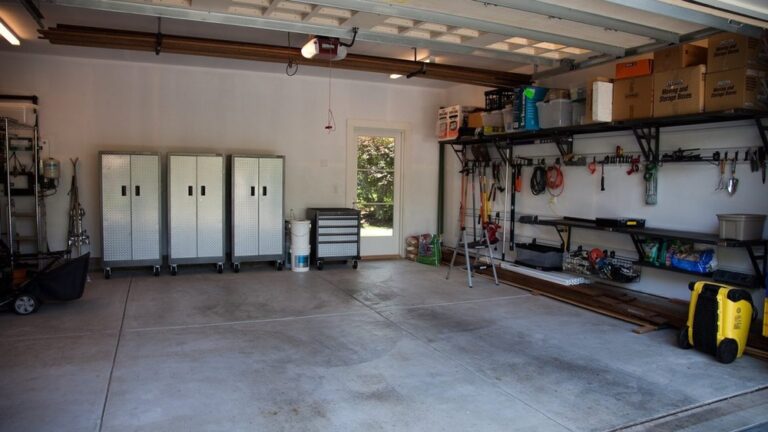

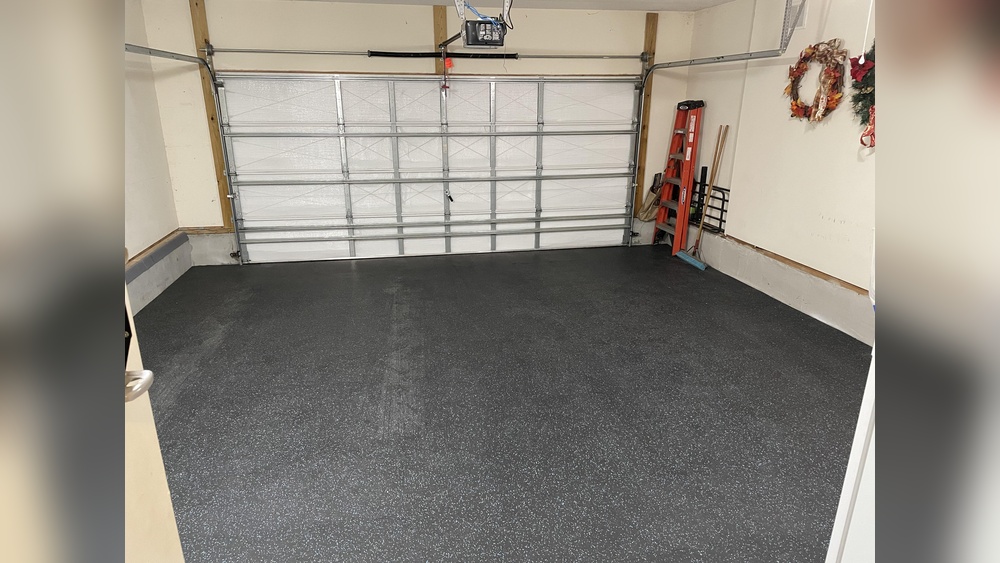
Climate control in your garage is more than just comfort. Whether you use your garage as a workshop, gym, or simply for parking, controlling the temperature and humidity can protect your car, tools, and other belongings. In many homes, the garage is the biggest, least-insulated room.
It faces temperature swings, moisture, and even odors. This guide will help you understand how to climate control a garage, using simple steps and practical advice—even if you’re a beginner.
Why Climate Control Your Garage?
Many people don’t think about the garage when planning home improvements. But poor climate control can cause big problems:
- Rust and mold can damage tools and cars.
- High humidity encourages pests and mildew.
- Extreme heat or cold makes working uncomfortable.
- Temperature changes can ruin paint, wood, and electronics.
Climate control is about keeping your garage at a stable temperature and humidity. This keeps items safe and the space usable all year.
Understanding Your Garage’s Climate Challenges
Every garage is different, but most share some problems:
- Poor insulation lets heat in during summer and out during winter.
- Concrete floors get cold and draw in moisture.
- Air leaks around doors and windows make temperature control difficult.
- Limited ventilation means stale air and higher humidity.
Before you start, spend a few days noticing temperature and moisture. Use a cheap hygrometer to measure humidity and a simple thermometer for temperature swings. This will help you pick the right solutions later.
Step 1: Seal And Insulate First
Before adding heaters or air conditioners, fix the basics. Most garages lose or gain heat through leaks and thin walls.
Find And Fix Air Leaks
- Check around garage doors, windows, and electrical outlets.
- Use weatherstripping to seal gaps on doors.
- Apply caulk to cracks in window frames and wall edges.
Insulate Walls And Ceilings
- Use fiberglass batts for unfinished walls.
- For finished walls, consider blown-in cellulose.
- Insulate the ceiling if your garage is under a room.
Insulate The Garage Door
Most garage doors are thin metal. Add an insulation kit or rigid foam panels to the inside. This can cut heat loss by up to 70%.
Address The Floor
Concrete lets in cold and moisture. Use a vapor barrier under mats, or install interlocking tiles. This makes the space warmer and dryer.
Example Cost And Benefit Table
Here’s what basic insulation improvements might look like:
| Improvement | Estimated Cost | Benefit |
|---|---|---|
| Weatherstripping | $30-$60 | Blocks drafts, saves energy |
| Wall insulation (fiberglass batts, DIY) | $0.70-$1 per sq ft | Reduces heat loss/gain |
| Garage door insulation kit | $80-$120 | Makes door less hot/cold |
| Floor vapor barrier/mats | $2-$4 per sq ft | Limits moisture, adds comfort |
Non-obvious tip: Sealing and insulating often improves results more than buying a bigger heater or air conditioner.
Step 2: Control Humidity
Humidity is a major problem, especially in damp or coastal areas.
Use A Dehumidifier
- Choose a unit sized for your garage—most garages need a 30-50 pint model.
- Place it near a power outlet, away from walls.
- Empty the tank regularly, or connect a hose for continuous drainage.
Improve Ventilation
- Install wall vents or a small exhaust fan.
- Open windows or the garage door briefly on dry days.
- Avoid storing wet items like snow-covered tools.
Watch For Signs Of Moisture
If you see mold or smell musty air, humidity is too high. Aim for 40-60% humidity.

Credit: makeitmowery.com
Step 3: Heating Options
If you live in a cold climate, heating is essential for winter use.
Electric Heaters
- Safe and easy to install.
- Good for small to medium garages.
- Examples: Infrared panels, wall-mounted convection heaters.
Gas Or Propane Heaters
- Heat larger garages quickly.
- Need proper venting for safety.
- Good choice if you have a gas line.
Ductless Mini-split Heat Pumps
- Can both heat and cool.
- More efficient than simple heaters.
- Higher upfront cost but saves energy long-term.
Comparison Table: Garage Heater Types
| Heater Type | Pros | Cons |
|---|---|---|
| Electric | Easy install, safe | Higher electric bills |
| Gas/Propane | Quick, powerful | Requires venting, gas line |
| Mini-Split | Heats and cools, efficient | Costly install |
Beginner insight: Never use unvented space heaters in a closed garage—they can cause dangerous carbon monoxide buildup.
Step 4: Cooling Your Garage
Hot garages are common in summer, especially if you live in the South or West.
Fans
- Ceiling fans help move air and feel cooler.
- Portable fans can improve comfort for small spaces.
Portable Air Conditioners
- Easy to set up and move.
- Need to vent hot air outside (through a window or cutout).
- Good for short-term use.
Ductless Mini-split Ac
- Permanent and efficient.
- Quiet, with low energy use.
- Can also heat in winter (see above).
Insulated Garage Doors
- Reflect summer sun and reduce heat gain.
- Add a reflective film for extra effect.
Cooling Effectiveness Table
| Cooling Method | Best For | Estimated Cost |
|---|---|---|
| Fan | Basic comfort | $25-$150 |
| Portable AC | Occasional use | $300-$600 |
| Mini-split AC | Year-round, efficient | $1,500-$3,000 (installed) |
Pro tip: Even a simple fan plus insulation can drop the garage temperature by 5-10°F on a hot day.
Step 5: Smart Controls And Monitoring
Modern climate control can be automated.
- Use a programmable thermostat for heaters or AC units.
- Place wireless sensors to track temperature and humidity.
- Try a Wi-Fi plug to turn fans or dehumidifiers on/off remotely.
This makes it easy to keep your garage comfortable without wasting energy.
Step 6: Addressing Special Garage Uses
Some people use their garages for more than storage or parking. Each use may need extra steps.
Workshops
- Keep dust out of heaters and AC units with air filters.
- Use a dehumidifier to protect tools.
Home Gyms
- Temperature swings can make workouts unsafe.
- Use a fan or AC, and add rubber flooring for comfort.
Storage
- For electronics or wooden items, stable humidity and temperature are vital.
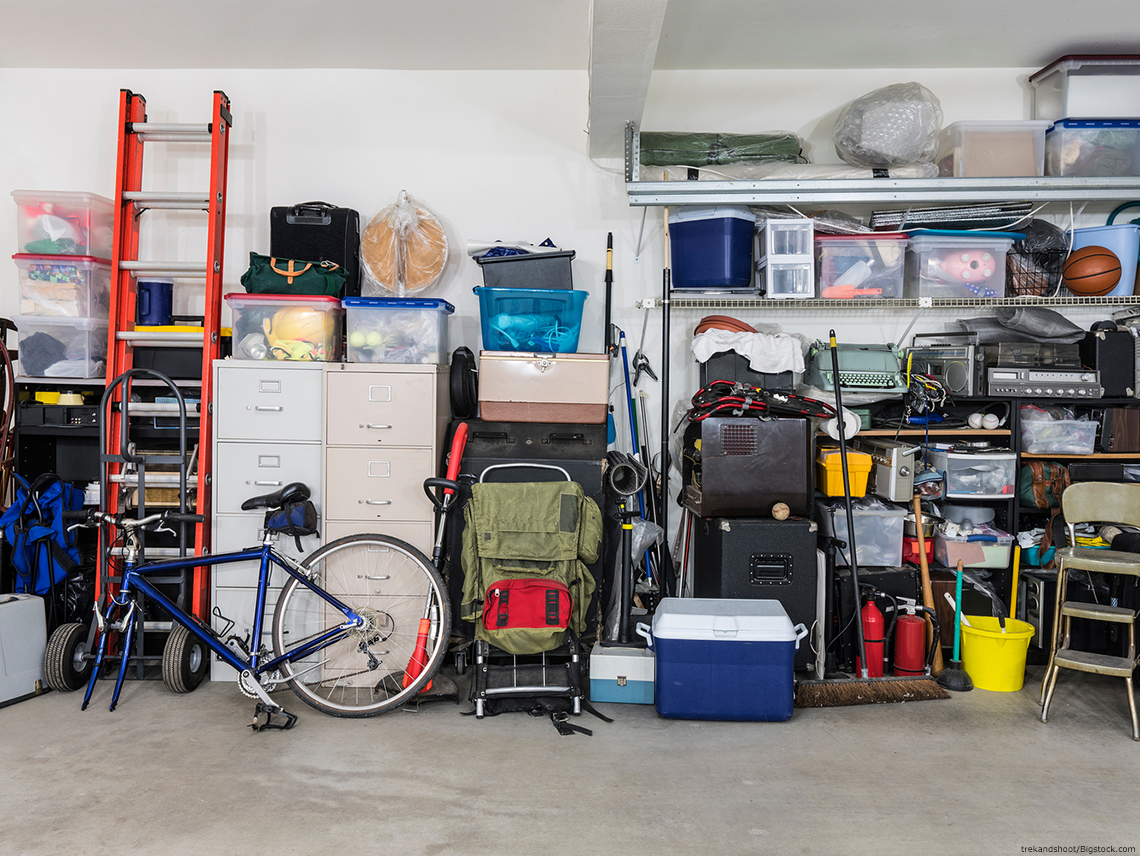
- Consider a portable dehumidifier even if you don’t heat/cool the garage.
Car Storage
- Classic cars need stable humidity (around 50%) to prevent rust.
- Never park a wet car inside—dry it first.
Credit: www.yourstoragesolutions.com
Step 7: Maintenance And Energy Savings
Keeping your garage climate system working well saves money.
- Clean or replace air filters every few months.
- Check for new leaks or cracks each season.
- Use LED lighting to reduce extra heat.
Set heating/cooling to minimum comfort levels when not using the space. For example, 50°F in winter or 85°F in summer saves energy but protects items.
Common Mistakes To Avoid
Many beginners make these errors:
- Ignoring insulation—trying to heat/cool an uninsulated space wastes money.
- Using unvented heaters—creates safety risks.
- Forgetting humidity—mold and rust can sneak up fast.
- Oversizing or undersizing equipment—measure your garage and buy units with the right capacity.
Non-obvious insight: Sealing even small gaps and insulating the garage door often provides a bigger comfort boost than expensive equipment.
Practical Example: Climate Control Upgrade In A Typical Garage
Let’s imagine a 2-car garage (20×20 feet) in the Midwest:
- You buy weatherstripping and caulk for the door and windows ($50).
- Add fiberglass batts to the walls ($300).
- Install a garage door insulation kit ($100).
- Place a 30-pint dehumidifier ($180).
- Use a portable electric heater for winter ($120) and a fan for summer ($50).
Total: About $800. Now, your garage stays 15-20°F warmer in winter, 10°F cooler in summer, and humidity remains under control.
When To Hire A Pro
Most steps are DIY-friendly, but call a professional if:
- You need to install electrical wiring for heaters/AC.
- Cutting holes for vents or mini-splits.
- Gas line work for larger heaters.
Professionals can also help size and select the best system for your garage.

Credit: www.racingsportscars.com
Environmental Considerations
Climate controlling your garage uses energy. Reduce your footprint by:
- Using Energy Star heaters, AC, and dehumidifiers.
- Insulating first—this saves the most energy.
- Setting thermostats to minimum comfort levels.
- Choosing solar-powered ventilation fans if possible.
For more details on energy efficiency in homes, check the U.S. Department of Energy.
Frequently Asked Questions
How Much Does It Cost To Climate Control A Garage?
The cost depends on your garage size and choices. DIY insulation can start at $300-$500. Adding a portable heater and dehumidifier may bring the total to $600-$1,000. For full heating and cooling with a mini-split, expect $2,000-$4,000 installed.
What Temperature Should I Keep My Garage?
For most uses, keep winter temperatures above 40-50°F to protect items and avoid freezing. In summer, aim for below 85°F if you use the garage often. Stable temperatures are more important than exact numbers.
Is It Necessary To Insulate The Garage Door?
Yes. The garage door is often the largest source of heat loss or gain. Insulating it can improve comfort by 10-15°F in extreme weather and reduce energy bills.
Can I Use My Home’s Hvac System For The Garage?
Usually not recommended. Garages are not air-sealed like living spaces, and connecting them to home HVAC can create air quality risks. Use separate, garage-rated systems instead.
Do I Need A Vapor Barrier Under My Garage Floor?
If you have moisture problems, a vapor barrier under flooring mats or tiles can help. It stops dampness from rising, reduces mold risk, and makes the garage more comfortable.
Climate control transforms your garage into a safer, more useful space. With the right steps—starting with sealing, insulating, and controlling humidity—you can enjoy a comfortable garage year-round. Even small changes make a big difference, and most are beginner-friendly. With care, your garage will protect your belongings and add value to your home.