

Keeping your garage laundry room clean may sound simple, but many homeowners struggle with it. The garage is often used for storage, DIY projects, and parking, so dust, dirt, and clutter can build up quickly. Add laundry tasks to the mix, and the space can feel chaotic and unhygienic. Still, a clean garage laundry room not only looks better but also helps your appliances last longer and keeps your clothes truly fresh. If you want a laundry space that works smoothly and stays inviting, even in a busy garage, here’s how you can make it happen—step by step.
Why Garage Laundry Rooms Get Messy
Garage laundry rooms face unique challenges compared to indoor spaces. Understanding these helps you stay ahead of mess and clutter.
- Dust and dirt: Garages are not as well-sealed as indoor rooms. Dust from the driveway, garden, and cars can settle everywhere, including on your washer and dryer.
- Clutter magnet: The garage often becomes a storage spot for tools, sports gear, and boxes. Items can pile up around your laundry area, making cleaning harder.
- Humidity and moisture: Washing machines and dryers can create extra humidity. If not managed, this can lead to mold, mildew, and musty smells.
- Limited lighting: Garages often have weaker lighting, so you may not notice dust, spills, or stains until they become big problems.
- Foot traffic: People (and pets) enter the garage with dirty shoes, spreading grime onto floors and surfaces.
Knowing these points helps you plan for a cleaner, healthier laundry area.
Setting Up For Cleanliness
A good setup is the first step to a clean garage laundry room. Here’s how to organize your space for easy cleaning and maintenance.
Plan Your Layout
- Place your washer and dryer away from garage doors and windows to avoid dust and drafts.
- Keep laundry appliances on slightly raised platforms or mats. This prevents rust and protects them from small floods or leaks.
- Leave enough space between machines and walls for air flow and to make cleaning behind them easier.
Use Storage Wisely
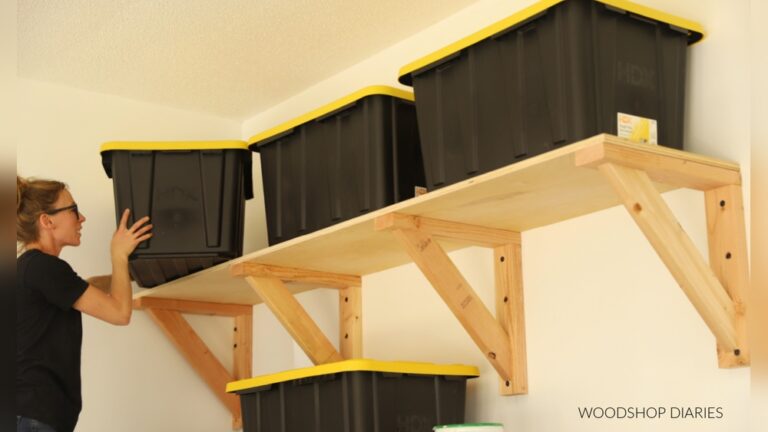
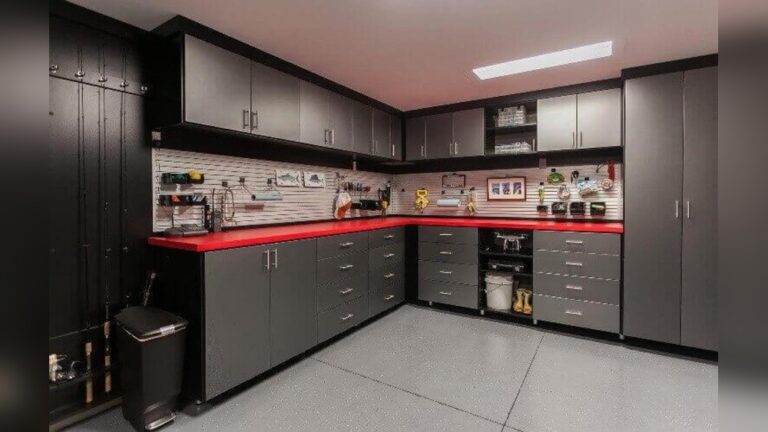
- Install shelves or cabinets above or beside the machines for detergents, fabric softeners, and cleaning products.
- Use clear bins with labels for small items like dryer sheets, clothespins, and stain removers.
- Add wall hooks or pegboards for hanging mops, brooms, or laundry bags.
Choose Easy-to-clean Surfaces
- Put a washable rug or mat in front of your machines to catch drips and dirt.
- Use plastic or metal shelving instead of wood, which can warp from moisture.
- Paint walls with semi-gloss paint—it’s easier to wipe clean than flat paint.
A well-organized space not only looks better but also makes regular cleaning faster and more effective.
Daily And Weekly Cleaning Habits
Regular habits can keep mess from building up. These simple routines only take a few minutes but make a big difference.
Daily Quick Tasks
- Wipe up any spills or detergent drips right away to avoid sticky, dusty surfaces.
- Shake out rugs or mats to remove dust and lint.
- Check for stray socks, dryer sheets, or other laundry debris on the floor.
Weekly Cleaning Routine
Set aside 15–20 minutes each week for a deeper clean:
- Wipe appliances: Use a damp cloth to clean the tops and fronts of your washer and dryer.
- Sweep or vacuum: Clean the floor around your machines and under any open shelves.
- Empty lint traps: Always clear the dryer lint trap after every load, but also check for hidden lint buildup weekly.
- Disinfect handles and knobs: Use a disinfectant wipe on appliance handles and light switches.
- Tidy supplies: Return detergents and cleaning products to their proper spots, and throw away empty containers.
Consistent habits are the easiest way to prevent grime and clutter from taking over.
Deep Cleaning: Monthly And Seasonal Tasks
While daily and weekly cleaning keeps things tidy, a few deeper cleaning jobs help maintain a safe, healthy laundry space.
Monthly Chores
- Clean washer and dryer drums: Run a cleaning cycle on your washing machine (many have this setting). For dryers, wipe the drum with a damp cloth.
- Check hoses and vents: Inspect washing machine hoses for leaks or cracks. Clean out the dryer vent and duct to prevent fire risk.
- Dust shelves and storage: Remove everything from shelves and wipe them down. Replace items neatly.
Seasonal Tasks
- Declutter the area: Go through any stored items near your laundry zone. Donate, recycle, or throw out what you no longer need.
- Check for pests: Look for signs of insects or rodents, especially in corners or behind appliances. Seal any gaps or cracks.
- Inspect for mold or mildew: Pay attention to the walls, floors, and behind machines. Treat small spots with a mixture of vinegar and water.
Example: How Lint Buildup Affects Safety
According to the U.S. Fire Administration, nearly 2,900 home dryer fires are reported each year, and the leading cause is failure to clean lint filters and vents. Regular cleaning is not just for looks—it’s crucial for safety.
Tips For Preventing Dust And Moisture
Dust and moisture are the top enemies in a garage laundry room. Here’s how to keep them under control.
- Seal cracks and gaps: Use caulk or weatherstripping around windows, doors, and the garage door to reduce dust entry.
- Install a dehumidifier: This helps control moisture, especially in humid climates, preventing mold and musty odors.
- Use a door mat: Place a sturdy mat at the garage entrance and encourage wiping shoes before entering.
- Vent appliances properly: Make sure your dryer is vented to the outside, not just into the garage.
- Keep garage door closed: Limit how often you leave the door open, as this invites more dust and bugs inside.
A little prevention goes a long way in keeping your laundry space fresh.
Organizing Laundry Supplies For Cleanliness
Well-organized laundry supplies not only look better but also reduce mess and make cleaning easier.
- Limit products: Only keep what you use regularly. Too many bottles or boxes leads to spills and clutter.
- Use dispensers: Large detergent bottles can drip or leak. Try using smaller, refillable dispensers for everyday use.
- Label everything: Labels make it easy to find what you need and put things back in the right place.
- Store off the floor: Keep supplies on shelves or in cabinets, not on the ground, to prevent water damage and easier floor cleaning.
Here’s a quick comparison of common storage options:
| Storage Type | Pros | Cons |
|---|---|---|
| Shelves | Easy access, visible | Can get dusty, needs regular cleaning |
| Cabinets | Hides clutter, protects from dust | May need more space, costlier |
| Clear bins | Affordable, easy to label | Can take up shelf space |
Choosing the right storage helps keep your laundry area tidy and safe.

Credit: www.creativeclosetorganizers.com
Making The Most Of Limited Space
Many garage laundry rooms are small or share space with cars and storage. Smart solutions can help you fit everything you need without feeling cramped.
- Stackable machines: If possible, use a stacked washer and dryer to save floor space.
- Folding tables: Install a wall-mounted, fold-down table for folding clothes, then tuck it away when not in use.
- Overhead racks: Use ceiling-mounted racks for items you rarely need, like seasonal gear.
- Slim rolling carts: A slim cart between the washer and dryer can hold detergents and cleaning products.
Here’s how different setups compare for space-saving:
| Solution | Space Saved | Best For |
|---|---|---|
| Stackable units | Up to 50% floor space | Small laundry zones |
| Wall shelves | Floor stays clear | Organizing supplies |
| Rolling carts | Uses unused gaps | Extra storage |
Don’t be afraid to mix and match solutions for your needs.
Laundry Room Safety Tips
Safety is just as important as cleanliness, especially in a garage where you may have tools and chemicals nearby.
- Keep cleaning products out of reach of children and pets.
- Never store gasoline, paint, or other flammables near your washer or dryer.
- Regularly check outlets and cords for wear, and don’t overload electrical circuits.
- Install a smoke and carbon monoxide detector in your garage for extra peace of mind.
- Always follow manufacturer instructions for your appliances.
Common Mistakes Beginners Make
Even with the best intentions, beginners often make a few key mistakes that make cleaning harder.
- Not cleaning behind machines: Dust and lint build up fast behind washers and dryers. Move them (or use a long duster) at least once a month.
- Ignoring dryer vents: Lint in the vent pipe is a serious fire risk.
- Overloading storage areas: Too many supplies or items crammed together make it hard to clean and easy to lose track of what you have.
- Using the wrong cleaning products: Strong chemicals can damage appliances or surfaces. Stick to gentle cleaners, or check appliance manuals for recommendations.
- Letting clutter build up: The garage invites clutter. Set a regular schedule for decluttering and stick to it.
Learn from these common errors to save yourself time and hassle.
Eco-friendly Garage Laundry Cleaning
Keeping your garage laundry room clean doesn’t have to harm the planet. Here are some eco-friendly tips:
- Use natural cleaners: Vinegar, baking soda, and lemon juice are safe and effective for most surfaces.
- Choose concentrated detergents: They use less packaging and last longer.
- Wash with cold water: Saves energy and is gentler on clothes.
- Recycle containers: Rinse and recycle empty detergent bottles and boxes.
- Fix leaks quickly: Even a small leak wastes water and can cause mold.
You don’t need to sacrifice cleanliness to be eco-friendly.
Credit: support.firstalert.com
How Technology Can Help
Modern appliances and smart devices make laundry room maintenance easier than ever.
- Smart washers and dryers send alerts to your phone when a cycle is done, so you don’t forget wet clothes in the machine.
- Moisture sensors can detect leaks or flooding and send warnings.
- Air purifiers help reduce dust and odors in the garage.
- LED lighting uses less energy and makes it easier to spot dirt or stains.
Many of these upgrades are affordable and can make your cleaning routine much simpler.
Frequently Asked Questions
How Often Should I Clean My Garage Laundry Room?
Aim for a quick tidy-up every day, a deeper clean each week, and a full deep clean monthly. Staying consistent prevents big messes from forming.
What’s The Best Way To Control Dust In A Garage Laundry Room?
Seal cracks, use doormats, and keep the garage door closed as much as possible. Regular sweeping and wiping surfaces also help reduce dust buildup.
Can I Use Regular Household Cleaners On My Washer And Dryer?
Most gentle household cleaners are safe, but avoid harsh chemicals or abrasives. Always check the appliance manual for cleaning recommendations.
How Do I Prevent Mold And Mildew In A Garage Laundry Space?
Control humidity with a dehumidifier, vent your dryer outside, and clean up spills quickly. Inspect for signs of mold regularly, especially in hidden spots.
What’s The Biggest Safety Risk In A Garage Laundry Room?
Lint buildup in dryer vents is a major fire hazard. Clean the lint trap after every use and the vent pipe at least every few months. For more safety tips, visit the U.S. Fire Administration.
Keeping your garage laundry room clean takes a little effort, but it pays off with fresh clothes, longer-lasting appliances, and a safer home. With these beginner-friendly tips and a regular routine, you can enjoy a space that works for you—not against you.

Credit: www.amazon.com