
Insulating your garage can make your home more comfortable, save on energy bills, and even add value to your property. But many homeowners wonder: how much does it cost to insulate a garage? The answer depends on several factors, such as the size of your garage, the type of insulation, and whether you hire a professional or do it yourself. In this guide, you’ll get clear answers, practical tips, and real examples to help you budget and plan your garage insulation project.
Why Insulate A Garage?
A garage is often a cold or hot spot in a house. Insulating it can help you:
- Reduce energy loss: Keeps heat in during winter and out during summer.
- Protect belongings: Prevents damage to stored items from extreme temperatures.
- Improve comfort: Makes the space suitable for hobbies, gyms, or workshops.
- Add value: Homes with insulated garages are more attractive to buyers.
Most people don’t realize that an uninsulated garage can raise heating and cooling costs for the whole house. Air can leak through walls, ceilings, and garage doors, making your HVAC work harder.
Key Factors That Affect Garage Insulation Cost
Garage insulation costs are not the same for everyone. Here are the main things that change the price:
- Garage size: A 1-car garage is cheaper to insulate than a 2- or 3-car garage.
- Type of insulation: Different materials have different costs and benefits.
- Labor: DIY is cheaper, but hiring a pro can be faster and safer.
- Current condition: Finished vs unfinished walls, existing insulation, moisture problems.
Let’s look closer at each factor.
Garage Size
Most garages in the US are:
- 1-car garage: About 240 sq ft
- 2-car garage: About 400–480 sq ft
- 3-car garage: About 600–720 sq ft
The more square footage, the more material and labor needed. Costs rise with size.
Type Of Insulation
The main types used in garages are:
- Fiberglass batts
- Blown-in cellulose
- Spray foam
- Rigid foam boards
Each has a different price per square foot and pros/cons. You’ll see these compared later in the article.
Labor Costs
- DIY: Only material costs. You save money, but need time and basic skills.
- Professional: Adds labor fees. Better for large jobs or tricky areas.
Professional installation is often recommended for spray foam or blown-in insulation.
Condition Of Garage
If your garage has finished walls (drywall installed), insulation is harder to add. You may need to remove drywall, which costs more. Unfinished garages are easier and cheaper to insulate.

Credit: krakenbond.net
Average Cost To Insulate A Garage
Let’s break down typical costs. Prices can change based on your location and the current market, but these are average US figures in 2024.
Material Cost Estimates
Here’s a quick comparison of popular insulation materials:
| Type | Cost per sq ft | R-Value per inch | DIY Friendly? |
|---|---|---|---|
| Fiberglass Batts | $0.50–$1.00 | 2.9–3.8 | Yes |
| Blown-In Cellulose | $1.00–$1.50 | 3.2–3.8 | No |
| Spray Foam | $1.50–$3.00 | 6–7 | No |
| Rigid Foam Boards | $1.00–$1.50 | 5–6 | Yes |
Total Cost By Garage Size
Here’s a practical example for each garage size, using fiberglass batts (the most common and affordable option):
| Garage Size | Material Only | DIY Total | Pro Install Total |
|---|---|---|---|
| 1-car (240 sq ft) | $120–$240 | $150–$300 | $400–$800 |
| 2-car (480 sq ft) | $240–$480 | $300–$600 | $800–$1,600 |
| 3-car (720 sq ft) | $360–$720 | $450–$900 | $1,200–$2,400 |
- Pro tip: These estimates do not include drywall repair, painting, or upgrading the garage door insulation. Those can add $500–$2,000 extra depending on the job.
Spray Foam Example
Spray foam is more expensive but offers higher R-value and airtightness. For a 2-car garage:
- Material & labor: $1,500–$3,000
- DIY kits: $1,000–$1,500 (but not recommended for beginners)
Spray foam can save more on energy bills but costs more upfront.
What Areas Should You Insulate?
Insulating only the walls is common, but for best results, consider:
- Garage walls: Main source of heat loss.
- Ceiling: Especially if there’s a room above the garage.
- Garage door: Often overlooked, but important for comfort.
- Windows: Use weatherstripping or insulated glass.
Many beginners forget the garage door. Upgrading or adding insulation to the door can cost $100–$500.

Credit: homeguide.com
Diy Vs Professional Installation
Should you do it yourself or call a pro? Here’s a quick comparison:
| Factor | DIY | Professional |
|---|---|---|
| Cost | Lower | Higher |
| Skill Needed | Basic | None |
| Time | Several hours/days | 1 day |
| Safety | Must handle materials safely | Handled by pros |
| Warranty | None | Usually included |
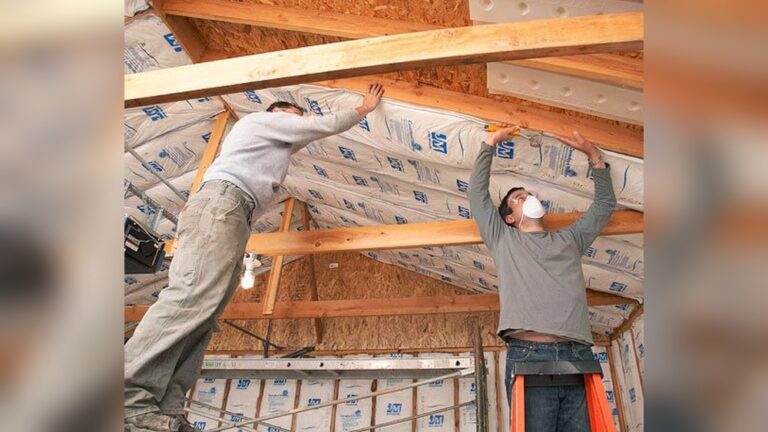
Non-obvious tip: Fiberglass batts are itchy and need protective clothing. Many beginners skip this step and end up with skin irritation.
How To Estimate Your Garage Insulation Cost
Here’s a simple step-by-step guide:
- Measure your garage: Length × width = square footage.
- Check wall type: Are walls finished or unfinished?
- Choose insulation type: Match your budget and needs.
- Calculate material cost: Multiply square footage by cost per sq ft.
- Add labor cost: If hiring a pro, get quotes.
- Include extras: Don’t forget tools, safety gear, and garage door insulation.
Example: For a 2-car garage (480 sq ft), unfinished walls, using fiberglass batts:
- Material: $0.75 × 480 = $360
- Tools & safety gear: $50
- Garage door kit: $150
- Total DIY cost: $560
If you hire a pro, add labor ($800–$1,600).

Credit: www.fixr.com
Common Mistakes And How To Avoid Them
Many homeowners make these mistakes:
- Ignoring the garage door: It’s a big source of heat loss.
- Underestimating costs: Forgetting extras like drywall, paint, or tools.
- Choosing the wrong insulation: Some types are not suitable for humid climates.
- Skipping safety steps: Not wearing gloves or masks with fiberglass.
- Poor installation: Gaps or compressed insulation reduce effectiveness.
Insider insight: Always check for moisture or leaks before installing insulation. Wet insulation loses effectiveness and can cause mold.
How Much Can You Save After Insulating?
- Energy savings: Insulating a garage can lower heating and cooling bills by 10–20% in homes where the garage is attached.
- Comfort: Spaces above or next to the garage stay warmer in winter and cooler in summer.
- Resale value: Insulated garages can increase home value by $1,000–$2,500, according to real estate reports.
Most people overlook the fact that insulation pays back over time—not just with lower bills, but with improved home comfort.
Extra Costs To Consider
Some jobs include extra expenses. Be ready for:
- Drywall repair: $200–$800
- Painting: $100–$500
- Upgrading garage door: $500–$2,000 for a new insulated door
- Permits: Some areas require permits for major insulation jobs ($50–$200)
Unexpected insight: If your garage has old wiring or plumbing, you may need to upgrade before insulating. This is often missed in initial planning.
Is Garage Insulation Worth It?
If you use your garage for more than just parking, insulation is usually a smart investment. It makes the space more comfortable, protects your belongings, and can boost your home’s value. Even for basic storage, insulation helps prevent temperature swings and moisture problems.
For more detailed information on insulation types and their effectiveness, you can visit Energy.gov.
Frequently Asked Questions
How Much Does It Cost To Insulate A Garage Door?
Insulating a garage door costs $100–$500 for a DIY kit or up to $2,000 for a new insulated door. Kits are easy to install and can improve comfort quickly.
Is It Cheaper To Insulate A Garage Myself?
Yes, DIY is cheaper. You pay only for materials and tools, saving 40–60% over hiring a pro. But make sure you have basic skills and safety gear.
What Is The Best Insulation For A Garage?
Fiberglass batts are most popular for walls. Spray foam is best for airtightness and moisture resistance, but costs more. Rigid foam boards are good for doors and thin walls.
Can I Insulate A Finished Garage?
It’s possible, but harder. You may need to remove drywall, which adds cost. Blown-in insulation can work for finished walls but needs special equipment.
Do I Need A Permit To Insulate My Garage?
For basic insulation, usually not. But major changes like new drywall or electrical upgrades may require a permit. Always check local building codes before starting.
Insulating your garage is a practical project that can make a big difference in your home’s comfort and efficiency. With the right planning and budgeting, you’ll enjoy the benefits for years to come.