
Storing coolant in the garage is a common task for car owners and DIY mechanics. Coolant, also known as antifreeze, is essential for keeping your vehicle’s engine at the right temperature. But if you don’t store it correctly, coolant can become unsafe, lose effectiveness, or even damage your garage environment.
Many beginners overlook simple safety steps and practical storage methods, risking spills or exposure to dangerous chemicals. This guide will help you understand how to store coolant safely and efficiently in your garage, with clear examples, practical data, and easy-to-follow advice.
Why Proper Coolant Storage Matters
Storing coolant the right way is important for several reasons:
- Safety: Coolant contains toxic chemicals like ethylene glycol or propylene glycol. Improper storage can be hazardous to children and pets.
- Effectiveness: Exposure to air, heat, or sunlight can break down coolant, making it less effective at protecting your engine.
- Environmental impact: Leaks and spills can harm soil and water sources.
- Legal compliance: In many areas, improper chemical storage can lead to fines.
Many beginners think coolant lasts forever, but even in storage, it can degrade. For example, most unopened coolant bottles have a shelf life of 3-5 years. Once opened, the lifespan drops to 12–24 months.
Choosing The Right Coolant Container
Not all containers are safe or effective for storing coolant. Here’s what matters:
- Original packaging: Always keep coolant in its original container. Manufacturers design these bottles to resist leaks and chemical breakdown.
- Material: Look for HDPE plastic (High Density Polyethylene). This material is resistant to coolant chemicals.
- Sealability: Containers should have tight, screw-on caps to prevent spills and evaporation.
- Labeling: Never use unlabeled bottles. Always keep the manufacturer’s label visible.
| Container Type | Pros | Cons |
|---|---|---|
| Original Coolant Bottle | Safe, sealed, labeled | Can take up more space |
| Generic Plastic Jug | Cheap, easy to find | Risk of leaks, no labeling |
| Glass Bottle | Does not react with coolant | Breakable, poor seal |
Key tip: Never transfer coolant to a drink bottle. This is a common beginner mistake and can be fatal if someone mistakes it for water or juice.
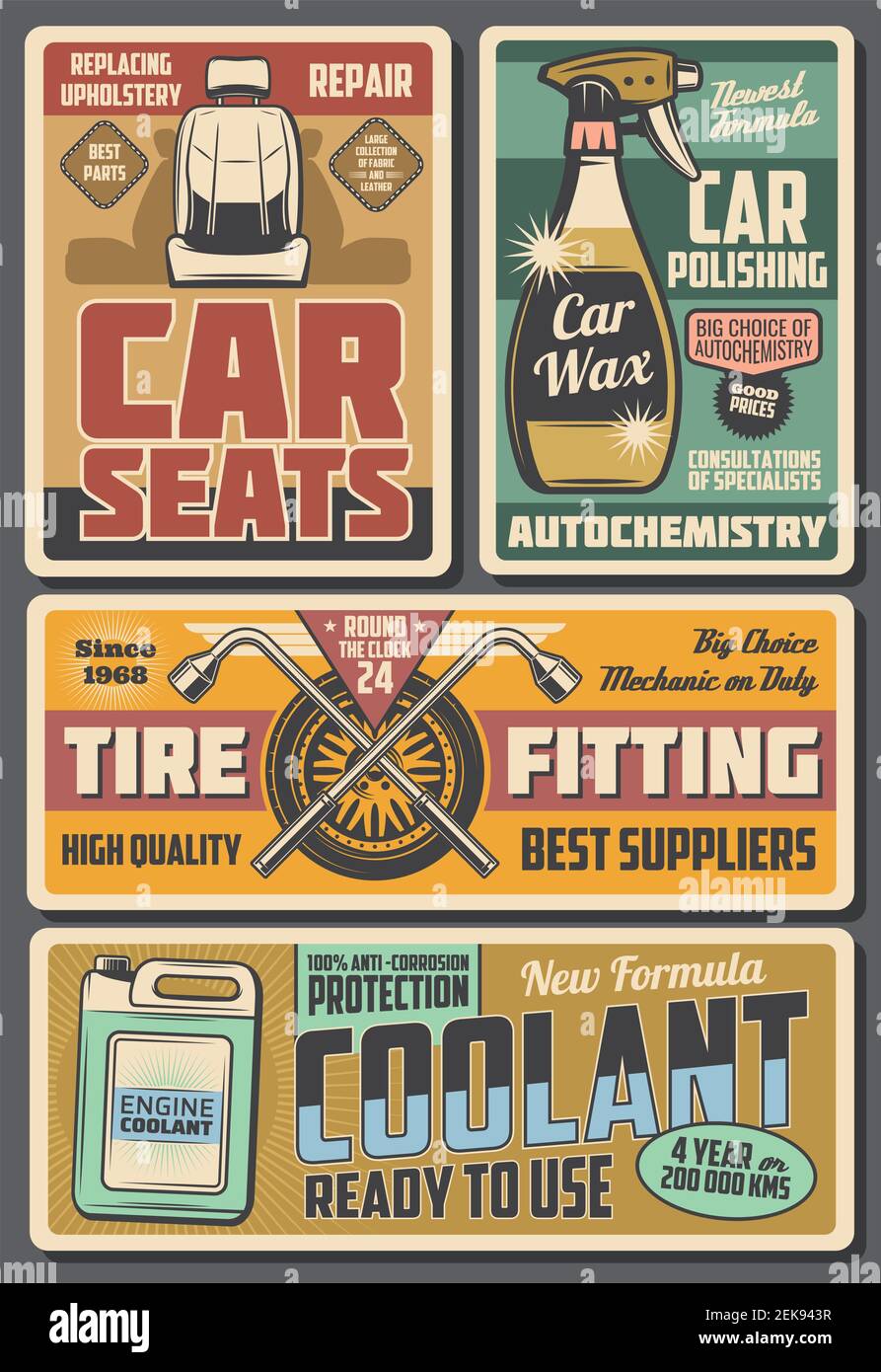
Credit: www.alamy.com
Where To Store Coolant In The Garage
Location is critical for safety and coolant quality. Here’s what to look for:
- Away from sunlight: UV rays break down coolant chemicals. Store bottles in a shaded area.
- Cool, dry place: High temperatures and humidity can cause expansion, leaks, or mold.
- High shelves or locked cabinets: Keep coolant out of reach of children and pets.
- Away from food, tools, and flammable items: Avoid cross-contamination or fire risks.
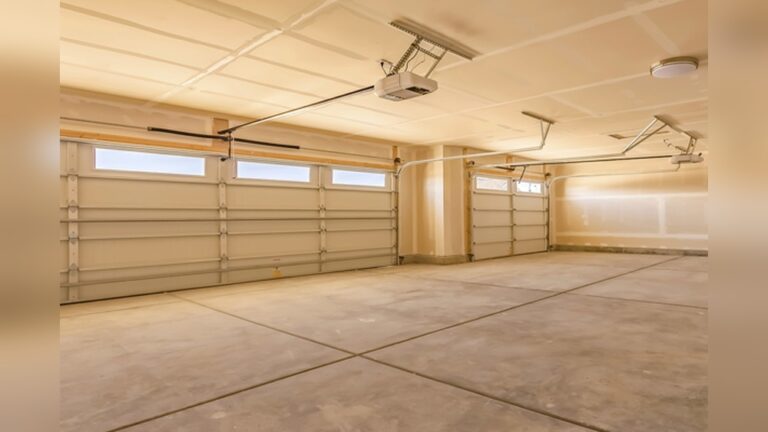
A practical example: If your garage has windows, place coolant on a shelf opposite the window, inside a cabinet with a childproof lock.
Temperature And Climate Considerations
Coolant should be stored within a safe temperature range:
- Ideal storage temperature: 50°F to 77°F (10°C to 25°C)
- Do not freeze or overheat: Freezing can cause containers to crack. Heat can make coolant expand and leak.
If you live in an area with extreme climates, consider installing insulation or climate control in your garage.
| Climate | Risks | Storage Solution |
|---|---|---|
| Cold (<32°F) | Container cracking, separation | Insulated cabinet |
| Hot (>100°F) | Evaporation, chemical breakdown | Cool, shaded shelf |
| Humid | Mold growth, corrosion | Dry, ventilated area |
Non-obvious insight: Even sealed bottles can suffer from condensation in humid climates, which can rust metal shelves or damage labels.
Preventing Spills And Leaks
Spills are dangerous and messy. Here are ways to prevent them:
- Always check bottles for cracks or loose caps before storing.
- Use spill trays under bottles. These catch any leaks and make cleanup easier.
- Store bottles upright. Horizontal storage can increase leak risk.
- Leave space between bottles so you can see if one is leaking.
If you spill coolant:
- Wear gloves. Coolant is toxic.
- Absorb the spill with sand, kitty litter, or absorbent pads.
- Dispose of contaminated material in accordance with local regulations.
- Wash the area with soap and water.
Keeping Track Of Coolant Shelf Life
Coolant doesn’t last forever. Here’s how to monitor its life:
- Mark the purchase date on the bottle with a permanent marker.
- If opened, write the open date as well.
- Check the manufacturer’s shelf life recommendation.
Most coolant brands recommend replacing unused, opened bottles after 12–24 months. Unopened bottles last up to 5 years.
| Coolant Type | Unopened Shelf Life | Opened Shelf Life |
|---|---|---|
| Ethylene Glycol | 3–5 years | 1–2 years |
| Propylene Glycol | 3–4 years | 1 year |
Pro tip: If the coolant changes color, becomes cloudy, or develops a strange smell, it’s time to dispose of it.

Credit: www.ebay.com
Safe Disposal Of Old Coolant
Never pour coolant down the drain or on the ground. Here’s how to dispose safely:
- Take old coolant to a hazardous waste facility. Most cities have collection centers.
- Some auto shops accept used coolant for recycling.
- Use spill-proof containers for transport.
Important insight: A single gallon of spilled coolant can contaminate thousands of gallons of water. Always follow local rules.
For further information, see this official guide from the EPA.
Common Mistakes Beginners Make
Many people make simple mistakes when storing coolant. Here are some to avoid:
- Using unlabeled bottles or jars
- Storing coolant near food or drinks
- Leaving bottles on the floor where pets can reach
- Ignoring expiration dates
- Forgetting to check for leaks after moving bottles
Even experienced car owners sometimes overlook the need to store coolant away from direct sunlight. Remember, a little extra caution can prevent big problems.

Credit: www.ebay.com
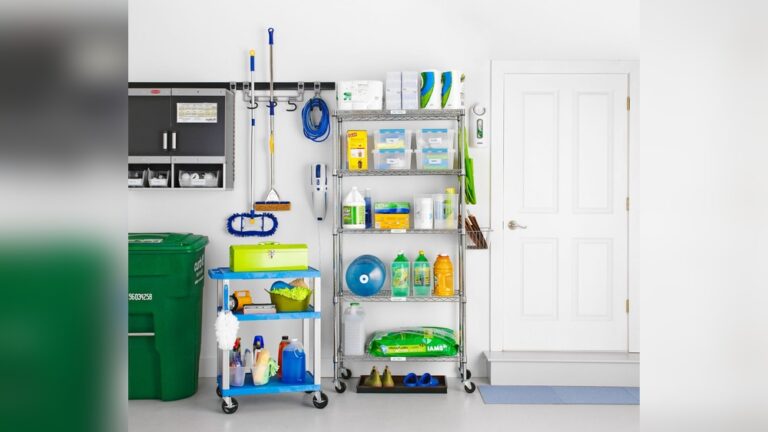
Practical Tips For Garage Organization
Keeping your garage organized makes coolant storage safer and more efficient:
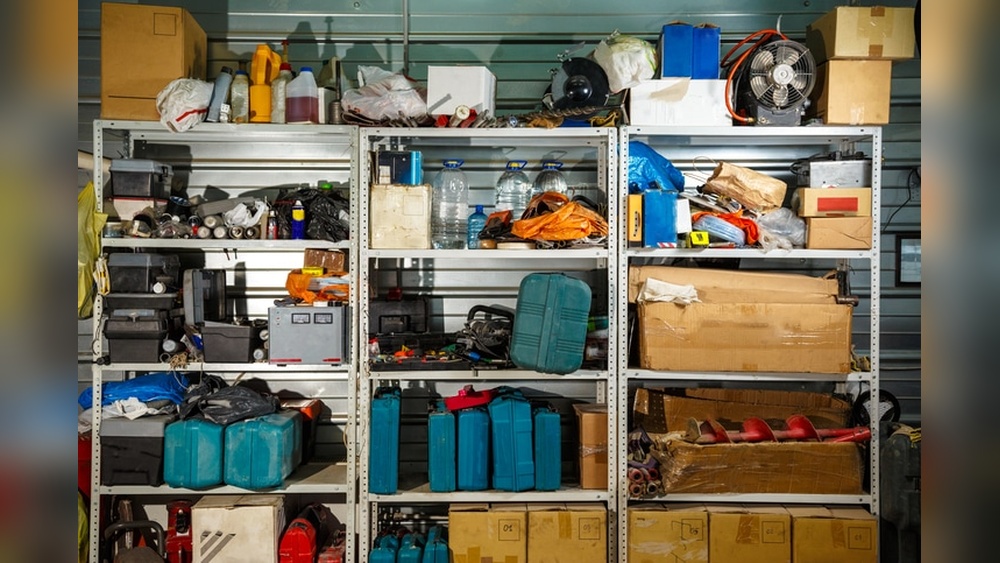
- Use a dedicated shelf or cabinet for chemicals
- Install childproof locks if you have kids or pets
- Keep a spill kit nearby (absorbent pads, gloves, trash bags)
- Label shelves for easy identification
If you store other car fluids, keep them separate from coolant to avoid confusion.
Emergency Steps If Someone Is Exposed
Coolant is poisonous if swallowed or inhaled. If someone is exposed:
- Move them to fresh air immediately
- If swallowed, call poison control (1-800-222-1222 in the US)
- Do not induce vomiting unless instructed
- Wash skin with soap and water if contact occurs
Many beginners don’t realize how serious coolant poisoning can be. Symptoms include vomiting, dizziness, and confusion. Seek medical help right away.
Comparing Coolant Brands For Storage Durability
Some brands produce coolant with longer shelf lives or better packaging. Here’s a comparison:
| Brand | Shelf Life (Unopened) | Packaging Quality |
|---|---|---|
| Prestone | 5 years | High-quality HDPE, tight seal |
| Peak | 4 years | Good seal, clear label |
| Zerex | 5 years | Durable bottle, easy pour |
Non-obvious insight: Some off-brand coolants use thin plastic bottles that can warp in heat, increasing leak risk.
How To Check Coolant Quality Before Use
Before using stored coolant, check these points:
- Color: Should be bright and consistent (usually green, orange, or pink).
- Clarity: No cloudiness or particles.
- Smell: Should not smell sour or burnt.
- Seal: Cap should be tight, no signs of leaks.
If you see any problems, dispose of the coolant safely.
Frequently Asked Questions
What Is The Best Container For Storing Coolant?
The best container is the original coolant bottle. It’s made from HDPE plastic, designed to handle chemicals, and has a tight seal. Always keep coolant in its labeled, original packaging.
Can I Store Coolant In A Metal Container?
No, storing coolant in a metal container can cause corrosion. Most coolants react with metal over time, leading to leaks or contamination. Use plastic containers made for chemicals.
How Long Does Coolant Last In Storage?
Unopened coolant lasts 3–5 years. Once opened, it should be used within 12–24 months. Always mark the date on the bottle and check for signs of spoilage before use.
Is Coolant Dangerous To Pets?
Yes, coolant is highly toxic to pets. Even small amounts can be fatal if ingested. Store coolant on high shelves or in locked cabinets, and clean up any spills immediately.
What Should I Do With Old Or Unused Coolant?
Take old coolant to a hazardous waste facility or an auto shop that accepts used fluids. Never pour coolant down the drain or on the ground. Use spill-proof containers for transport.
Proper coolant storage is simple but vital. By choosing the right container, storing it in a safe location, monitoring its shelf life, and disposing of it correctly, you protect your family, pets, environment, and vehicle. Beginners often overlook key details, but a little extra care can prevent accidents and keep your garage safe and organized.
If you follow the advice in this guide, you’ll never have to worry about coolant storage problems again.