
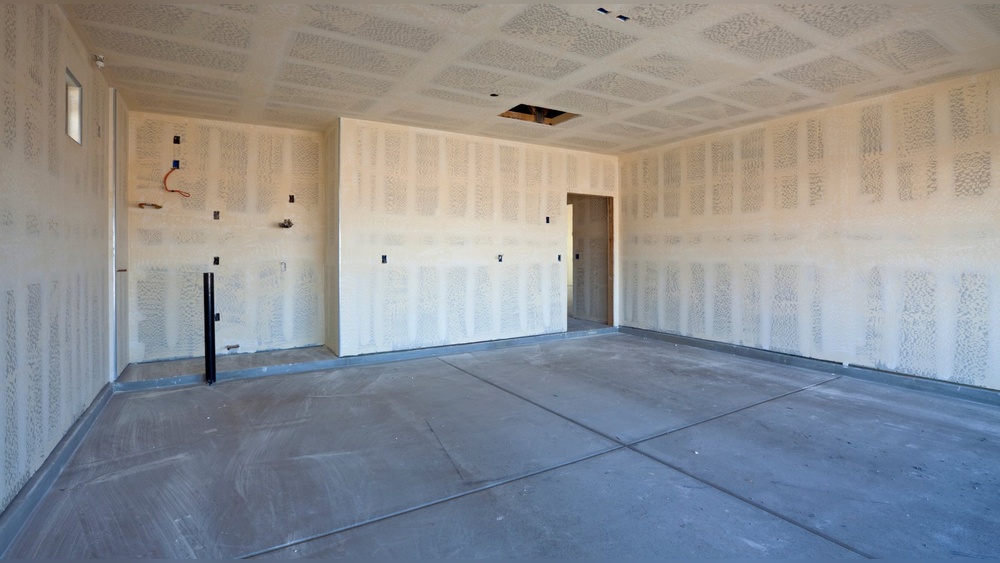
Painting your garage walls can make your whole space feel cleaner, brighter, and more inviting. Whether you use your garage for storage, as a workshop, or just for parking, a fresh coat of paint can transform the look and protect the walls from dust and moisture.
Many homeowners are surprised at how easy this project is, even for beginners. With the right preparation and materials, you can finish the job in a weekend and enjoy long-lasting results.
Why Paint Garage Walls?
Most garages have unfinished drywall, concrete, or old paint that looks dull. Painting offers several benefits:
- Improves appearance: Clean, painted walls look tidy and modern.
- Protects surface: Paint seals drywall or concrete, preventing dust and moisture damage.
- Easier cleaning: Stains, marks, and dirt wipe off painted surfaces more easily.
- Increases home value: A neat garage impresses buyers and adds value.
For beginners, painting is one of the easiest upgrades. It doesn’t need expensive tools or special skills.
Choosing The Right Paint
Selecting the correct paint makes a big difference. Garage walls often face humidity, temperature changes, and scuffs.
| Type | Best For | Durability | Finish |
|---|---|---|---|
| Latex Acrylic | Drywall | Good | Eggshell/Satin |
| Epoxy | Concrete | Excellent | Glossy |
| Oil-Based | Metal/High Wear | Very Good | Semi-Gloss |
- Latex acrylic is the best choice for most garage drywall. It dries fast and is easy to clean.
- Epoxy paint works well for concrete walls. It resists stains and moisture.
- Oil-based paint is good for metal or areas that get bumped often.
Choose a finish like satin or semi-gloss. These are easier to wipe clean than flat or matte.
Planning And Preparation
Preparation is the key to a professional-looking result. Follow these steps for best results:
- Clear the garage: Move all items away from the walls. Cover floors with plastic sheets.
- Clean walls: Use a broom or vacuum to remove dust and cobwebs. Wash stains with mild soap and water.
- Repair damage: Fill holes or cracks with spackle. Sand smooth after drying.
- Tape off edges: Use painter’s tape around windows, doors, outlets, and baseboards.
Most beginners skip cleaning, but dust and oil prevent paint from sticking. Take time to do this step well.
Practical Example
If your garage wall has oil stains, scrub them with a degreaser. Dry thoroughly before painting. For drywall dents, use a putty knife and spackle, sand flat, and wipe away dust.
Priming Garage Walls
Primer is important for unfinished drywall, concrete, or stained surfaces. It helps paint stick and makes color even.
- Drywall: Use a water-based primer.
- Concrete: Choose a masonry primer.
- Previously painted walls: Primer is optional unless there are stains or patches.
Primer also covers old marks and prevents stains from showing through. One coat is usually enough.
| Wall Type | Primer Needed? | Recommended Primer |
|---|---|---|
| Unfinished Drywall | Yes | Latex Primer |
| Concrete Block | Yes | Masonry Primer |
| Previously Painted | Optional | Stain-blocking Primer |
Apply primer using a roller for large areas and a brush for corners.
Painting Tools And Materials
Make sure you have the right tools before starting. Here’s what you need:
- Rollers: For fast coverage of large wall areas.
- Brushes: For edges, corners, and touch-ups.
- Paint tray: For loading paint onto rollers.
- Drop cloths/plastic sheets: To protect floors and items.
- Painter’s tape: For straight lines at edges.
- Ladder: To reach high spots.
Buy extra rollers if your garage is big. Quality brushes help avoid streaks.
How To Paint Garage Walls: Step-by-step
Follow these steps for best results:
- Apply primer: Start at the top and work down. Let dry for 2–4 hours.
- First coat of paint: Use a roller for main areas. Brush paint onto edges and corners.
- Let dry: Wait at least 2 hours (check paint can for drying times).
- Second coat: This makes color even and covers missed spots.
- Remove tape: Pull tape off before paint fully dries for clean lines.
- Clean up: Wash brushes and trays. Remove drop cloths.
Tips For Beginners
- Paint in sections to avoid streaks.
- Don’t overload your roller; too much paint causes drips.
- Always work from top to bottom.
How Much Paint Do You Need?
Estimate paint using wall area and coverage rate. Most paints cover about 350 square feet per gallon.
Example Calculation
- Garage size: 20 ft x 20 ft (4 walls, each 20 ft x 8 ft)
- Total wall area: 4 x 20 x 8 = 640 sq ft
- Gallons needed: 640 ÷ 350 = 1.8 gallons (round up to 2 gallons)
If walls are rough or unfinished, you may need more paint.
Painting Concrete Or Cinder Block Walls
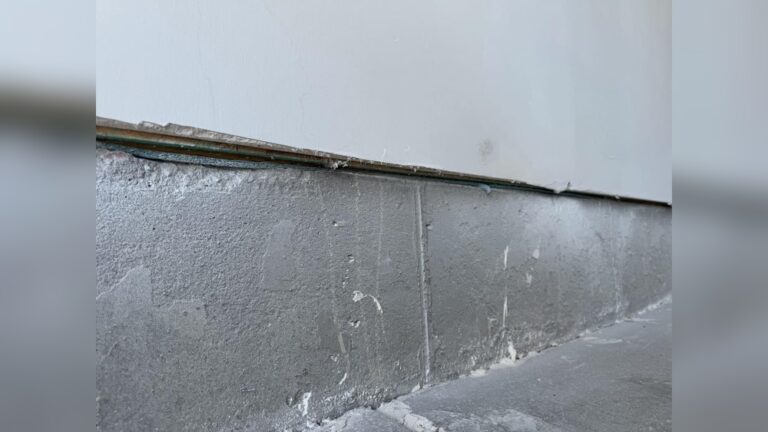
Concrete and cinder block absorb more paint. Use a masonry primer and an epoxy or latex paint designed for masonry.
- Apply primer: Use a thick roller or masonry brush.
- Paint coats: You may need 2–3 coats for full coverage.
- Drying: Concrete walls dry slower; wait extra time between coats.
Epoxy paints resist moisture and stains, making them ideal for garages with high humidity.
Choosing Paint Colors
Most garages look best with light colors like white, light gray, or beige. These colors:
- Make spaces feel larger and brighter
- Show dirt less than dark colors
- Reflect light, improving visibility
If you use your garage as a workshop, consider a color that hides scuffs but doesn’t make the room feel dark.
| Color | Effect | Best For |
|---|---|---|
| White | Brightens space | General use |
| Light Gray | Hides marks | Workshops |
| Beige | Warm look | Storage areas |
| Blue | Calming | Hobby rooms |
Drying Time And Ventilation
Paint needs time to dry. Most latex paints dry to the touch in 2 hours, but wait 24 hours before moving items back.
- Keep windows open for airflow.
- Use fans if your garage has poor ventilation.
- Humidity slows drying—avoid painting on rainy days.
Some beginners don’t realize paint can smell strong. Good ventilation keeps the air fresh and speeds up drying.
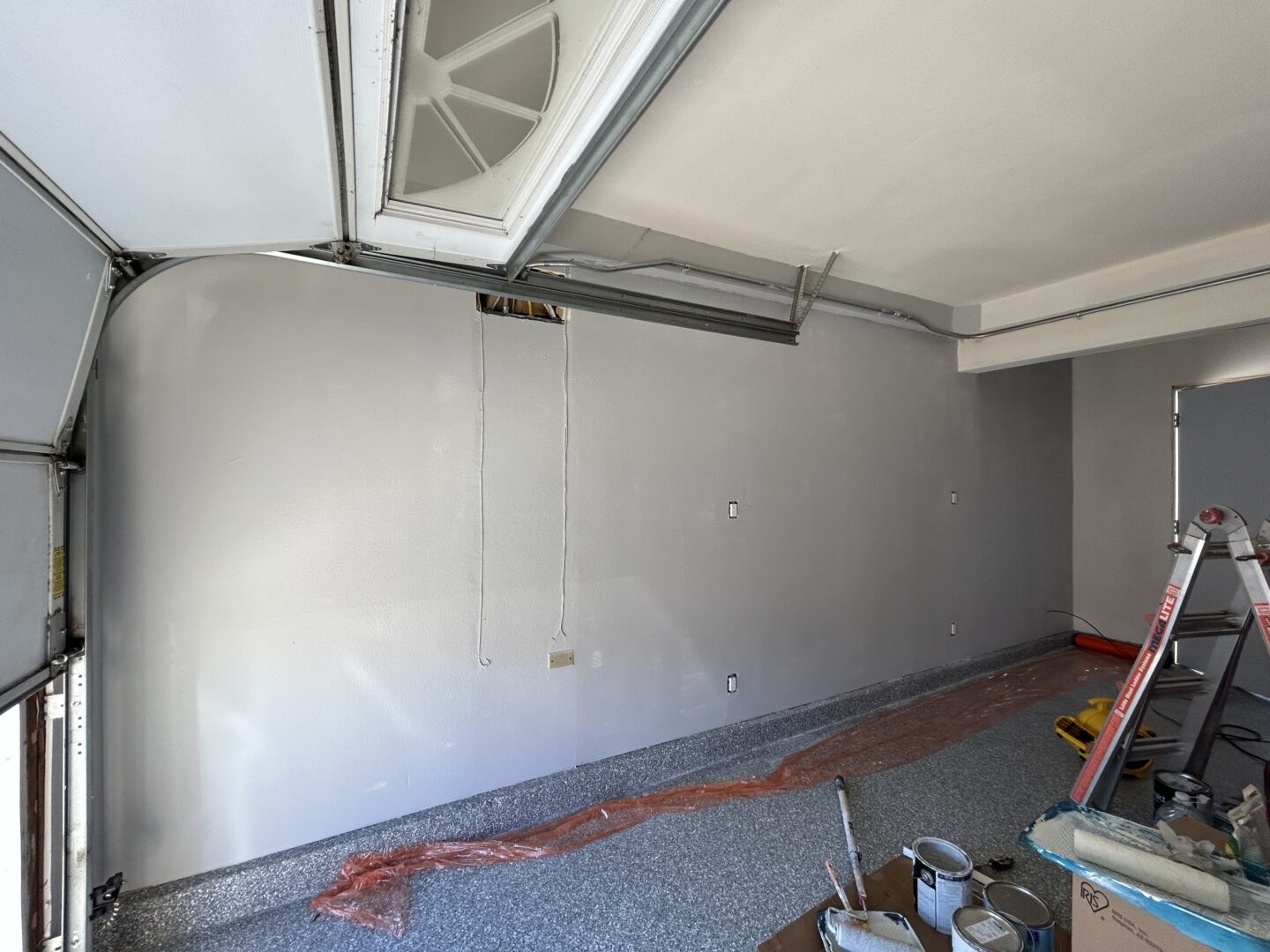
Credit: thetrackahead.com
Cleaning And Maintaining Painted Garage Walls
Painted garage walls stay clean longer but need simple care:
- Wipe dust monthly with a dry cloth or mop.
- Clean stains using mild soap and water.
- Touch up scratches with leftover paint.
Avoid harsh cleaners that can damage paint. If you notice peeling or bubbles, check for moisture problems and repaint as needed.
Common Mistakes To Avoid
Many beginners make mistakes that affect the final look:
- Skipping primer: Paint peels or looks uneven.
- Not cleaning walls: Dust and oil cause poor adhesion.
- Using wrong paint: Cheap or flat paint stains easily.
- Painting in humid conditions: Slows drying and causes bubbles.
Always follow manufacturer instructions. Investing a little more time in prep gives better results.

Credit: garagegiantusa.com
Real-life Example: Beginner Success
Sarah, a first-time homeowner, painted her garage walls over one weekend. She used latex acrylic in light gray, applied primer, and painted two coats. She found that taking time to fill holes and sanding was the most important step. Her garage now looks clean, and she easily wipes away scuff marks.
The project cost her about $75 in paint and supplies, but the improvement was dramatic.
Extra Tips For A Professional Finish
- Use a paint extender for smoother strokes.
- Paint on dry, warm days for faster drying.
- Store leftover paint for future touch-ups.
If you’re unsure about paint types, visit your local hardware store for advice. Some stores offer color samples you can test before buying.

Credit: www.reddit.com
Frequently Asked Questions
How Long Does Painting Garage Walls Take?
Most garages need 1–2 days. Prep and priming take a few hours. Each paint coat dries in 2–4 hours. Waiting for full drying before moving items back is best.
Can I Paint Over Old Paint?
Yes. Clean the surface well and repair any damage. Primer is optional unless the old paint is stained or peeling.
What Paint Is Best For Garage Walls?
Latex acrylic paint works best for drywall. For concrete, use epoxy or masonry paint. Choose satin or semi-gloss finishes for easy cleaning.
How Do I Prevent Paint From Peeling?
Clean walls thoroughly. Use primer if needed. Avoid painting in humid weather. Let each coat dry fully before adding the next.
How Much Does It Cost To Paint Garage Walls?
DIY painting costs $50–$150 for paint and tools, depending on garage size and paint type. Professional painters charge $1–$3 per sq ft. For more detailed cost breakdowns, see HomeAdvisor.
Painting your garage walls is a simple project with big rewards. With careful preparation, the right materials, and attention to detail, even beginners can achieve a professional finish. The fresh look will make your garage feel more welcoming, easier to clean, and better protected for years to come.