
Acrylic latex with mildew resistance is the best paint for garage walls.
Your garage walls take a beating. They face dust, bumps, damp air, and temperature swings. A good paint makes cleanup simple and keeps mold at bay. It also brightens the space and resists scuffs. In this review, I break down the Best Paint for Garage Walls for drywall and masonry. I also share how each option holds up in real garages. If you want fewer touch-ups, faster projects, and a cleaner look, you’re in the right place.

Zinsser 02774 PERMA-WHITE Mold &…
Self-Priming formula – requires no sanding Mold & Mildew-Proof paint film – guaranteed for 5 years Resists dirt and moisture on film coating Finish is washable and scrubbable with soap…

KILZ Basement and Masonry Waterproofing…
Waterproofing Protection with Nanotechnology: Engineered with advanced nanotechnology to create a powerful water barrier—KILZ waterproofing paint blocks up to 12 PSI of water pressure to help stop water infiltration on…

Rust-Oleum Painter’s Touch Latex Brush-On…
Use for a variety of indoor and outdoor project surfaces including wood, metal, plaster, masonry or unglazed ceramic Water-based acrylic formula is low odor, resist chips and provides long-lasting protection…
Zinsser PERMA-WHITE Interior Paint, Eggshell

This water-based interior paint is a smart pick for damp or musty garages. It includes a mildewcide to resist mold growth on the dry film. The eggshell sheen gives a soft glow and hides small flaws. It is also low odor and easy to clean with soap and water.
On drywall or primed masonry, it lays down smooth and even. Two thin coats deliver a durable shell you can scrub. It also grips well to properly prepared surfaces like bare drywall, cured skim coat, or old paint. That makes it a strong base for a tough garage refresh.
Pros:
- Built-in mold and mildew resistance for humid garages
- Low odor, water cleanup, and user-friendly application
- Eggshell sheen hides minor wall dings and roller marks
- Good scrub and stain resistance for easy cleaning
- Self-priming over many existing painted surfaces
- Tintable off-white base for flexible color matching
Cons:
- Quart size covers small areas; larger projects need more cans
- Eggshell is less washable than satin or semi-gloss
- May need two coats on new or patched walls
My Recommendation
If your garage smells musty or gets damp, this is a top choice. It is forgiving on walls and helps block future mildew. The eggshell look is friendly to imperfect surfaces. For those seeking the Best Paint for Garage Walls that blends cleanability with a soft finish, Zinsser PERMA-WHITE stands out for humid zones and low-light garages.
| Best for | Why |
| Damp or musty garages | Built-in mildew resistance keeps walls fresh |
| Older or imperfect drywall | Eggshell hides small flaws better than gloss |
| Quick weekend refresh | Low odor and easy cleanup speed the job |
KILZ Basement & Masonry Waterproofing Paint
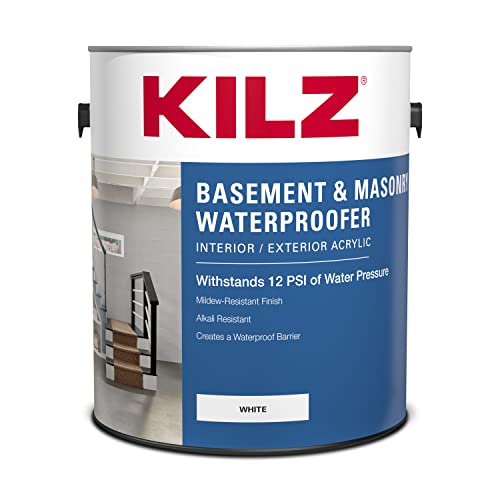
Concrete, brick, and cinder block need different care than drywall. This KILZ masonry paint is made for porous walls. It seals and waterproofs interior or exterior masonry. It helps resist moisture, efflorescence, and peeling in damp garages.
The formula fills tiny voids and creates a barrier. It can handle light hydrostatic pressure when applied per label. That is handy if your garage backs to soil or gets wind-driven rain. It also has a flat white look that brightens dark spaces without glare.
Pros:
- Designed for concrete, brick, and block walls
- Waterproofs porous surfaces to reduce seepage
- Helps prevent efflorescence and flaking
- Suitable for interior and exterior use
- Low odor, water-based, and easy to clean tools
Cons:
- Not for drywall or previously coated elastomeric layers
- Thicker product; plan for more effort and dry time
- Multiple coats often needed for best seal
My Recommendation
Have a damp concrete garage or cinder block walls? This is the clear pick. It tackles moisture at the source and locks down chalky surfaces. If you want the Best Paint for Garage Walls on masonry, KILZ delivers strength and peace of mind. It pairs well with a satin interior topcoat on adjacent drywall zones.
| Best for | Why |
| Concrete or block walls | Formulated to seal porous masonry |
| Damp or below-grade garages | Resists water intrusion and peeling |
| Bright, low-glare finish | Flat white boosts light without shine |
Rust-Oleum Painter’s Touch Latex, Flat White
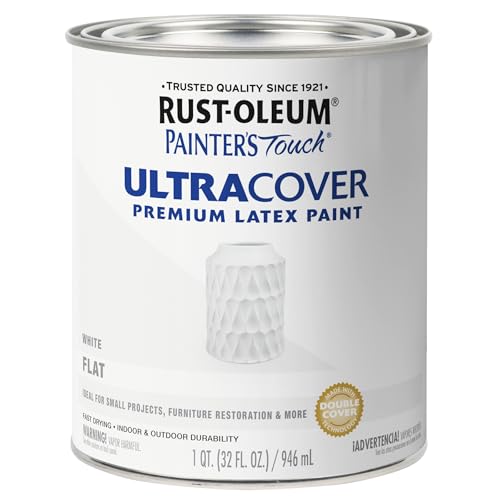
Need a clean, quick update on a budget? This acrylic latex paint rolls on fast and dries quick. The flat white sheen hides patched spots and joint lines. It also keeps glare down under bright shop lights.
It works on many primed surfaces, including drywall and wood. It levels well with a standard roller and shows few lap marks. I like it for a starter coat in a rental or flip. You can also use it as a ceiling match in the garage.
Pros:
- Great value for basic garage wall refresh
- Quick-dry formula shortens project time
- Low odor and easy soap-and-water cleanup
- Flat sheen hides small flaws on drywall
- Brush, roll, or spray with steady coverage
Cons:
- Flat finish scuffs easier than satin or semi-gloss
- Lower washability for dirty or high-touch areas
- May need a stain-blocking primer first on marks
My Recommendation
If your priority is speed and cost, this is a solid bet. It is not the toughest, but it looks clean and bright. It is ideal for low-touch walls, ceilings, or a quick sale prep. For many homes, this checks the Best Paint for Garage Walls box when you want a fast, simple result for low traffic zones.
| Best for | Why |
| Budget-friendly updates | Good coverage and quick dry at a fair price |
| Low-touch walls and ceilings | Flat hides flaws and reduces glare |
| Rental or resale projects | Fast turnaround and a clean, bright look |
Rust-Oleum Advanced Dry Door & Trim Paint, Satin

This satin enamel is built for doors, jambs, and trim. It dries hard and resists blocking, so doors do not stick. The smooth finish looks sharp and wipes clean. In a garage, that makes sense for entry doors, baseboards, and kick zones.
You can also use it on high-wear lower walls where bikes bump. The satin sheen offers more washability than flat or eggshell. It levels well for a pro look with a brush or mini roller. Dry times are short, so second coats come sooner.
Pros:
- Fast-drying, block-resistant door and trim formula
- Durable satin sheen with strong washability
- Excellent leveling for a smooth, pro finish
- Ideal for high-contact areas and kick plates
- Low odor and water cleanup
Cons:
- Sold in quarts; can be pricey for whole-wall use
- Purpose-built for doors and trim, not large walls
- Best results with proper sanding and priming
My Recommendation
Use this where you touch and bump the most: doors, trim, and the first three feet of wall. It brings a crisp satin look that scrubs well. If the Best Paint for Garage Walls for you means “tough in traffic zones,” this Rust-Oleum formula checks that box with speed and durability where you need it.
| Best for | Why |
| Doors, frames, trim | Block-resistant and durable satin enamel |
| High-contact lower walls | Withstands bumps and wipes clean fast |
| Fast weekend upgrades | Quick dry shortens wait times between coats |
Giani Wood Look Paint Kit (English Oak)

This kit is made to turn a plain garage door into a warm, wood-look showpiece. It includes a base coat, grain coat, and tools. The effect looks like real wood from the curb. The satin sheen and UV-stable finish help it weather the sun.
While it is meant for doors, creative DIYers can use it on accent panels, plywood, or built-ins inside the garage. It adds a cohesive look if you match wall storage to your exterior. The kit steps are simple and beginner-friendly. Plan a weekend for prep and two coats.
Pros:
- Transforms metal or painted doors into a wood-look finish
- All-in-one kit with tools and step-by-step process
- UV-stable finish designed for outdoor exposure
- Rich English Oak tone elevates curb appeal
- Beginner-friendly with clear, simple steps
Cons:
- Not designed for drywall or standard interior walls
- Style-specific; not ideal if you want a neutral wall
- Best results require careful prep and steady hand
My Recommendation
If you want your garage door to match a refined interior, this is a fun project. Use the kit outside, then echo the tone on wood storage indoors. While it is not the Best Paint for Garage Walls in the strict sense, it completes the whole-garage look and can enhance accent pieces inside.
| Best for | Why |
| Garage door makeovers | Realistic wood grain effect boosts curb appeal |
| Coordinated garage design | Matches exterior door tone with interior accents |
| First-time DIY projects | Clear kit steps and included tools ease the job |
Water-Based Sanded Floor & Wall Paint, White

This textured, water-based coating is tough and waterproof. It has fine sand in the mix for a subtle grit. On walls, that helps hide hairline cracks and patchwork. It works on interior or exterior walls and concrete.
The satin finish improves cleanability while keeping glare low. Because it is thicker, it can bridge tiny flaws on rough masonry. It is a good choice for utility zones and workshop walls. You get a rugged shell without a glossy, slick look.
Pros:
- Textured formula hides wall flaws and patches
- Waterproof coating for damp or rough spaces
- Suitable for garages, concrete, and exterior walls
- Satin sheen improves washing and stain resistance
- Good for utility and high-traffic work zones
Cons:
- Texture can hold dust; needs a soft-brush clean
- Touch-ups can show if texture varies
- White-only limits color choices without tint
My Recommendation
If your walls are rough or uneven, this coating earns its keep. It hides trouble spots and stands up to busy work. For many homeowners, the Best Paint for Garage Walls needs to be sturdy first. This sanded, waterproof option fits that need with a forgiving finish on concrete and block.
| Best for | Why |
| Rough or patched masonry | Texture masks flaws and blends repairs |
| Damp utility spaces | Waterproof film adds protection |
| Workshop walls | Satin finish resists stains and wipes easier |
How to Choose the Best Paint for Garage Walls
Garages are not like living rooms. The space runs cooler in winter and hotter in summer. You also grind in grit, moisture, and fumes. Here is how I pick paint that can stand up to it.
1) Know your surface: drywall vs. masonry
Drywall needs a standard acrylic latex. Eggshell or satin is best for cleanability. Masonry needs a product built for porous walls. Use a masonry sealer or waterproofing paint first. Then, if you want, topcoat with a washable interior paint for color.
2) Match sheen to use
Flat hides flaws but scuffs easy. Eggshell balances hide and cleaning. Satin is the sweet spot for many garages. It wipes fast and still hides small issues. Semi-gloss is extra tough but can glare under bright LEDs.
3) Plan for moisture and mildew
Humidity is common in garages. Look for mildew-resistant claims on the label. These paints include a mildewcide in the dried film. That helps keep walls clean longer. Zinsser PERMA-WHITE is a good example for damp spaces.
4) Consider VOCs and odor
Low-VOC paints reduce harsh smells. That is helpful if you work in the garage soon after painting. Water-based acrylic latex is the easy choice. Open doors and run a fan while you paint. Good airflow helps with dry and cure times.
5) Think about color and light
Most garages lack daylight. White or light gray boosts brightness. Look for high LRV (Light Reflectance Value) colors. They bounce light around the room. You will see tools and edges better under shop lights.
6) Check cleanability and scrub ratings
Walls near bikes, yard tools, and trash cans get dirty. Choose a paint with solid scrub resistance. Satin or durable eggshell formulas help. You can wipe with a sponge and mild soap. Avoid flat if you clean walls often.
7) Primer choices matter
On new drywall, use a PVA primer first. On stained walls, use a stain-blocking primer. For masonry, clean, etch if needed, and use a masonry primer. Good prep helps paint grip and last. Skipping primer shortens the life of your job.
8) Apply within the right temperature range
Most latex paints need the surface and air above 50°F. In summer, avoid painting in heat waves. Extreme heat can cause lap marks. Follow the label for the safe range. Aim for mild days and steady airflow.
9) Budget by true coverage
Read the label for coverage per gallon. Rough block walls drink more paint. Plan for two coats on new or patched surfaces. Buy a bit extra for touch-ups. Consistent batches reduce color shifts.
10) Plan your timeline: dry vs. cure
Dry to touch is fast. Full cure takes days or weeks. Do not scrub fresh paint too soon. Set light items against the wall after a few days. Wait longer for heavy shelves or bump-prone zones.
How to Prep and Paint Garage Walls (Step-by-Step)
Prep is the secret to a clean, lasting finish. I keep steps short and simple so you can get great results.
- Clear the area. Move cars, shelves, and bins away from walls.
- Dust and degrease. Wipe with a degreaser where hands and tools touch.
- Fix damage. Fill dents, caulk gaps, and sand smooth.
- Address stains. Spot-prime rust, marker, or water marks.
- Prime right. Use PVA on new drywall, masonry primer on block.
- Cut in edges. Use a 2-inch angled brush around trim and outlets.
- Roll the field. Use a 3/8-inch nap on drywall; 1/2–3/4-inch on masonry.
- Work in sections. Keep a wet edge to avoid lap marks.
- Let it dry. Follow label times between coats.
- Second coat. Apply thin and even for a uniform look.
Smart Maintenance Tips for Garage Walls
Good habits keep paint looking new. Here is what I do once the walls are cured.
- Wipe scuffs with a damp sponge and mild soap.
- Use magic eraser pads on tough marks, but rub light.
- Touch up dings with a small artist brush.
- Add bump guards or rails in high-traffic spots.
- Run a dehumidifier in damp seasons.
Common Mistakes to Avoid
I see the same issues over and over. Avoid these to save time and money.
- Skipping primer on new drywall or raw masonry.
- Painting over dust, oil, or chalky walls.
- Rolling too thick and causing drips.
- Painting in extreme heat or cold.
- Using flat paint in heavy-use areas that need scrubbing.
FAQs Of Best Paint for Garage Walls
What paint sheen is best for garage walls?
Choose eggshell or satin. Both clean well and hide small flaws. Satin offers the best washability in busy spaces.
Do I need a primer before painting garage walls?
Yes, in most cases. New drywall needs PVA primer. Masonry needs a masonry primer or sealer. Stains need a stain blocker.
How do I stop mildew on garage walls?
Use a mildew-resistant paint and improve airflow. Run a dehumidifier if needed. Fix leaks and seal masonry first.
Can I use exterior paint on interior garage walls?
You can, but it is not needed. A quality interior acrylic latex with mildew resistance is ideal and lower odor.
How many coats should I apply?
Two thin coats give the best look and durability. Spot-prime repairs first. Allow full dry time between coats.
Final Verdict: Which Should You Buy?
Zinsser PERMA-WHITE is my top pick for most garages. It resists mildew, hides flaws, and cleans up fast. For masonry walls with moisture, KILZ Basement & Masonry Waterproofing Paint is the safer first coat.
Choose the Best Paint for Garage Walls that fits your surface and climate. A little prep and the right sheen give you a bright, tough, and easy-to-clean garage.