
Painting a metal garage door is a smart upgrade. It boosts curb appeal, protects against rust, and makes your home look cleaner and newer. Many homeowners worry this task is too complicated, but with the right steps, painting a metal garage door is very doable—even for beginners. The secret is careful preparation, choosing the right paint, and following a proven method. This guide walks you through everything, from prep to finishing touches, so you can get professional-looking results with your first try.
Why Paint A Metal Garage Door?
Most metal garage doors start showing signs of age after a few years. Paint fades, chips, or peels, especially in harsh weather. Rust spots can appear, making the door look old and worn out. Painting solves these problems by:
- Protecting against rust and corrosion
- Improving your home’s appearance
- Increasing home value (homes with fresh garage doors can sell for 2-5% more)
- Extending the lifespan of the door
Painting is much cheaper than replacing a garage door, often costing less than $100 in materials for a single door.
Choosing The Right Paint And Materials
The paint you use matters. Metal garage doors need exterior paint made for metal surfaces. Using the wrong paint can lead to peeling, bubbling, or poor coverage.
Recommended Paint Types
| Paint Type | Pros | Cons |
|---|---|---|
| Acrylic Latex | – Flexible – Good adhesion – Easy to clean |
– Less resistant to scratches |
| Oil-Based Enamel | – Durable – Resists weather – Smooth finish |
– Takes longer to dry – Needs solvents for cleanup |
| Direct-to-Metal (DTM) | – Made for metal – Prevents rust – Fast drying |
– Limited color options |
Most beginners find acrylic latex easiest to use. Direct-to-metal paint is best if your door has rust or is exposed to extreme weather.
Essential Tools And Supplies
You’ll need:
- Paint (1-2 quarts for a single garage door)
- Primer (for bare or rusty metal)
- Roller (with ¼” nap for smooth surfaces)
- Brush (for corners and edges)
- Painter’s tape (for masking)
- Drop cloths (to protect floor)
- Sandpaper (medium grit, 120–150)
- Wire brush (for rust)
- Mild detergent (for cleaning)
- Gloves and safety goggles
Preparation: The Key To A Good Finish
Preparation is the most important part. Skipping steps leads to poor results, even if you use top-quality paint. Here’s how to get your metal garage door ready:
Cleaning
Remove all dirt, grease, and loose paint. Dust and oil stop paint from sticking.
- Mix mild detergent with water.
- Scrub the door with a sponge or cloth.
- Rinse with clean water.
- Allow to dry completely.
Sanding
Smooth out rough spots and remove peeling paint.
- Use medium-grit sandpaper (120–150).
- Focus on chipped or rusty areas.
- Wipe away dust with a damp cloth.
Rust Removal
Rust is common on metal garage doors. Painting over rust will not stop it from spreading.
- Use a wire brush to scrub rusty spots.
- Sand the area to bare metal if needed.
- Wipe clean.
Masking And Protecting
Protect areas you don’t want painted.
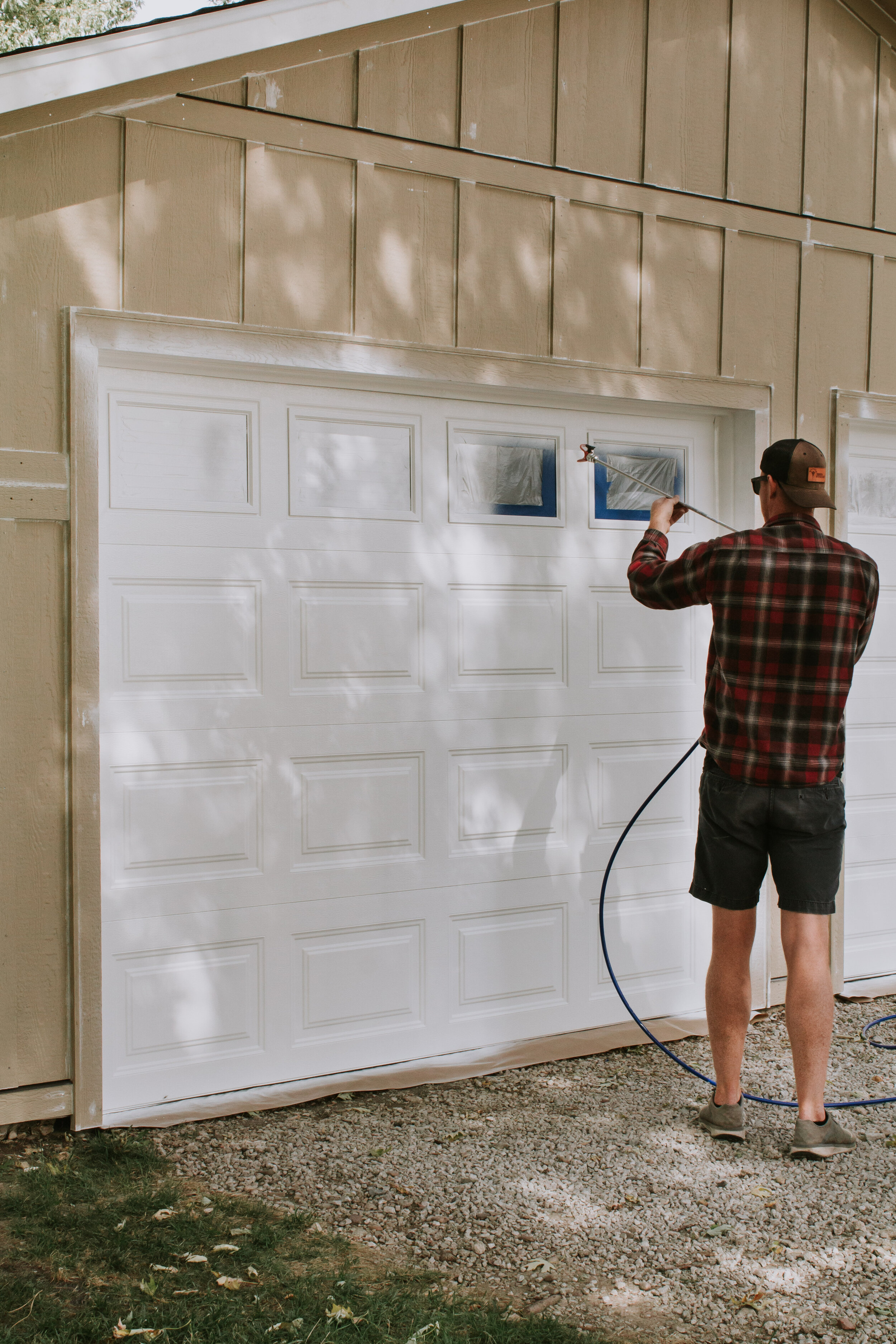
- Use painter’s tape to mask windows, handles, and trim.
- Lay down drop cloths under the door.
Priming
Primer helps paint stick and prevents rust.
- Apply metal primer to bare or rusty spots.
- Let it dry as per manufacturer’s instructions (usually 2–4 hours).
Step-by-step Painting Process
Painting a metal garage door is simple if you follow these steps. Beginners often miss small details, like painting edges first or working in sections. These tips can help you avoid common mistakes.
1. Check Weather Conditions
Paint works best in mild weather. Avoid painting in direct sun, strong wind, or when rain is expected.
- Ideal temperature: 50–85°F (10–30°C)
- Humidity: Below 60% is best
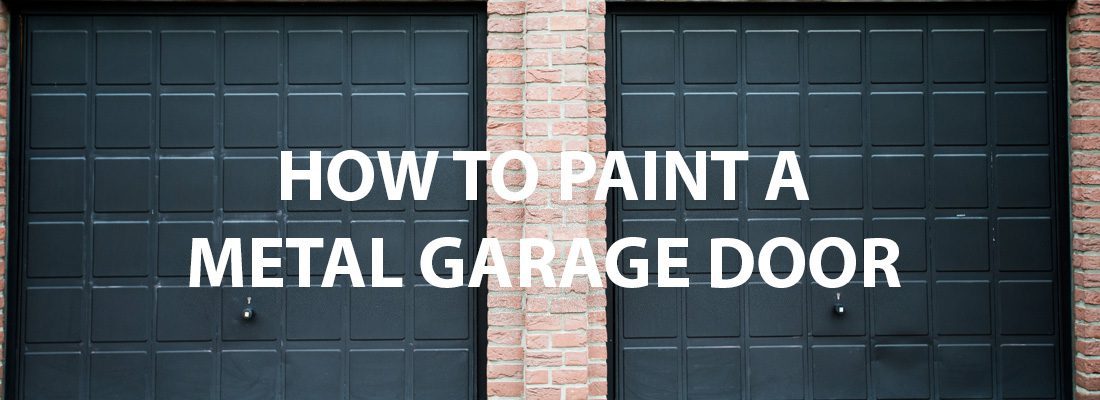
2. Start With Edges And Panels
Begin with edges, corners, and recessed panels. This prevents streaks and makes the door look uniform.
- Use a brush for tricky areas.
- Paint panels first, then flat sections.
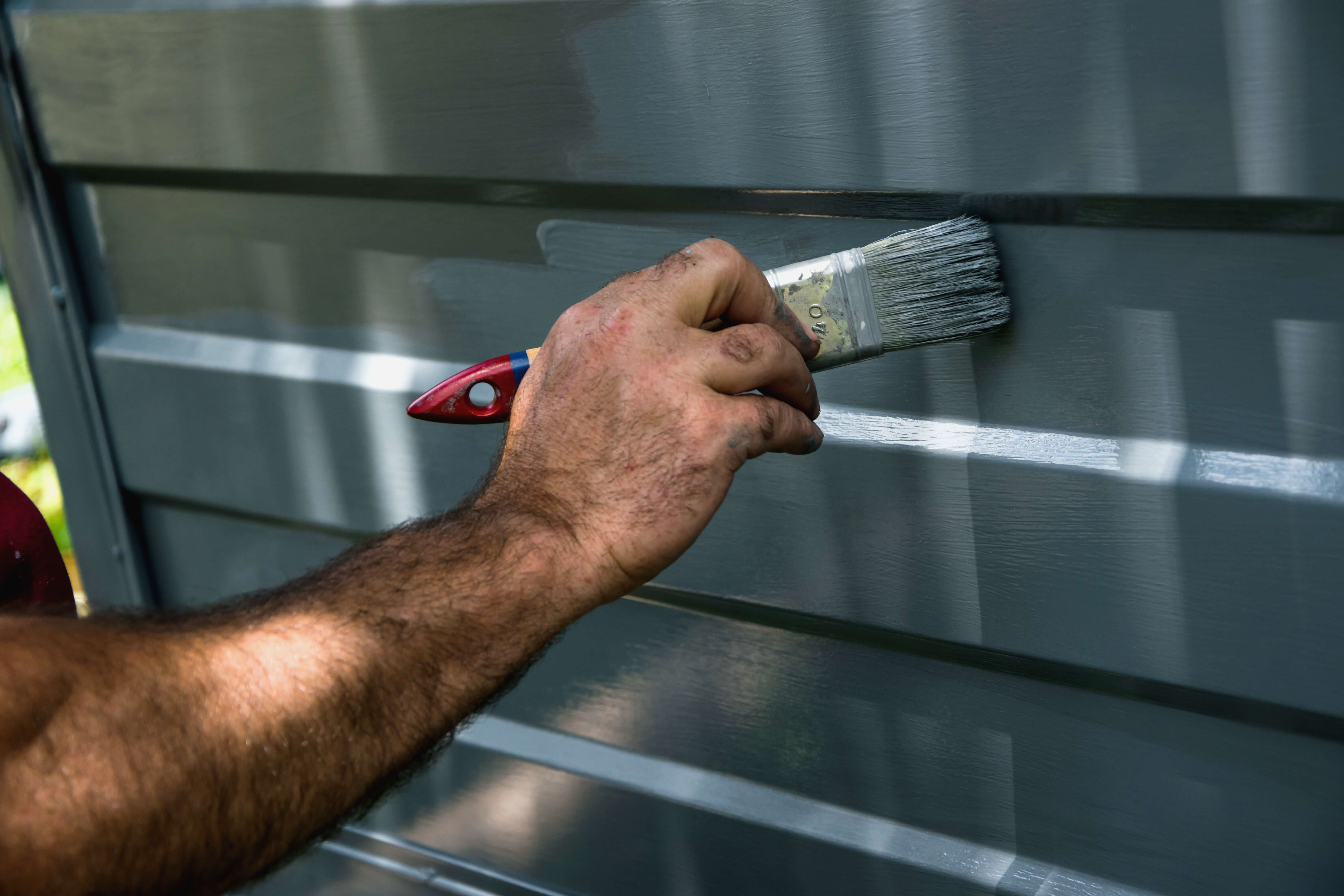
3. Use A Roller For Large Areas
Rollers cover large surfaces quickly and evenly.
- Use a ¼” nap roller for smooth metal.
- Apply thin, even coats—thick coats lead to drips.
4. Apply Multiple Coats
Most garage doors need 2 coats for solid color and durability.
- Let the first coat dry (2–4 hours).
- Apply the second coat for a richer finish.
5. Remove Tape And Clean Up
Take off painter’s tape while the paint is still slightly tacky. This prevents peeling.
- Remove tape gently.
- Clean brushes and rollers as soon as you finish.
6. Let Paint Cure
Paint is dry to the touch in a few hours, but it takes longer to fully cure.
- Wait 24–48 hours before opening/closing the door.
- Avoid touching or bumping the surface during this time.
Credit: www.paintritepros.com
Common Mistakes Beginners Make
Painting seems easy, but small mistakes can ruin the finish. Here are some errors to avoid:
- Skipping primer—especially on rusty or bare metal.
- Painting in poor weather—too hot, cold, or humid causes bubbles and poor adhesion.
- Using thick coats—thin coats dry faster and prevent runs.
- Not sanding enough—smooth surface means better paint bond.
- Ignoring edges—unpainted edges rust faster.
- Failing to clean properly—dust and oil block paint.
Many beginners forget to check paint compatibility. Always use metal-safe paint and primer together.
How Long Does It Take?
Painting a metal garage door takes less time than most people think. Here’s a typical breakdown:
| Task | Time Needed |
|---|---|
| Cleaning & Sanding | 1–2 hours |
| Priming | 30–60 minutes (plus drying time) |
| Painting (each coat) | 30–60 minutes |
| Curing | 24–48 hours |
Most beginners can finish the actual painting in one afternoon. Factor in drying and curing time for best results.
Choosing Colors For Your Garage Door
Your garage door is a big part of your home’s exterior. Picking the right color can make your home stand out or blend in. Here are some tips:
- Match the trim or front door for a coordinated look.
- Use a contrasting color for modern style.
- Light colors (white, beige) hide dust and scratches.
- Dark colors (black, navy) look sleek but show dirt more easily.
Many homeowners use online tools to preview colors. The Sherwin-Williams Garage Door Visualizer is a helpful resource.
Paint Brands And Cost Comparison
Quality paint lasts longer and covers better. Here’s a quick comparison of popular brands:
| Brand | Type | Price (per quart) | Estimated Coverage |
|---|---|---|---|
| Behr Premium | Acrylic Latex | $18–$22 | 100–120 sq ft |
| Rust-Oleum DTM | Direct-to-Metal | $25–$30 | 90–110 sq ft |
| Benjamin Moore | Oil-Based Enamel | $20–$24 | 95–115 sq ft |
For a standard single garage door (about 90 sq ft), one quart is usually enough for two coats.
Credit: www.valsparpaint.co.uk
Safety Tips For Painting
Safety is important, especially with chemicals and heavy doors.
- Wear gloves and goggles to protect skin and eyes.
- Work in a well-ventilated area—open windows and doors.
- Keep paint and solvents away from children and pets.
- Avoid standing under a moving door.
If you’re sensitive to paint fumes, use a mask with a vapor filter.
Maintenance After Painting
A freshly painted garage door needs simple care to stay looking new.
- Wash with mild soap and water every 2–3 months.
- Inspect for chips or scratches—touch up as needed.
- Lubricate hinges and tracks to keep the door working smoothly.
- Avoid pressure washing—this can damage paint.
With basic maintenance, your painted door can look great for 5–10 years.
Non-obvious Insights For Beginners
- Paint dries faster on metal than wood. Watch for “dry to the touch” versus “fully cured.” Don’t rush opening the door.
- Garage doors expand and contract with temperature. Flexible paints like acrylic latex handle movement better and resist cracking.
- Many people forget primer color matters. Use a gray primer for dark paints and white for lighter shades.
- Paint the bottom edge of the door—this often gets ignored and can rust quickly.
Frequently Asked Questions
How Do I Know If My Garage Door Needs Painting?
If you see peeling paint, rust spots, or faded color, it’s time to repaint. Doors exposed to harsh sun or rain often need fresh paint every 5–7 years.
Can I Paint Over An Old Painted Surface?
Yes, but only if the old paint is not peeling or flaking. Clean, sand, and prime any damaged spots before painting.
What’s The Best Paint For Metal Garage Doors?
Direct-to-metal (DTM) paint is ideal, but acrylic latex works well for most climates. Avoid interior paints or wood-only formulas.
How Long Does Painted Garage Door Last?
A well-painted metal garage door can last 5–10 years before needing touch-ups, depending on weather and maintenance.
Is It Safe To Paint Garage Doors Myself?
Yes, as long as you use the right safety gear and follow basic precautions. Beginners can get great results if they prep properly and use the right paint.
Painting your metal garage door is one of the best DIY projects for boosting home value and appearance. With the right tools, paint, and method, even beginners can achieve a smooth, durable finish. Remember to clean, sand, and prime before painting, and don’t rush the drying process. Small details, like painting edges and using the correct primer, make a big difference. If you want more tips or visual guides, visit the Family Handyman website for additional advice. With patience and care, your garage door will look fresh and stay protected for years to come.
Credit: nadinestay.com