
Cleaning garage door tracks might seem like a small job, but it has a big effect on your garage door’s performance. When tracks are dirty or blocked, your door can get stuck, make noise, or even break down. Many homeowners overlook this task, but it is easy to learn and can save you money on repairs.
This guide will help you clean your garage door tracks safely, even if you’ve never done it before.
Why Clean Garage Door Tracks?
Garage doors move up and down several times a day. Over time, dust, dirt, and even leaves can collect in the tracks. When tracks get dirty, these problems can happen:
- The door moves slowly or gets stuck.
- The rollers wear out faster.
- You hear squeaks or grinding noises.
- The door falls off the tracks (in rare cases).
Regular cleaning keeps your door safe and smooth. It also helps you spot problems early before they become expensive repairs.
What You Need To Clean Garage Door Tracks
Before you start, gather a few basic tools and supplies. Most people already have these at home:
- Step ladder (for reaching high tracks)
- Vacuum with nozzle attachment (for sucking up loose debris)
- Old toothbrush or small brush
- Soft cloth or rag
- Mild household cleaner (not bleach or ammonia)
- Spray bottle (for applying cleaner)
- Protective gloves
- Silicone-based lubricant (for after cleaning)
- Safety glasses (optional, but helpful)
Having everything ready means you won’t need to stop in the middle of the job.
Safety First: Tips Before You Begin
Cleaning garage door tracks is safe if you follow these simple rules:
- Disconnect the garage door opener to stop the door from moving.
- Use the manual release to open the door halfway.
- Make sure the door is secure and won’t fall.
- Wear gloves to protect your hands from dirt and sharp edges.
- Don’t use ladders on uneven surfaces.
- Never use harsh chemicals, as they can damage the tracks.
If your garage door is very heavy or old, ask someone to help you hold the door steady.
Step-by-step: How To Clean Garage Door Tracks
Follow these steps for the best results. Each step is important, so don’t skip any.
1. Open The Garage Door Manually
- Unplug or disconnect the automatic opener.
- Pull the manual release handle (usually a red cord).
- Lift the door about halfway and make sure it stays in place.
- If the door is hard to move, don’t force it—this may mean the tracks are already too dirty or damaged.
2. Remove Loose Debris
- Use a vacuum with a nozzle to suck up dust, leaves, and cobwebs from the tracks.
- Focus on both vertical and horizontal parts of the track.
- For tight spots, use a small brush to loosen stuck dirt.
3. Clean The Tracks With A Household Cleaner
- Fill a spray bottle with a mild cleaner mixed with warm water.
- Spray the cleaner along the inside of both tracks.
- Scrub with an old toothbrush or small brush.
- Wipe away dirty foam and liquid with a soft rag.
Tip: Avoid using too much water to prevent rust.
4. Check For Buildup And Stubborn Stains
- Look for sticky spots or black grease.
- If you see buildup, spray again and scrub more.
- For tough grime, let the cleaner sit for a few minutes before wiping.
5. Dry The Tracks Completely
- Use a clean, dry cloth to wipe away all moisture.
- Tracks must be dry before you add any lubricant.
- Check for any rust; if you see rust, gently sand it with fine sandpaper.
6. Lubricate Only The Right Parts
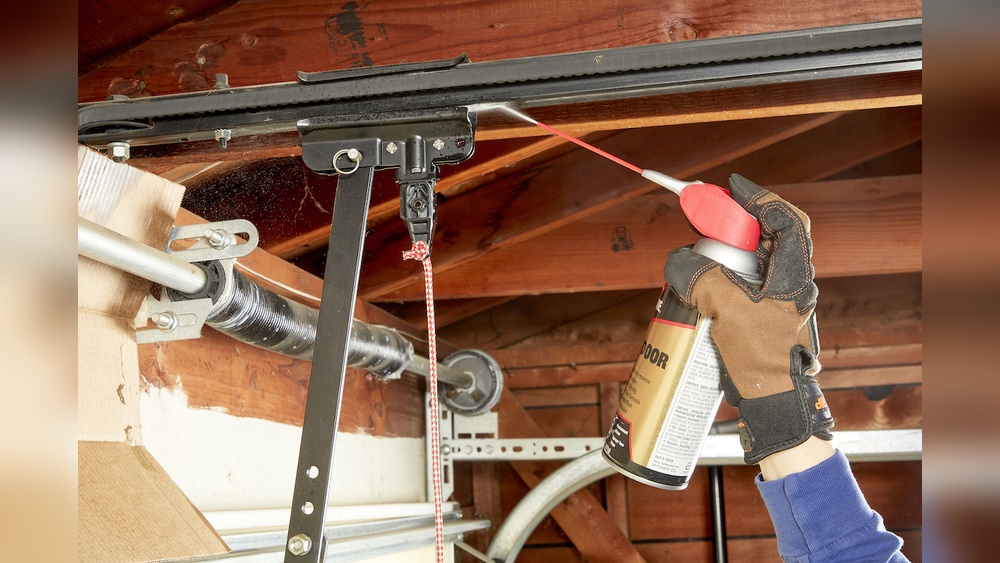
- Apply a small amount of silicone-based lubricant to the rollers and moving joints.
- Do NOT spray lubricant inside the tracks—this attracts more dirt.
- Move the door up and down by hand to spread the lubricant.
Important Insight: Many beginners make the mistake of spraying oil or WD-40 directly into the tracks. This actually makes them dirtier over time.
7. Reconnect The Garage Door Opener
- Plug the opener back in or reconnect it.
- Test the door several times to make sure it moves smoothly.
- Listen for unusual noises—these may mean something needs more attention.

Credit: proentry.ca
How Often Should You Clean Garage Door Tracks?
Most experts recommend cleaning garage door tracks at least twice a year. However, if you live in an area with a lot of dust, pollen, or snow, you may need to clean them every three months.
Here’s a simple frequency guide:
| Environment | Recommended Cleaning |
|---|---|
| Suburban/Urban | Every 6 months |
| Rural/Dusty | Every 3 months |
| Near the Sea (salty air) | Every 2-3 months |
| Cold/Snowy | After winter ends |
Cleaning more often can prevent big problems, especially if you notice the door sticking or making noise.
Signs Your Tracks Need Cleaning
Don’t wait for a scheduled cleaning if you notice these signs:
- The door is noisy or jerky when opening or closing.
- The door does not close all the way.
- You see dirt, leaves, or spider webs in the tracks.
- The rollers look rusty or worn.
- The automatic opener struggles or stops.
If you spot these issues, clean the tracks right away to prevent damage.
Common Mistakes To Avoid
Beginners often make mistakes that can cause more harm than good. Here’s how to avoid them:
- Using grease or oil on the tracks: This attracts dust and makes tracks sticky.
- Ignoring rust spots: Rust gets worse over time and can lead to replacement.
- Forgetting safety steps: Always disconnect the opener before working.
- Skipping regular cleaning: Waiting too long can lead to expensive repairs.
- Not checking the rollers: Sometimes, the problem is with the rollers, not just the tracks.
When To Call A Professional
Cleaning is simple, but sometimes you need expert help. Call a garage door technician if:
- The door is off the track.
- The tracks are bent or damaged.
- You hear loud bangs or grinding sounds.
- The door is extremely heavy or will not move.
- You see broken springs or cables.
Trying to fix these issues yourself can be dangerous. Professional technicians have the right tools and experience.
Real Example: How Cleaning Fixed A Stuck Garage Door
Sarah, a homeowner in Texas, noticed her garage door was making a grinding noise and sometimes got stuck. She found that dust and leaves had collected in the tracks after a windy season.
She followed these steps:
- Unplugged the opener for safety.
- Vacuumed and brushed out the tracks.
- Cleaned with a mild soap and water solution.
- Dried the tracks and added a little lubricant to the rollers.
After cleaning, the door worked smoothly and quietly again. Sarah now cleans her tracks every spring and fall to prevent the problem from returning.
What Makes Garage Door Tracks Dirty?
Garage door tracks collect debris from many sources:
- Wind blows in dust, sand, and leaves.
- Pollen and insects stick to the metal.
- Lubricant drips and collects dirt.
- Rainwater or snow can cause rust, especially if the garage is not sealed well.
Understanding this helps you keep the area clean. For example, sweeping the garage floor often reduces dirt in the tracks.

Credit: www.reddit.com
Diy Vs Professional Cleaning: Which Is Right For You?
Some people prefer to hire a professional, while others do it themselves. Here’s a quick comparison to help you decide:
| DIY Cleaning | Professional Cleaning |
|---|---|
| Low cost | Higher cost |
| Takes about 30–45 minutes | Done in 15–30 minutes |
| Good for simple cleaning | Can fix complex problems |
| Basic tools required | Special tools and parts available |
If you’re comfortable with basic tools, try DIY first. If the door is still noisy or stuck after cleaning, call a professional.
Maintenance Tips For Long-term Track Health
Here are a few tips to keep your garage door tracks in top shape all year:
- Sweep your garage floor regularly.
- Check tracks for dirt or leaves after storms.
- Inspect for rust every few months.
- Lubricate only the moving parts, not the tracks.
- Test the door manually every season to spot problems early.
Proactive care means fewer surprises and lower repair costs.
Credit: hunterdoor.com
Garage Door Track Materials: Does It Matter?
Most garage door tracks are made from galvanized steel, which resists rust but can still collect dirt. Some older doors may have aluminum tracks, which are lighter but can bend more easily.
Here’s a quick comparison:
| Material | Pros | Cons |
|---|---|---|
| Galvanized Steel | Strong, durable, rust-resistant | Heavier, can rust if coating wears off |
| Aluminum | Lightweight, easy to install | Bends easily, less durable |
No matter the material, regular cleaning is important. If your tracks are bent or very rusty, replacement may be the best option.
Eco-friendly Cleaning Options
If you prefer green cleaning, you can use these safe alternatives:
- Mix white vinegar with warm water for a mild cleaner.
- Use a baking soda paste for stubborn stains.
- Avoid strong chemicals that can harm plants or pets.
Eco-friendly methods work well for regular cleaning, but tough rust may still need commercial products.
Where To Find More Garage Door Maintenance Tips
If you want to learn more about garage door care, check resources from trusted sources like the Family Handyman. These guides offer step-by-step help and practical videos.
Frequently Asked Questions
How Do I Know If My Garage Door Tracks Are Dirty?
Look for signs like sticking, noise, or slow movement. Visible dust, leaves, or cobwebs in the tracks are also clear indicators. If the door does not close smoothly, cleaning the tracks is a smart first step.
Can I Use Wd-40 To Clean Garage Door Tracks?
No, you should not spray WD-40 or oil directly into the tracks. These products attract dust and make the tracks sticky. Use a silicone-based lubricant only on the rollers, not inside the tracks.
What Is The Best Cleaner For Garage Door Tracks?
A mild household cleaner mixed with water works well. Avoid bleach or harsh chemicals, as they can damage the metal and attract more dirt. For a natural solution, use vinegar and water.
How Often Should I Lubricate My Garage Door Tracks?
You do not need to lubricate the tracks themselves—only the rollers and moving joints. Lubricate these parts every 6 months, or more often if you hear squeaks.
Is It Safe To Clean Garage Door Tracks Myself?
Yes, if you disconnect the opener and follow safety steps. Use gloves and keep your ladder steady. If you see major damage, call a professional for help.
Cleaning garage door tracks is a simple task that pays off in smooth operation and long-lasting parts. With regular care, your garage door will work quietly and reliably for years. If you’re ever unsure, professional help is just a call away.